
Regional Ramen Guide: 10 Distinctive Styles Worth Travelling Across Japan For
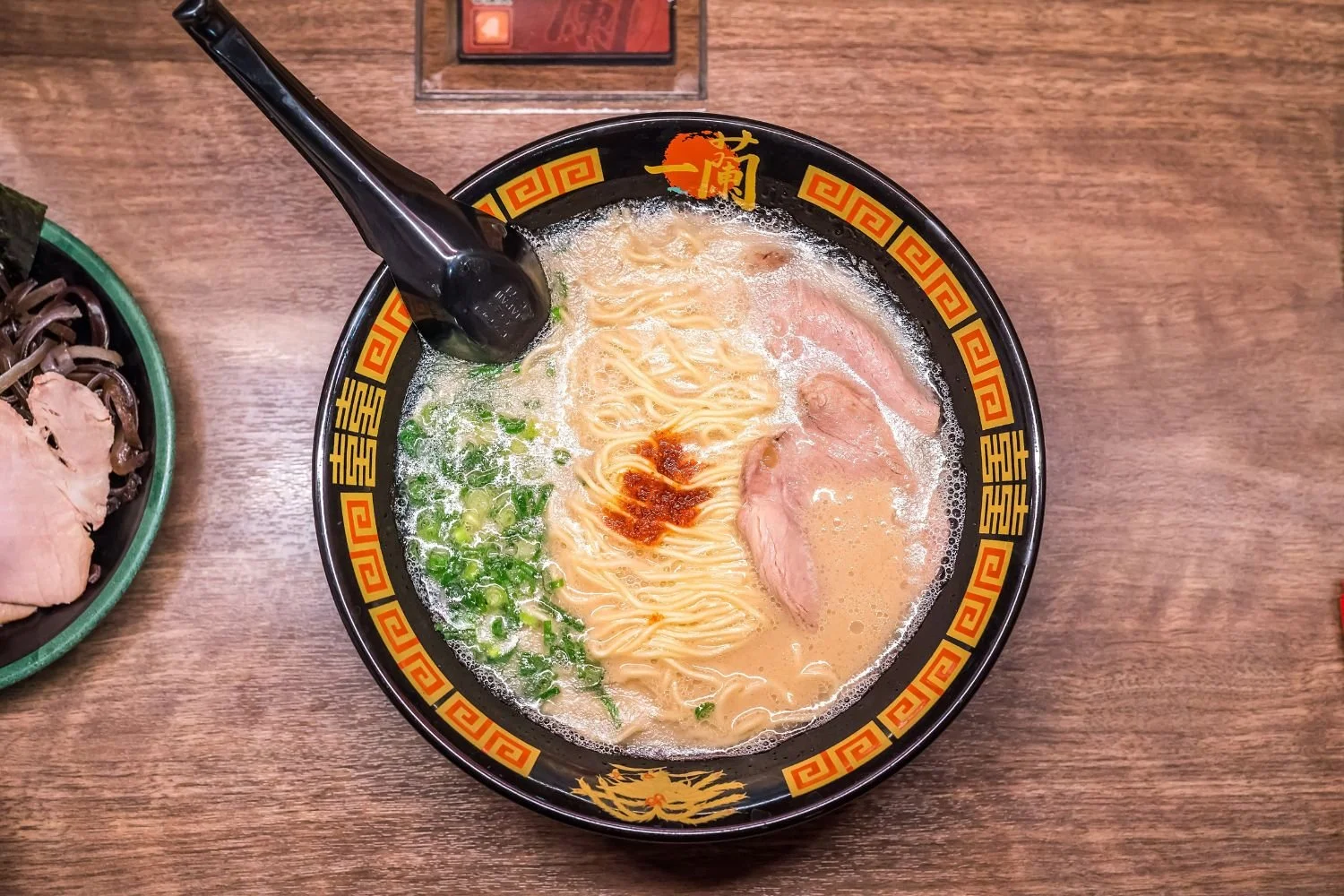
Ichiran Ramen
Source: Canva
From buttery miso ramen in snowy Hokkaido to garlic-infused tonkotsu in Kumamoto and even chilled ramen in Yamagata, Japan's regional ramen styles are incredibly diverse. What began as a simple noodle dish has evolved into countless local variations, each reflecting the tastes and traditions of its region.
For food-loving travellers, chasing regional ramen can be just as rewarding as visiting famous temples, castles, or scenic landscapes.
Whether you're planning a dedicated food journey or simply looking for your next great bowl, here are 10 regional ramen styles worth travelling across Japan to experience.
(1) Sapporo Miso Ramen (Hokkaido)
(2) Hakodate Shio Ramen (Hokkaido)
(3) Hakata Tonkotsu Ramen (Fukuoka)
(4) Kitakata Ramen (Fukushima)
(5) Wakayama Ramen (Wakayama)
(6) Onomichi Ramen (Hiroshima)
(7) Tokushima Ramen (Tokushima)
(8) Toyama Black Ramen (Toyama)
(9) Yamagata Cold Ramen (Yamagata)
(10) Kumamoto Ramen (Kumamoto)
(1) Sapporo Miso Ramen (Hokkaido)
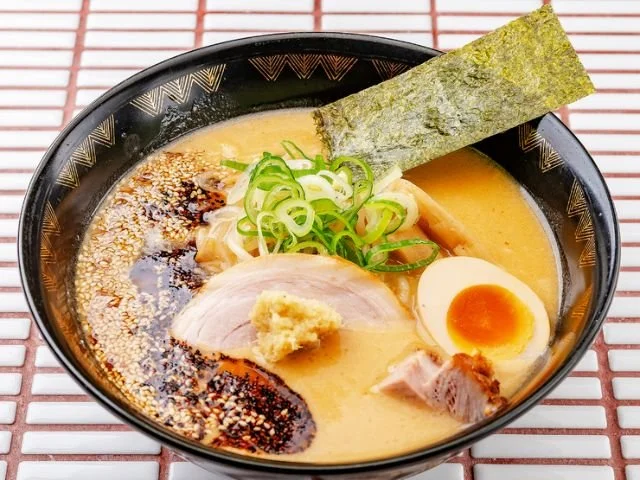
Sapporo Miso Ramen by Sapporo Shinmendokoro Yukimura
Source: Savor Japan
Located on Japan's northernmost island, Hokkaido is known for its long winters, fertile farmland, dairy products, and exceptional seafood. These conditions have shaped a food culture centred around hearty, warming dishes, none more famous than Sapporo's signature ramen.
Developed in the 1950s, Sapporo miso ramen helped popularise miso-based ramen across Japan. Its rich broth combines miso with pork stock, garlic, ginger, and vegetables, creating a deeply savoury bowl that is especially comforting during the colder months.
The noodles are typically thick and wavy, allowing them to hold onto the robust broth. Popular toppings include butter, sweet corn, bean sprouts, chashu pork, and green onions, many of which reflect Hokkaido's agricultural strengths.
(2) Hakodate Shio Ramen (Hokkaido)
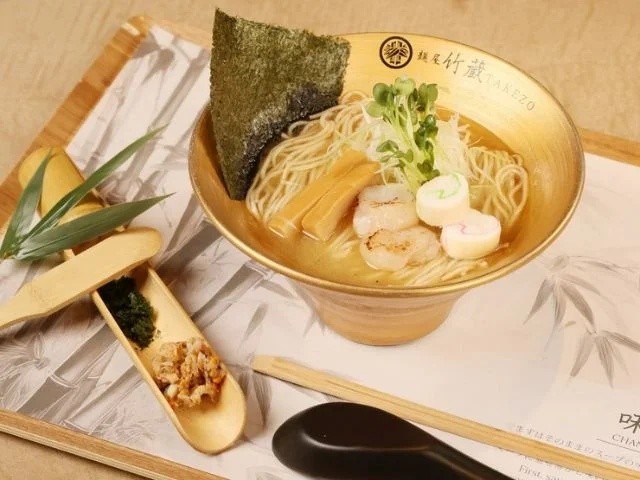
Scallop Salt Ramen by Menya Takezo
Source: Savor Japan
At the southern tip of Hokkaido lies Hakodate, one of Japan's oldest port cities and a destination renowned for its seafood. Surrounded by productive fishing grounds, the city has developed a culinary identity that celebrates freshness and simplicity.
Unlike Sapporo's rich miso ramen, Hakodate is best known for shio ramen, a salt-based style that highlights the natural flavours of its ingredients. The broth is crystal clear and delicately seasoned, often combining chicken stock with seafood for a clean, elegant taste.
Thin noodles and restrained toppings ensure that nothing overwhelms the soup's subtle complexity, making every sip the focal point of the experience.
(3) Hakata Tonkotsu Ramen (Fukuoka)
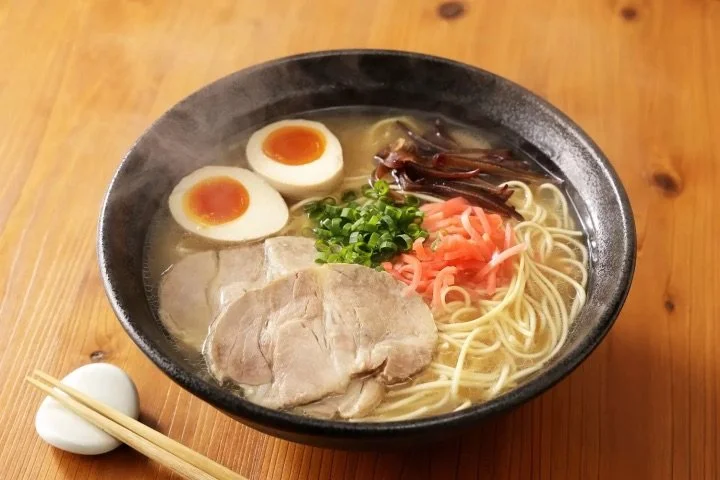
Source: MATCHA
Fukuoka, the largest city on Kyushu island, is one of Japan's great food destinations. Famous for its lively yatai street stalls and vibrant dining culture, it is also the birthplace of one of the world's most recognisable ramen styles.
Hakata tonkotsu ramen is defined by its creamy pork-bone broth, created by simmering pork bones for hours until they release their collagen and flavour. The result is a rich, silky soup with remarkable depth.
It is traditionally served with thin, straight noodles that cook quickly and pair perfectly with the dense broth. Common toppings include chashu pork, green onions, kikurage mushrooms, and pickled ginger. Many ramen shops also offer kaedama (noodle refill), allowing diners to order extra noodles to finish every last drop of soup.
(4) Kitakata Ramen (Fukushima)
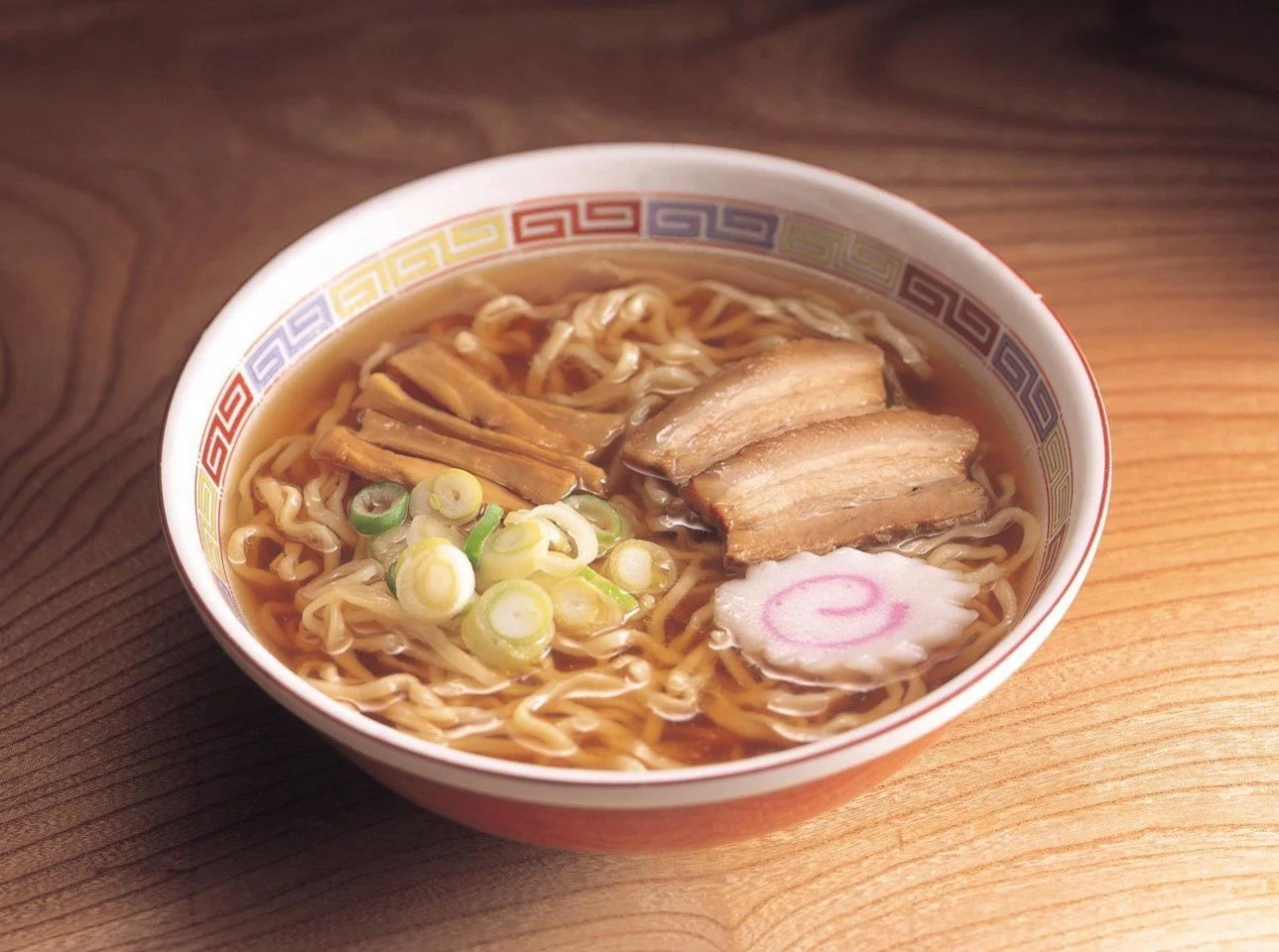
Nestled within Fukushima Prefecture, Kitakata is a small city known for its traditional kura storehouses, sake breweries, and enduring ramen culture. Despite its modest size, it has earned a place among Japan's most celebrated ramen destinations.
Kitakata ramen is often counted among Japan's "Big Three" regional ramen styles. It features a clear soy sauce-based broth made from pork bones, dried sardines, and other umami-rich ingredients, resulting in a soup that is both light and deeply flavourful.
Its defining characteristic is the thick, flat, hand-crumpled noodles, which provide a pleasantly chewy texture and absorb the broth exceptionally well.
(5) Wakayama Ramen (Wakayama)
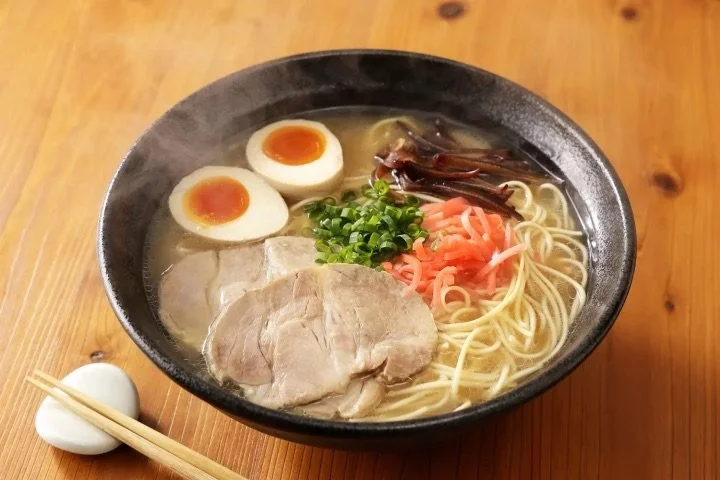
Source: Food in Japan
South of Osaka, Wakayama Prefecture is known for its rugged coastline, sacred pilgrimage routes, and thriving seafood culture. These influences have helped shape one of western Japan's most beloved ramen styles.
Wakayama ramen generally falls into two categories: lighter soy sauce-based broths and richer pork bone-soy sauce blends. The latter has become the city's signature style, combining the richness of tonkotsu with the savoury depth of shoyu.
Served with thin, straight noodles, the ramen is satisfying without feeling overly heavy. Many local shops also serve hayazushi or sushi rolls alongside the ramen, creating a dining tradition unique to the region.
(6) Onomichi Ramen (Hiroshima)
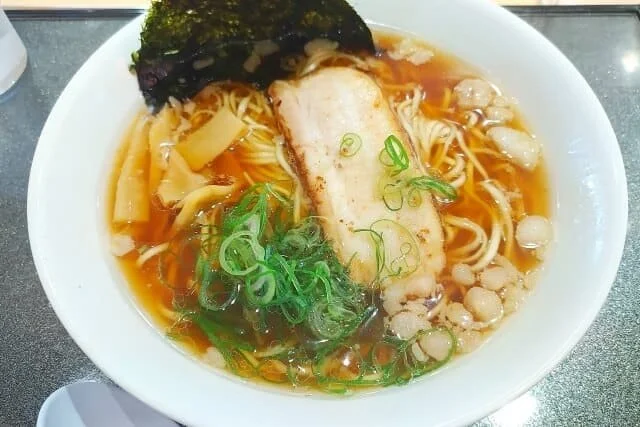
Source: Food in Japan
Overlooking the Seto Inland Sea, Onomichi is a charming port town in Hiroshima, known for its hillside temples, scenic cycling routes, and maritime heritage. Its coastal location has naturally influenced the flavours found in its local cuisine.
Onomichi ramen is distinguished by a clear soy sauce broth topped with small pieces of floating pork back fat. While this may sound heavy, the broth remains surprisingly clean and balanced.
A combination of chicken stock, seafood flavours, and soy sauce creates a layered yet delicate soup. Flat noodles and simple toppings allow the broth's complexity to take centre stage.
(7) Tokushima Ramen (Tokushima)
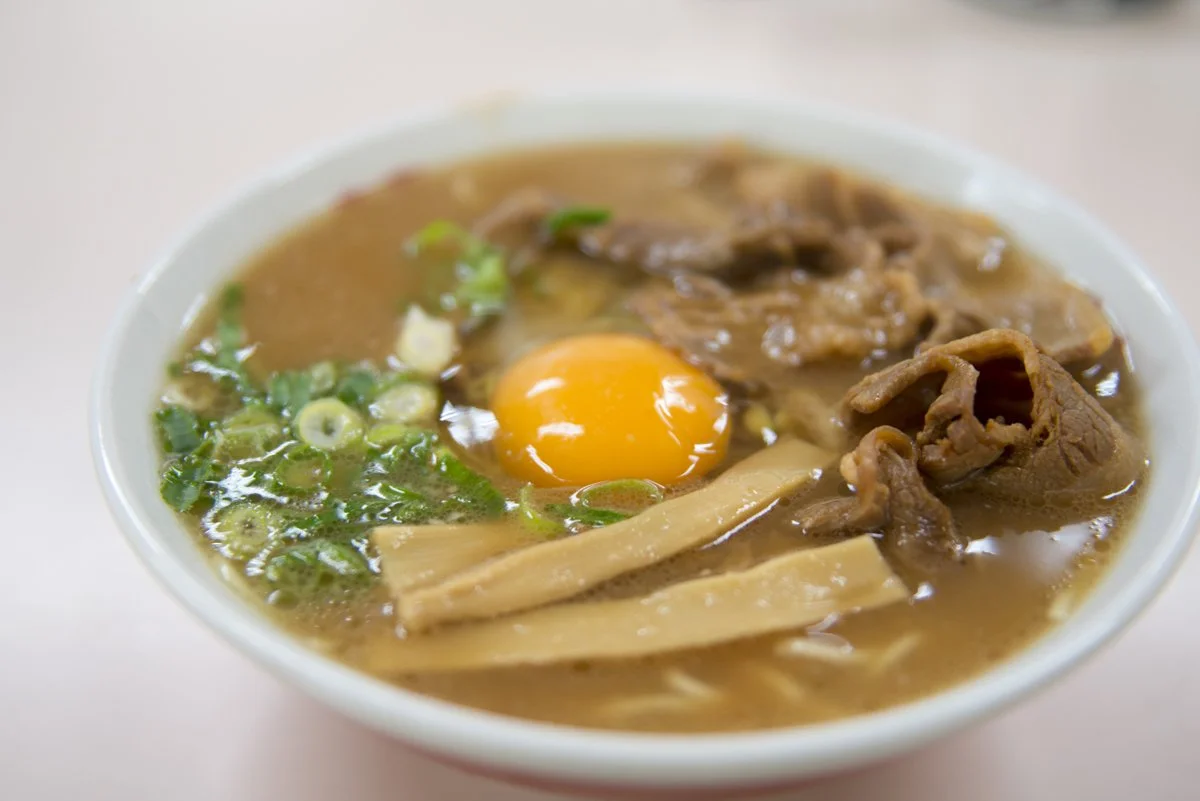
Source: Discover Tokushima
Located on Shikoku island, Tokushima Prefecture is known for its dramatic landscapes, scenic rivers, and lively Awa Odori festival. Its food culture often favours bold, robust flavours, a characteristic clearly reflected in its ramen.
Tokushima ramen is instantly recognisable for its dark broth, which combines pork bones and soy sauce to create a rich, sweet-savoury flavour profile.
The bowl is typically topped with thinly sliced pork belly simmered in a sweet soy sauce mixture, along with green onions and bamboo shoots. Many shops also add a raw egg, which melts into the broth and adds extra richness.
(8) Toyama Black Ramen (Toyama)
Source: Food in Japan
Facing the Sea of Japan, Toyama Prefecture is famous for its dramatic mountain scenery, fresh seafood, and abundant natural resources. It is also home to one of Japan's most visually striking ramen creations.
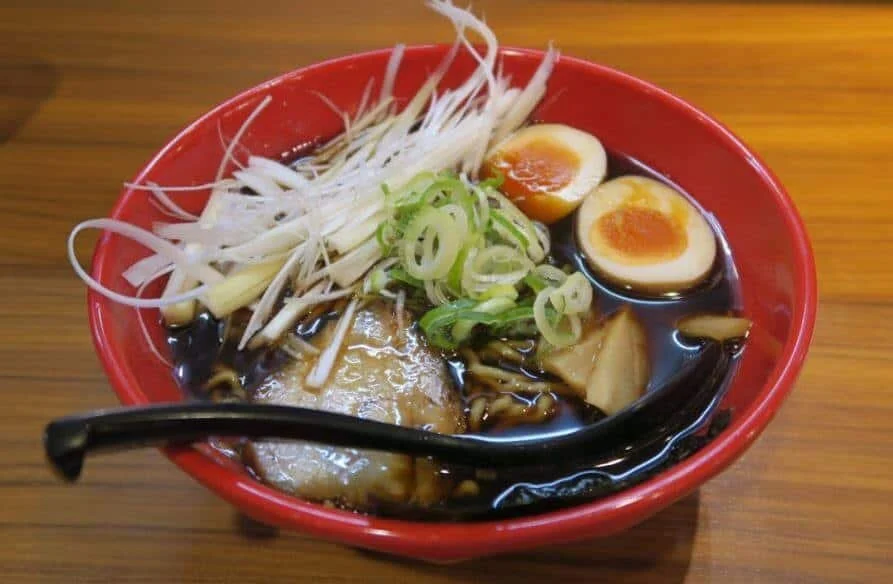
Toyama black ramen is named after its famously dark broth, which often surprises first-time visitors. Despite its appearance, the soup is not simply salty; it delivers a concentrated soy sauce flavour designed to satisfy hardworking labourers.
The broth is paired with thick noodles and often finished with generous amounts of black pepper, creating a bold and intensely savoury bowl.
(9) Yamagata Cold Ramen (Yamagata)
Source: Visit Yanagawa
Yamagata Prefecture is known for its orchards, hot springs, and snowy winters. However, the region also experiences hot summers, inspiring one of Japan's most innovative ramen styles.
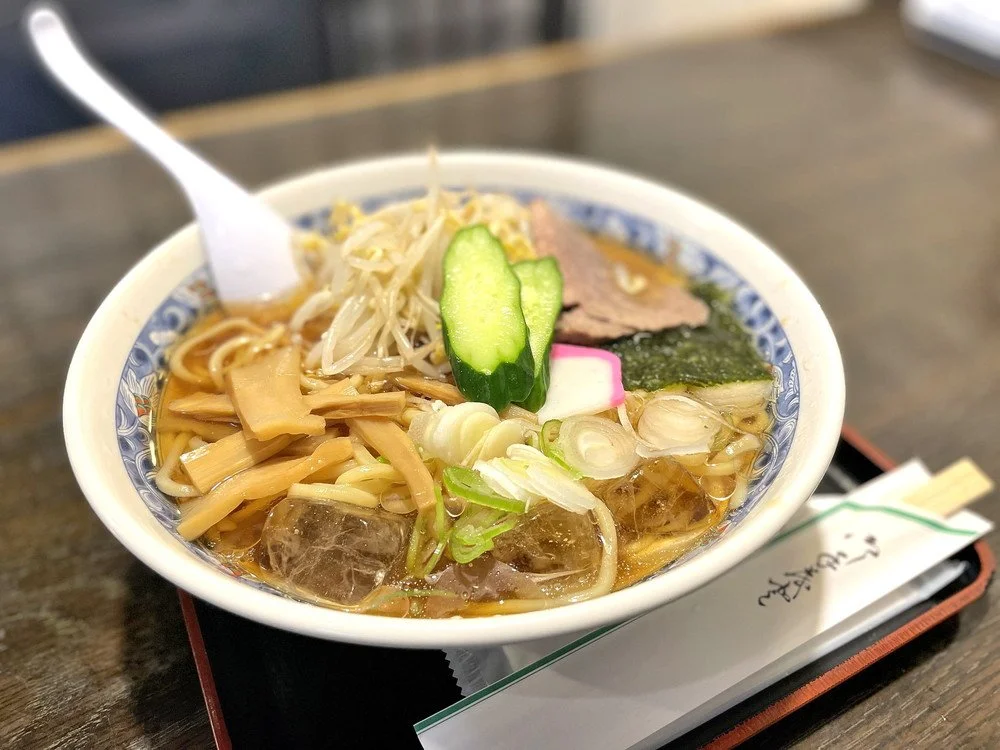
Yamagata is credited with creating hiyashi ramen, a chilled version of ramen designed to provide relief during warmer weather. Unlike cold noodle dishes that rely on dipping sauces, hiyashi ramen retains a fully developed broth.
The soup is carefully prepared to remain flavourful even when chilled, while toppings such as cucumber, chashu, and seasonal vegetables add freshness and texture.
(10) Kumamoto Ramen (Kumamoto)
Source: Food in Japan
Located in central Kyushu, Kumamoto is known for its historic castle, volcanic landscapes, and rich agricultural heritage. While often overshadowed by neighbouring Fukuoka, the city has developed a ramen style all its own.
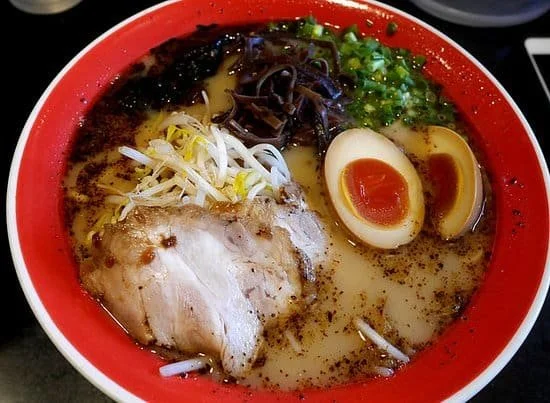
Kumamoto ramen shares tonkotsu roots with Hakata ramen but introduces several distinctive elements. The broth combines pork bones with chicken stock, creating a fuller and more layered flavour profile.
Its defining feature is the addition of burnt garlic oil and crispy garlic chips, which lend a smoky aroma and extra depth. Medium-thick noodles complement the richer broth, resulting in a hearty and satisfying bowl.
Ramen Beyond the Major Cities
For travellers willing to venture beyond Tokyo and Osaka, regional ramen offers a rewarding introduction to Japan's local flavours and food traditions. Each bowl reflects the unique character of its hometown, making every stop a culinary discovery.
Enjoyed reading our articles? Check out others below!


Experience Oita beyond its famous hot springs with scenic landscapes, local gourmet delights and unique experiences across Beppu and Yufuin.