
Kyoto Like a Local: 10 Slow Travel Experiences Away from the Crowds
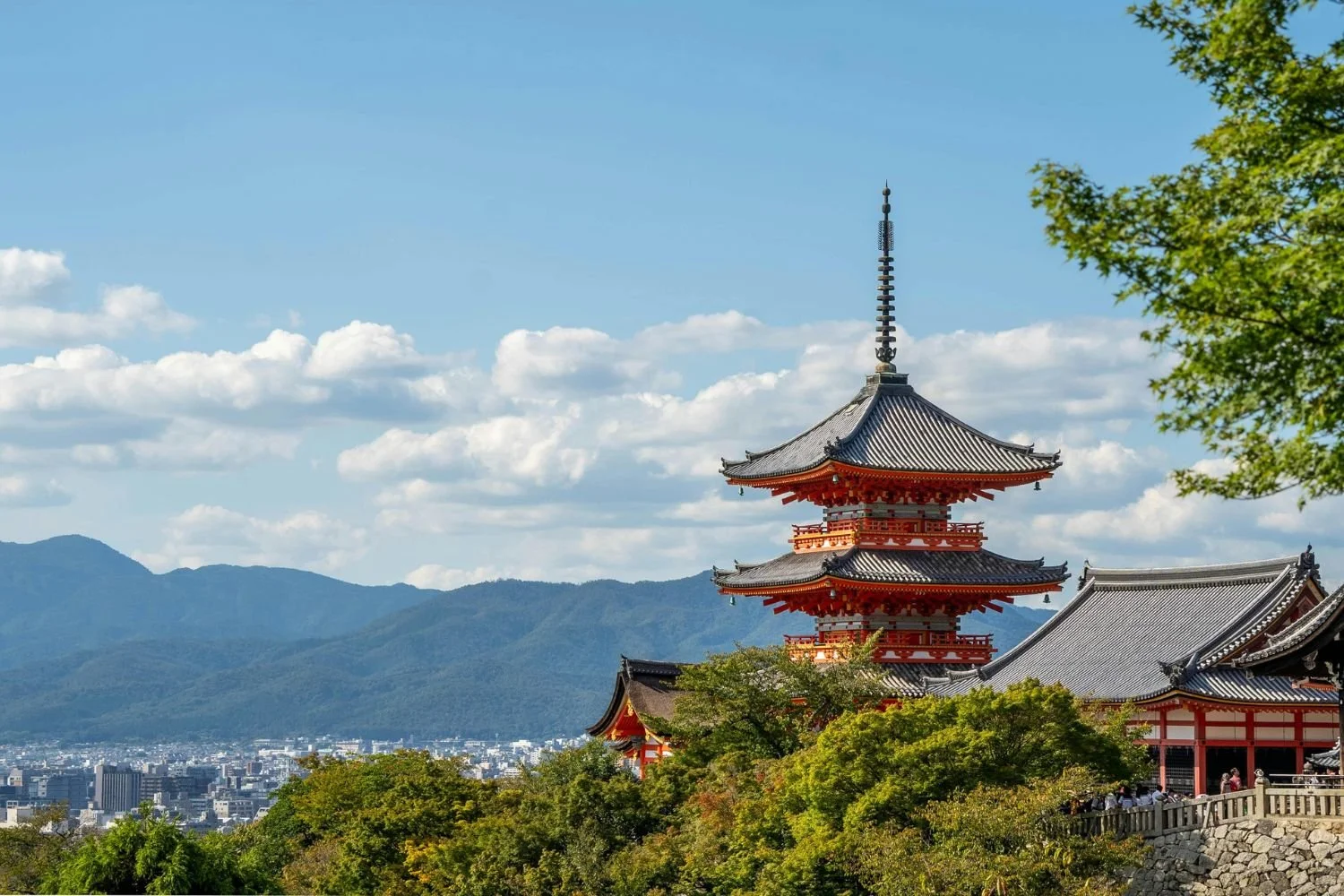
Kiyomizu-dera
Source: Canva
Looking for things to do in Kyoto beyond the usual tourist attractions? The ancient capital has much more to offer than its famous temples, shrines and scenic viewpoints. From cycling along the Kamo River to tasting seasonal wagashi and exploring traditional neighbourhoods, slow travel in Kyoto offers a chance to experience the city at a more relaxed pace.
While landmarks such as Kinkaku-ji and Fushimi Inari Taisha remain essential for first-time visitors, some of the most memorable Kyoto experiences can be found away from the crowds. Quiet shrine grounds, riverside walks, local food traditions and hands-on crafts reveal a more intimate side of the city and its everyday culture.
For travellers seeking unique things to do in Kyoto, here are 10 slow travel experiences that offer a closer look at local life, seasonal traditions and the quieter side of Japan's ancient capital.
(1) Start the Morning at a Shrine
(2) Try Aburi-Mochi at Imamiya Shrine
(3) Wind Down at the Kamo River
(4) Explore Kyoto by Bicycle
(5) Visit Kyoto Botanical Gardens
(6) Discover Nishijin's Traditional Textile Culture
(7) Collect Goshuin as a Meaningful Kyoto Keepsake
(8) Taste Seasonal Wagashi
(9) Attend a Traditional Craft Workshop
(10) Explore Kyoto by Season
(1) Start the Morning at a Shrine
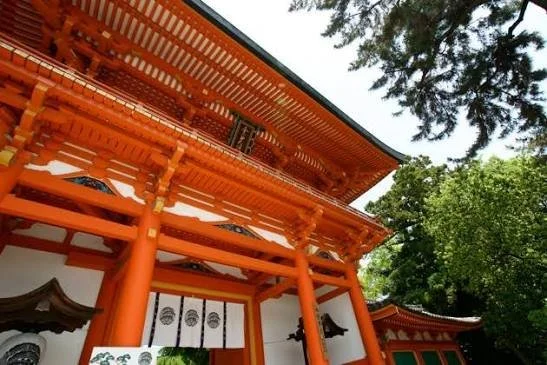
Imamiya Shrine
Source: Imamiya Shrine
Starting the day at a Kyoto shrine offers a quieter alternative to visiting popular sights later in the morning. Before the crowds arrive, shrine grounds can feel calm and unhurried, with the sounds of footsteps, birds and morning rituals creating a peaceful start to the day.
Imamiya Shrine in northern Kyoto is a particularly interesting choice. Its origins date back to the Heian period, when rituals were held to pray for protection from epidemics. The shrine remains closely associated with local traditions, including the annual Yasurai Festival in April, which is held as a prayer for protection from illness.
A morning visit also leaves time to appreciate the details that can be overlooked during a busy sightseeing itinerary, from the shrine's architecture and wooded grounds to the surrounding neighbourhood.
Location: 21 Murasakino Imamiyacho, Kita Ward, Kyoto, 603-8243, Japan
Opening hours: 9am - 5pm daily
Website
(2) Try Aburi-Mochi at Imamiya Shrine
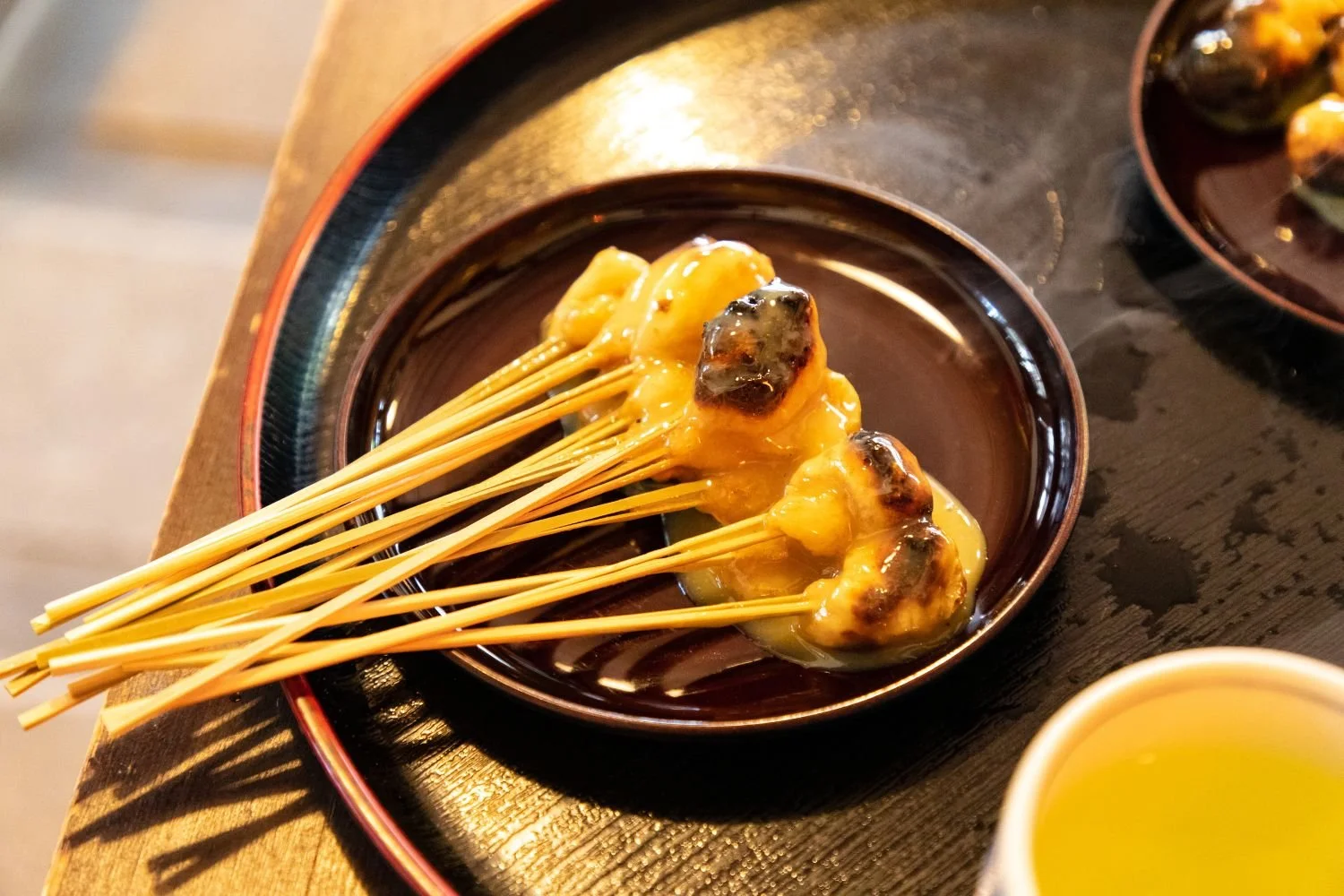
Aburi-Mochi
Source: Canva
Just outside Imamiya Shrine, aburi-mochi offers one of Kyoto's most distinctive food experiences.
Small pieces of mochi are skewered and grilled over charcoal until lightly charred, then served with a sweet white miso sauce. The smoky aroma is part of the appeal, often drawing attention before the first bite.
The tradition is said to date back centuries, and aburi-mochi has long been associated with prayers for protection from illness. Today, enjoying freshly grilled rice cakes with a cup of tea remains a simple way to experience Kyoto's food culture while exploring the area around Imamiya Shrine.
(3) Wind Down at the Kamo River
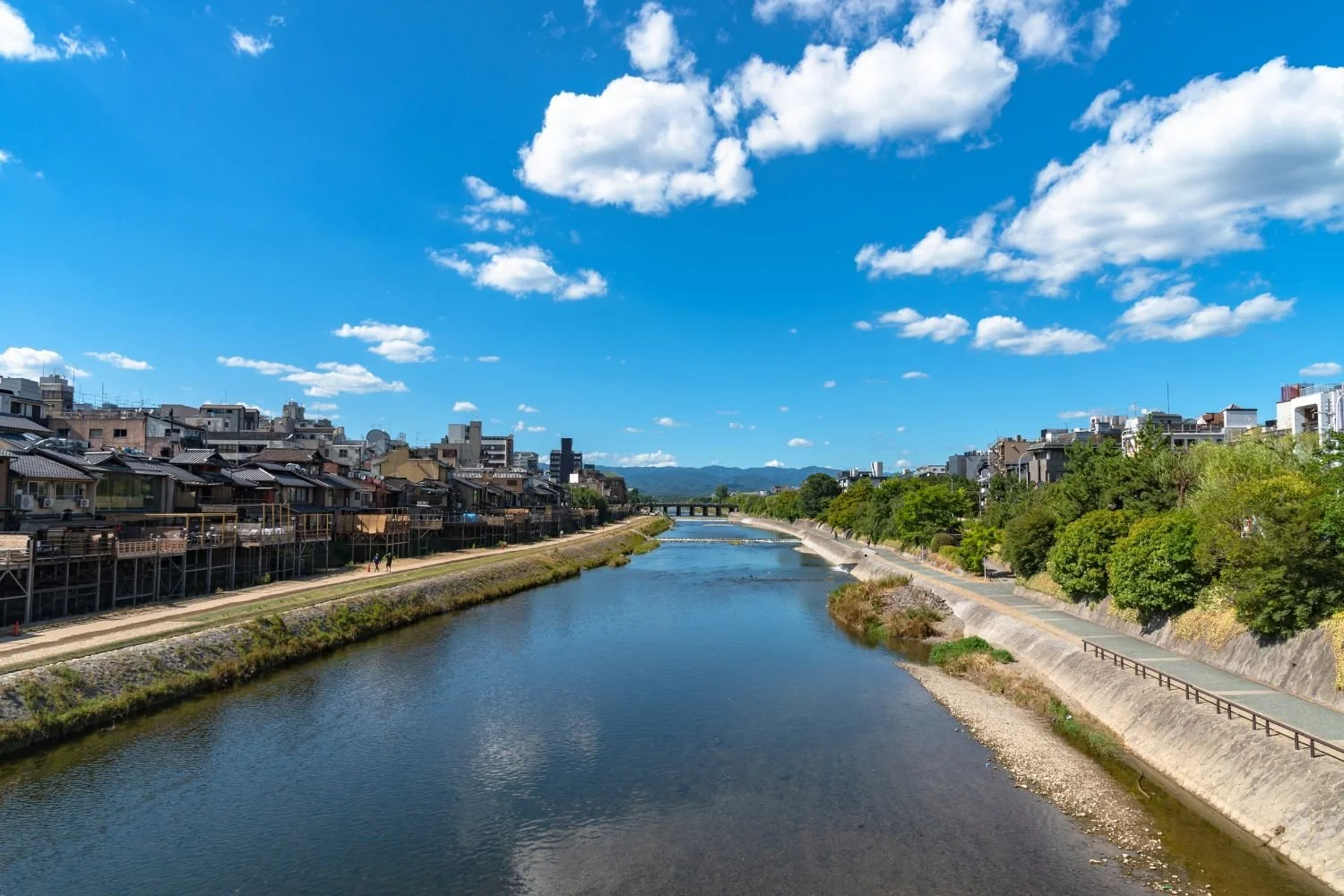
Kamo River
Source: Canva
The Kamo River is an ideal place to take a break from Kyoto's sightseeing circuit and simply watch the city go by.
The riverbanks are part of everyday life for local residents, who use them for running, cycling, walking, exercising and meeting friends. In the morning, regular walkers and runners often exchange greetings, while the atmosphere becomes more relaxed as people gather along the river throughout the day.
Look out for the distinctive turtle-shaped stepping stones, known as tobi-ishi, which cross sections of the river. Find a quiet spot beside the water, take a leisurely walk or simply sit and enjoy the changing scenery. During cherry blossom season, the riverbanks become especially lively, with locals spreading picnic sheets beneath the trees.
Convenient train stations along the banks: Gion-Shijo, Sanjo, Kiyomizu-Gojo, and Demachiyanagi on the Keihan Main Line
(4) Explore Kyoto by Bicycle
Source: Kyoto Travel
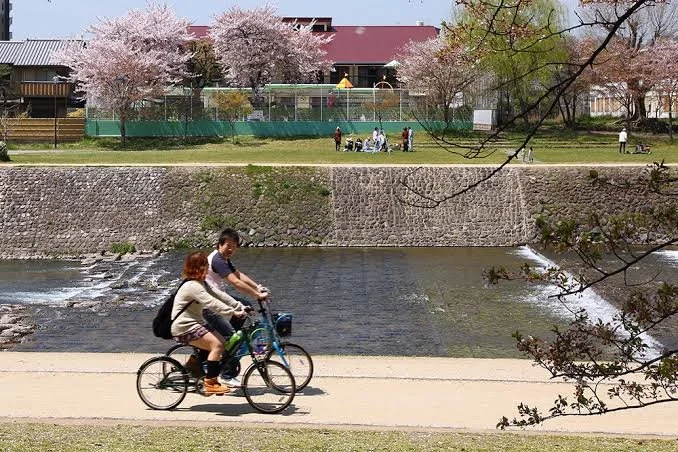
Cycling offers a different perspective on Kyoto, turning the journey between attractions into part of the experience.
Northern Kyoto is particularly rewarding for this kind of exploration. Routes around Kitaoji, Kamigamo, Kitayama, Nishijin and Daitoku-ji move through a mixture of historic sites, traditional architecture, quiet residential streets and local shops. The city gradually changes around the rider, with busy avenues giving way to smaller streets and neighbourhoods that rarely feature on a first-time itinerary.
The Kamo River also provides a scenic backdrop for cycling, especially in spring and autumn. Further upstream, the landscape becomes greener and more rural, although some stretches can be uneven or unpaved.
Cycling allows Kyoto to unfold between destinations rather than simply providing a way to get from one to another. It is this sense of movement, discovery and changing scenery that makes exploring the city on two wheels particularly suited to a slower style of travel.
(5) Visit Kyoto Botanical Gardens
Kyoto Botanical Gardens
Source: Canva
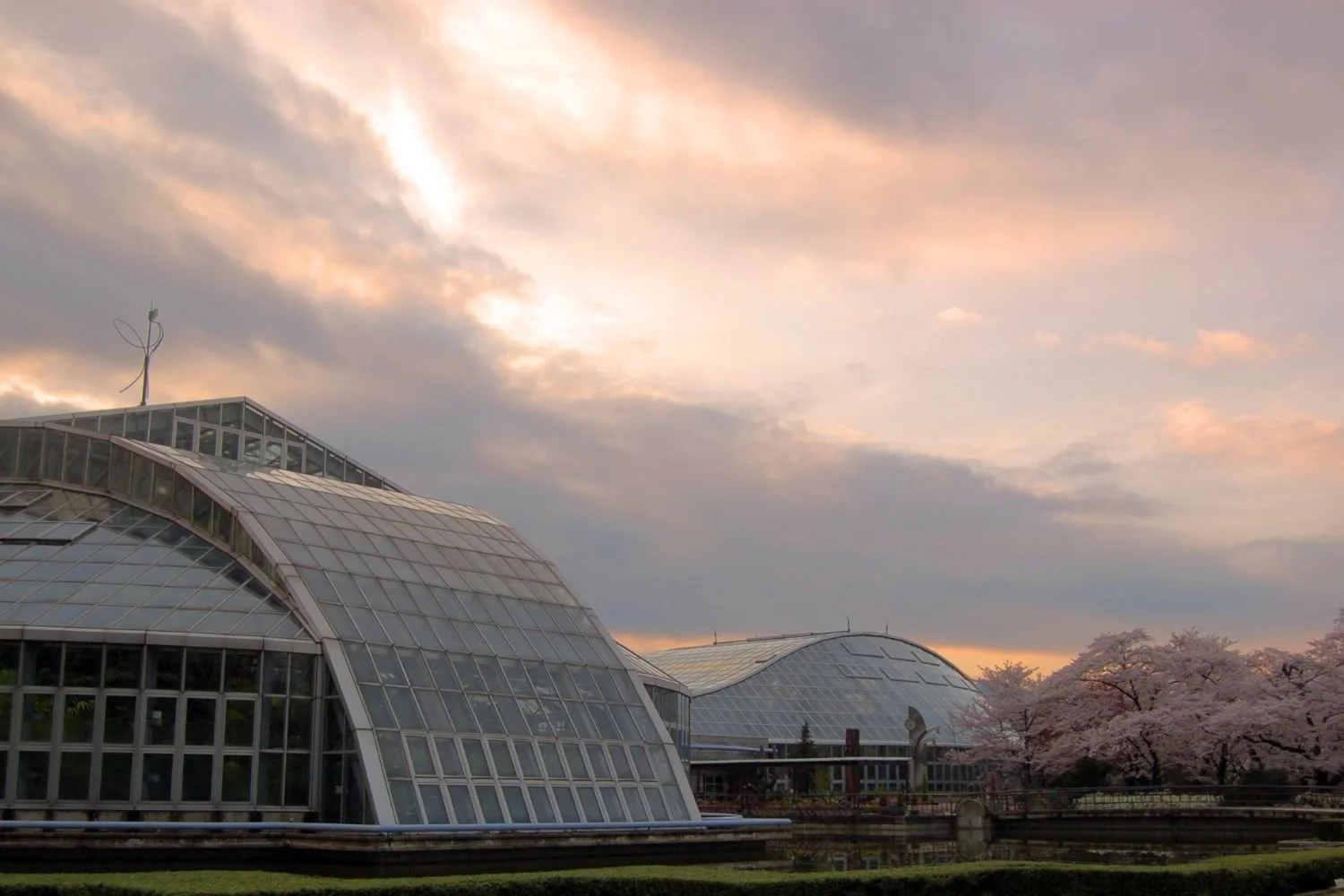
Kyoto Botanical Gardens offers a welcome change of scenery from the city's temples, shrines and historic streets.
Established in 1924, it is recognised as Japan's oldest public botanical garden. Its extensive grounds contain roughly 10,000 plant species, while the large conservatory introduces plants from different regions and climates.
The gardens are especially appealing for experiencing Kyoto through the seasons. Spring brings flowers and fresh greenery, while summer, autumn and winter each transform the landscape in different ways. Spacious lawns and quiet paths create a distinctly unhurried atmosphere, making the gardens an ideal complement to a day spent exploring northern Kyoto.
Location: Shimogamo Hangicho, Sakyo Ward, Kyoto, 606-0823, Japan
Opening hours: 9am - 5pm daily
Website
(6) Discover Nishijin's Traditional Textile Culture
Nishijin Weaving
Source: Canva
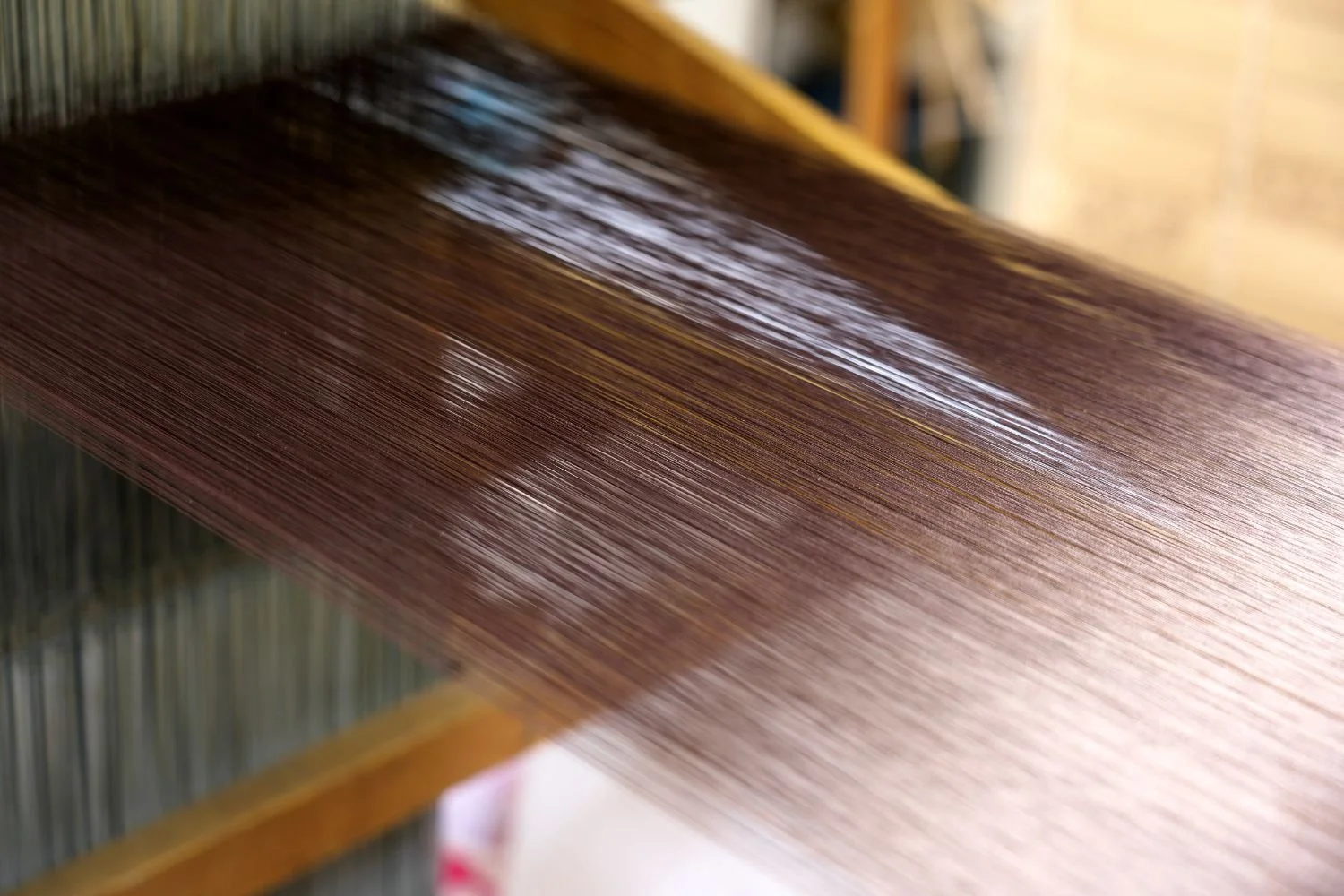
Nishijin is one of the best places to discover the city's long connection with textile craftsmanship.
The northern Kyoto district is particularly known for Nishijin-ori, intricate woven textiles traditionally used for kimono and obi. Its streets reveal a mixture of traditional wooden townhouses, small workshops, textile-related businesses and quiet residential areas shaped by generations of craftsmanship.
The appeal of Nishijin lies in seeing this heritage as part of a living neighbourhood rather than a display behind glass. The techniques may be centuries old, but the craft remains connected to contemporary Kyoto through artisans, workshops and businesses.
(7) Collect Goshuin as a Meaningful Kyoto Keepsake
Goshuin
Source: Canva
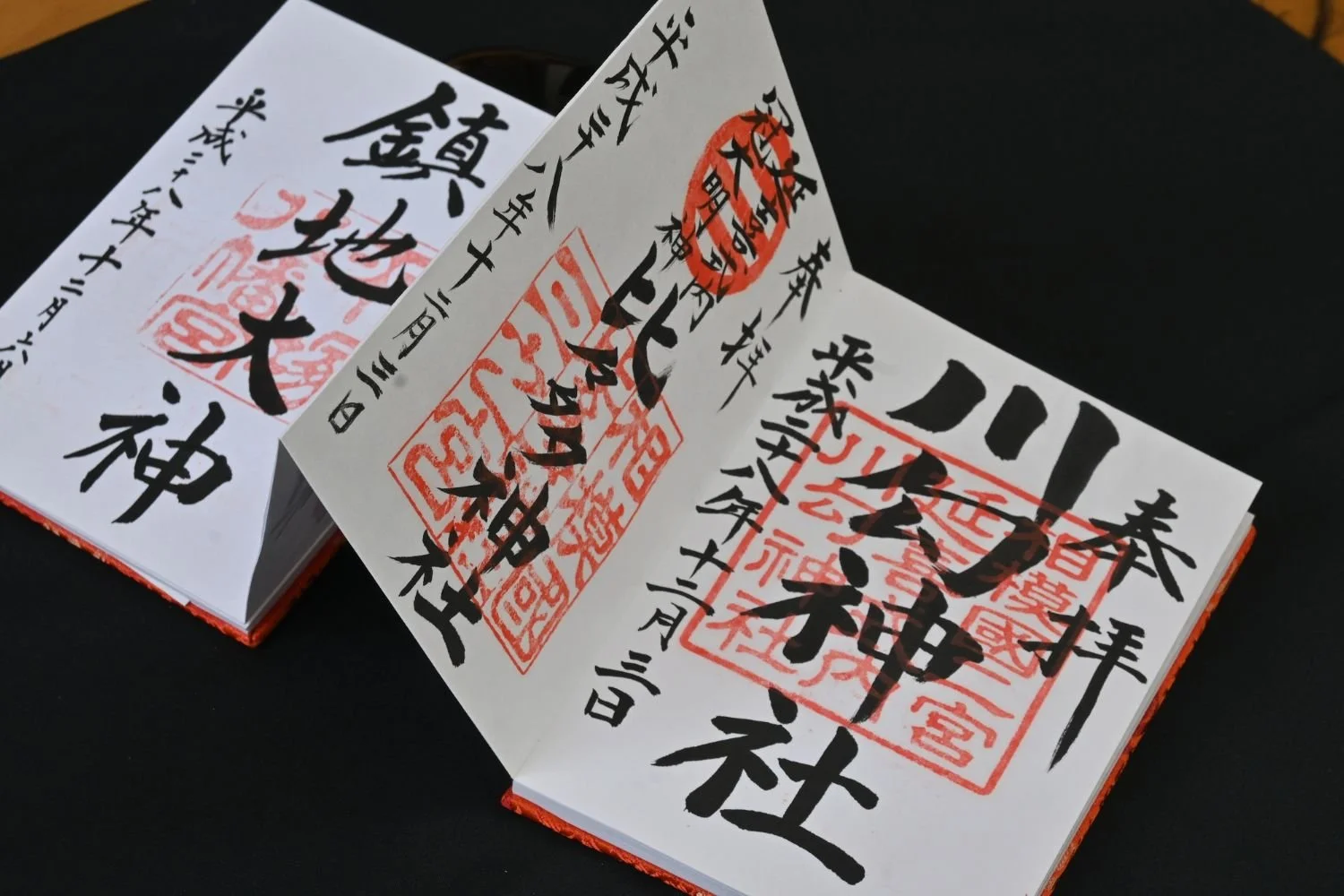
A Kyoto temple or shrine visit can become part of a longer personal collection through goshuin.
A goshuin is a handwritten inscription and stamp received at participating temples and shrines, usually recorded in a dedicated goshuin-cho. Each inscription is distinctive, often combining elegant calligraphy with the name of the temple or shrine and the date of the visit.
For many travellers, the appeal goes beyond collecting the stamps themselves. Each page becomes a record of places visited and moments experienced, linking a physical keepsake with Kyoto's religious and cultural heritage.
As goshuin are religious inscriptions rather than ordinary tourist stamps, the practice is best approached with the same respect given to the temples and shrines themselves.
(8) Taste Seasonal Wagashi
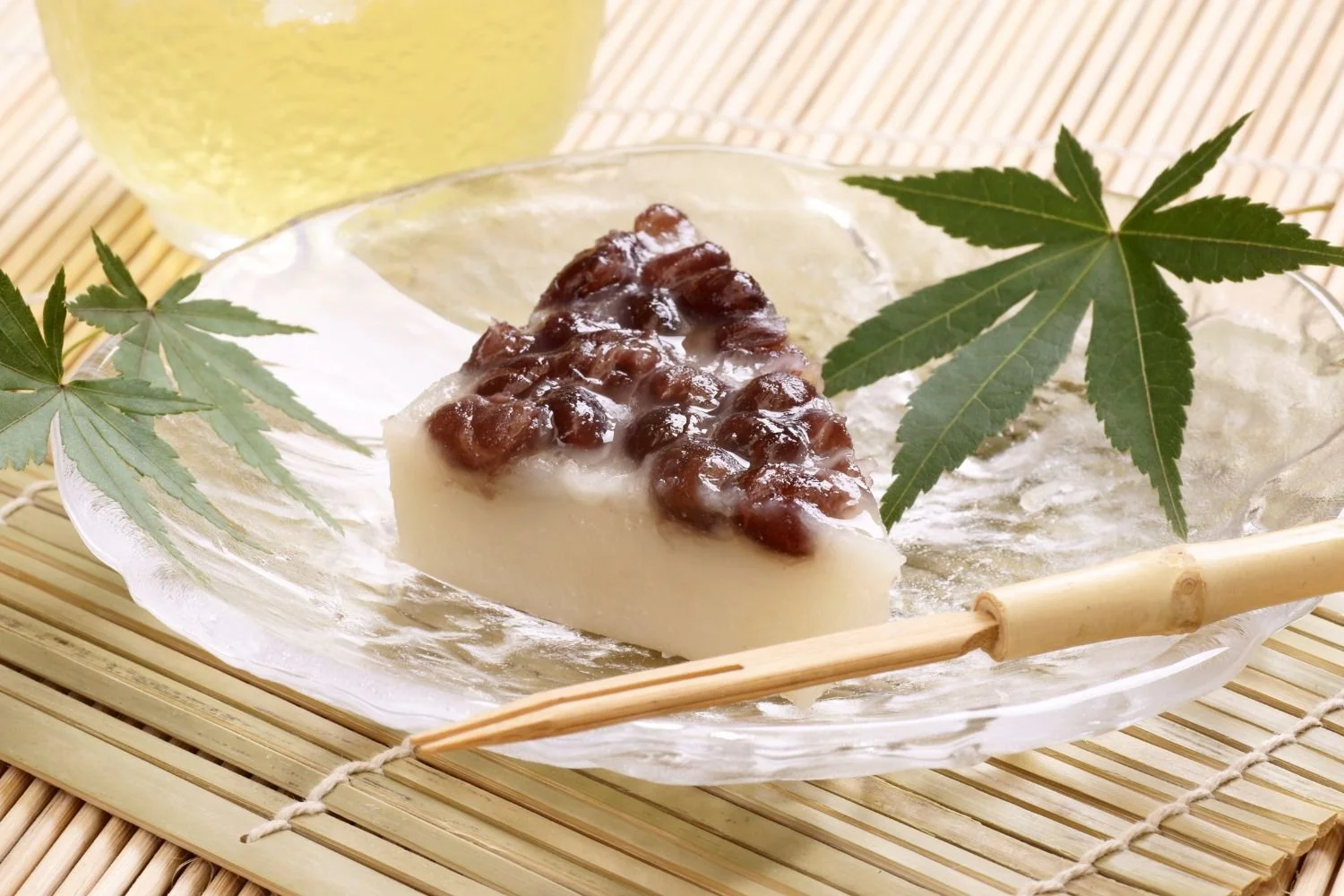
Minazuki
Source: Canva
Kyoto's traditional sweets offer a delicious way to experience the changing seasons.
Wagashi often reflects the time of year through its ingredients, colours, shapes and names, making each sweet part of a much larger seasonal tradition.
One particularly distinctive example is minazuki, a triangular steamed sweet topped with azuki beans. Traditionally eaten on June 30 during Nagoshi no Harae, the mid-year purification ritual, its shape is associated with ice and its red beans with protection from misfortune.
Summer also brings warabimochi, prized for its soft, delicate texture. Different specialty shops offer their own versions, making the sweet an enjoyable discovery while exploring Kyoto's neighbourhoods.
(9) Attend a Traditional Craft Workshop

Kyo-yuzen textile
Source: Kogei Japan
Behind every intricate pattern and finely finished surface of Kyoto's traditional crafts is a process shaped by patience, precision and generations of knowledge.
Kyo-yuzen, Kyoto's traditional silk-dyeing craft, offers a glimpse into this world. The technique is known for its detailed patterns and rich colours, traditionally used to create elaborate kimono fabrics. In a workshop setting, the craft becomes more tangible as participants can work with traditional techniques to create personalised pieces such as handkerchiefs, accessories or noren (short curtain hung at door).
(10) Explore Kyoto by Season
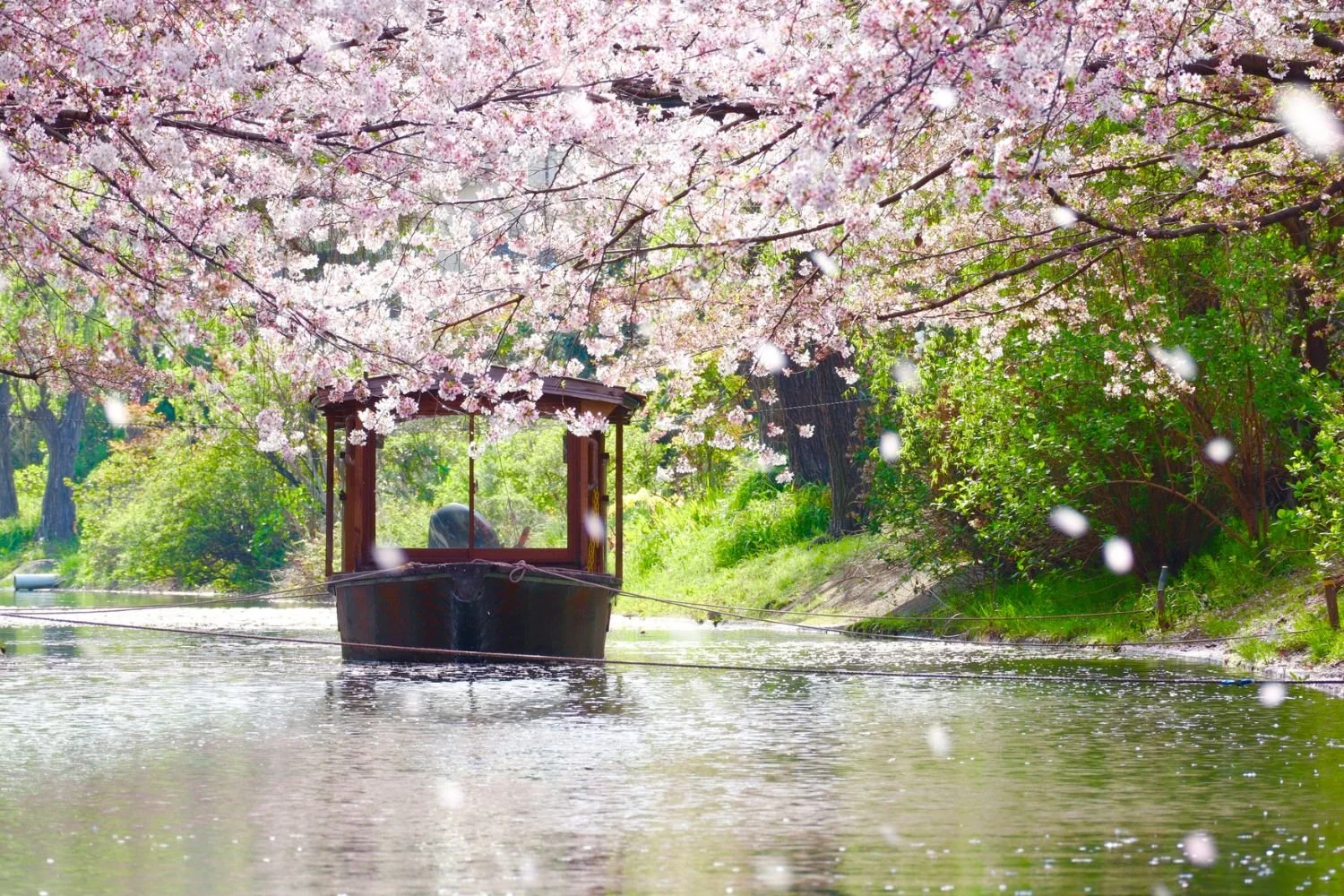
Source: Canva
Kyoto is a city that changes with the calendar. The same temple, riverbank or neighbourhood can feel entirely different depending on the season, with nature, food and local traditions constantly reshaping the city around it.
Spring brings cherry blossoms along the Kamo River, where flowering trees frame the water and locals gather for leisurely picnics. Around the city's temples and shrines, evening illuminations add another dimension to the season, turning familiar historic scenery into something almost dreamlike.
Summer draws people towards Kyoto's rivers and mountain streams. In Kibune, kawadoko dining platforms sit directly above the cool waters, offering a refreshing setting for a meal. At Shimogamo Shrine, the Mitarashi Festival brings an ancient purification ritual to life as visitors wade through the icy waters of Mitarashi Pond.
Autumn paints Kyoto in shades of red, orange and gold. Maple foliage transforms temple gardens and mountain paths, while the Eizan Railway's famous Momiji Tunnel offers a particularly atmospheric way to experience the season, with trains passing through a canopy of illuminated autumn leaves.
Winter reveals a quieter Kyoto. Snow-covered Kinkaku-ji is a rare and almost ethereal sight, while the colder months invite a different kind of pleasure: warming bowls of yuba, rich matcha desserts and cosy moments inside traditional machiya.
The Joy of a Slower Kyoto
Kyoto becomes even more enchanting when there is time to enjoy the journey itself. Wander through its neighbourhoods, savour its seasonal traditions and discover the details that make each visit distinctive.
With so many layers to uncover, a slower journey does not mean seeing less. It means finding more of what makes Kyoto special.
Enjoyed reading our articles? Check out others below!


Discover a quieter side of Kyoto through 10 slow travel experiences, from neighbourhood shrines and seasonal wagashi to traditional crafts, cycling and riverside moments.