
Japan in Autumn: 10 Best Places to Visit for Foliage, Food & Culture
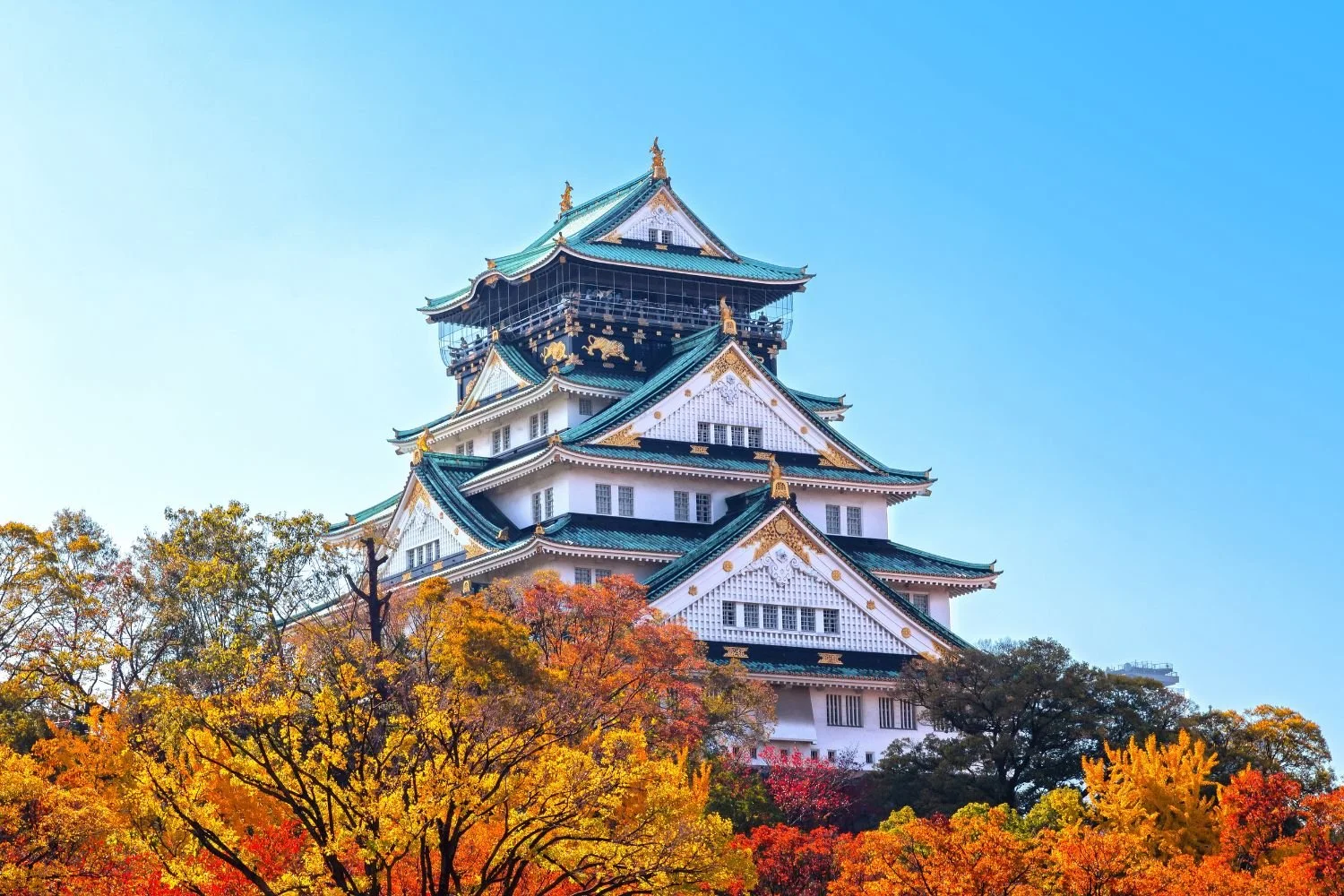
Osaka Castle
Source: Canva
As summer fades, cooler temperatures arrive, mountains and gardens turn shades of red and gold, and seasonal ingredients begin appearing on menus across the country. From northern Hokkaido to southern Kyushu, autumn arrives at different times, creating a long season for exploring Japan.
But autumn in Japan is about more than koyo, or autumn foliage. It is also a season of harvests, regional food, festivals, scenic train journeys, onsen and cultural experiences.
For travellers planning a Japan trip between September and November, these 10 destinations offer a rewarding mix of autumn scenery, seasonal flavours and local culture.
September
(1) Hokkaido: Early Autumn Colours & Harvest Flavours
(2) Tohoku: Scenic Autumn Roads, Hot Springs & Regional Food
(3) Nagano: Mountain Landscapes, Soba & Onsen
October
(4) Nikko Mountain Foliage, Shrines & Yuba Cuisine
(5) Takayama: Autumn Festival, Old Town & Hida Beef
(6) Kanazawa: Autumn Gardens, Seafood & Traditional Craft
(7) Hiroshima & Miyajima: Maple Leaves, Oysters & Island Culture
November
(8) Kyoto: Temple Gardens, Seasonal Cuisine & Tea Culture
(9) Nara: Nara: Ancient Temples, Autumn Foliage & Local Flavours
(10) Kurokawa Onsen & Yufuin: Autumn Foliage with a Hot Spring Escape
September
(1) Hokkaido: Early Autumn Colours & Harvest Flavours
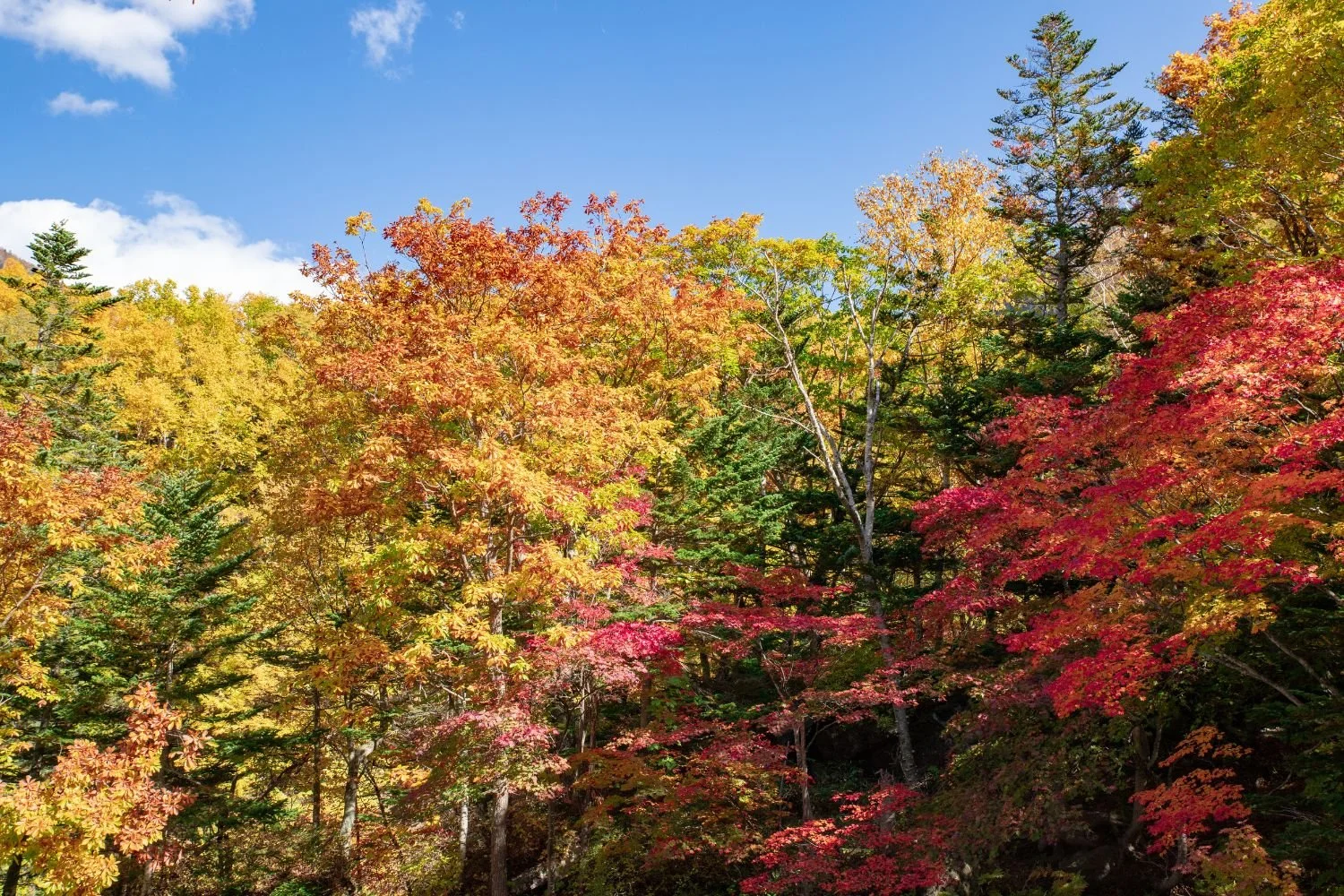
Sounkyo, Hokkaido
Source: Canva
Autumn arrives earlier in Hokkaido than in much of Japan, making the northern island one of the first places to see the season's colours.
Daisetsuzan National Park is among the earliest areas to experience autumn foliage, with colours beginning as early as September in some higher-altitude areas.
September also marks the beginning of Hokkaido's harvest season, bringing fresh produce and seafood to markets and restaurants. Hokkaido is particularly known for seafood such as salmon, scallops, crab and roe, while potatoes, pumpkins, corn and other produce are also important to the island's food culture.
For travellers who enjoy both nature and food, autumn offers an opportunity to experience Hokkaido before the island transforms into its famous winter landscape.
(2) Tohoku: Scenic Autumn Roads, Hot Springs & Regional Food
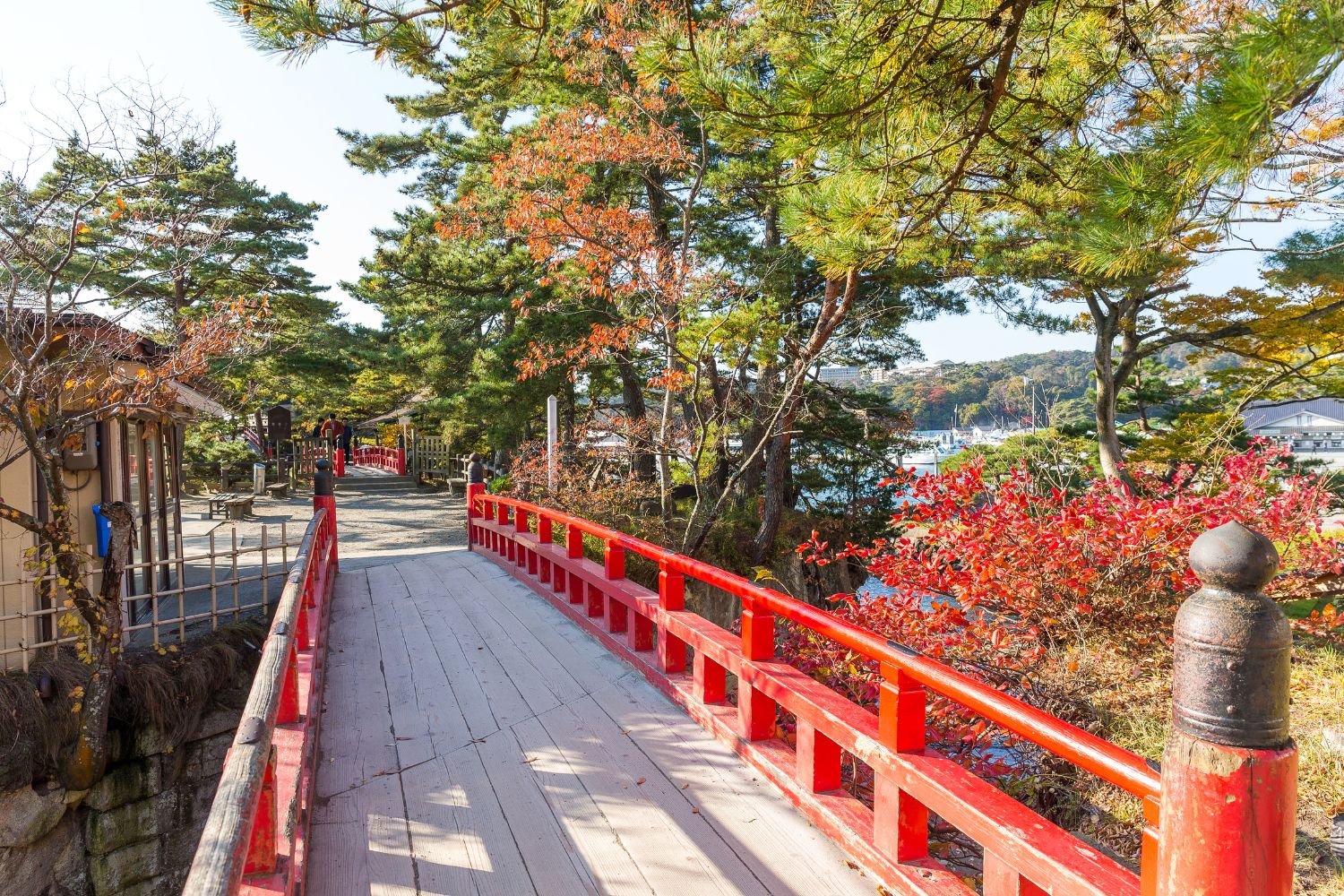
Matsushima, Miyagi
Source: Canva
Tohoku's expansive mountains, forests and countryside make it well suited to scenic autumn road trips. In September, higher-elevation areas begin showing the first signs of the season, while winding roads and mountain landscapes offer a quieter alternative to Japan's better-known autumn destinations.
The region is also rich in regional food, with local rice, apples, mushrooms, seafood and sake reflecting the area's agricultural and coastal landscapes. Autumn harvests bring particularly fresh flavours to local restaurants and markets and roadside.
After a day of exploring, Tohoku's traditional hot spring towns provide a relaxing way to experience the changing season. The combination of scenic drives, onsen and regional cuisine makes the region especially appealing for travellers looking beyond the usual tourist routes.
(3) Nagano: Mountain Landscapes, Soba & Onsen
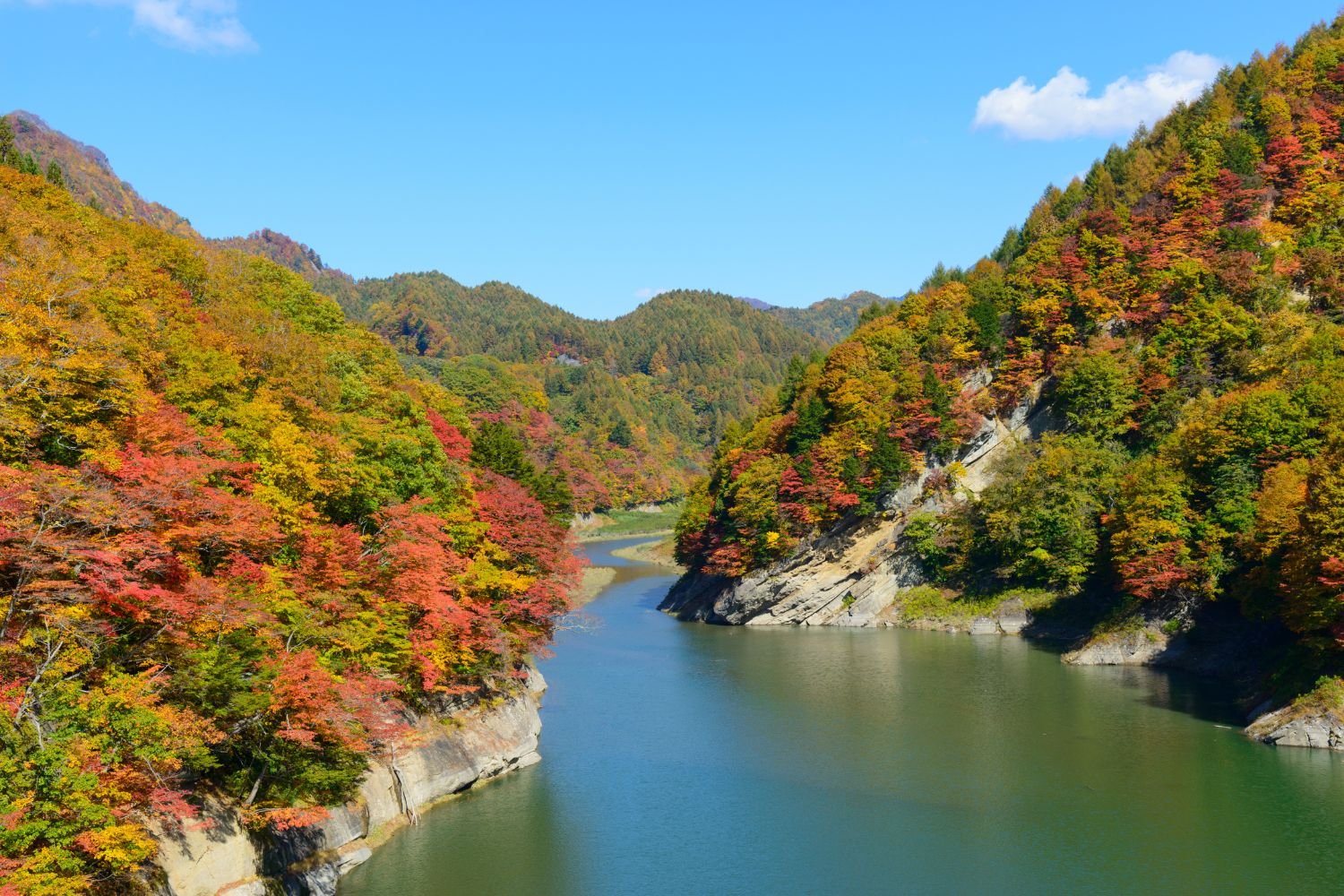
Okususobana Canyon, Nagano
Source: Canva
Nagano's dramatic mountain landscapes make it one of Japan's most rewarding destinations for an autumn escape. Higher elevations begin changing colour earlier, with areas around the Northern Alps offering spectacular scenery for hiking, sightseeing and scenic drives.
Autumn is also a delicious time to explore Nagano's local cuisine. The prefecture is known for Shinshu soba, apples, mushrooms and other mountain produce, giving travellers plenty of opportunities to taste the flavours of the season.
With numerous hot spring towns scattered across its mountainous landscape, Nagano is also ideal for combining outdoor experiences with relaxation. A day among autumn scenery followed by a soak in a traditional onsen captures the slower side of the season.
October
(4) Nikko: Mountain Foliage, Shrines & Yuba Cuisine
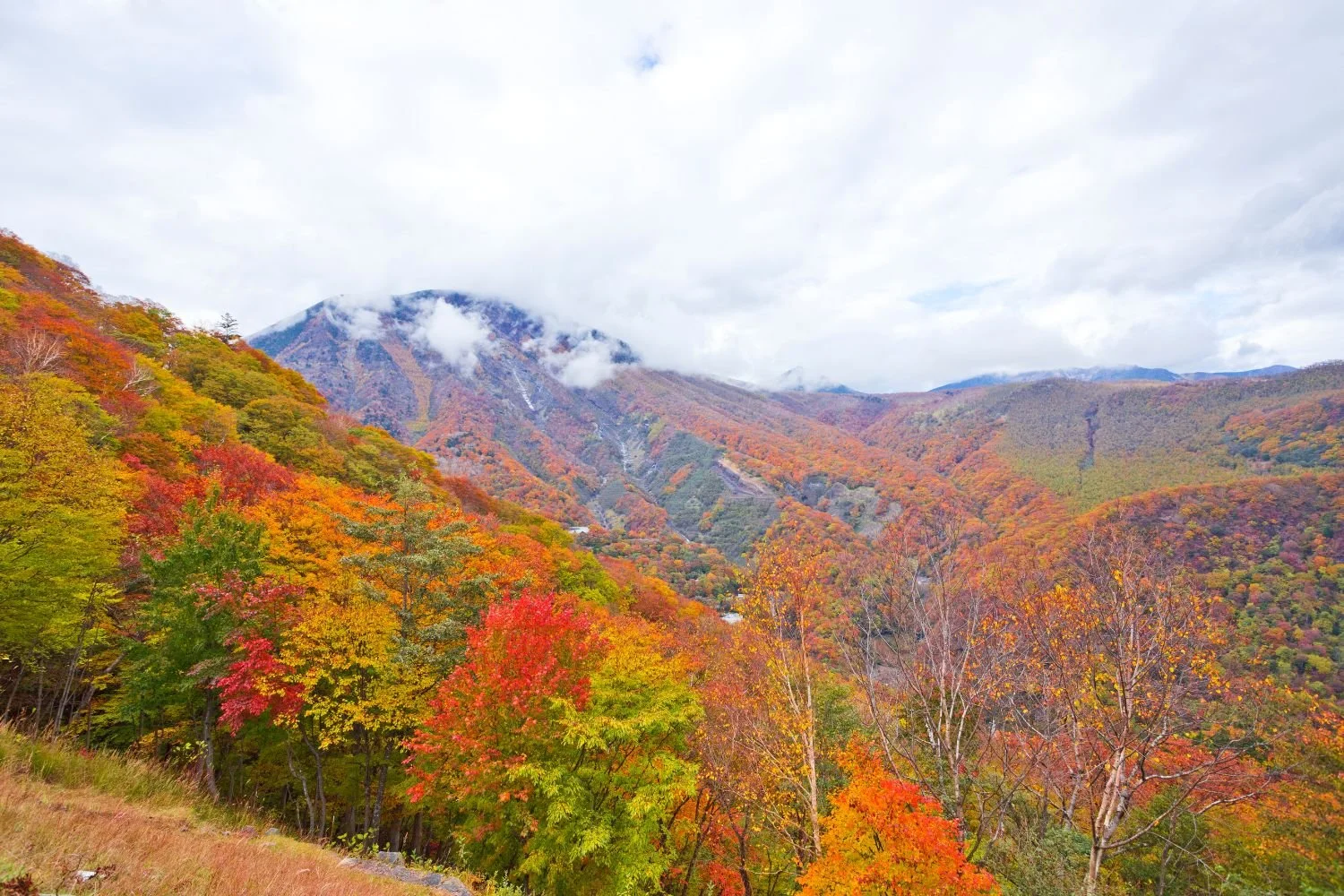
Nikko National Park
Source: Canva
October brings vibrant foliage to Nikko's mountain landscapes, particularly around Lake Chuzenji and Kegon Falls. The combination of colourful forests, waterfalls and lakes creates some of the most scenic autumn views within easy reach of Tokyo.
Nikko's autumn scenery is complemented by its remarkable cultural heritage. The ornate Nikko Toshogu Shrine and surrounding temples and shrines offer a glimpse into Japan's history and religious traditions, set against a forested mountain backdrop.
Food is another part of the experience, with yuba being one of Nikko's best-known local specialities. The delicate tofu skin appears in everything from traditional set meals to soups and noodle dishes, offering a taste of Nikko's distinctive local cuisine.
(5) Takayama: Autumn Festival, Old Town & Hida Beef
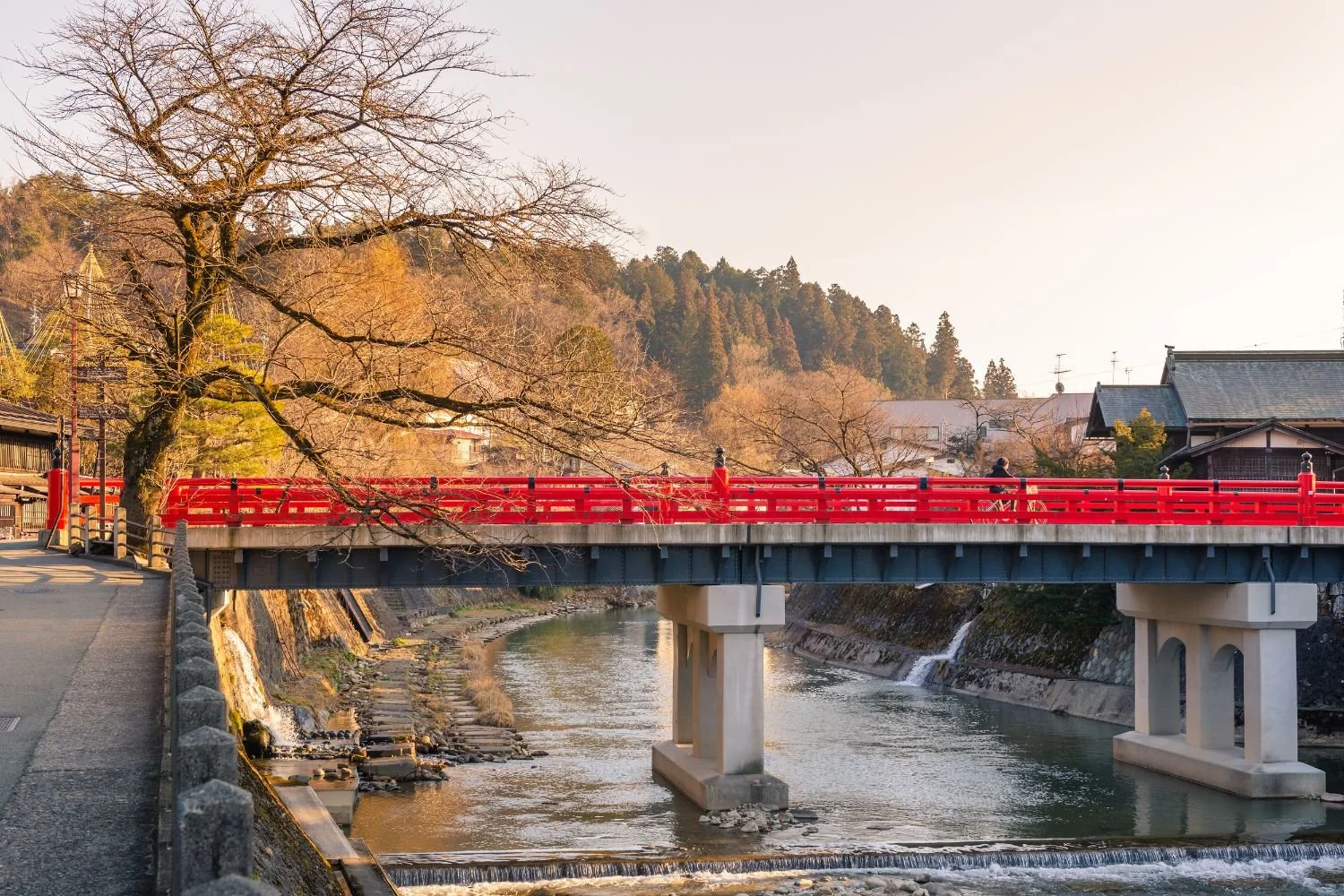
Nakabashi Bridge, Takayama
Source: Canva
October is one of the best times to experience Takayama, particularly during the Takayama Autumn Festival on October 9 and 10. Elaborately decorated floats, traditional performances and processions bring the historic mountain town to life during one of Japan's most celebrated autumn festivals.
Beyond the festival, Takayama's beautifully preserved old town offers traditional wooden buildings, sake breweries and small shops that reflect the character of the former Hida region. The surrounding mountain scenery adds another layer of seasonal beauty.
Food is central to the Takayama experience, with Hida beef among the region's most famous specialities. Pair it with local soba, mountain vegetables or regional sake for a taste of Hida's distinctive autumn cuisine.
(6) Kanazawa: Autumn Gardens, Seafood & Traditional Craft
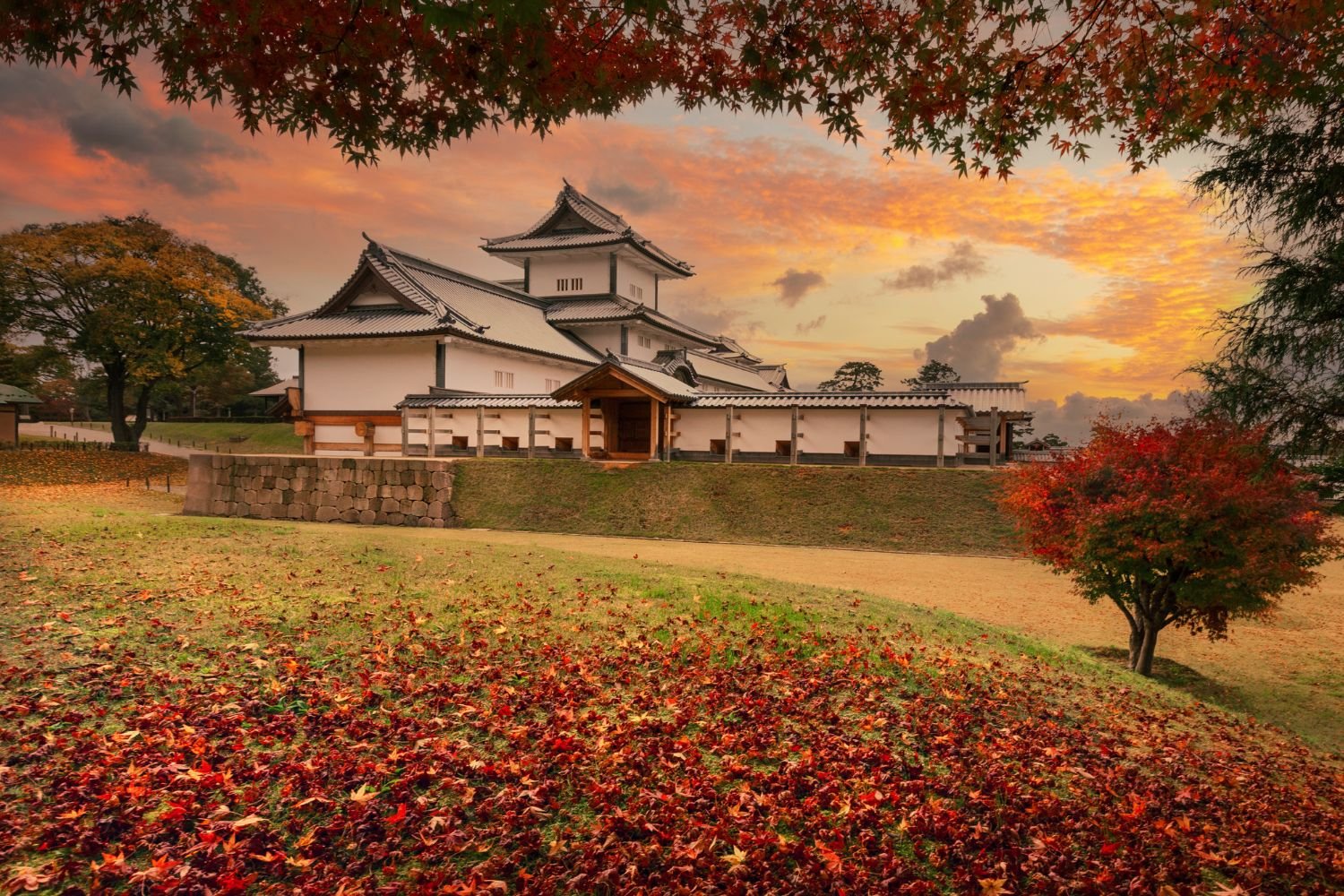
Kanazawa Castle Park
Source: Canva
Kanazawa combines autumn scenery with refined food and traditional craftsmanship. Kenrokuen, one of Japan's most celebrated landscape gardens, offers a beautiful setting for seasonal foliage, while the historic Higashi Chaya district provides a glimpse into the city's long-standing tea-house culture.
Autumn is also a good time to explore Kanazawa's seafood, with fresh catches from the Sea of Japan appearing across local restaurants and markets. Seasonal wagashi and tea offer another way to experience the flavours and aesthetics of the season.
The city's traditional crafts add a cultural dimension to an autumn visit. Gold leaf, lacquerware, ceramics and other artisanal traditions remain closely associated with Kanazawa, making it possible to experience gardens, food and craftsmanship within a compact itinerary.
(7) Hiroshima & Miyajima: Maple Leaves, Oysters & Island Culture
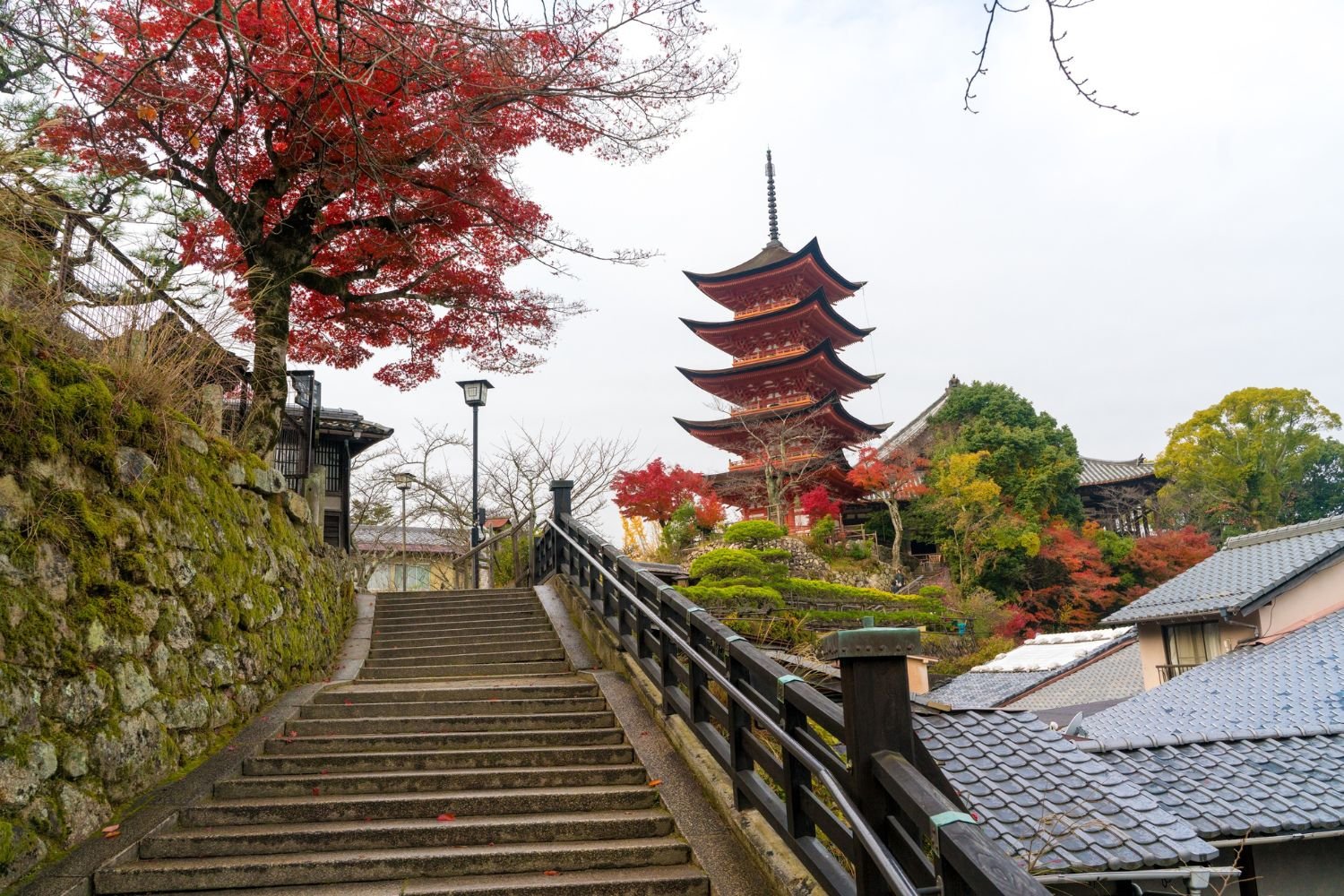
Itsukushima Shrine, Miyajima
Source: Canva
Autumn transforms Miyajima into a colourful island escape, with maple trees around Momijidani Park providing one of the area's signature seasonal sights. Mt Misen adds dramatic views over the Seto Inland Sea, while the island's temples and shrines provide a cultural backdrop.
Oysters are a regional speciality in Hiroshima, especially appealing during autumn. Hiroshima-style okonomiyaki offers a hearty local dish to try alongside seasonal seafood. Momiji manju, shaped like a maple leaf, makes a fitting souvenir or sweet treat.
Together, Hiroshima and Miyajima offer a well-rounded autumn trip that combines foliage, local food and island culture. The pairing also makes it easy to balance scenic exploration with the region's historic and cultural attractions.
November
(8) Kyoto: Temple Gardens, Seasonal Cuisine & Tea Culture
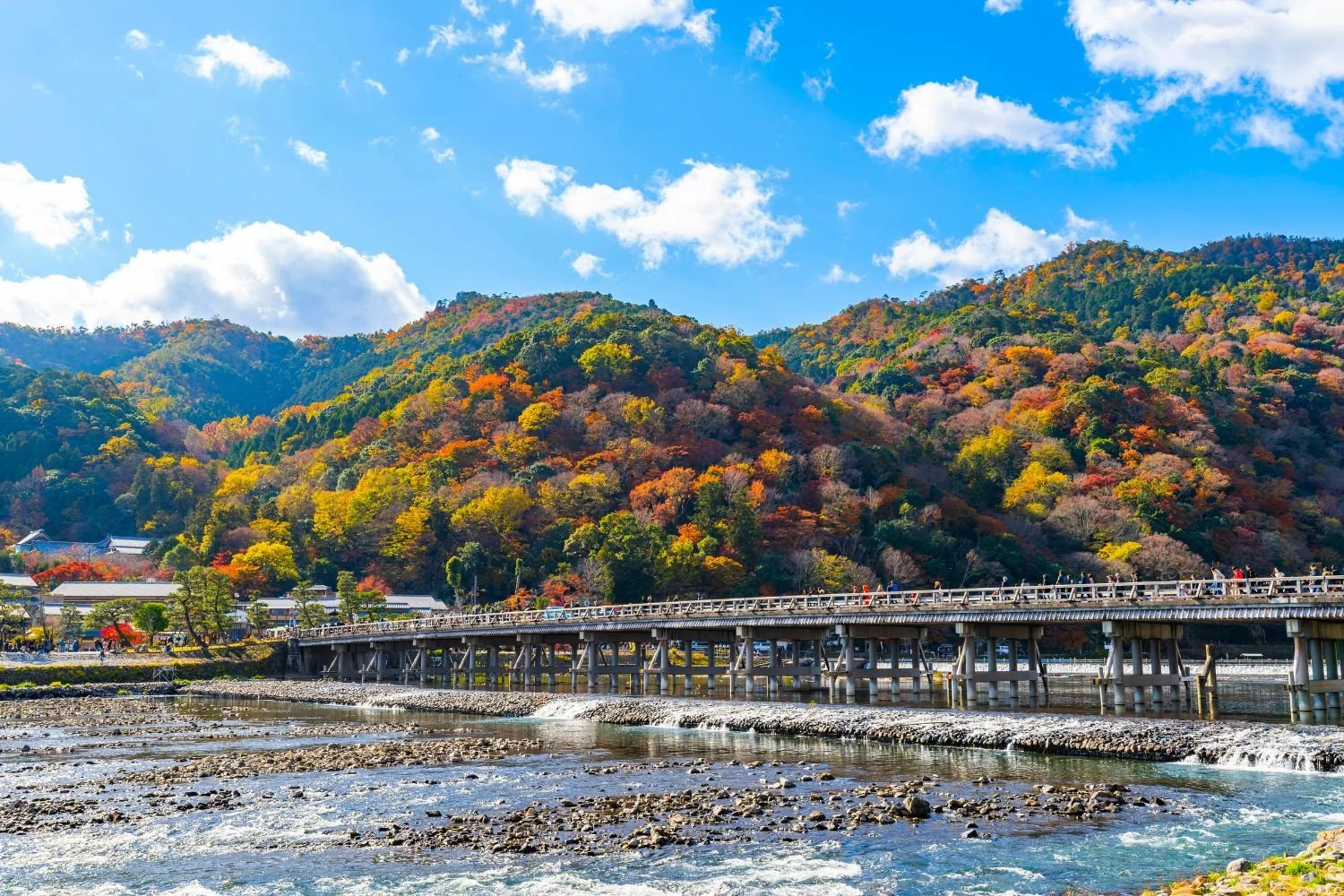
Togetsukyo Bridge, Arashiyama, Kyoto
Source: Canva
November is one of the most atmospheric times to visit Kyoto, when maple and ginkgo trees frame the city's temples, gardens and historic streets in shades of red, orange and gold. The city's autumn foliage typically arrives later than in northern and higher-altitude destinations, making November particularly popular for koyo viewing.
Seasonal cuisine is just as important to the Kyoto experience. Autumn kaiseki menus highlight ingredients such as mushrooms, chestnuts and seasonal vegetables, while traditional wagashi often incorporate autumn colours, flavours and motifs.
Tea culture provides a natural complement to Kyoto's autumn scenery. A cup of matcha with seasonal wagashi at a traditional tea house offers a quieter way to experience the season after exploring the city's temples and gardens.
Nature
(9) Nara: Ancient Temples, Autumn Foliage & Local Flavours
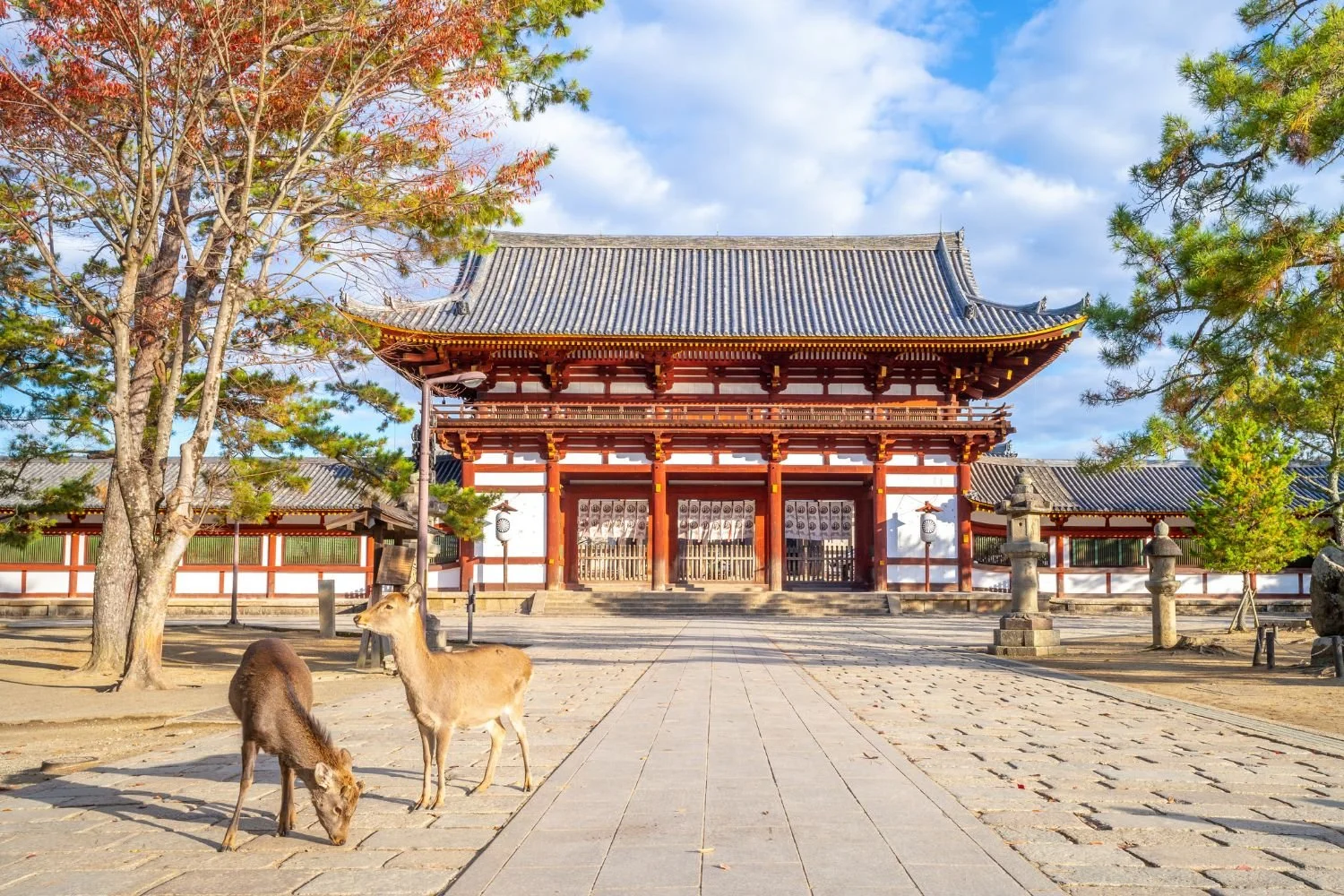
Todaiji, Nara
Source: Canva
Nara offers a more tranquil autumn experience, with colourful foliage surrounding its ancient temples, shrines and expansive parks. In November, the combination of historic architecture and changing leaves creates atmospheric settings for exploring the former capital.
Beyond Nara's famous deer, visitors can discover landmarks such as Todai-ji and Kasuga Taisha while enjoying the city's wooded landscapes. The slower pace also makes Nara a good alternative to some of Kyoto's busier autumn viewing spots.
Nara's local food adds another reason to explore beyond the main sights. Look for kakinoha-zushi, sushi wrapped in persimmon leaves, alongside persimmon-based sweets and traditional Japanese confectionery that reflect the flavours of the region.
(10) Kurokawa Onsen & Yufuin: Autumn Foliage with a Hot Spring Escape
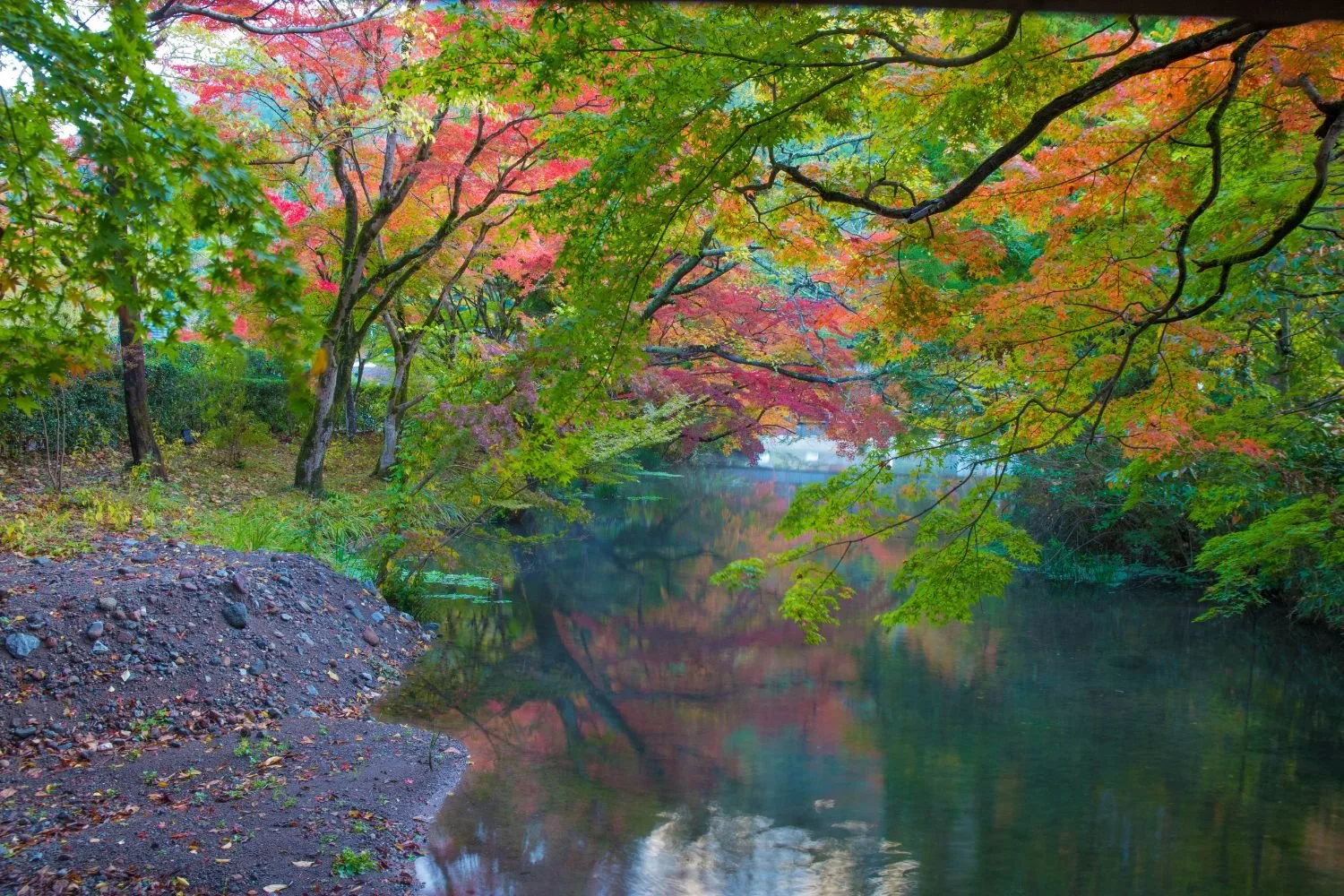
Yufuin
Source: Canva
Kurokawa Onsen and Yufuin offer a slower way to experience autumn, with mountain scenery, colourful forests and traditional hot spring experiences. Yufuin is particularly atmospheric in autumn, when the mountains surrounding the town take on seasonal hues and mist can gather over Lake Kinrin on cool mornings.
At Kurokawa Onsen, the focus is on relaxation and traditional Japanese hospitality. Staying at a ryokan, soaking in an open-air bath and walking between the town's atmospheric hot spring inns creates an experience that feels far removed from the pace of Japan's major cities.
Food completes the autumn escape, with Kyushu's regional ingredients and local dishes offering plenty to discover. Together, Kurokawa and Yufuin combine autumn foliage, hot springs and countryside charm for a restorative end to an autumn itinerary.
Plan an Autumn Journey Through Japan
Autumn in Japan is more than a season of changing leaves. From misty mountain roads and harvest flavours to lantern-lit temples, traditional festivals and quiet hot spring towns, each region reveals a different side of the season. As the colours move gradually from north to south, the journey itself becomes part of the experience.
Whether the trip begins with early foliage in Hokkaido or ends beneath Kyoto’s crimson maples, autumn invites travellers to slow down and savour Japan one region at a time. Follow the colours, follow the flavours, and let the season shape the journey.
Enjoyed reading our articles? Check out others below!


From Hokkaido’s early autumn colours to Kyoto’s November foliage, discover 10 destinations across Japan for spectacular scenery, seasonal food and memorable cultural experiences.