
Discover the Best of Kumamoto Japan: Aso Volcano, Kurokawa Onsen & Cultural Experiences
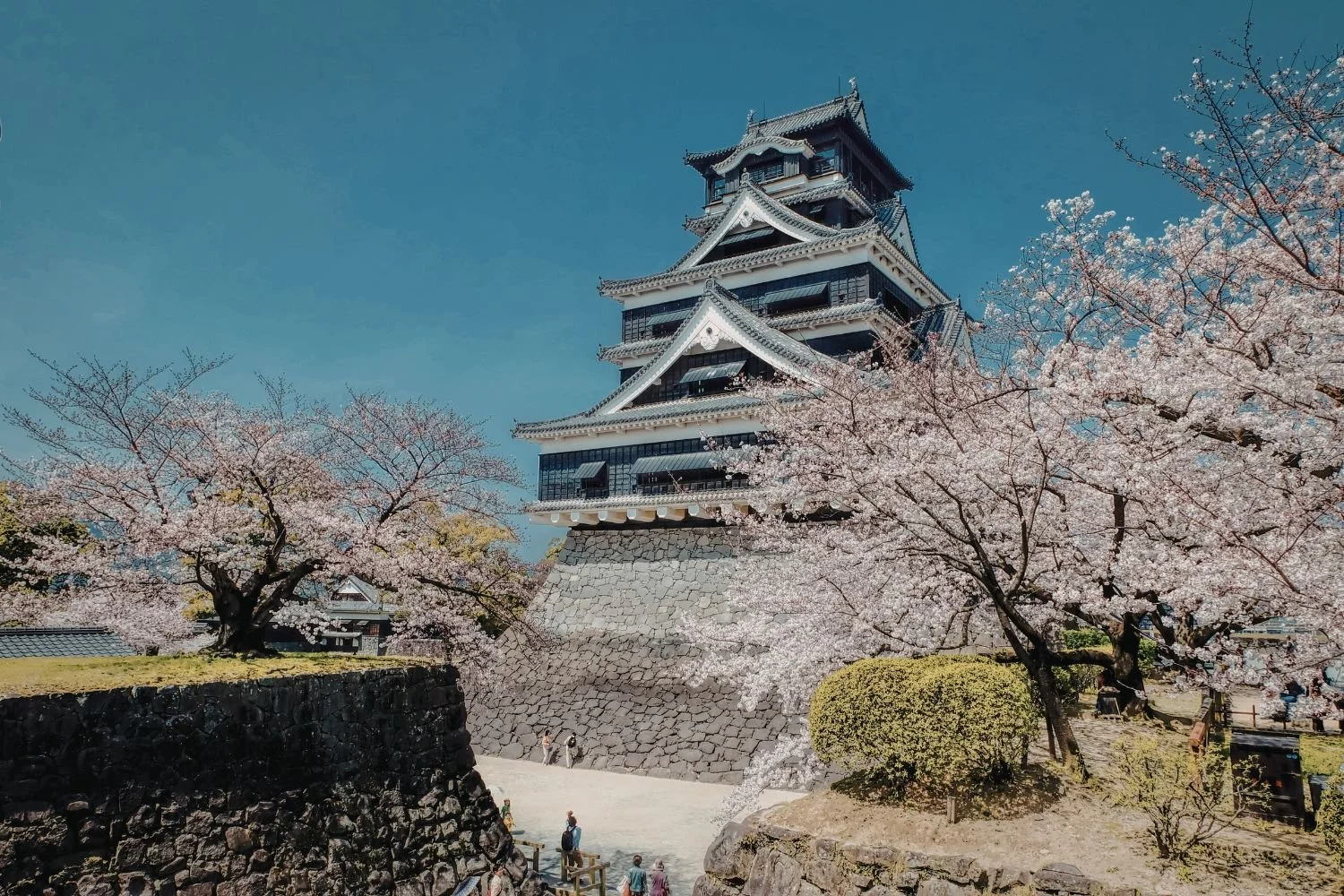
Kumamoto Castle
Source: Canva
Volcanoes, samurai, hot springs, and some of Japan's most beautiful grasslands — Kumamoto brings together experiences that rarely exist in the same destination.
Located in the heart of Kyushu, the prefecture is home to the immense Aso caldera, historic cultural landmarks, traditional crafts, and atmospheric onsen towns tucked away in the mountains. Whether you're cycling through open landscapes, tasting fresh dairy products from Aso, or wandering the lantern-lit streets of Kurokawa Onsen, Kumamoto offers a side of Japan that feels both adventurous and restorative.
If you're looking to venture beyond the usual city itinerary, here's why Kumamoto deserves a place on your Kyushu travel list.
Kumamoto
History & Culture
(1) Kumamoto Castle
(2) Suizenji Jojuen Garden
Traditional Arts & Culture
(3) Higo Zogan (Higo Inlay)
(4) Iaido at Kumamoto Musashikan Dojo
Aso & Kusasenrigahama
Nature & Landscape
(5) Mount Aso
(6) Cycling
(7) Horseback Riding
(8) Daikanbo
Farm & Agriculture
(9) Rakunoh Mother's Aso Milk Farm
History & Geography
(10) Aso Volcano Museum
Kurokawa Onsen
Hot Spring, Food, Shopping and Local Experiences
(11) Hot Spring Experience
(12) Local Food & Shopping
(13) Yukata Experience
Spiritual & Cultural Tradition
(14) Headless Jizo Statue
Kumamoto
History & Culture
(1) Kumamoto Castle
Source: Canva
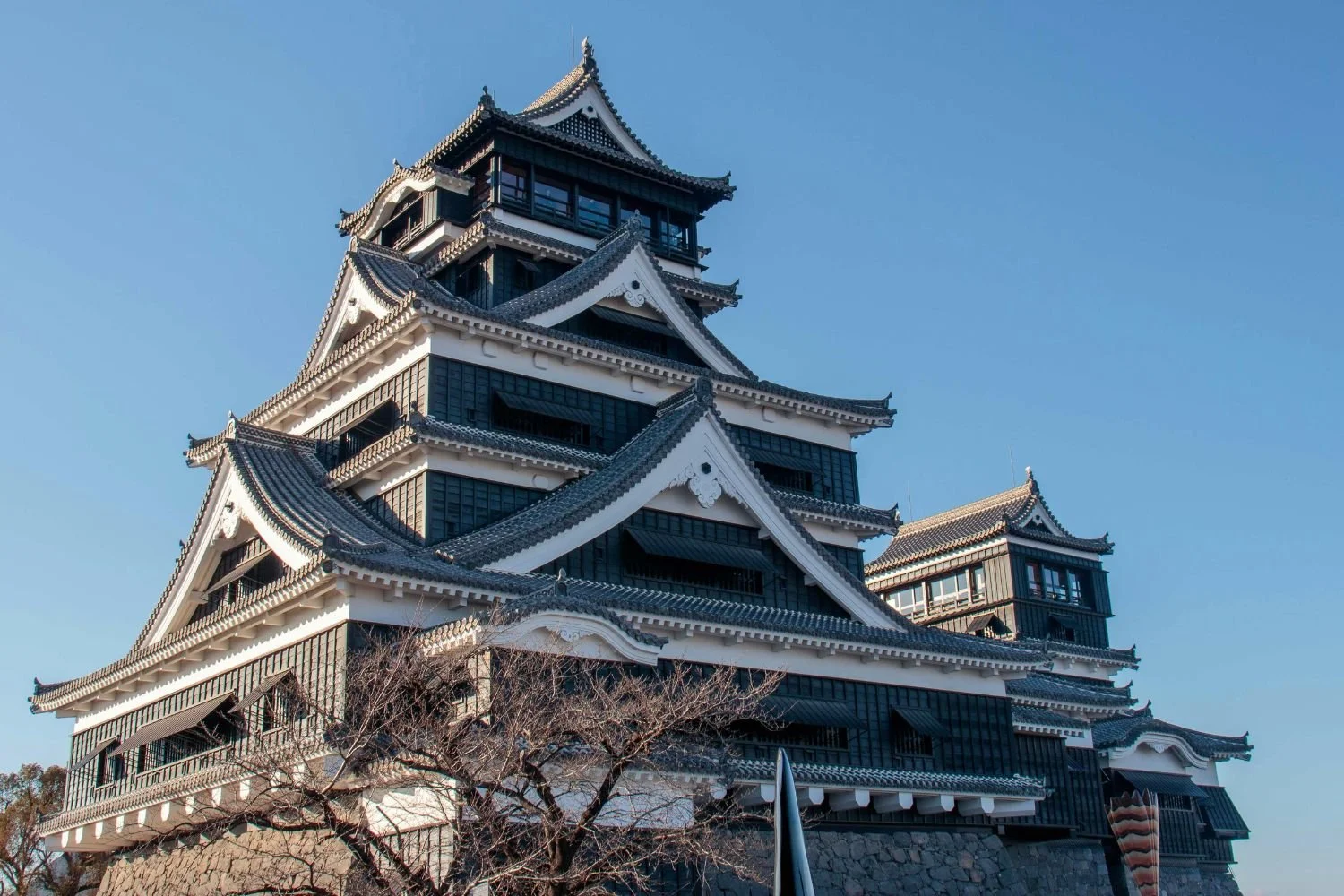
No visit to Kumamoto is complete without seeing Kumamoto Castle, one of Japan’s most iconic historic fortresses. Built in the early 17th century by feudal lord Kato Kiyomasa, the castle is famous for its curved stone walls designed to prevent enemies — even agile ninjas — from climbing them.
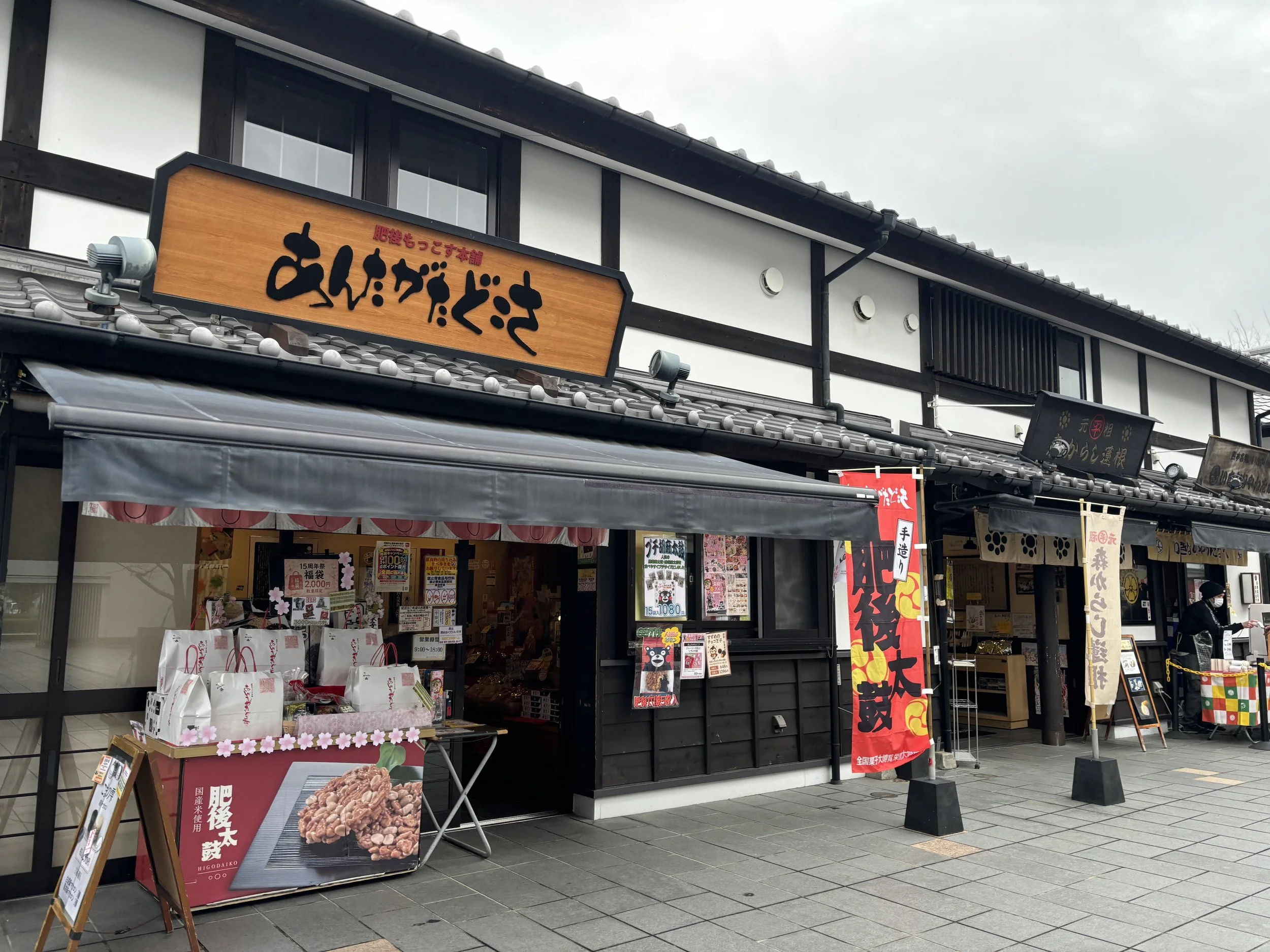
Today, visitors can explore restored castle grounds while learning about samurai history and the rebuilding efforts following the 2016 earthquakes. The surrounding area is also home to local shops, restaurants, and cultural attractions.
Source: Japan Navi Journey
Location: 1-1 Honmaru, Chuo Ward, Kumamoto, 860-0002, Japan
Opening hours: 9am - 5pm daily
Website
(2) Suizenji Jojuen Garden
Source: Canva
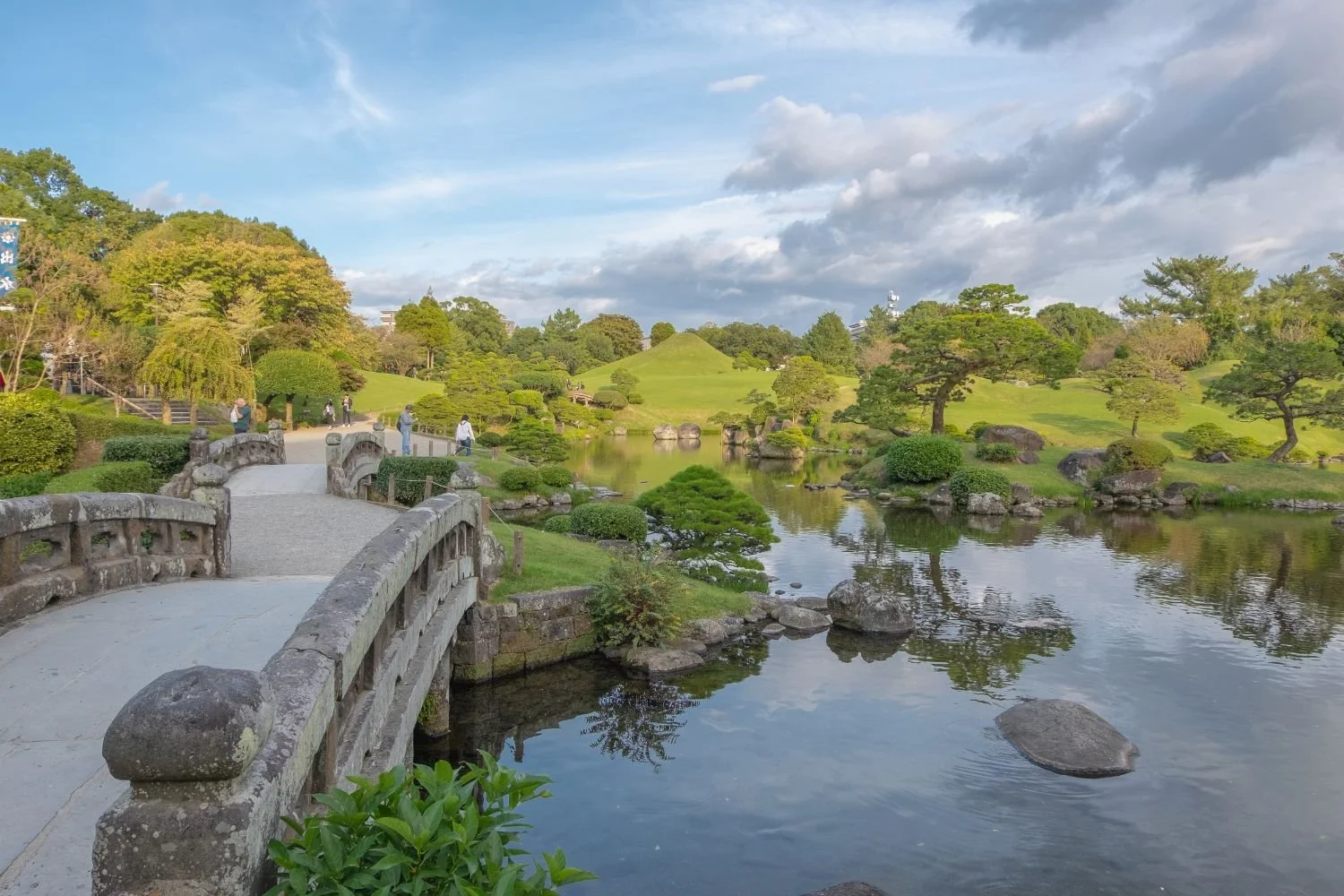
Suizenji Jojuen Garden is a traditional Japanese landscape garden built during the Edo period by the Hosokawa family. Featuring spring-fed ponds, miniature landscapes, and seasonal scenery, the garden was designed to recreate famous views along the historic Tokaido route.
Visitors can enjoy peaceful walks, traditional tea houses, and beautiful views inspired by Mount Fuji.
Location: 8-1 Suizenji Koen, Chuo Ward, Kumamoto, 862-0956, Japan
Opening hours: 8:30am - 5:00pm daily
Instagram | Website
Traditional Arts & Culture
(3) Higo Zogan (Higo Inlay)

Source: Japan Navi Journey
Higo Zogan is a traditional metalworking craft that originated in Kumamoto during the Edo period, when samurai artisans decorated sword fittings with delicate gold and silver inlays.
Today, visitors can observe the intricate craftsmanship or join hands-on workshops to create their own personalised pieces while learning about Kumamoto’s samurai heritage.
(4) Iaido at Kumamoto Musashikan Dojo
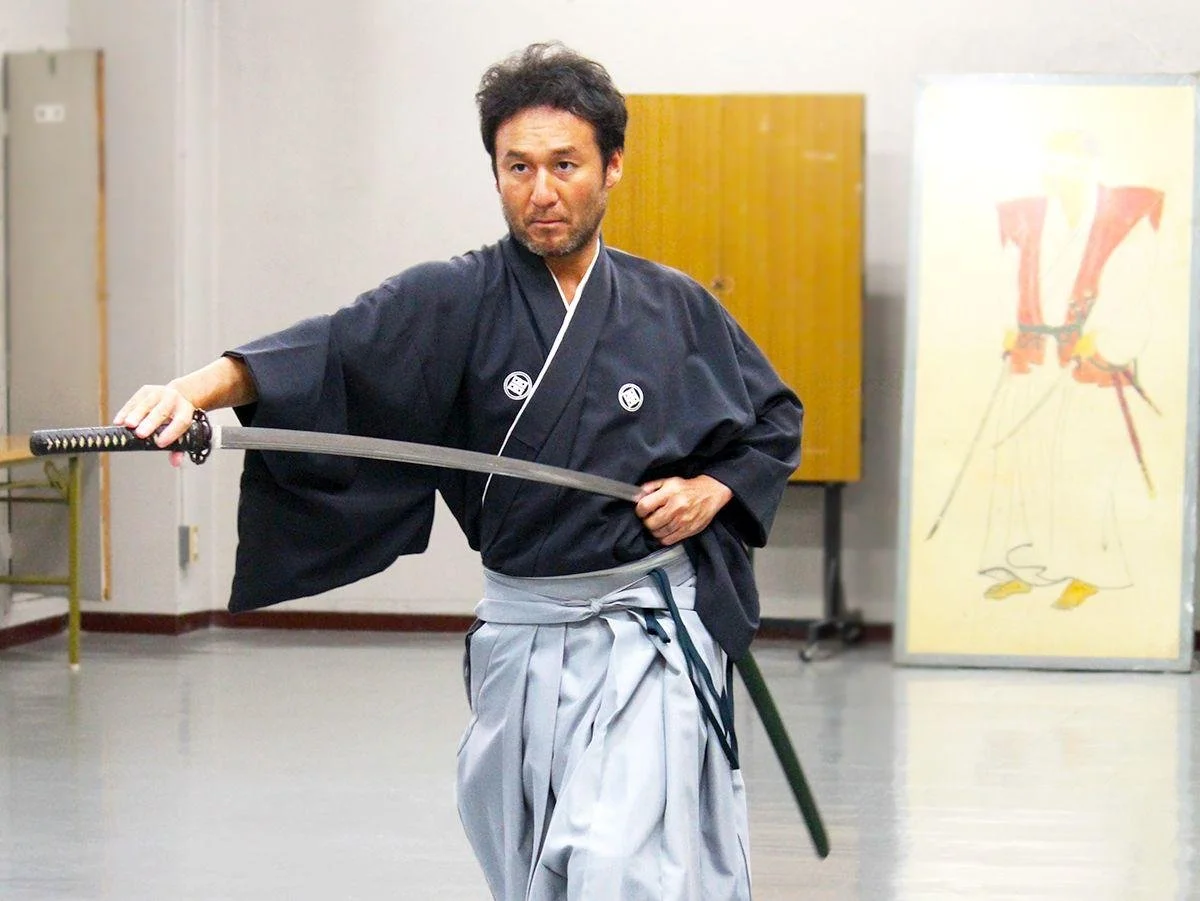
Iaido is a traditional Japanese martial art focused on the precise movements of drawing and handling a sword. More than combat technique, it emphasises discipline, concentration, and mindfulness through controlled motion.
The practice is closely associated with legendary swordsman Miyamoto Musashi, who spent his later years in Kumamoto and wrote the famous martial arts text “The Book of Five Rings.”
At Kumamoto Musashikan Dojo, visitors can experience basic Iaido movements under instructor guidance while learning about samurai culture and Japanese martial arts traditions.
Location: Musashi Building, Shimotori 1-6-4, Chuo-ku, Kumamoto-shi, Japan
Aso & Kusasenrigahama
Nature & Landscape
(5) Mount Aso
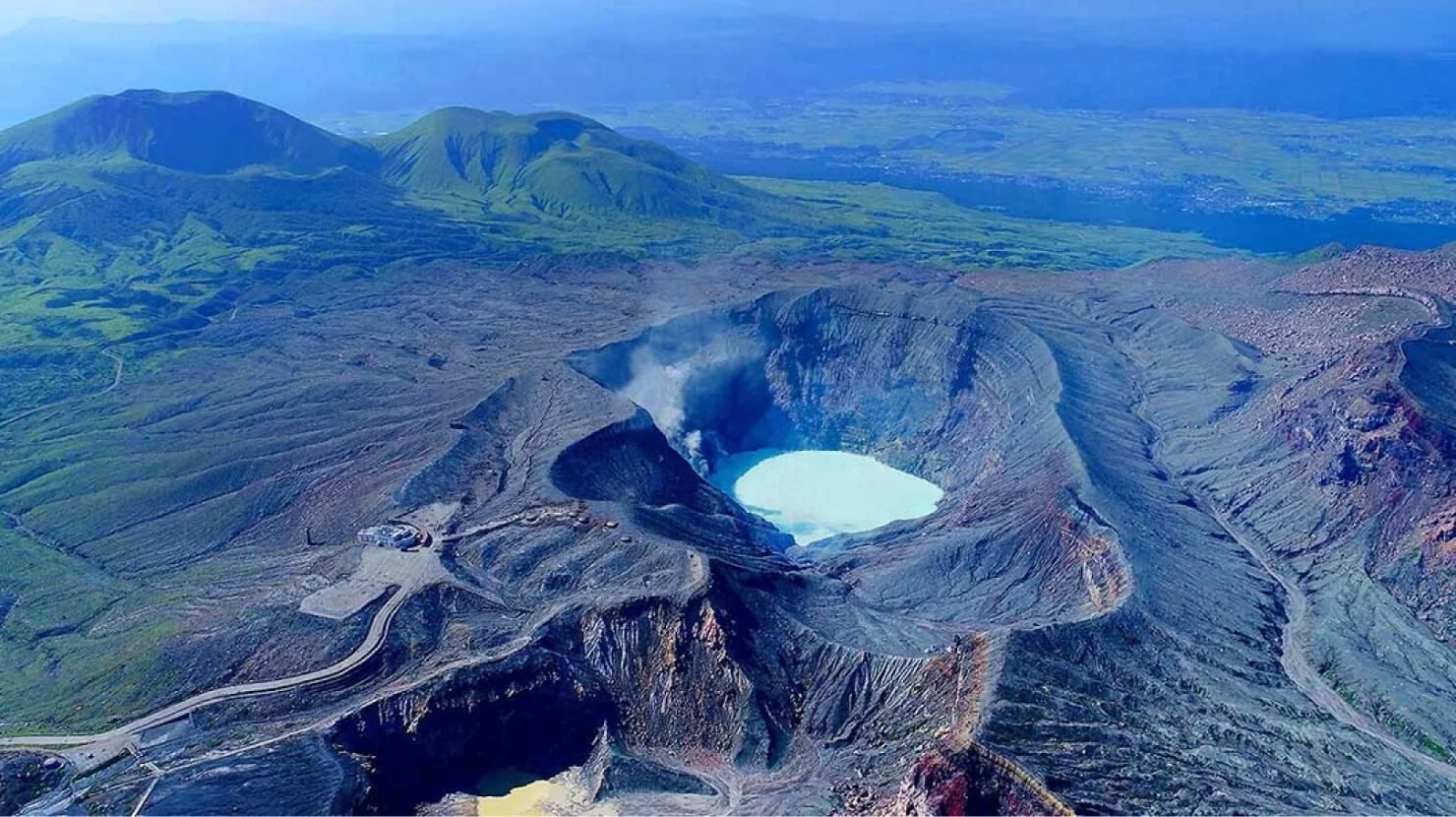
Source: Aso-City Tourism Association
Aso is home to one of the world’s largest volcanic calderas, formed by massive eruptions hundreds of thousands of years ago. At its centre lies Mount Aso, one of Japan’s most active volcanoes, with the steaming Nakadake crater offering a glimpse into the region’s powerful volcanic activity.
Beyond its dramatic scenery, Aso also supports the area’s agriculture, dairy farming, and natural spring water, while its vast grasslands create the iconic landscapes the region is known for today.
(6) Cycling
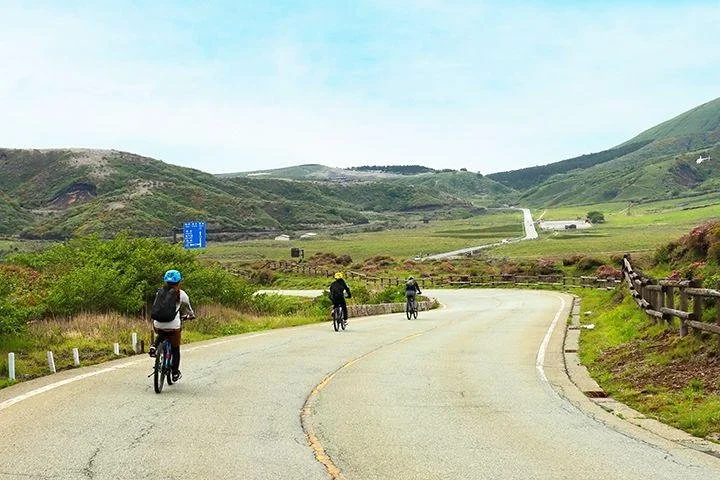
Cycling is one of the best ways to experience Aso’s open countryside and vast grasslands. Guided e-bike experiences allow visitors to cycle through parts of the grasslands that are normally inaccessible, accompanied by certified local guides.
Routes pass through farming villages, rolling hills, volcanic landscapes, and scenic viewpoints around Mount Aso, including areas near Kusasenri and Nakadake Crater. The activity also supports conservation efforts that help preserve Aso’s grasslands through traditional practices such as controlled burning and grazing.
(7) Horseback Riding
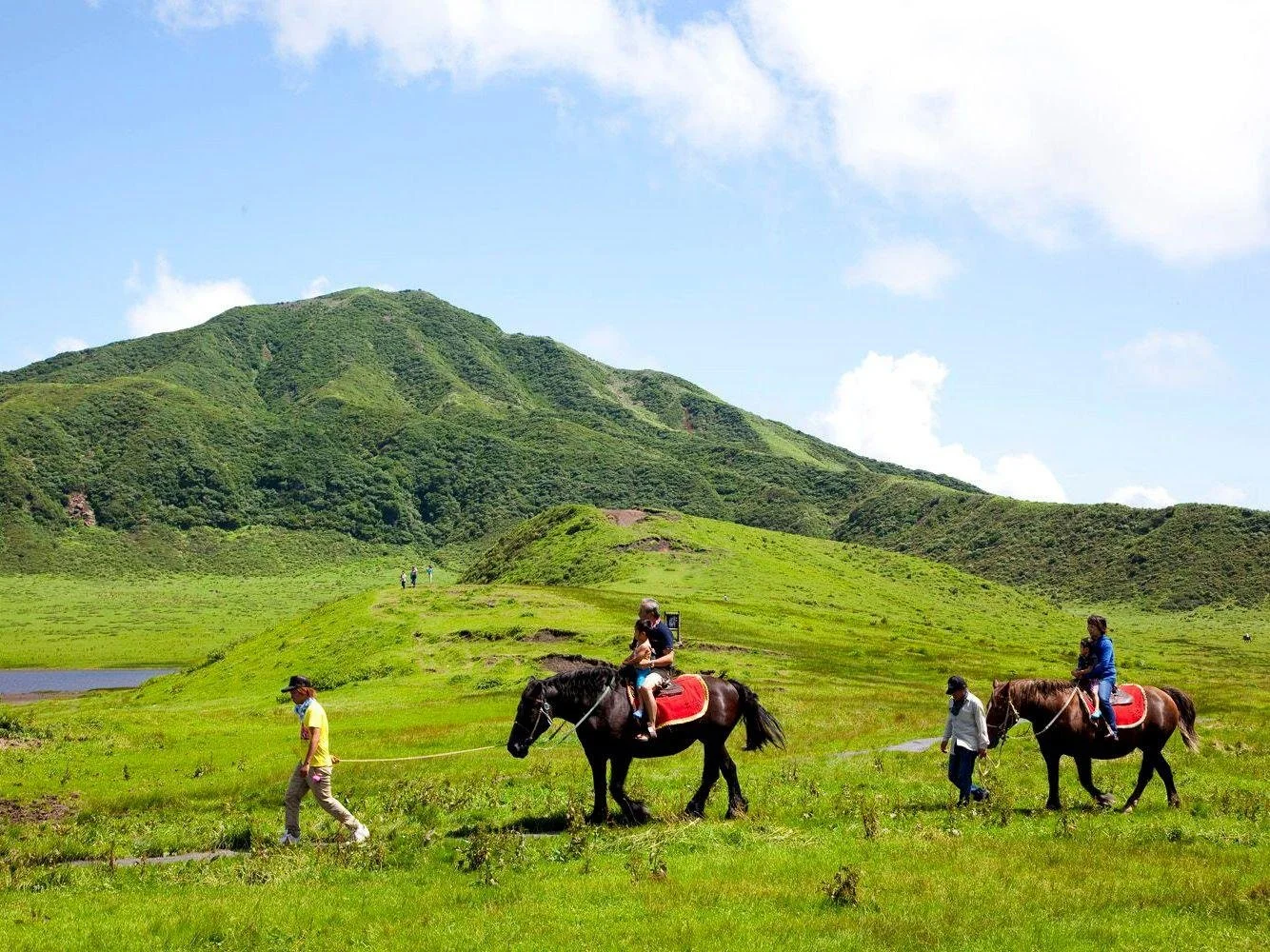
Horseback riding is one of the most memorable ways to experience Aso’s expansive grasslands and volcanic scenery. Guided riding experiences across open plains, valleys, and rolling hills with panoramic views of Mount Aso and the Kuju mountain range. Visitors can enjoy the feeling of riding through Aso’s vast natural landscapes while connecting with the region’s ranch culture.
(8) Daikanbo
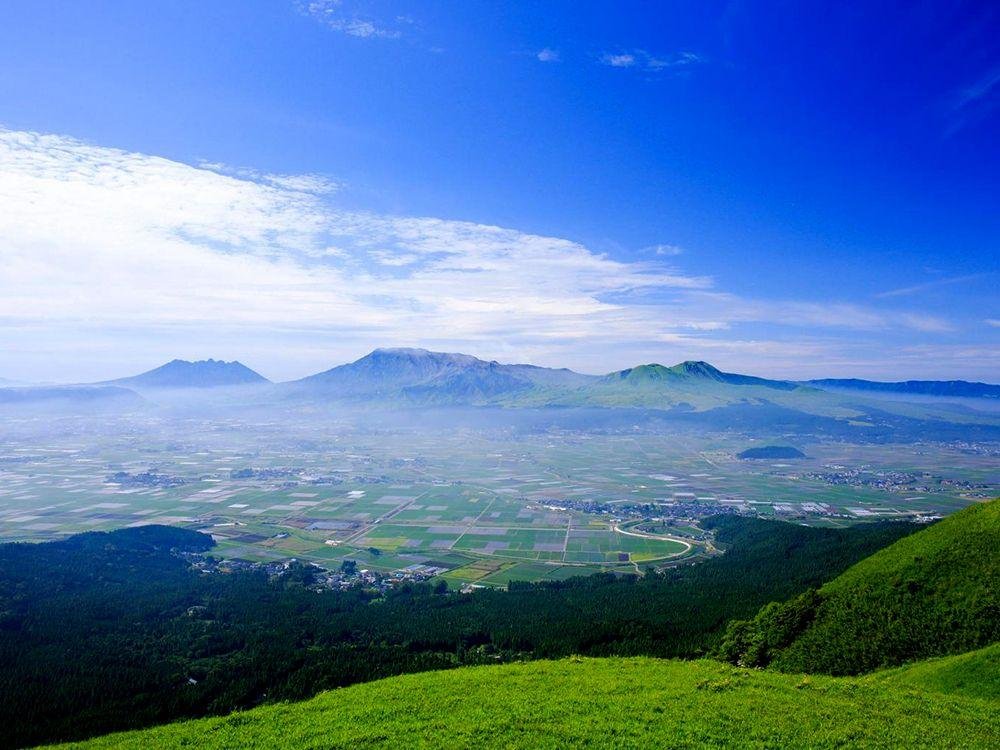
Daikanbo is one of Aso’s most famous viewpoints, offering a breathtaking 360-degree panorama of the Aso Five Peaks and surrounding caldera.
The sweeping scenery changes beautifully throughout the seasons and is especially popular during sunrise and sunset.
Farm & Agriculture
(9) Rakunoh Mother's Aso Milk Farm
Source: Japan Navi Journey
Aso is known for its high-quality milk, produced using cows raised on mineral-rich grasslands nourished by the region’s volcanic soil and pure underground spring water. Some local dairy producers are especially recognised for low-temperature pasteurisation methods that preserve the milk’s natural sweetness and creamy texture.
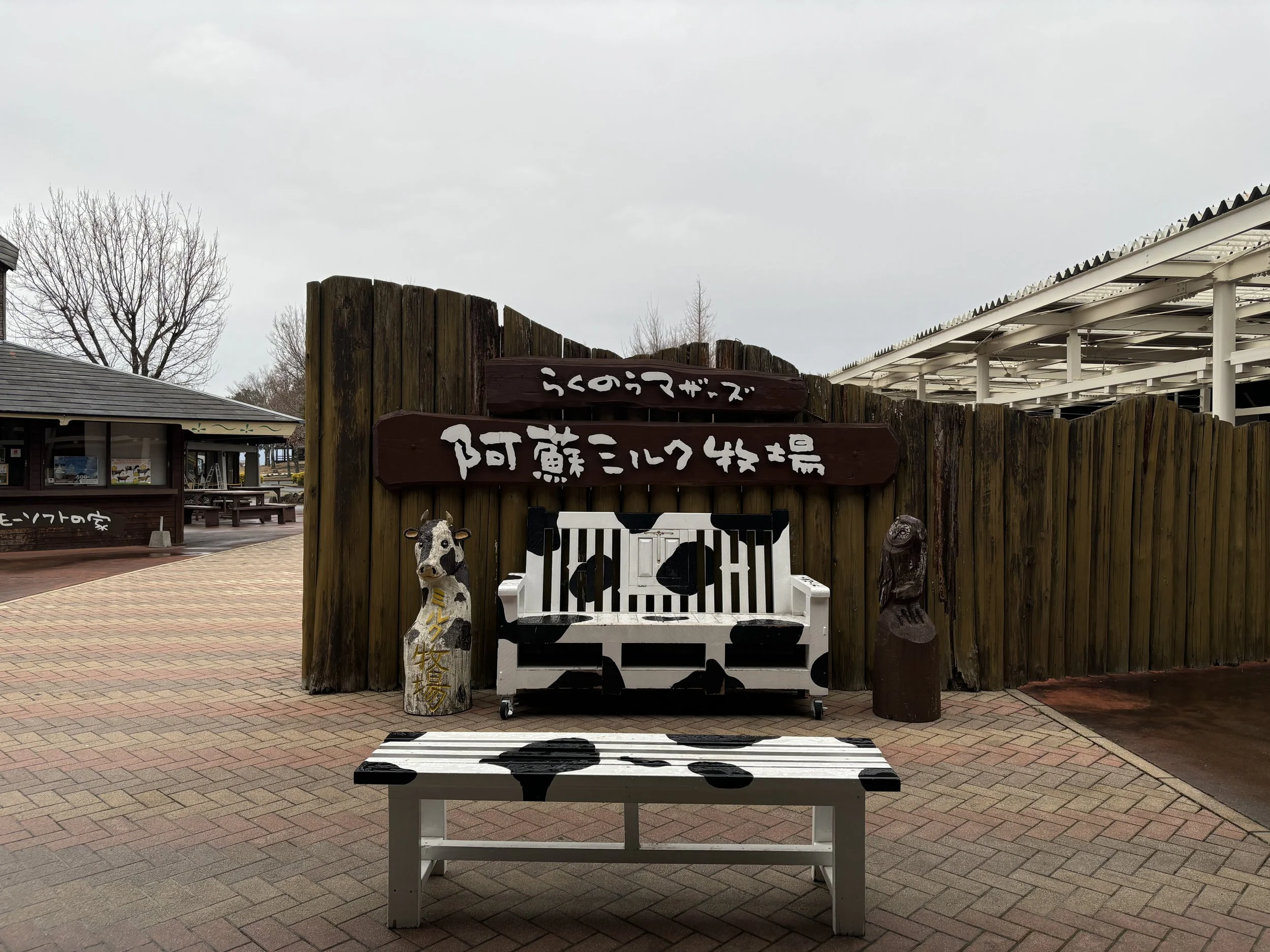
At Rakunoh Mother’s Aso Milk Farm, visitors can enjoy fresh dairy products while experiencing hands-on agricultural activities such as sausage making, potato digging, cow milking, horseback riding, and animal feeding.
Location: 3944-1 Kawahara, Nishihara, Aso District, Kumamoto 861-2404, Japan
Opening hours: Wed-Sun 10am - 5pm (Closed on Tue)
Instagram | Website
History & Geography
(10) Aso Volcano Museum
Source: Aso Volcano Museum
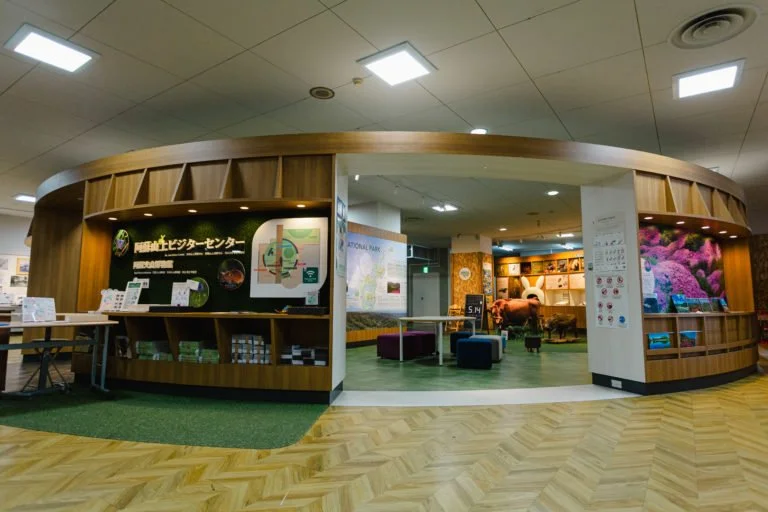
Located near Kusasenrigahama, Aso Volcano Museum offers an immersive introduction to the geological history and ongoing activity of Mount Aso. Interactive exhibits explore the formation of the vast caldera, volcanic activity around the world, Aso’s grasslands, wildlife, and the relationship between the volcano and local communities.
One of the museum’s highlights is the live crater monitoring system, where real-time footage and sounds from Nakadake Crater are projected onto large screens, allowing visitors to observe the active volcano even during crater access restrictions.
The museum also features large-scale dioramas, multilingual films, and a five-screen theatre introducing Aso’s volcanic landscapes, culture, and way of life.
Location: 1930-1 Akamizu, Aso City, Kumamoto, 869-2232 Japan
Opening hours: 9am-5pm daily
Instagram | Website
Kurokawa Onsen
Hot Spring, Food, Shopping and Local Experiences
(11) Kurokawa Onsen
Source: Kurokawa Onsen
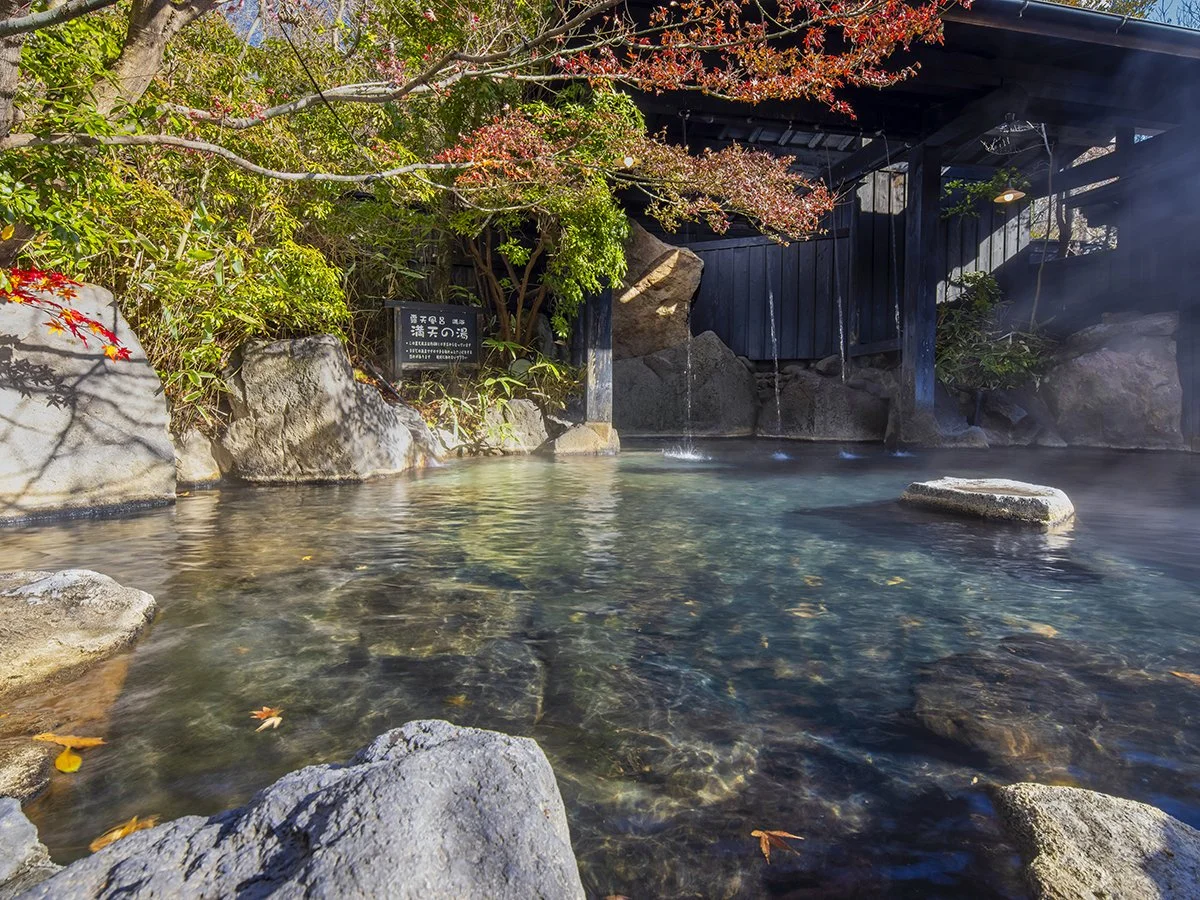
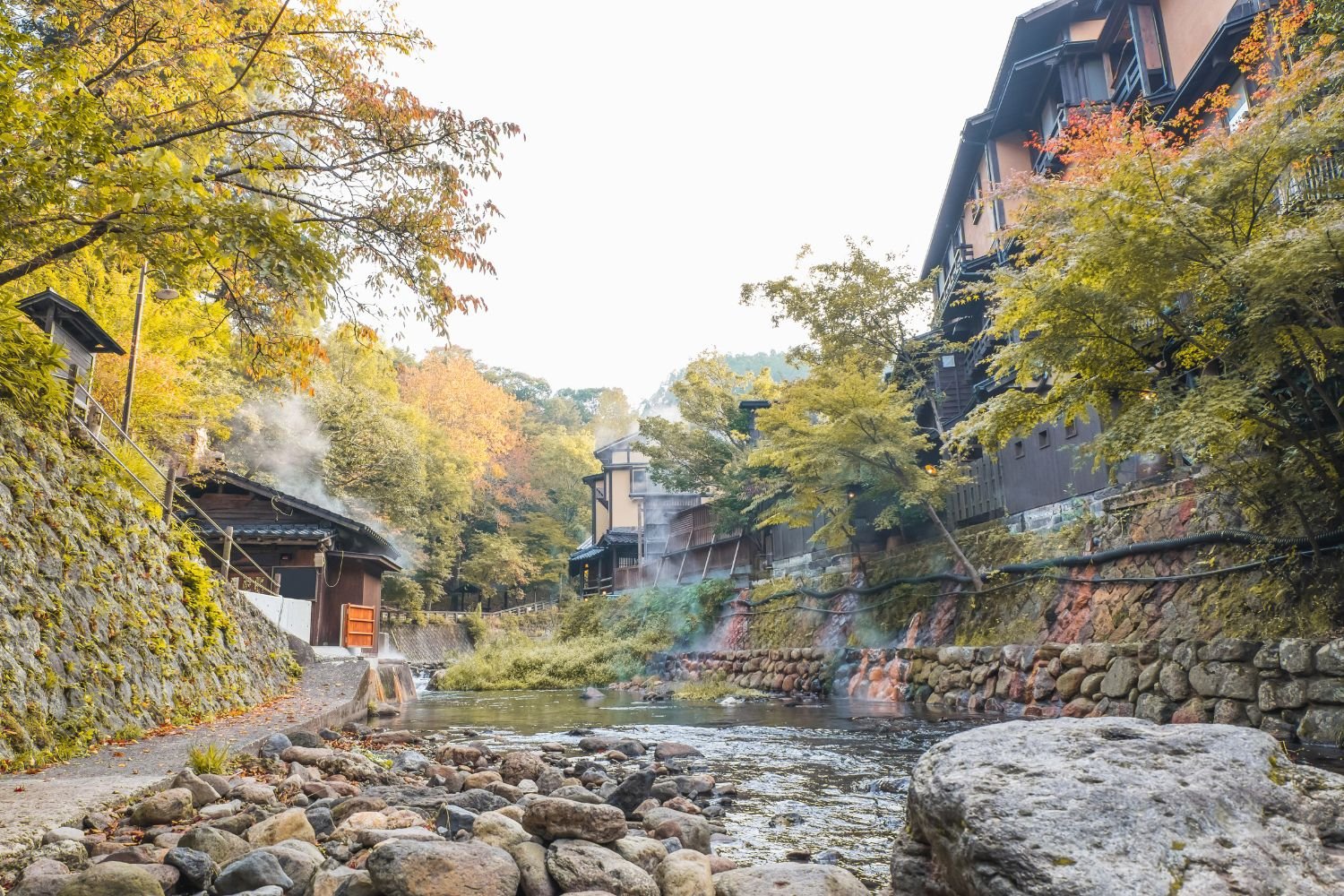
Nestled in the mountains of Kumamoto, Kurokawa Onsen is one of Japan’s most atmospheric hot spring towns, known for its traditional ryokan inns, forest surroundings, and relaxing ambience.
The town is especially famous for its “onsen hopping” culture through the wooden bathing pass known as the “Nyuto Tegata”, which allows visitors to enjoy multiple hot springs across different inns.
Location: 6594-3 Manganji, Minamioguni Street, Aso District, Kumamoto 869-2402, Japan
Instagram | Website
(12) Local Food & Shopping
Source: Kurokawa Onsen
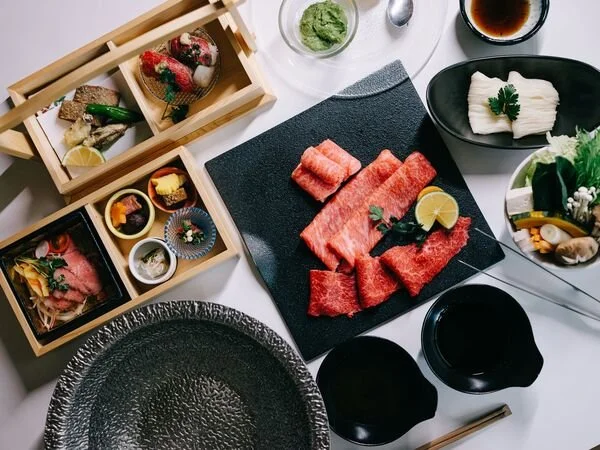
Beyond the hot springs, visitors can enjoy local cuisine featuring seasonal mountain ingredients and regional delicacies unique to Kumamoto. Small cafes, dessert shops, and souvenir stores line the streets, adding to the town’s relaxed charm.
Popular souvenirs include local sweets, handcrafted goods, and bath-related products inspired by the onsen culture.
(13) Yukata Experience
Source: Official Kumamoto Tourism Guide
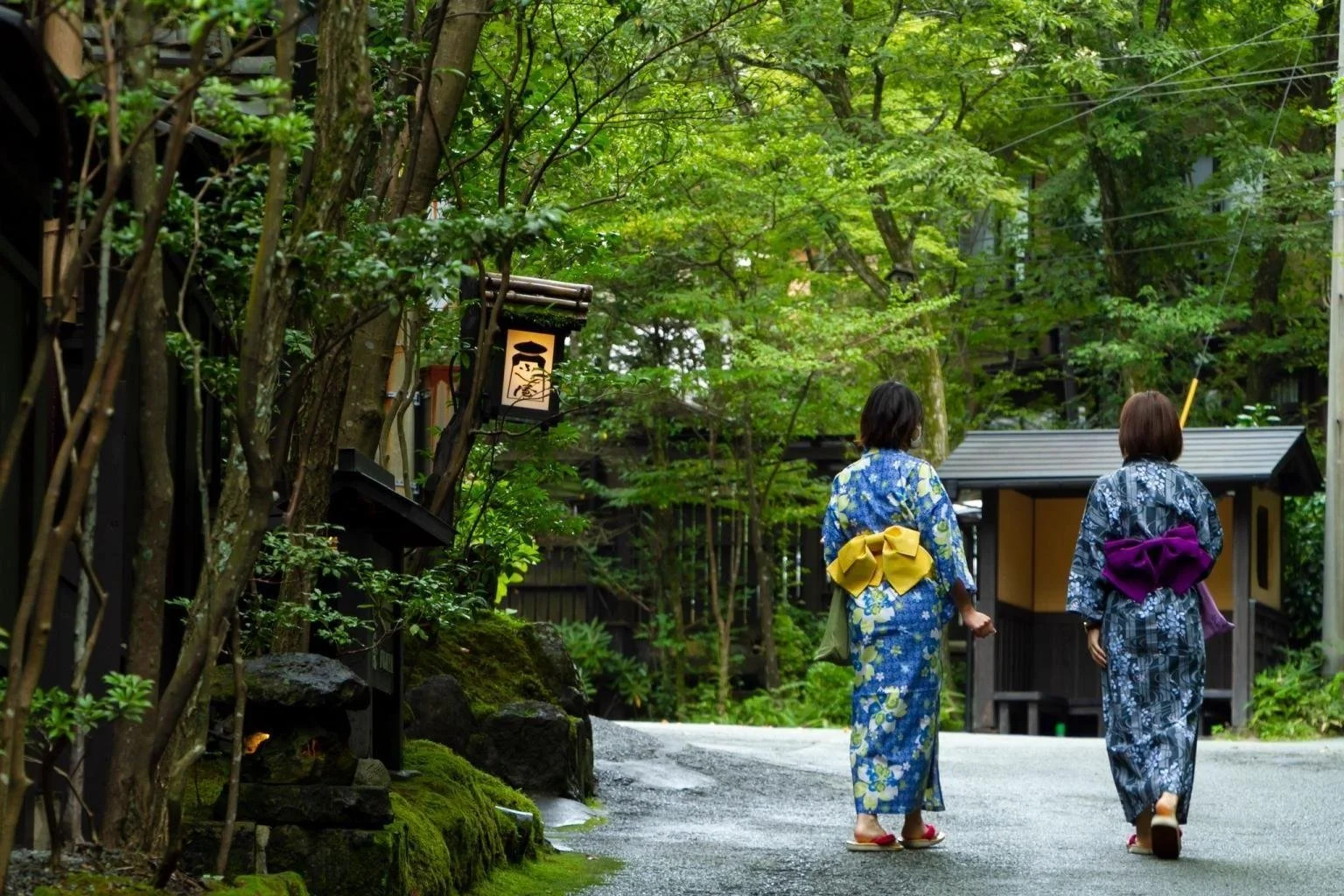
One of the most memorable ways to experience Kurokawa Onsen is by strolling through town wearing a yukata, the lightweight traditional Japanese kimono provided by many ryokan.
Walking through the quiet streets in yukata while carrying small baskets and wooden sandals creates a nostalgic atmosphere reminiscent of old Japan. Some shops also offer yukata rentals for day visitors who wish to fully immerse themselves in the experience.
Spiritual & Cultural Tradition
(14) Headless Jizo Statue
Source: Canva
The headless Jizo statue in Kurokawa Onsen is one of the town’s unique cultural landmarks. Jizo is a beloved guardian figure in Japanese Buddhism often associated with protecting travellers and offering comfort and healing.
Although the statue is headless, it has become part of Kurokawa Onsen’s identity and contributes to the town’s quiet, spiritual atmosphere. Surrounded by forests, traditional ryokan, and peaceful streets, the statue reflects the sense of calm and reflection that defines the onsen town experience.
Enjoyed reading our articles? Check out others below!

Experience Oita beyond its famous hot springs with scenic landscapes, local gourmet delights and unique experiences across Beppu and Yufuin.