
Exploring the Tateyama Kurobe Alpine Route: Japan's Famous Snow Wall and Kurobe Dam
Source: Japan Navi Journey
Imagine a place where towering snow walls rise higher than a three-storey building in spring, alpine flowers bloom across mountain meadows in summer, fiery autumn foliage fills the valleys, and pristine white landscapes return in winter. Few destinations capture the drama of Japan's four seasons as vividly as the Tateyama Kurobe Alpine Route.
Stretching across the Northern Japan Alps and connecting Toyama Prefecture with Nagano Prefecture, the Alpine Route is one of Japan's most remarkable mountain sightseeing experiences. Rather than simply stopping at a scenic viewpoint, travellers move through a constantly changing high-altitude landscape using a network of transport systems designed specifically for the mountains.
Japan's Famous Snow Wall and Kurobe Dam
Source: Japan Navi Journey
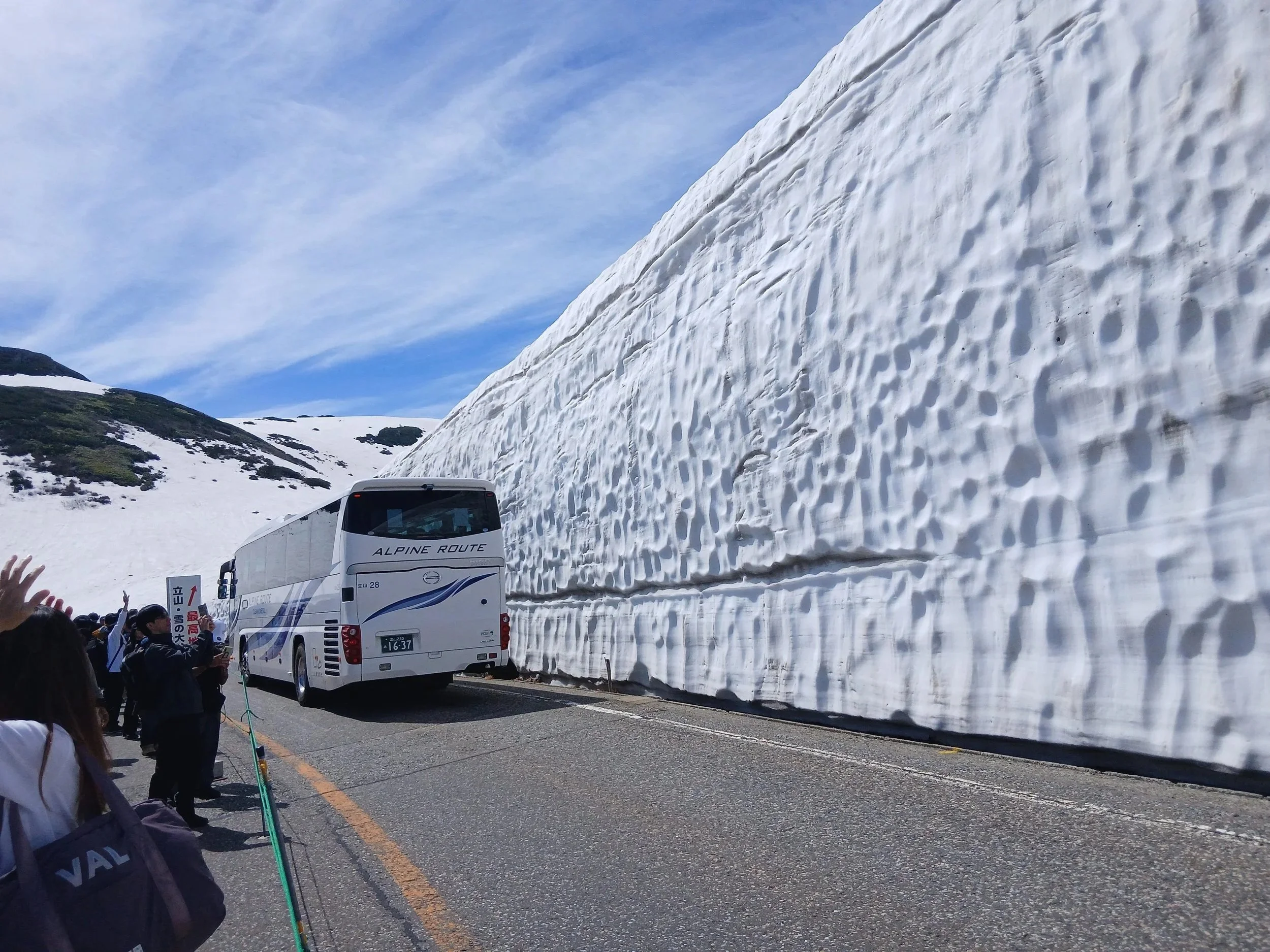
Two landmarks define the route above all others: the famous snow wall at Yuki no Otani and the mighty Kurobe Dam. In spring, Yuki no Otani transforms part of the mountain road into a corridor lined with snow walls that can reach up to 20 metres high. Standing beside them is an unforgettable experience, and one of the clearest reasons the Alpine Route has become such an iconic Japan travel destination.
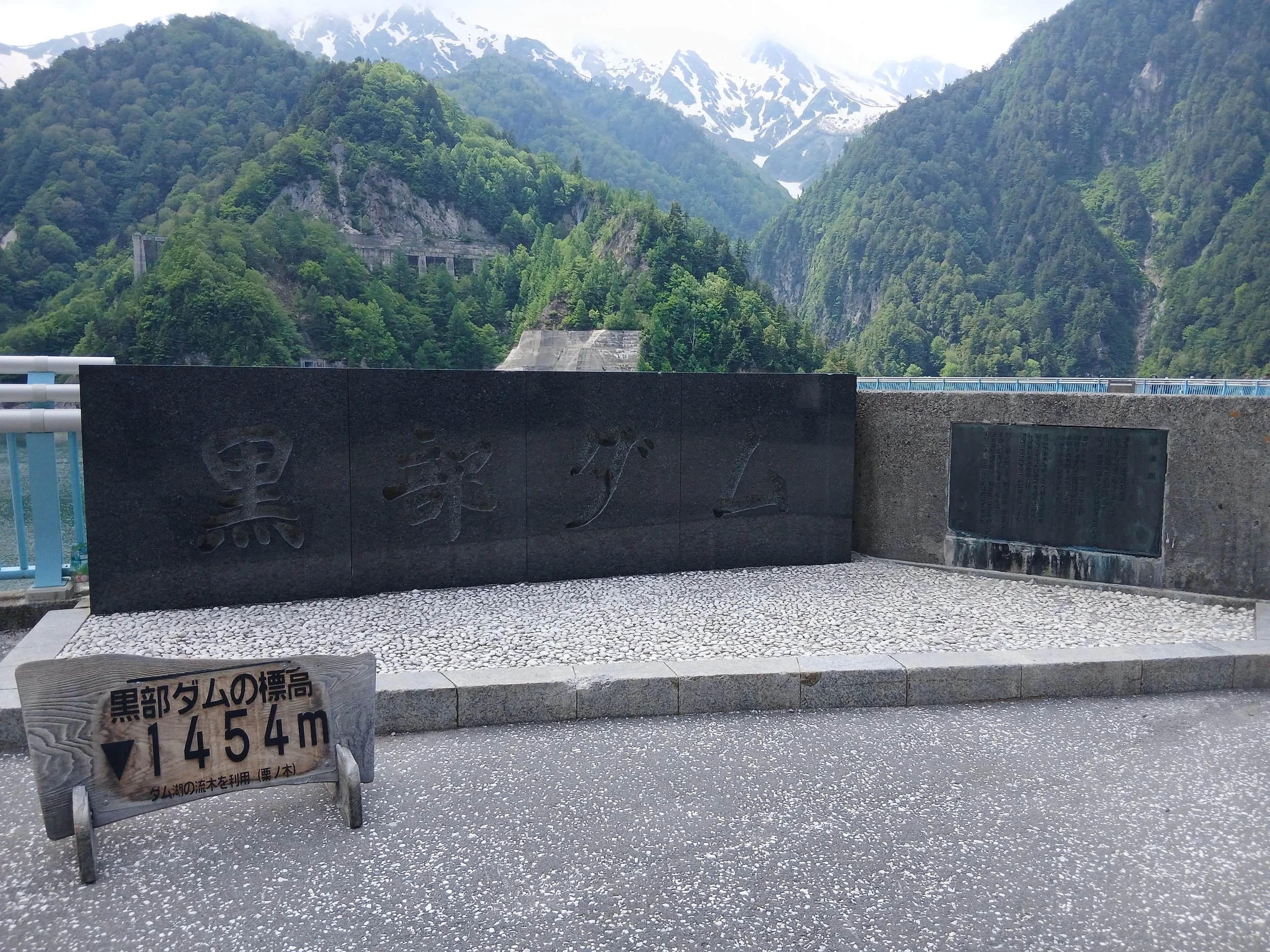
Kurobe Dam offers a completely different kind of spectacle. Known locally as Kuroyon, it is Japan's tallest dam and one of the country's greatest engineering achievements. Set against rugged alpine scenery, the dam is impressive not only for its scale but also for the dramatic way it blends into the surrounding mountains. Together, these two landmarks give the Alpine Route its identity: one shaped by nature, the other by human ingenuity.
A Journey That Is Part Sightseeing, Part Adventure
Source: Japan Navi Journey
What makes the route especially memorable is that the journey itself is part of the attraction. Cable cars climb steep mountainsides, ropeways glide above deep valleys, electric buses travel through alpine roads, and mountain transport systems carry visitors across terrain that would otherwise be difficult to access. With every transfer, the scenery changes, and the experience feels less like ordinary sightseeing and more like an adventure unfolding step by step.
Two Gateways to the Alpine Route
There are two main ways to enter the Tateyama Kurobe Alpine Route: from Toyama Prefecture on the western side or from Nagano Prefecture on the eastern side. Each route offers a different travel style, so the best choice depends on how you want to experience the mountains.
Entering from Toyama Prefecture
If you enter from Toyama Prefecture, you can enjoy the full sequence of transport systems and experience the Alpine Route as a grand mountain crossing. This option is ideal for travellers who want to make the journey itself the highlight of the trip. A common travel pattern is Kansai → Toyama → Alpine Route → Matsumoto/Nagano → Tokyo, making it a popular choice for those planning a broader Japan itinerary.
Entering from Nagano Prefecture
If you enter from Nagano Prefecture, the pace is often more relaxed and family-friendly. This side is especially suitable for travellers who want to focus on dam sightseeing and enjoy the route at an easier rhythm. The journey typically follows Tokyo → Nagano → Alpine Route → Toyama → Kanazawa/Kansai, which works well for visitors combining the Alpine Route with other major destinations in central Japan.
Private Cars Are Not Allowed
Private cars are not allowed beyond the gateway stations, so visitors must travel by the designated transport systems. While this may seem restrictive at first, it is one of the reasons the Alpine Route remains so pristine. By limiting vehicle access, the route protects the fragile alpine environment and ensures that the mountains remain the centre of attention.
Yuki no Otani: The Snow Wall That Defines Spring
The Tateyama Kurobe Alpine Route is filled with unforgettable sights, but Yuki no Otani is the one that most clearly captures its fame. Also known as the Tateyama Snow Corridor, this spring attraction features enormous snow walls lining a section of the mountain road, sometimes reaching up to 20 metres high. Standing beside them is an overwhelming experience. The scale is so dramatic that it feels almost unreal, as if the mountains have been carved open to reveal a frozen passageway.
While photos often make the snow walls appear endless, one surprising detail is how easy they are to access. From Murodo Station, it is only about a five-minute walk via a dedicated entrance. During a visit in early June, the snow walls still stood around 9 metres high, creating an impressive sense of scale despite being well into the season.
Kurobe Dam: Japan's Great Mountain Engineering Landmark
Source: Japan Navi Journey
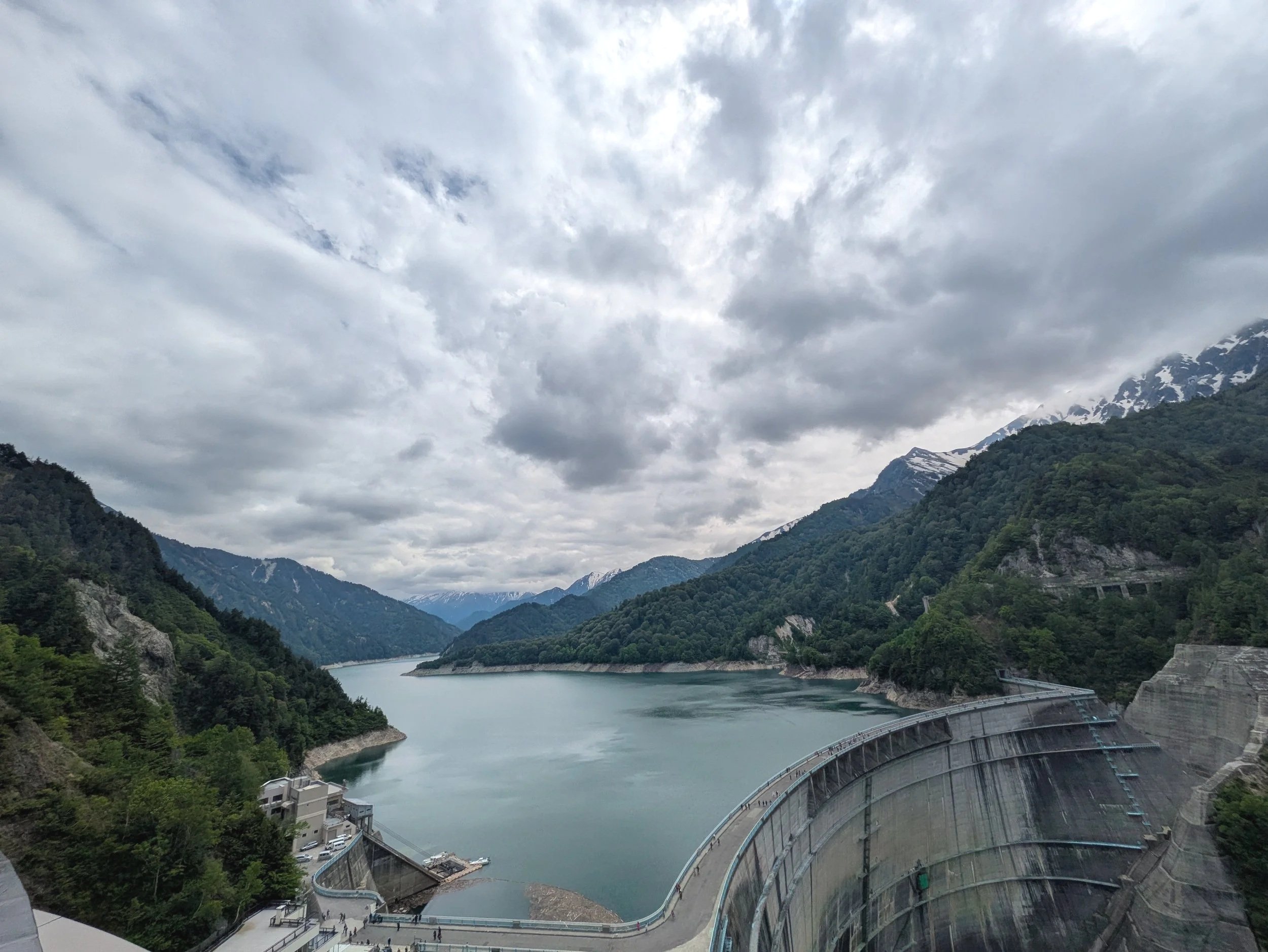
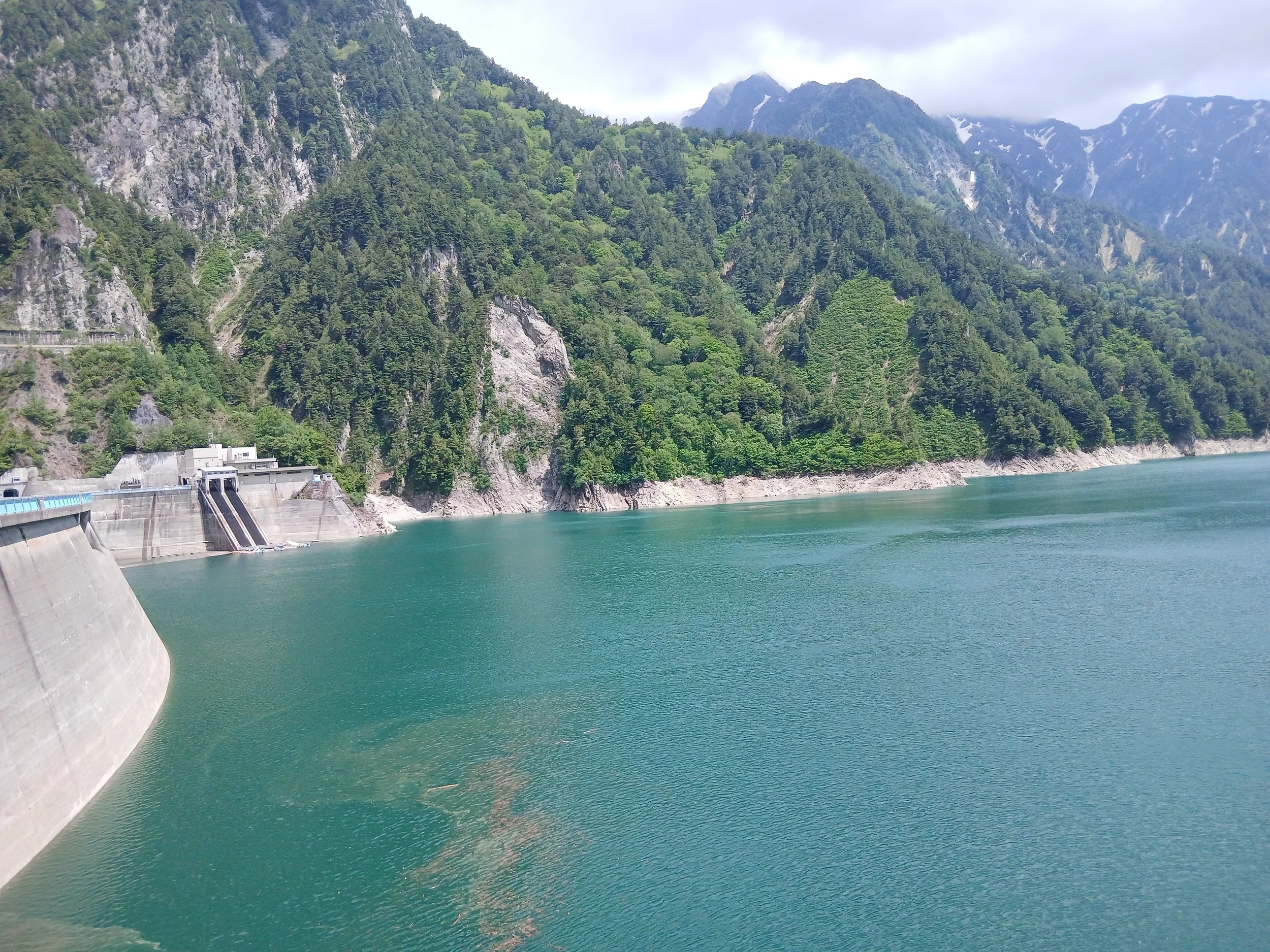
Kurobe Dam is the other essential highlight of the route. Known locally as Kuroyon, it is Japan's tallest dam and one of the country's greatest engineering achievements. Surrounded by rugged mountain scenery, the dam is impressive not only for its size but also for the way it blends into the dramatic alpine landscape. During the warmer months, the water discharge creates a powerful and spectacular scene that adds even more energy to the visit. It is a place where human engineering and natural grandeur meet on a truly grand scale.
From late June to mid-October, the famous water discharge releases more than 10 tonnes of water per second. On sunny days, rainbows often appear in the mist, creating one of the route's most photogenic scenes.
Tateyama Ropeway: A Moving Observation Deck
Beyond these two icons, the journey itself offers a series of memorable experiences. The Tateyama Ropeway feels like a moving observation deck, giving passengers panoramic views as they glide above valleys and forests. The sensation of floating through the mountains is unforgettable, especially when the clouds shift and reveal layers of peaks in the distance.
What makes the Tateyama Ropeway particularly remarkable is that there are no support towers between stations. As the cabin glides across the 1.7-kilometre span, nothing interrupts the view, creating the sensation of floating above the mountains. Looking out through the large windows, it truly feels like riding inside a moving observation deck.
Murodo Station: The Heart of the Alpine Route
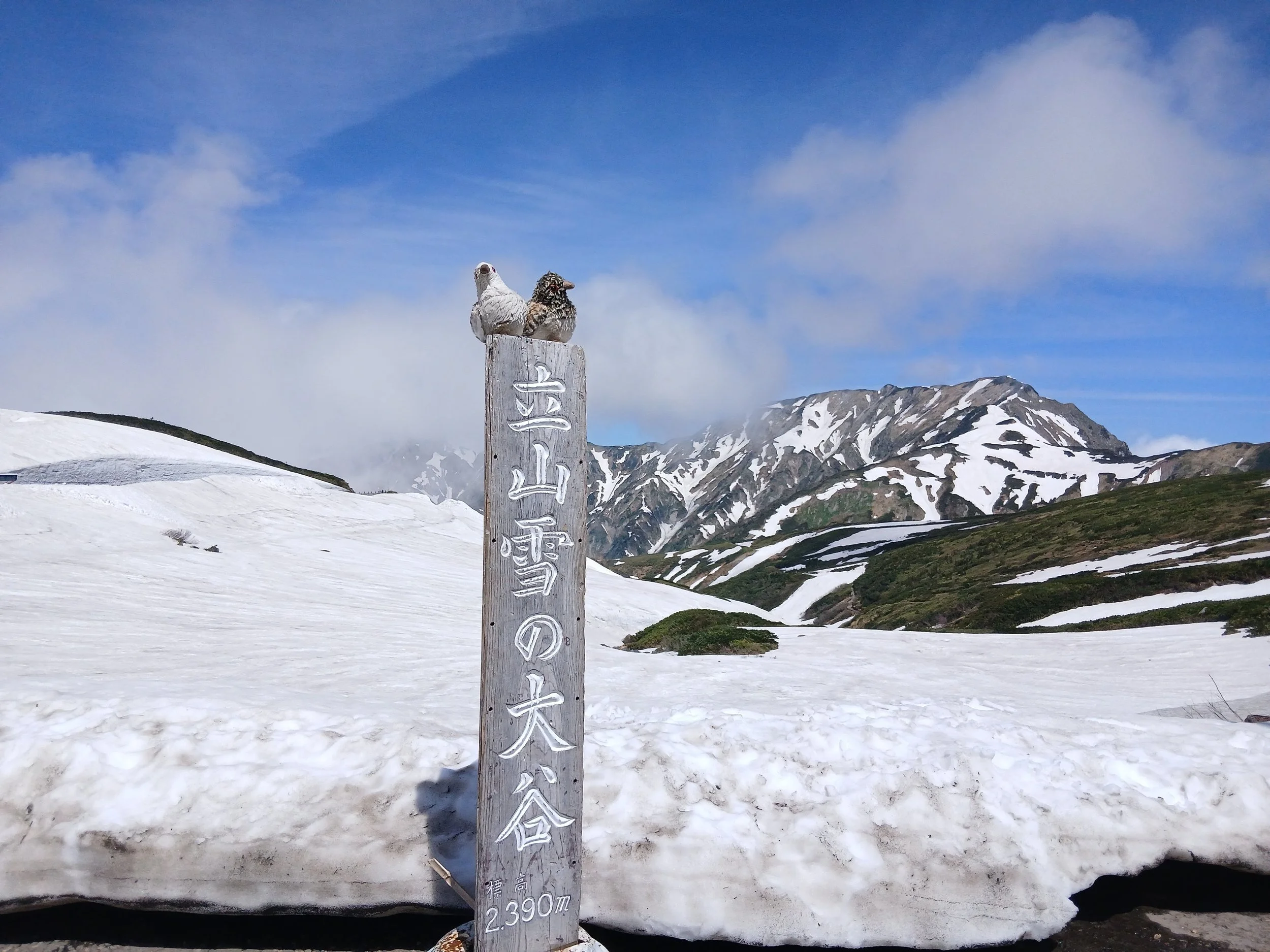
Murodo Station is another major highlight. As the highest station in Japan, it feels like the central hub of the entire Alpine Route. The air is crisp, the scenery is vast, and the atmosphere gives visitors the sense that they have reached the heart of the mountains. From here, the alpine landscape opens up in every direction, making it one of the most rewarding places on the route.
Beyond serving as the route's highest station, Murodo is also where many visitors take a break to enjoy local food. One unexpectedly memorable treat is the ramune-flavoured soft serve ice cream sold near the boarding area. Refreshing and lightly sweet, it is especially enjoyable after walking through the cool alpine air.
Visitors can also stop by the Tateyama Summit Post Office, one of the highest post offices in Japan, where commemorative postmarks featuring Mount Tateyama and the rock ptarmigan are popular souvenirs.
Mikurigaike Pond and the Rock Ptarmigan
Source: Japan Navi Journey
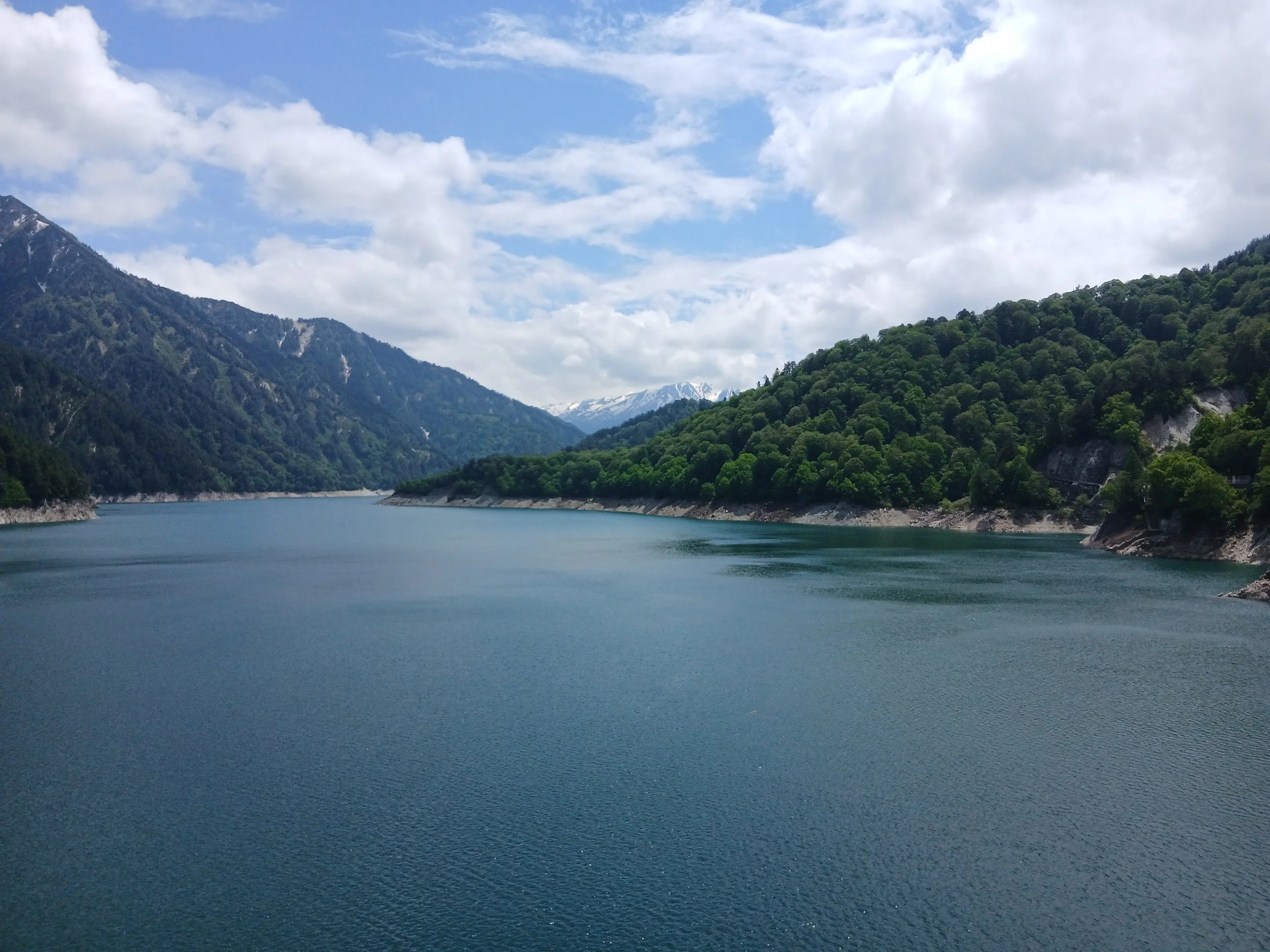
Nearby, Mikurigaike Pond offers a quieter but equally beautiful experience. On clear days, the still water reflects the surrounding mountains with striking clarity.
The route includes a gentle uphill climb, lingering snow patches in early summer, and stairways around the pond itself. At an elevation of approximately 2,450 metres, the walk can feel more strenuous than expected, but the reward is one of the most beautiful alpine landscapes along the route.
Source: Tateyama Kurobe Alpine Route
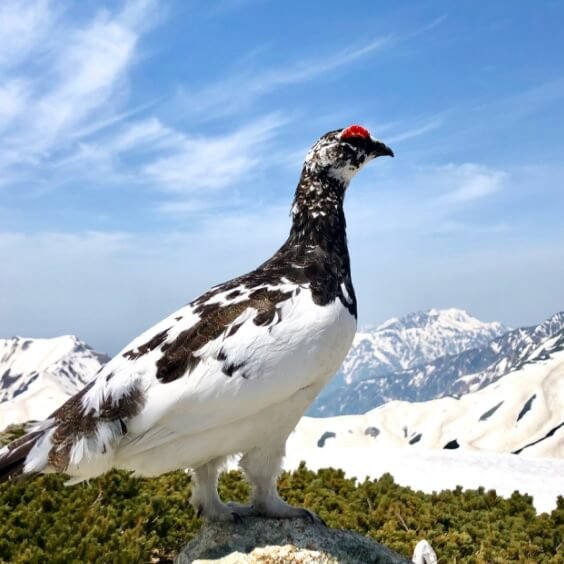
If you're fortunate, you may spot a rock ptarmigan, a specially protected alpine bird that has become a symbol of the Northern Alps. Seeing one in the wild feels like discovering a hidden treasure of the mountains.
What to Wear and What to Prepare
Because the weather changes quickly at high altitude, visitors should also pay attention to clothing. Even in seasons that feel mild in the lowlands, temperatures on the Alpine Route can be much lower, and wind or sudden weather shifts are common. Layered clothing, a light jacket, and comfortable walking shoes are strongly recommended so that you can enjoy the route safely and comfortably in every season.
A Complete Mountain Experience
Source: Japan Navi Journey
From the famous snow wall and Kurobe Dam to ropeways, ponds, and mountain stations, the Tateyama Kurobe Alpine Route offers a journey that is as varied as Japan's seasons themselves. It is not just a sightseeing route, but a complete mountain experience that combines nature, engineering, and sustainability in one unforgettable trip.
Enjoyed reading our articles? Check out others below!



From Hokkaido’s early autumn colours to Kyoto’s November foliage, discover 10 destinations across Japan for spectacular scenery, seasonal food and memorable cultural experiences.