
Regional Food Travel in Japan: What to Eat in Each Prefecture
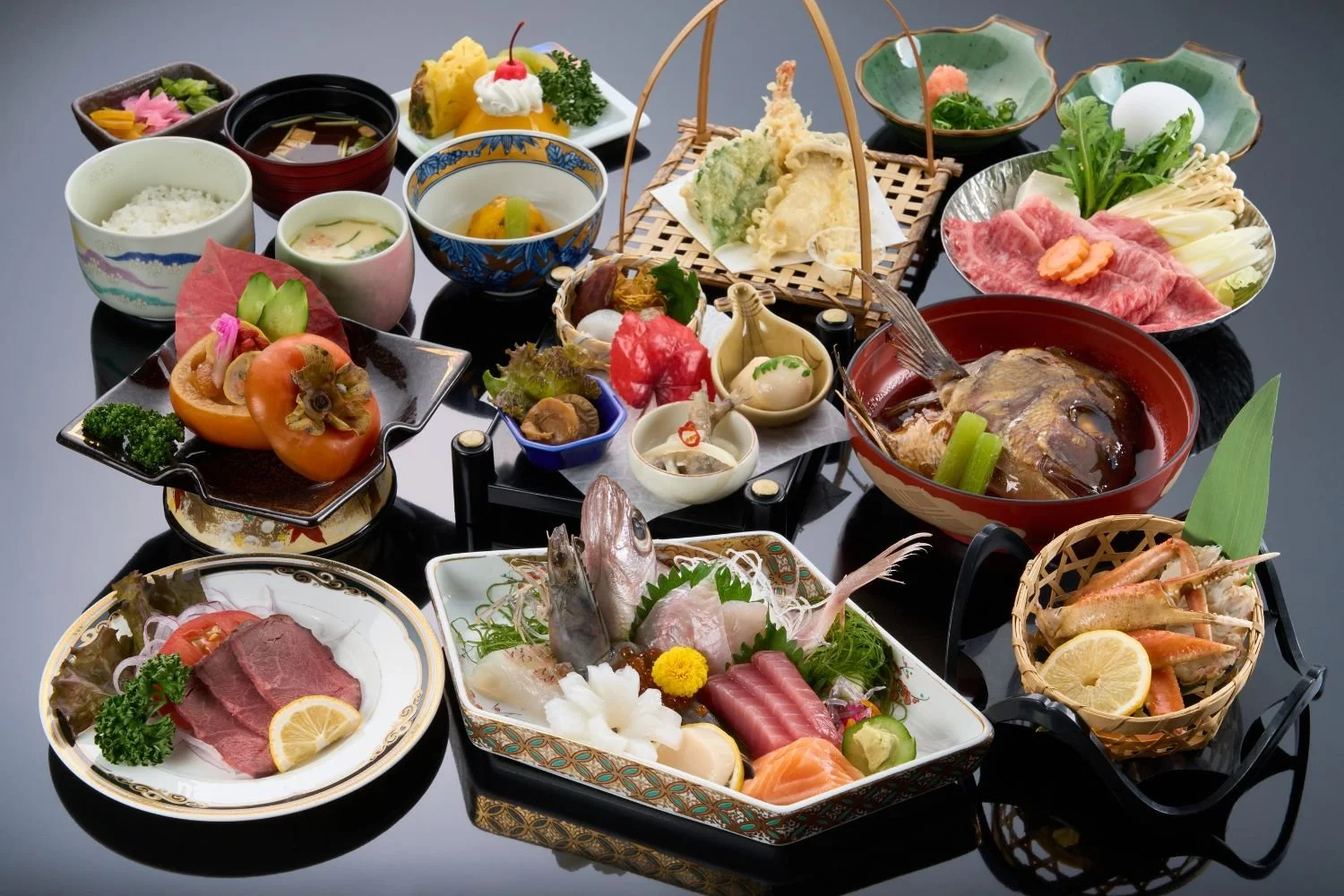
Beyond the familiar canon of sushi, ramen, and tempura lies a richly regional food culture shaped by terroir, seasonality, and tradition. Each prefecture reveals its identity through its ingredients, techniques, and flavour profiles—best appreciated in their place of origin.
This guide maps out Japan’s regional specialities, focusing on dishes that define each area.
(1) Hokkaido (Sapporo, Otaru)
(2) Tohoku (Sendai, Akita, Iwate)
(3) Tokyo
(4) Kanto Region (beyond Tokyo)
(5) Chubu (Nagoya & Central Japan)
(6) Kansai (Osaka, Kyoto, Kobe)
(7) Chugoku (Hiroshima & Okayama)
(8) Shikoku (Kagawa & Kochi)
(9) Kyushu (Fukuoka, Nagasaki, Kumamoto)
(10) Okinawa
(1) Hokkaido: Fresh Seafood & Dairy Excellence
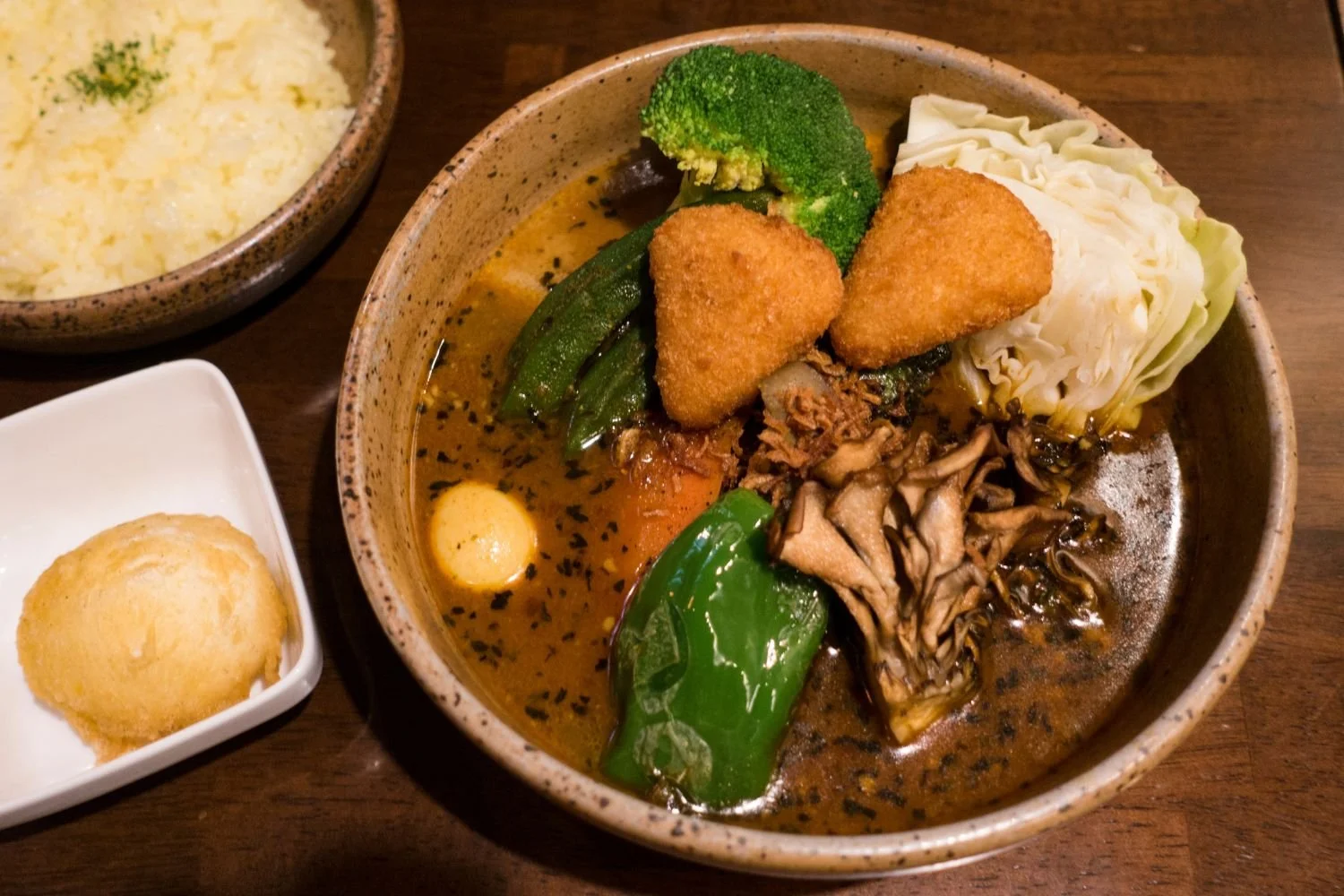
Soup Curry
Hokkaido’s culinary identity is anchored in ingredient quality and clarity of flavour. Its cold waters yield some of Japan’s most prized seafood, often served with minimal intervention to highlight natural sweetness and texture. Dining here feels closely tied to origin, particularly in markets where freshness defines the experience.
The region’s dairy culture is equally distinctive, shaped by its expansive landscapes and cooler climate. Richer, creamier profiles appear across desserts and everyday dishes, offering a subtle contrast to the clean, ocean-driven flavours.
Must-Try Foods:
Kaisendon (Seafood Rice Bowl) – Fresh seafood bowl featuring uni, crab, and ikura, highlighting Hokkaido’s pristine marine flavours.
Soup Curry (Sapporo) – Aromatic, spice-layered curry broth with vegetables and tender proteins, reflecting Sapporo’s innovative comfort food.
Hokkaido Milk & Soft Serve – Cream-rich dairy showcasing the region’s lush pastures and high-quality milk.
Jingisukan (Grilled Lamb BBQ) – Offers a subtle gaminess unique to northern Japan.
(2) Tohoku: Rustic Flavours & Comfort Food
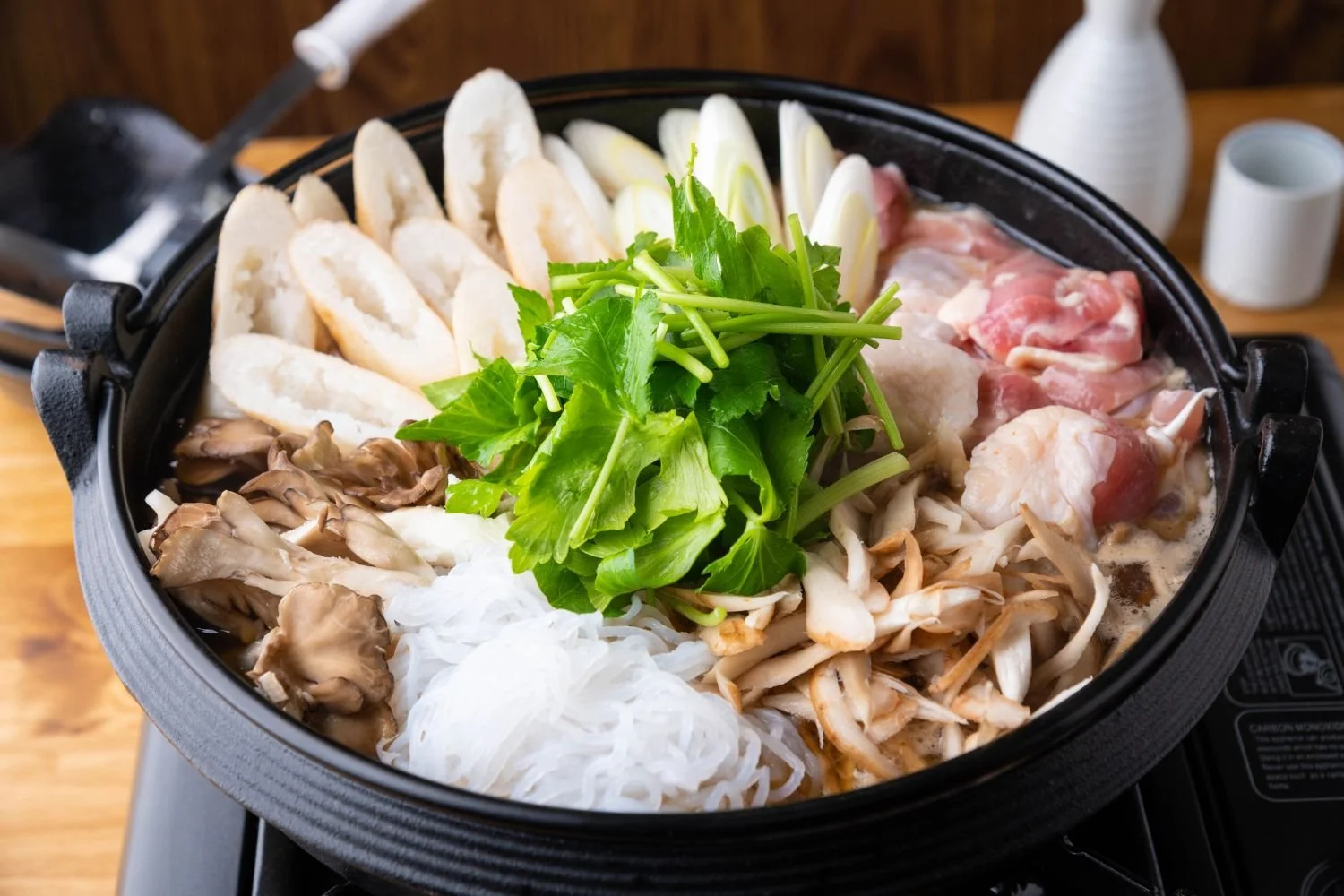
Kiritanpo
Tohoku’s food culture reflects its rural landscape and colder climate, with an emphasis on preservation techniques and hearty compositions. Flavours tend to be deeper and more grounding, shaped by fermentation, grilling, and slow cooking methods.
Dining here often feels more seasonal and cosy, tied to local harvests and traditions rather than urban trends.
Must-Try Foods:
Gyutan (Sendai Grilled Beef Tongue) – Tender, char-grilled beef tongue, celebrated for its smoky exterior and delicate, flavourful bite.
Kiritanpo (Akita Rice Skewers in Hotpot) – Skewered, pounded rice gently simmered in savoury broth, embodying Akita’s hearty, comforting cuisine.
Wanko Soba (Iwate) – An interactive, small-portion soba tradition that combines precise noodle craftsmanship with a lively, communal dining experience.
(3) Tokyo: Modern Meets Traditional
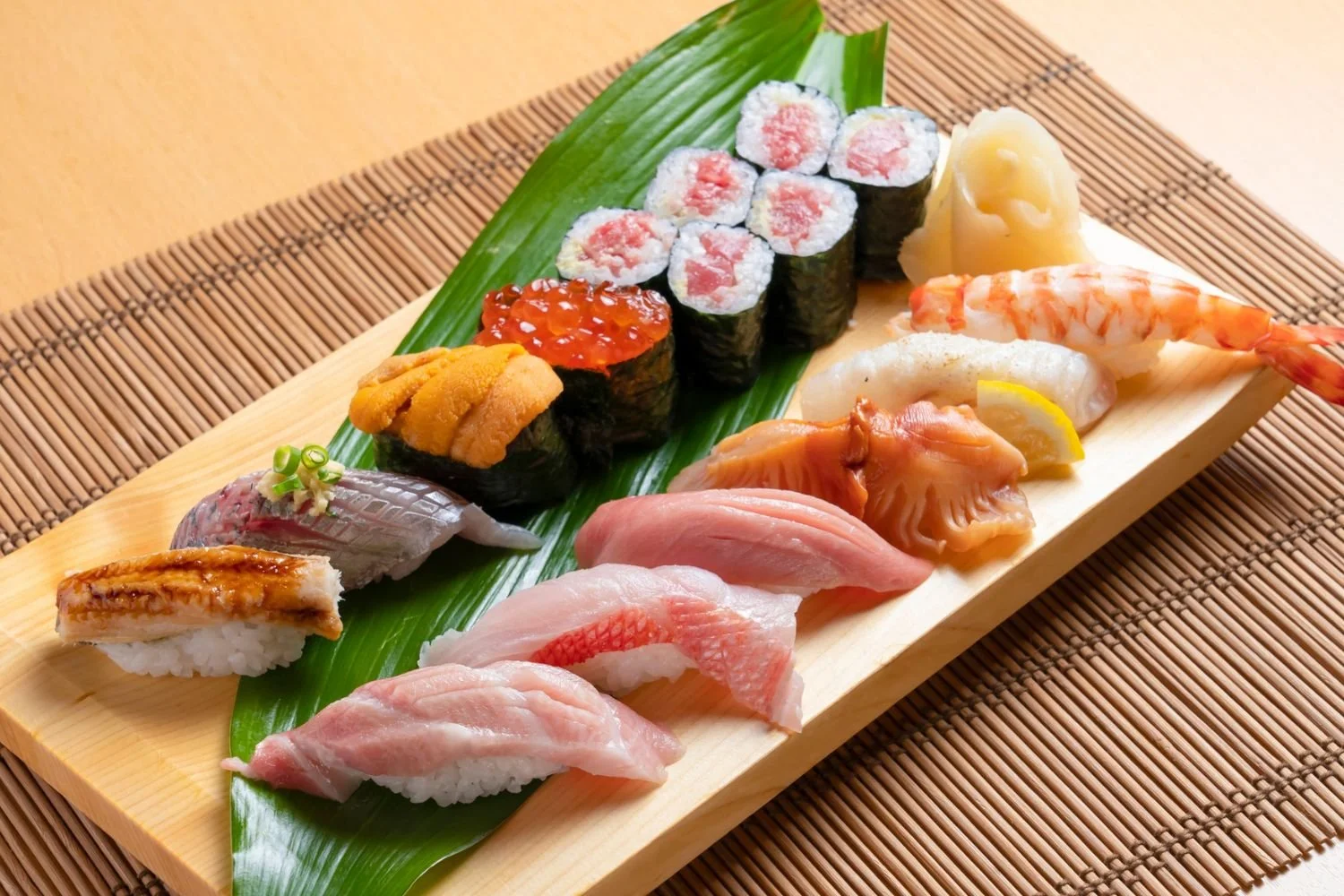
Edomae Sushi
Tokyo operates at multiple culinary levels, where tradition and innovation coexist seamlessly. From refined Edomae sushi to casual street-style monjayaki, the city balances depth, precision, and playfulness in its cuisine.
Must-Try Foods:
Edomae Sushi: Traditional sushi emphasizing curing, aging, and precise seasoning techniques.
Monjayaki: Soft, savory pancake offering a fluid texture and interactive cooking experience.
Tempura (Asakusa): Lightly battered and fried ingredients highlighting ingredient integrity.
Tsukemen: Concentrated dipping ramen with deep, layered broths.
(4) Kanto Region: Local Comfort Classics
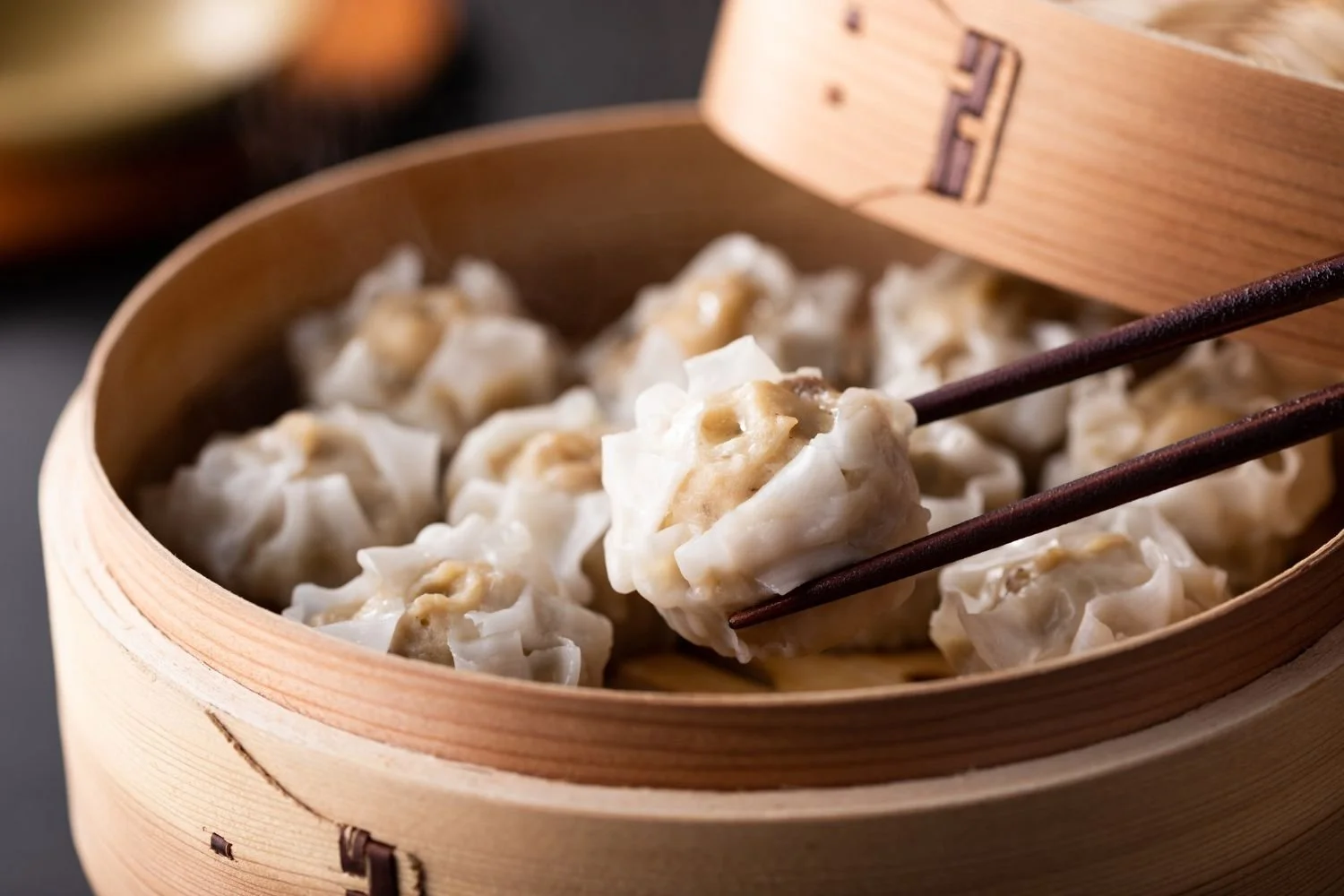
Shumai
Outside Tokyo, the broader Kanto region offers quieter, ingredient-driven specialities that reflect local pride. Dishes here often emphasise balance and allow the primary ingredient to define the flavour profile.
Must-Try Foods:
Hitachi Beef (Ibaraki): Fine-marbled beef with balanced richness and subtle umami.
Namero (Chiba): Herb- and miso-seasoned minced fish, reflecting coastal freshness.
Shumai (Yokohama): Steamed dumplings showcasing the city’s historical Chinese culinary influence.
(5) Chubu (Nagoya & Central Japan): Bold & Hearty Flavours
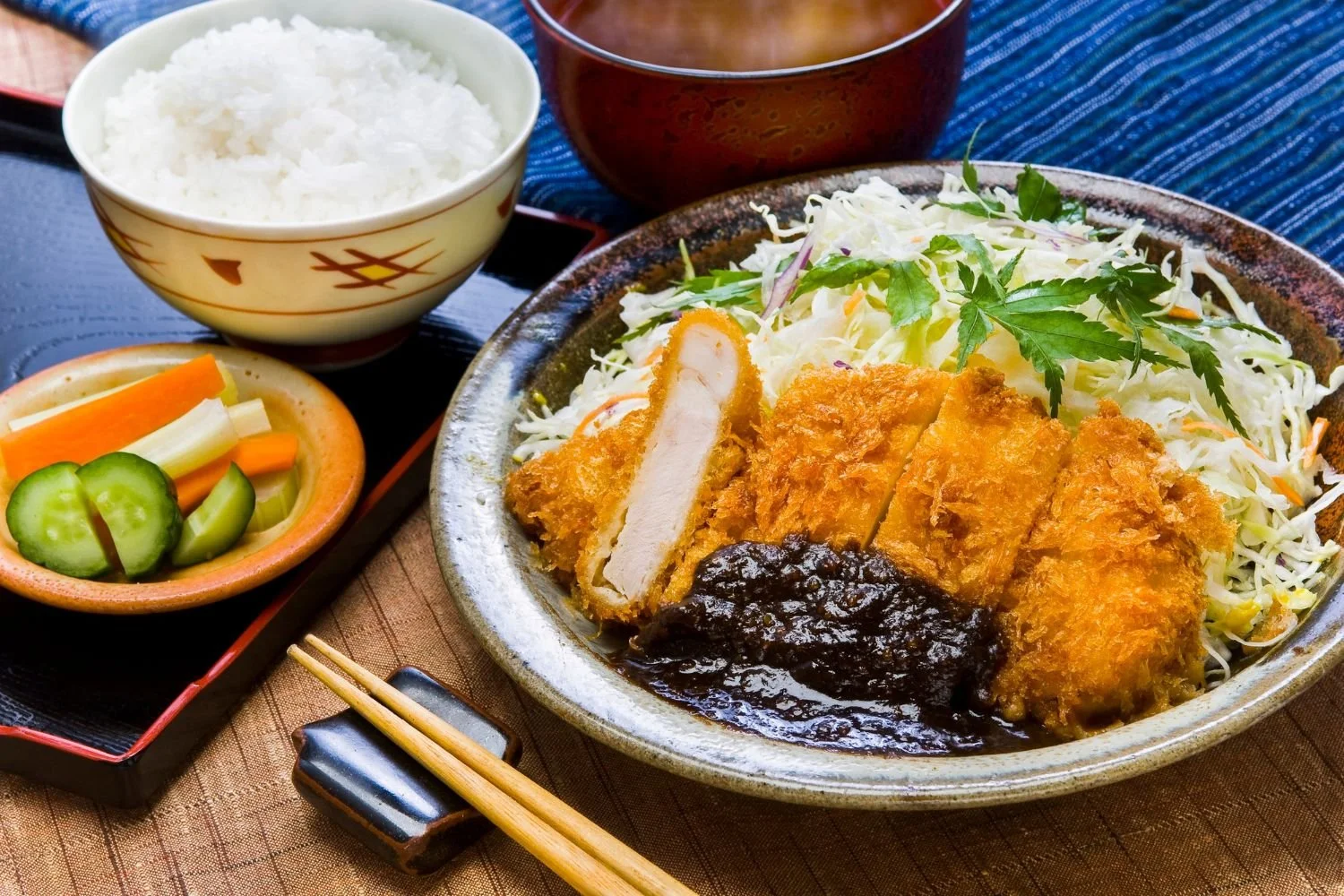
Miso Katsu
Chubu leans toward strong, assertive profiles, with Nagoya known for hatcho miso richness and Yamanashi for rustic, hearty noodle soups. The region offers structured, satisfying flavours suited to colder climates.
Must-Try Foods:
Miso Katsu (Nagoya): Breaded pork cutlet enriched with bold hatcho miso sauce.
Hitsumabushi: Multi-step grilled eel rice dish blending texture, seasoning, and broth.
Hoto Noodles (Yamanashi): Thick, chewy noodles in hearty miso-based soup.
(6) Kansai: Japan’s Kitchen
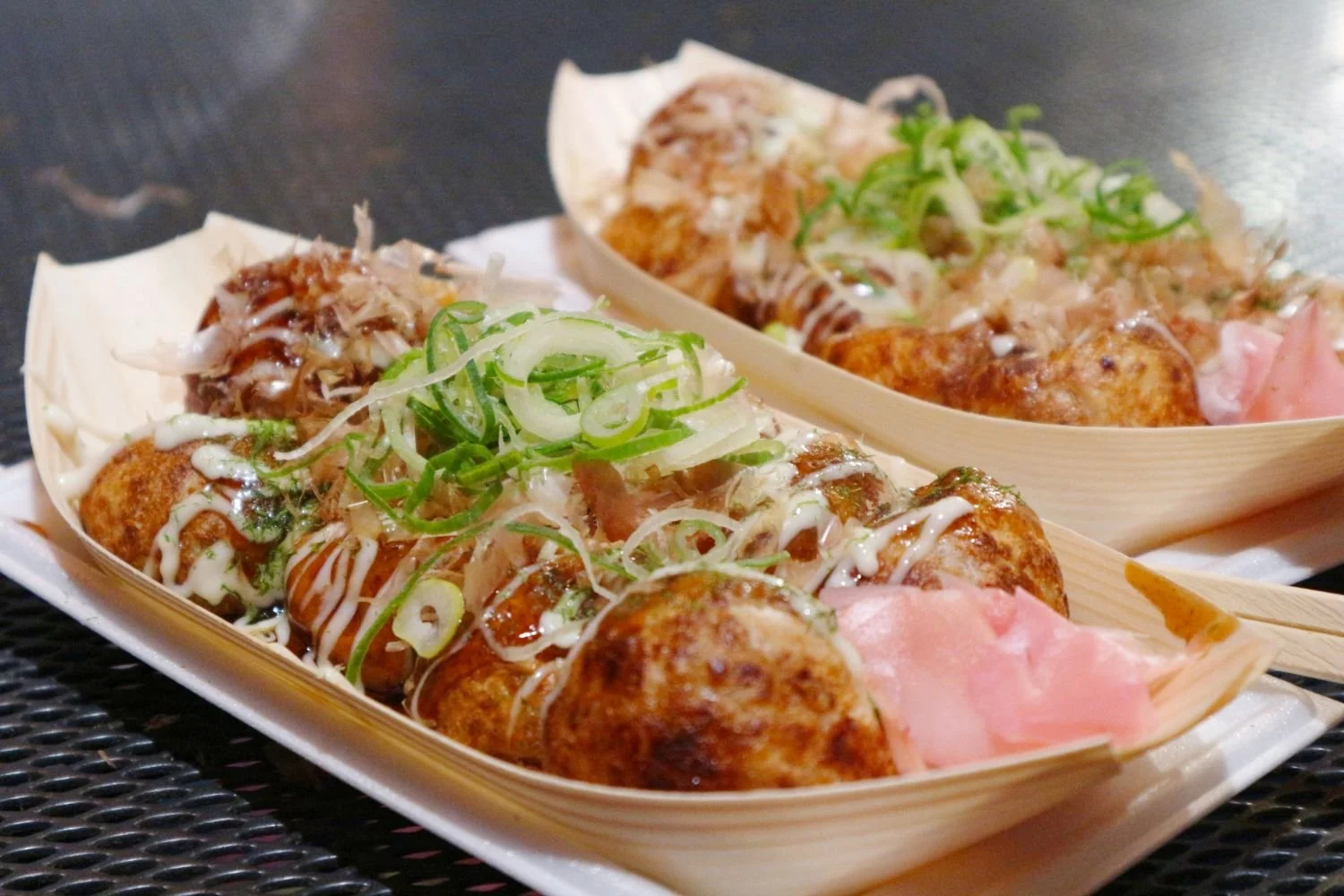
Takoyaki
Kansai presents a nuanced, balanced approach. Osaka delights with street food vibrancy, Kyoto with seasonal refinement, and Kobe with precise, buttery beef—making it a region that rewards careful tasting and appreciation.
Must-Try Foods:
Takoyaki (Osaka): Crisp-on-the-outside, molten-on-the-inside octopus balls.
Okonomiyaki: Savory layered pancake reflecting regional variations and textural balance.
Kaiseki Cuisine (Kyoto): Multi-course seasonal dining emphasizing subtlety, presentation, and harmony.
Kobe Beef: Exceptionally marbled beef with buttery texture and rich flavour.
(7) Chugoku: Unique Regional Twists
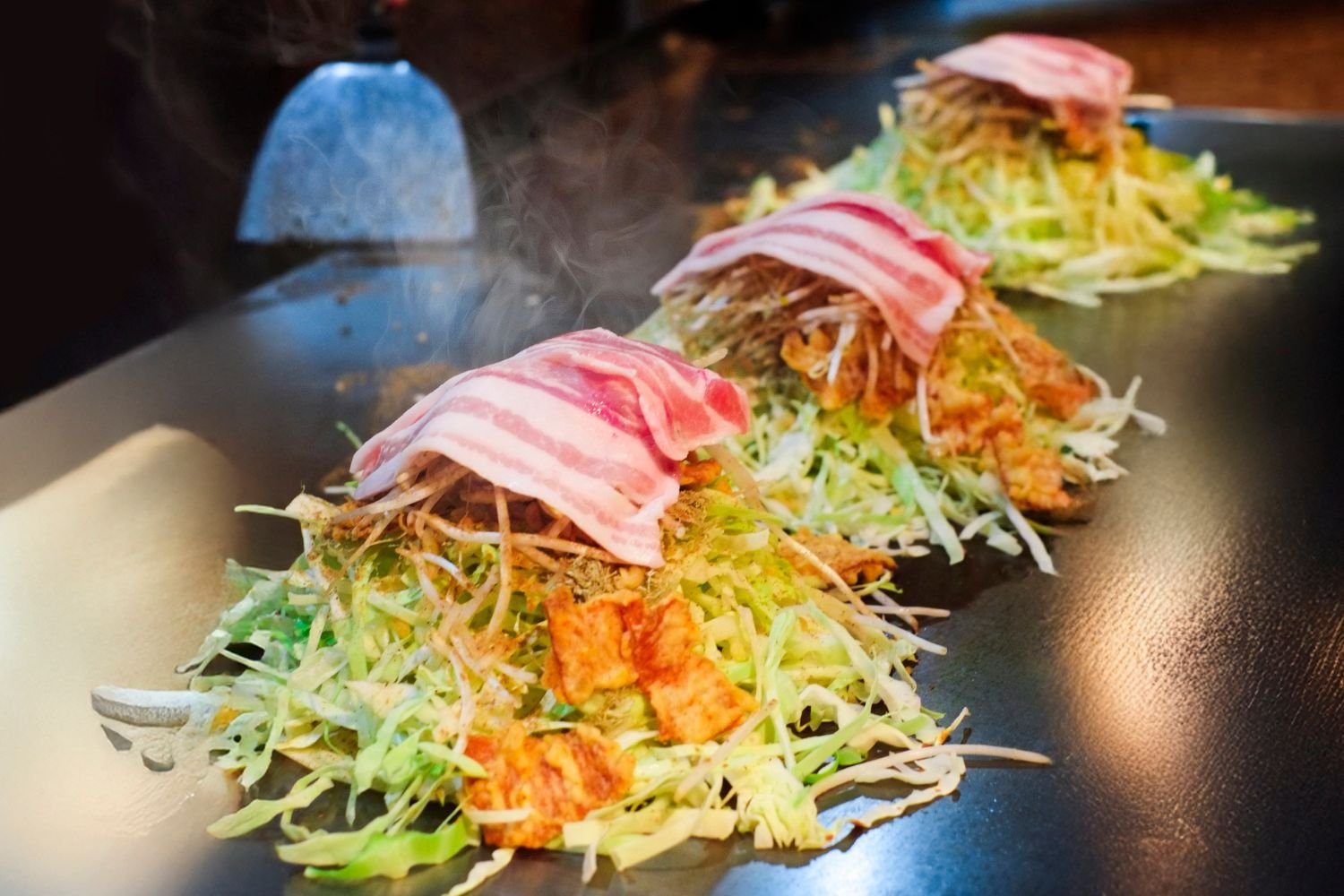
Hiroshima Okonomiyaki
Chugoku highlights how familiar dishes evolve across regions. Local adaptations introduce shifts in structure, texture, and flavour, reflecting strong regional identity.
There is also a noticeable interplay between traditional Japanese elements and subtle Western influences.
Must-Try Foods:
Hiroshima Okonomiyaki: Layered savory pancake incorporating noodles for unique texture.
Oysters (Hiroshima): Plump, briny oysters often enjoyed simply to highlight freshness.
Demi-Katsu Don (Okayama): Breaded pork cutlet with demi-glace sauce, blending Japanese and Western influences.
(8) Shikoku: Simple, Local & Underrated
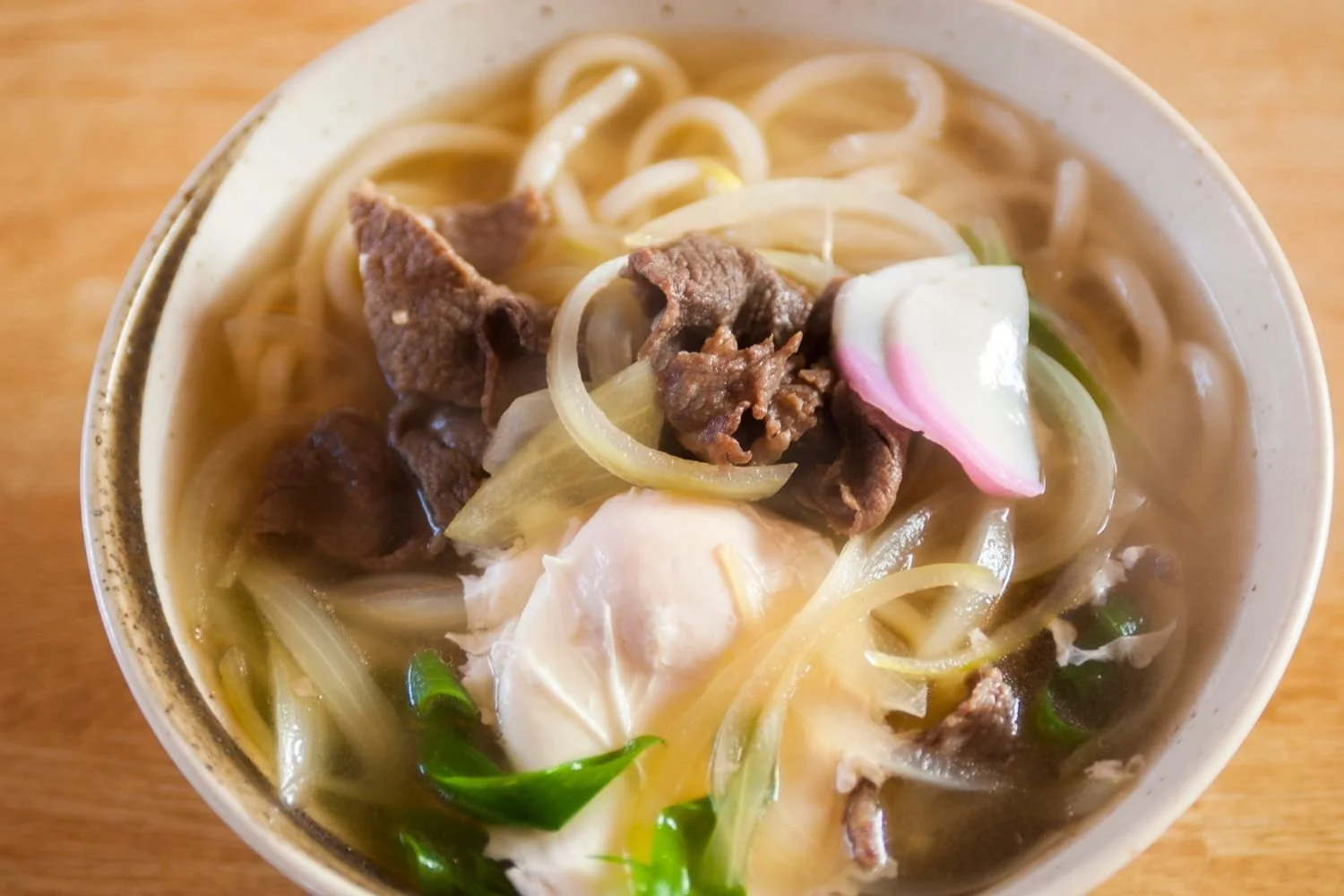
Sanuki Udon
Shikoku’s cuisine is defined by restraint, with a focus on technique and ingredient quality. Dishes are often deceptively simple, placing full emphasis on execution and balance.
The region rewards a more attentive palate, where subtle differences become more apparent.
Must-Try Foods:
Sanuki Udon (Kagawa): Firm, springy noodles served in a clean, umami-rich broth.
Katsuo Tataki (Kochi): Lightly seared bonito with smoky aroma and fresh, clean taste.
(9) Kyushu: Rich & Flavourful
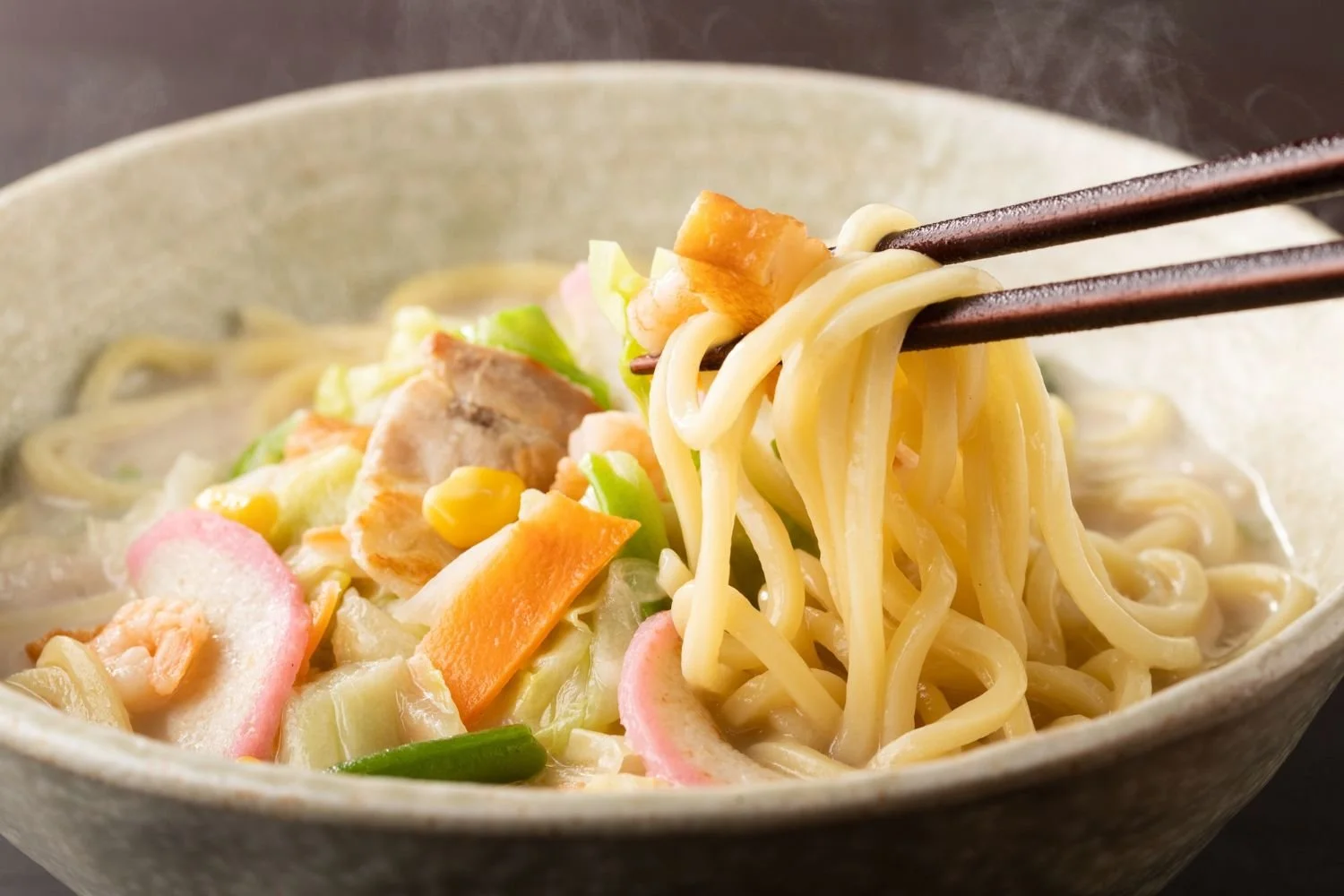
Champon
Kyushu’s flavours are more pronounced, shaped by both regional preferences and historical trade influences. The cuisine embraces richness and depth, often through slow cooking and robust broths.
There is also a noticeable diversity across the region, with each prefecture offering distinct variations.
Must-Try Foods:
Tonkotsu Ramen (Fukuoka): Rich, emulsified pork bone broth ramen with pronounced umami.
Champon (Nagasaki): Chinese-influenced noodle dish combining seafood, vegetables, and hearty broth.
Basashi (Kumamoto): Thinly sliced raw horse meat with clean taste and delicate texture.
(10) Okinawa: Tropical & Unique Cuisine
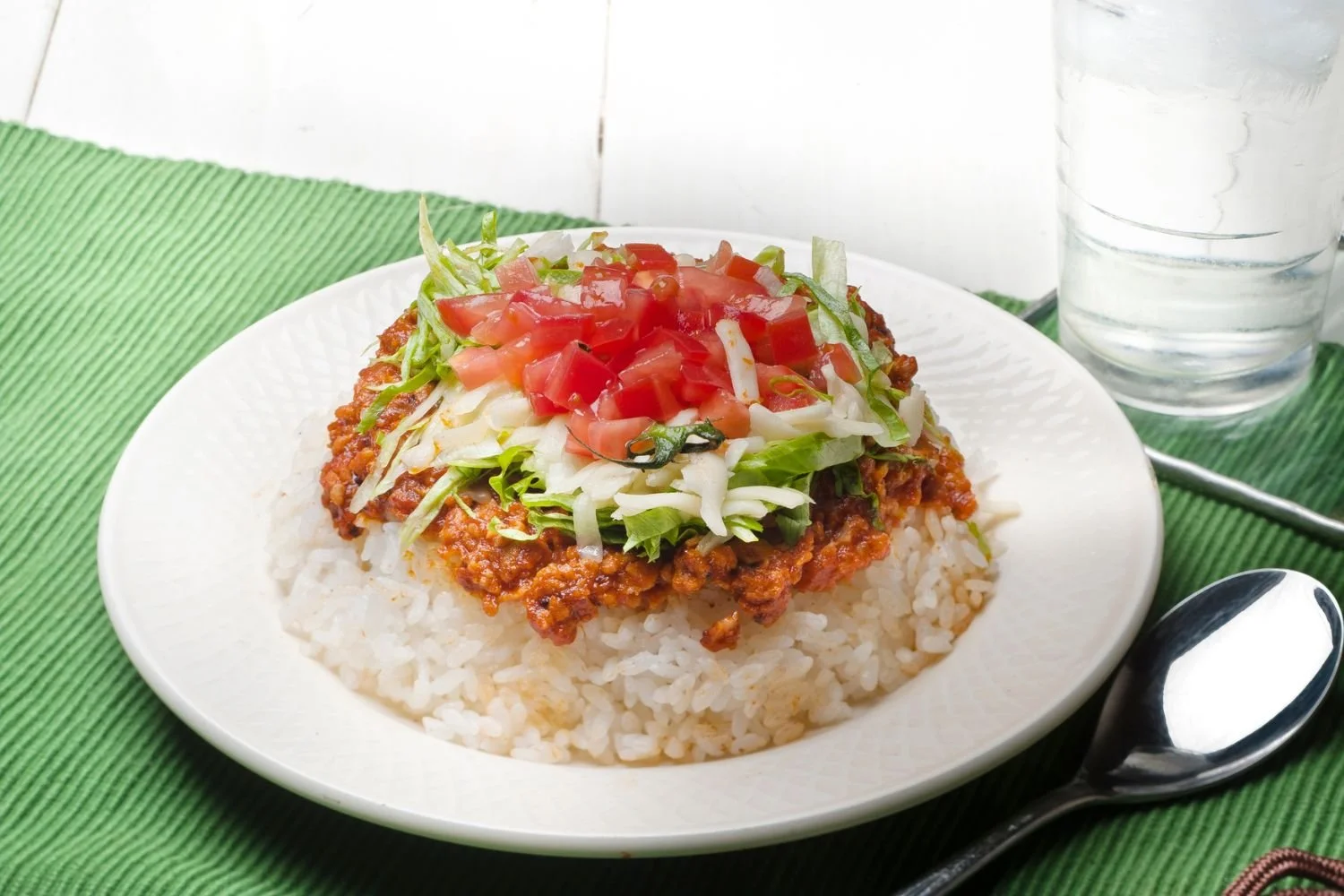
Taco Rice
Cuisine in Okinawa diverges from mainland Japan, shaped by its unique history and external influences. The flavours are often more rustic and direct, with a strong emphasis on home-style cooking.
Dishes here reflect a blending of cultures, resulting in something distinctly local rather than traditionally Japanese.
Must-Try Foods:
Goya Champuru: Stir-fried bitter melon with proteins, balancing bitterness and umami.
Okinawa Soba: Thick noodles in light, pork-based broth with subtle regional flavour.
Taco Rice: American-Japanese fusion of seasoned meat, rice, and fresh toppings unique to Okinawa.
Experiencing Japan Through Its Regional Flavours
Japan’s regional cuisine offers more than just variety—it brings a sense of place to every meal. Exploring these local specialities adds a deeper, more memorable layer to any trip, where each destination is experienced not just through sights, but through flavour.
*All images in this article are sourced from Canva.
Enjoyed reading our articles? Check out others below!


Japan’s convenience stores offer far more than quick snacks, with each of the big 3 chains having its own signature foods and seasonal favourites. Discover what to buy at 7-Eleven, Lawson and FamilyMart on your next Japan trip.