
A Pilgrimage to Sacred Wakayama: A Journey Through Culture, Craft, and Spiritual Landscapes
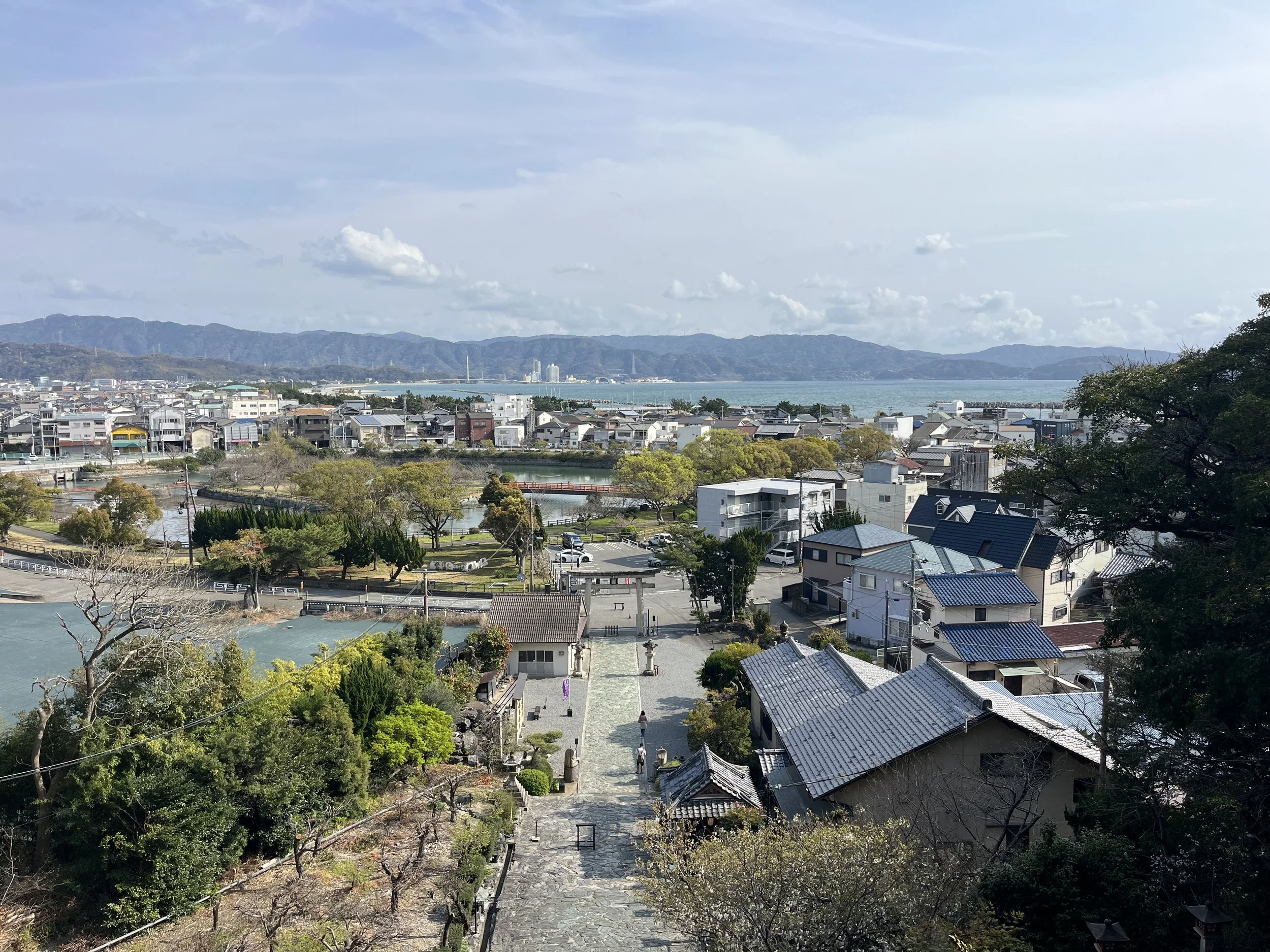
View from Wakanoura Tenmangu
Source: Japan Navi Journey
Located just south of Osaka, about an hour from Kansai International Airport, Wakayama offers a different rhythm of travel in Japan—one shaped not by speed, but by stillness. Stretching from coastal shores to mountainous interiors, the prefecture is rich in natural beauty, spiritual heritage, and deeply rooted traditions.
From the historic gateway of Wakayama City, to the sacred mountain enclave of Koyasan, and the ancient trails of the Kumano Kodo, Wakayama unfolds as a journey that connects history, pilgrimage, and poetry.
Culture & Heritage
(1) Wakayama City and Wakayama Castle
(2) Wakanoura
Craft & Cultural Experience
(3) Waka Poetry at Tamatsushima Shrine
Spirituality & Pilgrimage
(4) Koyasan
(5) Temple Lodging
Nature & Pilgrimage
(6) Kumano Kodo
Food & Local Delights
(7) Wakayama’s Fresh Seafood and Seasonal Produce
Culture & Heritage
(1) Wakayama City and Wakayama Castle
Source: Japan Navi Journey
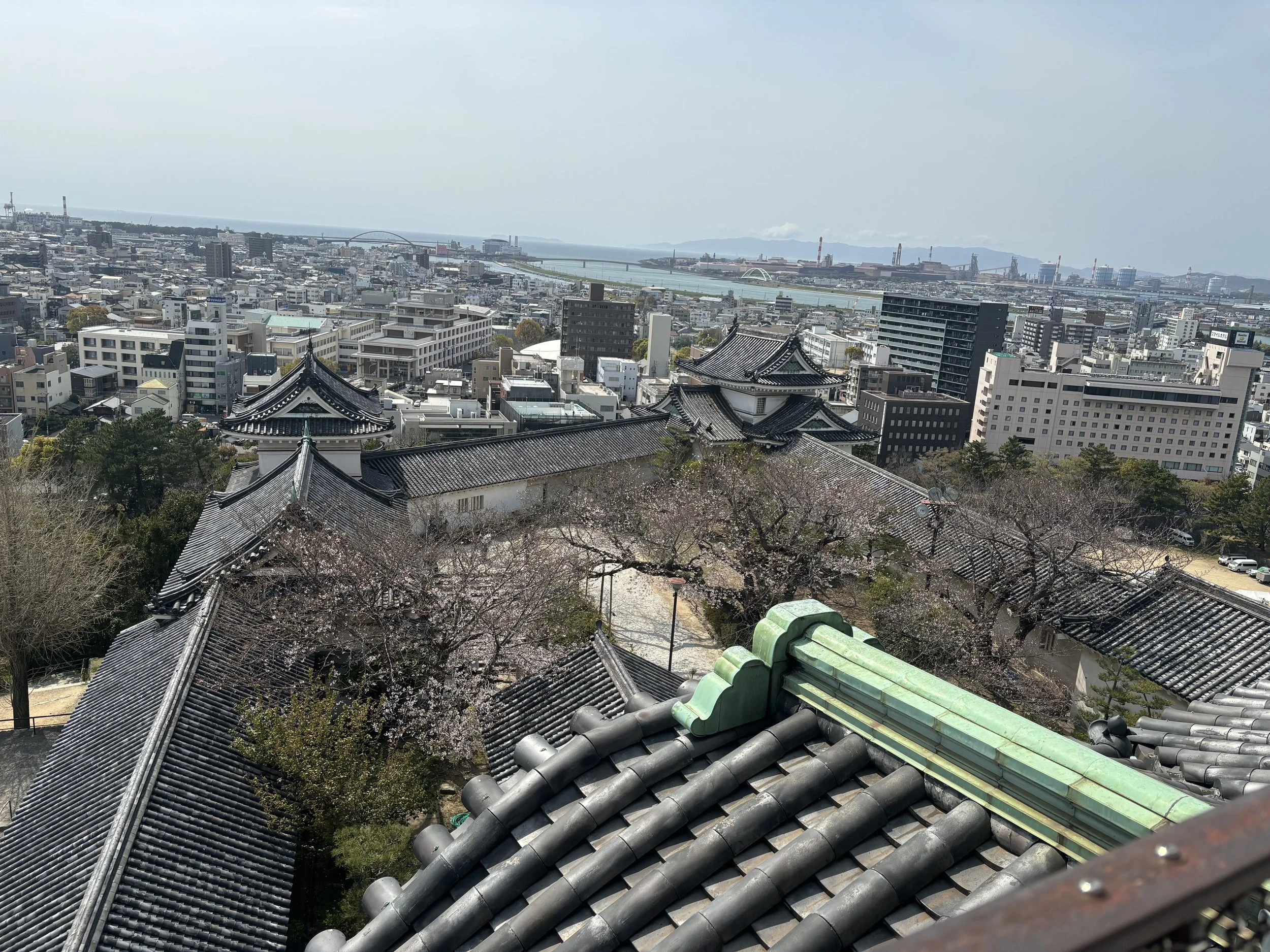
Wakayama City is where sea and mountains converge, shaping both its landscape and historical significance. As the gateway to Wakayama Prefecture, it offers an accessible yet layered introduction to the region.
Source: Japan Navi Journey
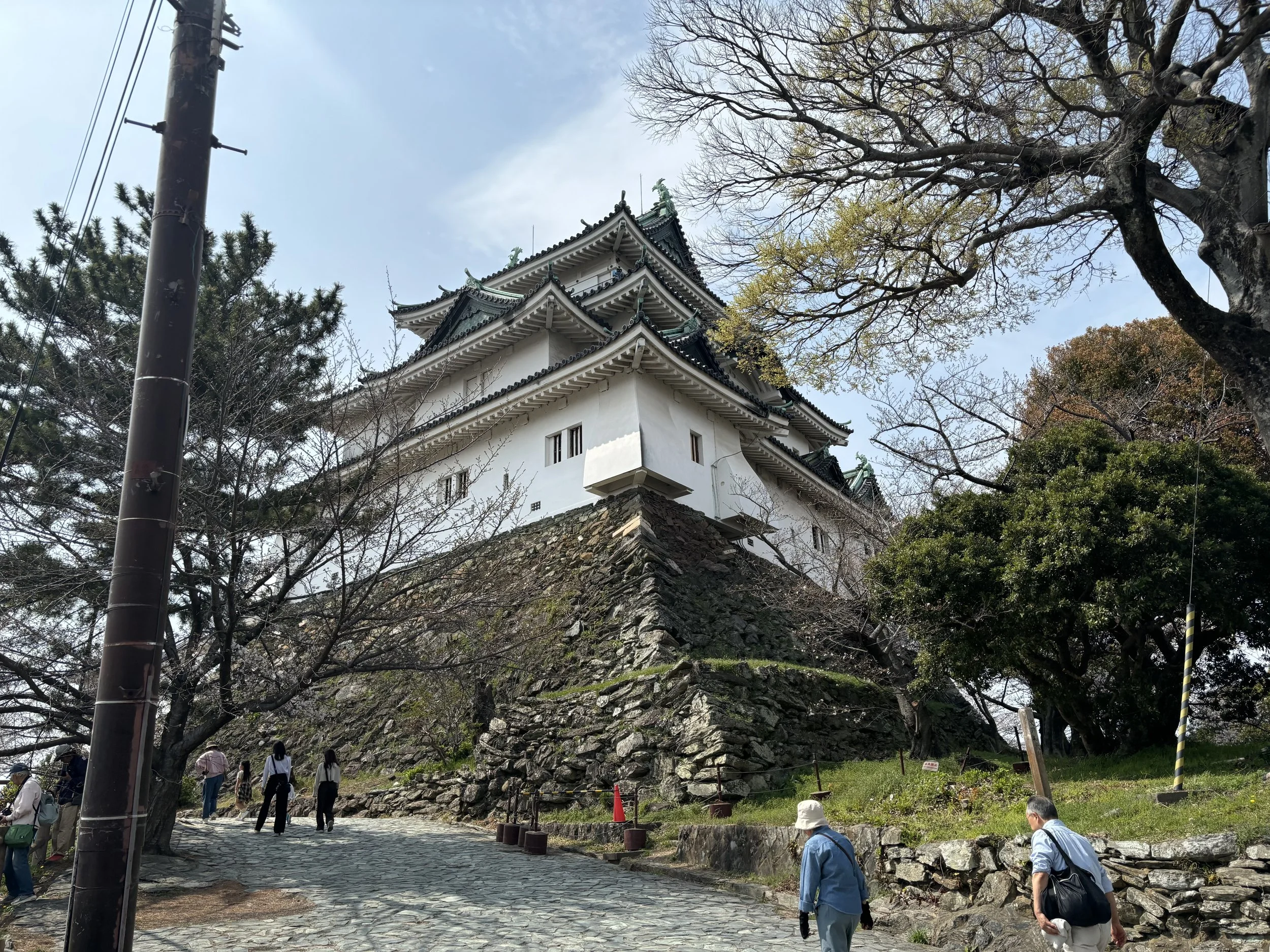
At its centre stands Wakayama Castle, a symbol of political power during the Edo period. Once governed by the Tokugawa clan, the castle established Wakayama as an important stronghold in early modern Japan. Today, its reconstructed tower offers panoramic views of the city—revealing how geography once defined influence and connectivity.
Wakayama Castle
Location: 3 Ichibancho, Wakayama City, Wakayama, Japan 640-8146
Opening hours: 9am - 5.30pm daily
Website
(2) Wakanoura
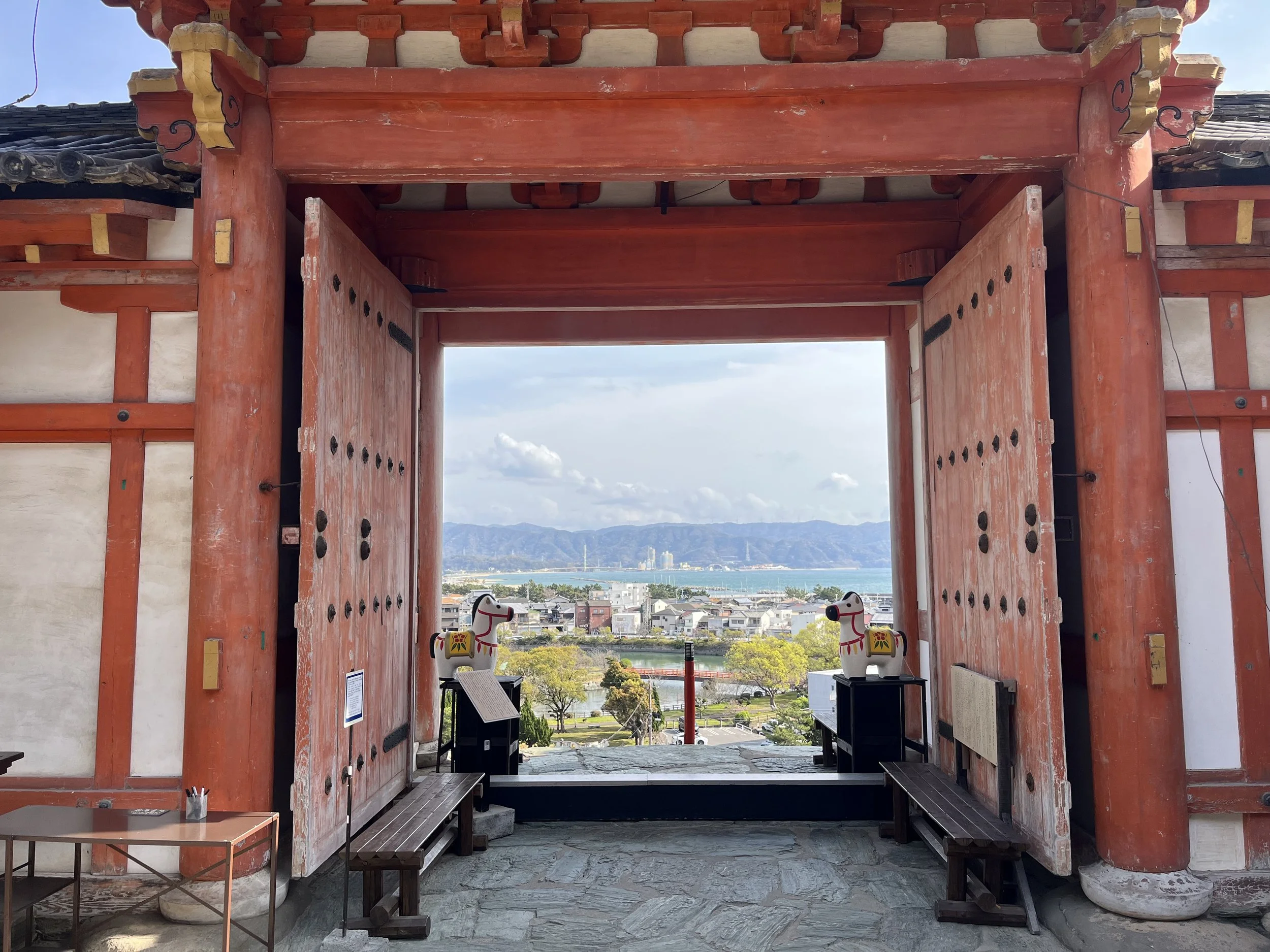
Wakanoura Tenmangu
Source: Japan Navi Journey
Beyond the castle lies Wakanoura, a coastal area long celebrated in classical Japanese literature. For centuries, it has inspired waka poetry, drawing emperors and aristocrats who sought to capture its quiet beauty in verse.
Here, culture is not confined to history books—it lives within the landscape itself. The gentle interplay of sea, light, and pine-covered shores creates a setting that feels both timeless and contemplative.
Craft & Cultural Experience
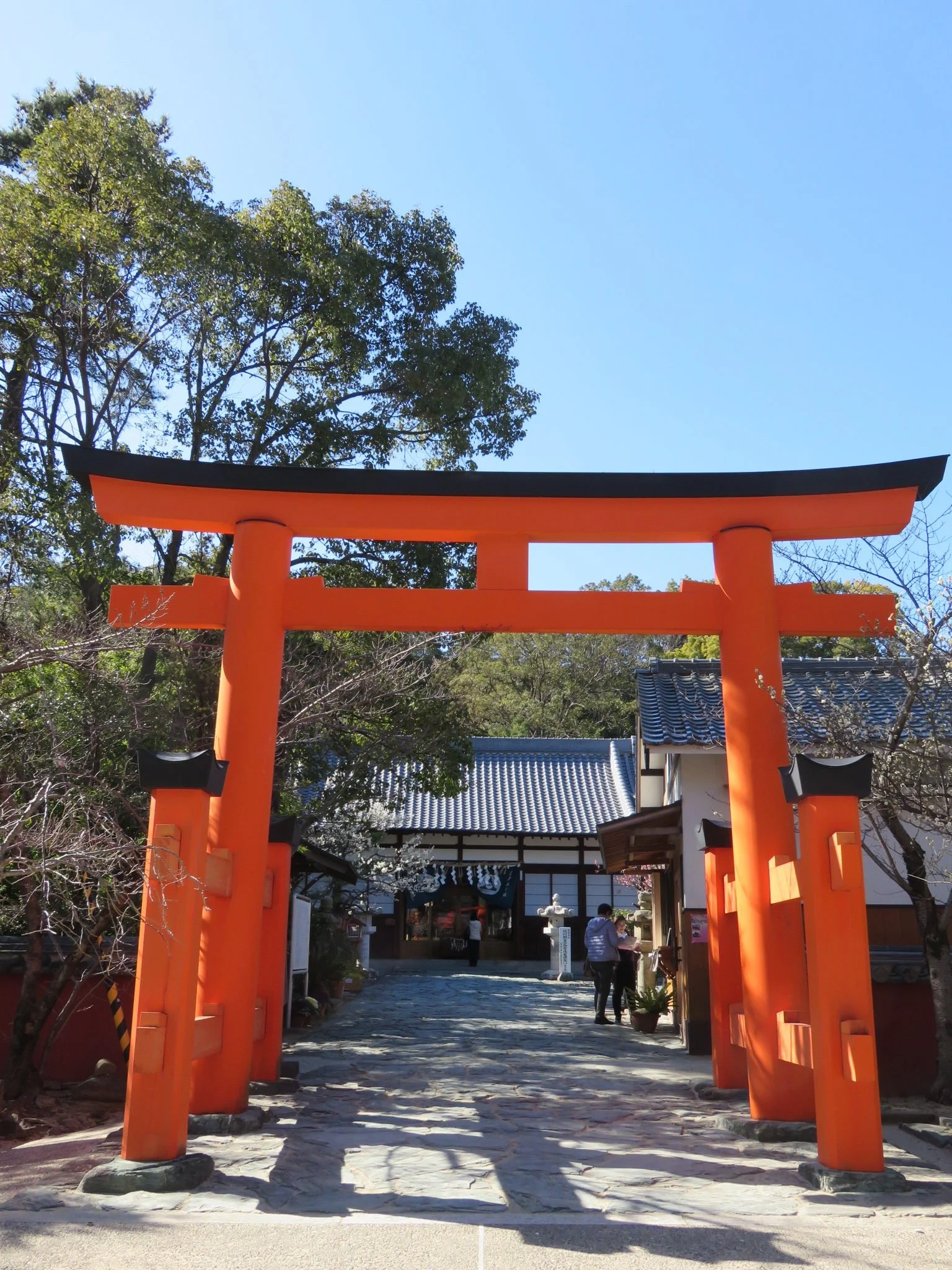
(3) Waka Poetry at Tamatsushima Shrine
Source: Tamatsushima Shrine
Located along the scenic shores of Wakanoura, Tamatsushima Shrine is a quietly revered site long associated with the poetic spirit of Wakayama. Dedicated to the goddess of poetry, it has historically been a place where inspiration and language intertwine, drawing those who seek to express emotion through verse.
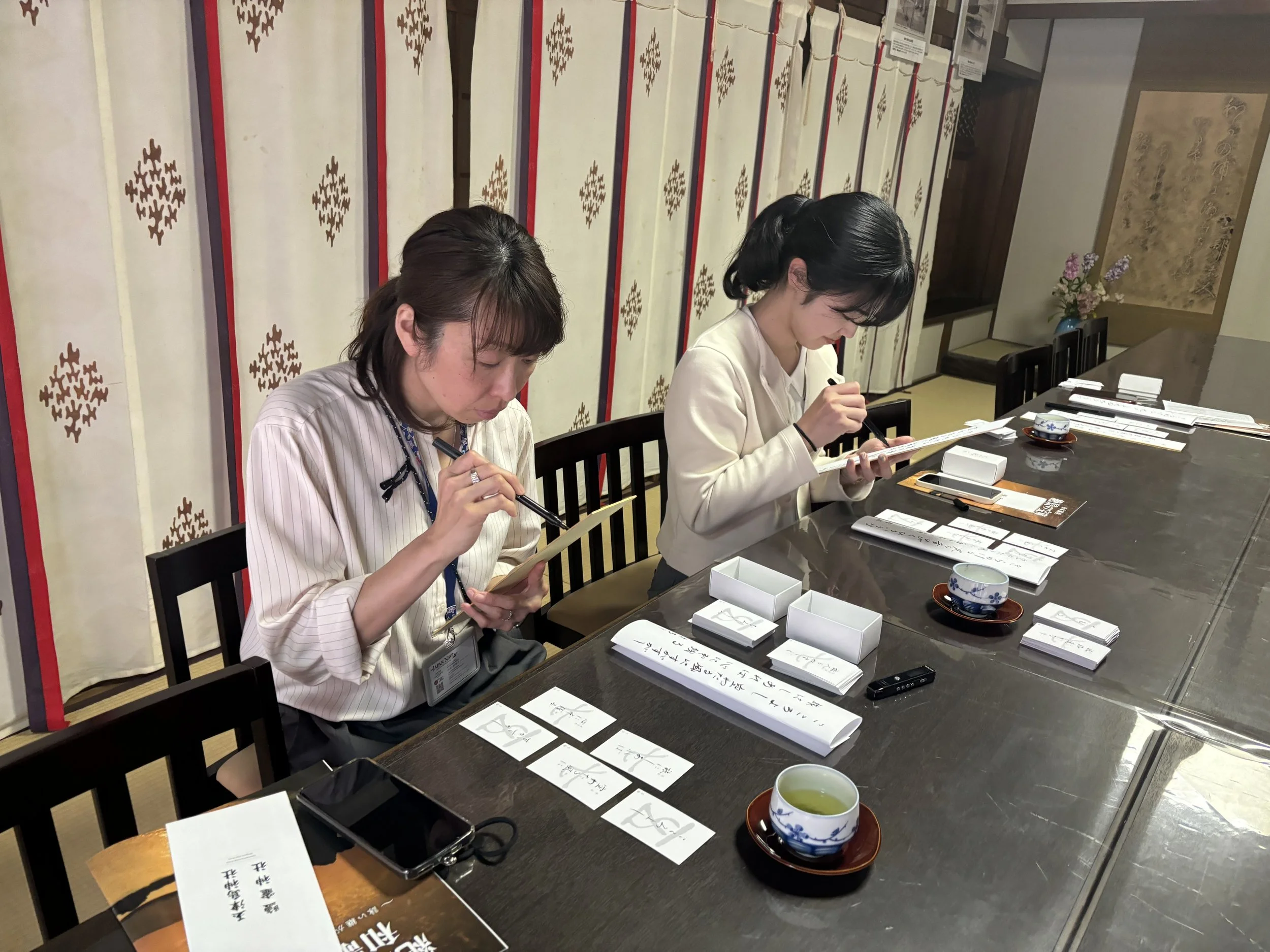
Source: Japan Navi Journey
This practice reflects a broader aspect of Japanese craftsmanship—not only in objects, but in expression. Writing poetry here becomes a mindful act, encouraging observation, restraint, and emotional clarity.
Location: 3-4-26 Wakauranaka, Wakayama, 641-0025 Japan
Opening hours: 9am - 4pm daily
Website
Spirituality & Pilgrimage
(4) Koyasan
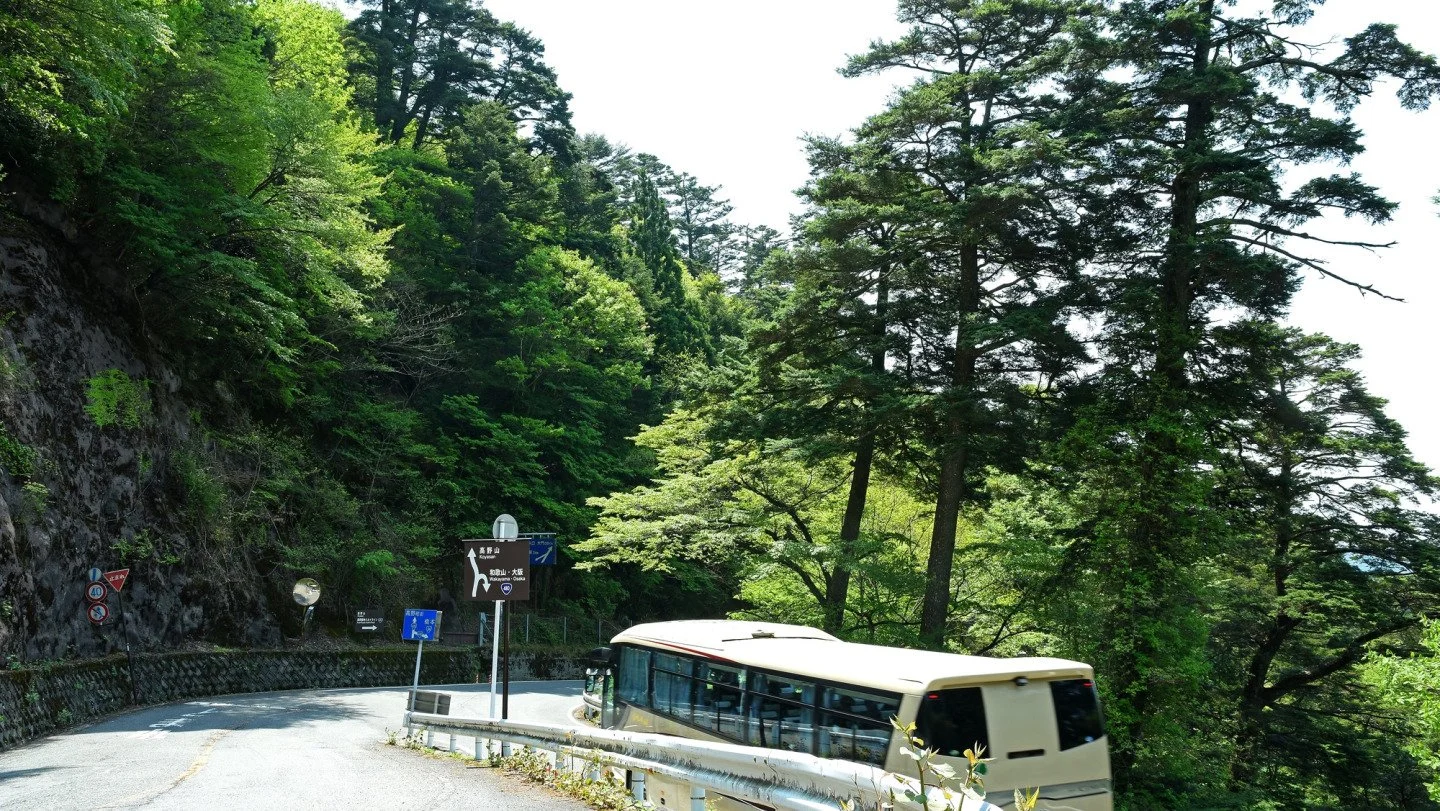
High in the mountains lies Koyasan, a spiritual centre founded over 1,200 years ago by Kobo Daishi. Born as Kukai, he is one of Japan’s most revered religious figures and the founder of Shingon Buddhism, having introduced esoteric Buddhist teachings to Japan after his studies in China.
As the heart of Shingon Buddhism, Koyasan remains an active monastic community and a UNESCO World Heritage site, where centuries-old practices are still preserved in daily life.
Sacred Sites of Koyasan
The spiritual landscape of Koyasan unfolds across three key areas. Danjo Garan represents the origin of Buddhist teachings here, with its striking pagoda and symbolic architecture. Kongobu-ji Temple offers insight into monastic life and refined aesthetics, while Okunoin presents one of Japan’s most profound pilgrimage experiences.
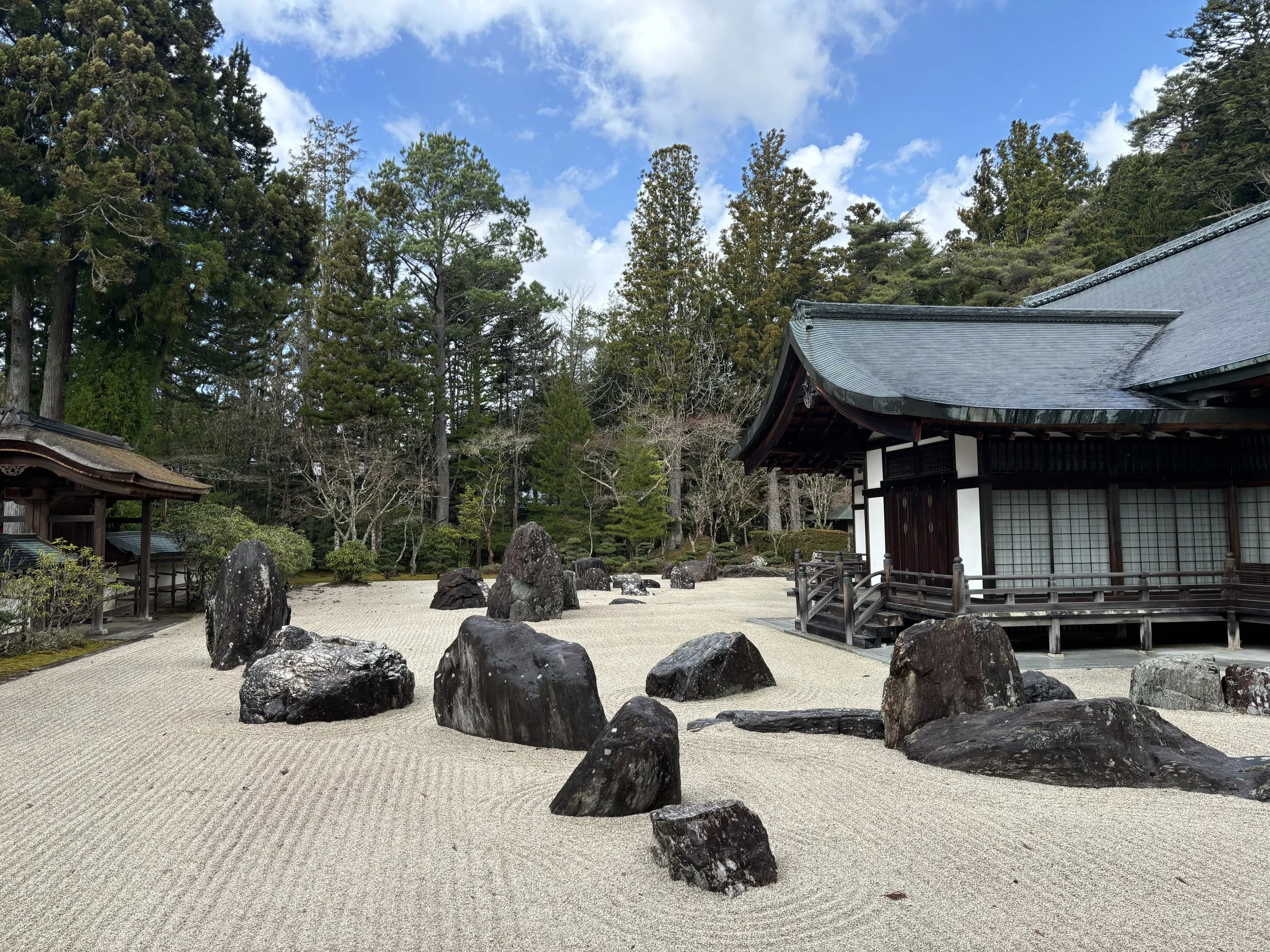
Kongobu-ji Temple
Source: Japan Navi Journey
(5) Temple Lodging
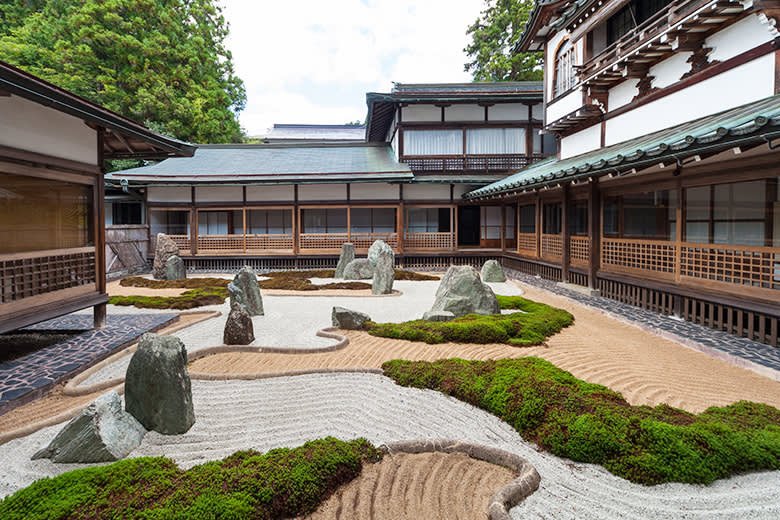
A stay in a temple lodging (shukubo) allows visitors to engage with Koyasan beyond observation. Of the 117 temples in the area, almost half of them provide accommodation. Each temple has its own unique character and charm, offering a warm welcome alongside traditional Buddhist cuisine. Many also allow guests to take part in meditation sessions, morning prayers, and other rituals, offering a rare opportunity to experience Buddhist practices firsthand.
Nature & Pilgrimage
(6) Kumano Kodo
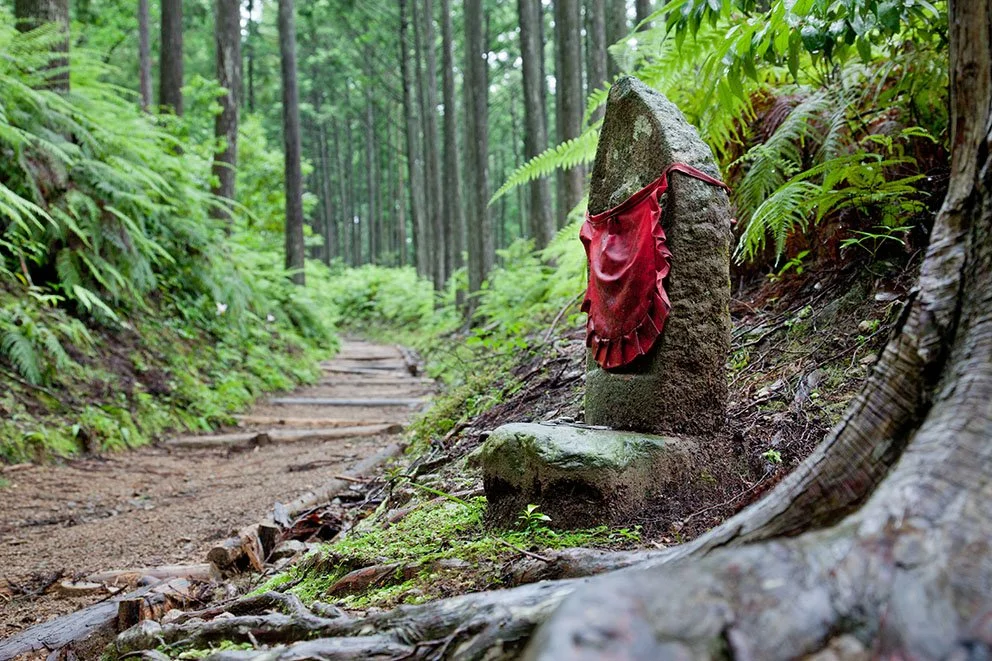
Nakahechi Imperial Route
Source: Tanabe City Kumano Tourism Bureau
The Kumano Kodo is Japan’s ancient pilgrimage network, with a history spanning over 1,000 years. Once travelled by retired emperors, aristocrats, samurai, and common people alike, these arduous journeys were undertaken in search of spiritual renewal and enlightenment. The routes weave across the mountainous Kii Peninsula in Wakayama, connecting the sacred Kumano Sanzan shrines. Today, the Kumano Kodo remains a living heritage trail, where each path still reflects centuries of devotion, nature worship, and quiet perseverance.
Exploring Kumano Kodo
Kumano Kodo can be explored through short day walks or multi-day journeys, depending on your pace and interest. Hiring a knowledgeable guide enhances the experience, offering insights into local history, seasonal changes, and the lives of those who have long inhabited these mountains.
Spring (late March to May) and autumn (October to November) are the best times to visit. Preparation is key—comfortable hiking shoes, layered clothing, and respect for local customs ensure a safe and meaningful journey.
Access: Take a bus from Shirahama or Tanabe, towards the Hongu area along Highway 311
Website
Food & Local Delights
(7) Wakayama's Fresh Seafood and Seasonal Produce
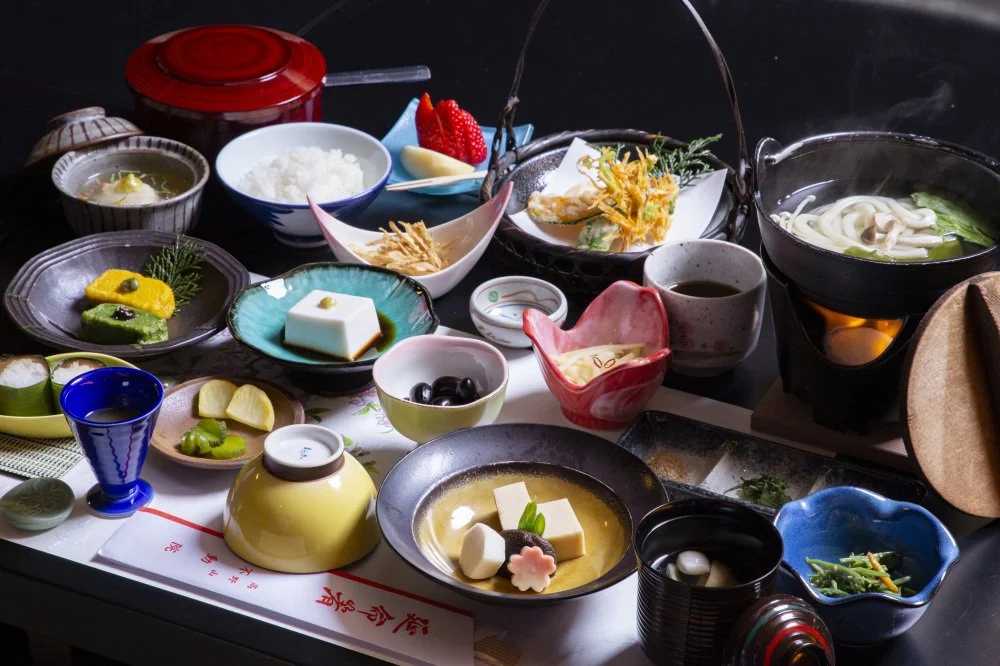
Shojin Ryori
Source: The Official Wakayama Travel Guide
While a pilgrimage to Wakayama centres on history and spirituality, its local delights offers a more immediate way to connect with the region. In Wakayama City, the flavours of the sea come alive through shirasu-don (delicate whitebait over rice), freshly cut tuna, and the comforting depth of Wakayama ramen.
Further inland, the landscape reveals another side of its bounty—Wakayama’s famed ume (Japanese plums), transformed into tangy umeboshi or smooth umeshu, alongside sun-ripened mandarins.
In Koyasan, the culinary experience shifts toward simplicity and mindfulness through shojin ryori, a traditional Buddhist vegetarian cuisine. Prepared without meat or fish, these meals focus on tofu, mountain vegetables, and carefully balanced flavours—offering nourishment that aligns with the spiritual atmosphere of temple life.
A Journey of Meaning in Japan
From Wakayama Castle in Wakayama City to the quiet sanctuaries of Koyasan and the sacred trails of the Kumano Kodo, Wakayama unfolds as a journey of depth, not distance.
Here, culture, craftsmanship, spirituality, and nature flow as one—inviting you to slow down, look closer, and experience Japan with a deeper sense of meaning.
Enjoyed reading our articles? Check out others below!


From Hokkaido’s early autumn colours to Kyoto’s November foliage, discover 10 destinations across Japan for spectacular scenery, seasonal food and memorable cultural experiences.