
Japan’s Must-See Seasonal Festivals: 15 Unique Celebrations Across the Year
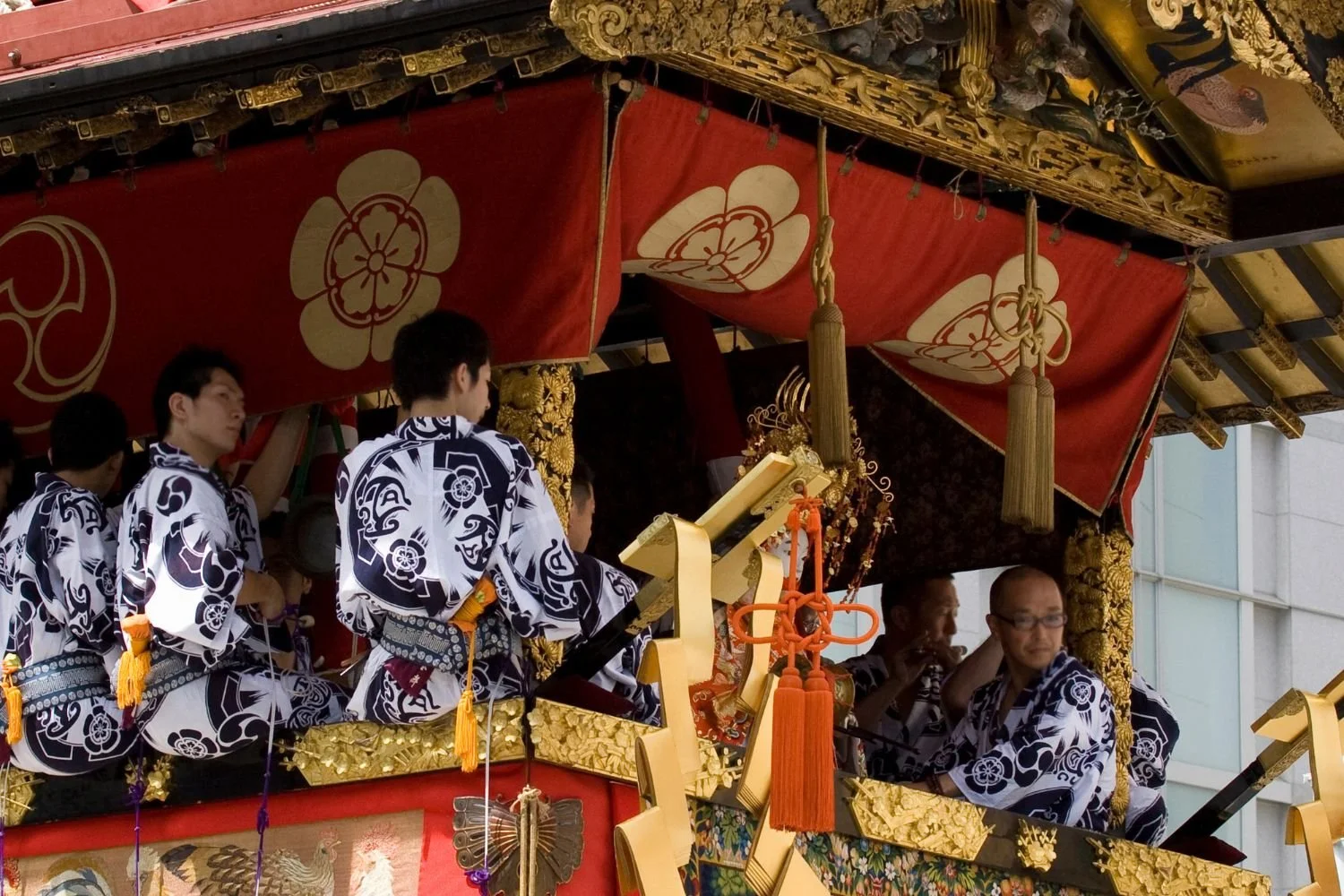
Gion Festival
Source: Canva
Japan comes alive in every season with festivals that showcase its rich history, local traditions, and community spirit. From illuminated floats in Aomori to graceful dances in Toyama and spectacular fireworks in Tokyo, these celebrations offer travellers immersive experiences beyond typical sightseeing. Participating in or witnessing these festivals is a chance to feel authentic local life, taste seasonal foods, and capture unforgettable moments.
Whether you’re planning a summer adventure through Tohoku or a winter trip to Hokkaido, this guide highlights 15 unique festivals arranged by season, helping you discover Japan’s cultural heartbeat year-round.
Spring Festivals
(1) Takayama Spring Festival - Gifu (April)
(2) Setsubun Festival – Shizuoka (February)
Summer Festivals
(3) Gion Festival – Kyoto (July)
(4) Tenjin Festival – Osaka (Late July)
(5) Sumida River Fireworks Festival – Tokyo (Late July)
(6) Bon Odori – Nationwide (Mid-August)
(7) Awa Odori – Tokushima (August)
(8) Kanmon Straits Fireworks Festival - Fukuoka (August)
(9) Akita Kanto Festival – Akita (August)
(10) Aomori Nebuta Festival – Aomori (August)
Autumn Festivals
(11) Kishiwada Danjiri Festival – Osaka (September)
(12) Owara Kaze no Bon – Toyama (September)
(13) Nagasaki Kunchi Festival – Nagasaki (October)
Winter Festivals
(14) Sapporo Snow & Ice Festival – Hokkaido (February)
(15) Nagasaki Lantern Festival – Nagasaki (February)
Spring Festivals
(1) Takayama Spring Festival - Gifu (April)
Source: Visit Gifu
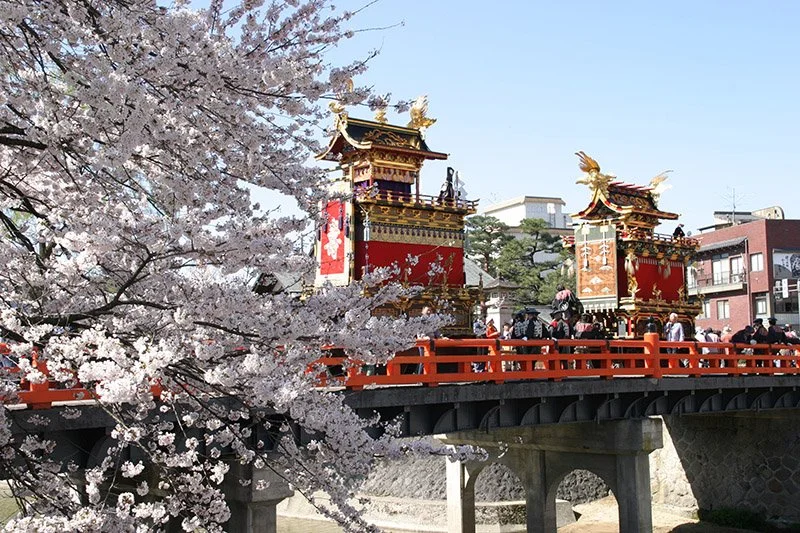
Takayama Matsuri is often called one of Japan’s most beautiful festivals. The spring edition, held in April, celebrates the arrival of spring and local deities. Streets in the old town come alive with ornate floats decorated with intricate carvings and colourful tapestries, accompanied by traditional music performed on flutes and drums. Morning markets near the Miyagawa River complement the festival, offering visitors seasonal produce, handmade crafts, and local snacks. Travellers can enjoy walking tours of the floats, seeing the delicate details up close in the float storage halls.
(2) Setsubun Festival – Shizuoka (February)
Source: Oh! Matsuri
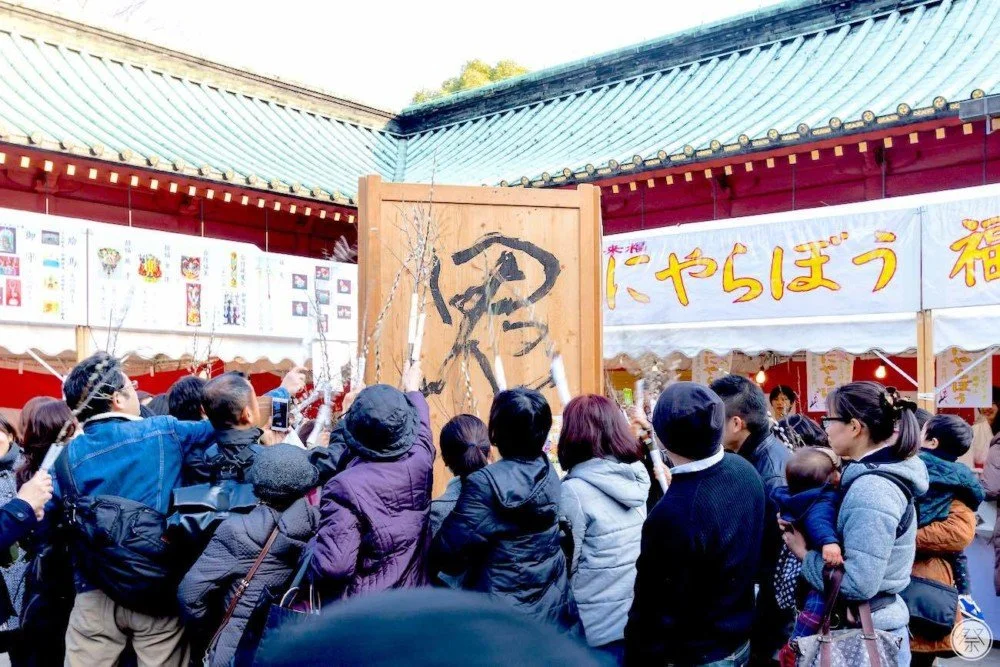
Held annually on 3 February at Shizuoka Sengen Shrine, the Setsubun Festival marks the arrival of spring with lively bean-throwing rituals believed to drive away evil spirits and invite good fortune. The highlight is the traditional “Oniyarai” ceremony, where participants use bamboo-like “Oniyarabo” sticks to strike doors marked with the kanji for “oni” (demon), accompanied by drums, bells, and chanting. Visitors can also catch mochi, snacks, and lucky-number beans during the energetic mamemaki celebrations, while enjoying local festival foods such as eho-maki sushi rolls, amazake, and Shizuoka oden.
Summer Festivals
(3) Gion Festival – Kyoto (July)
Source: Kyoto Travel
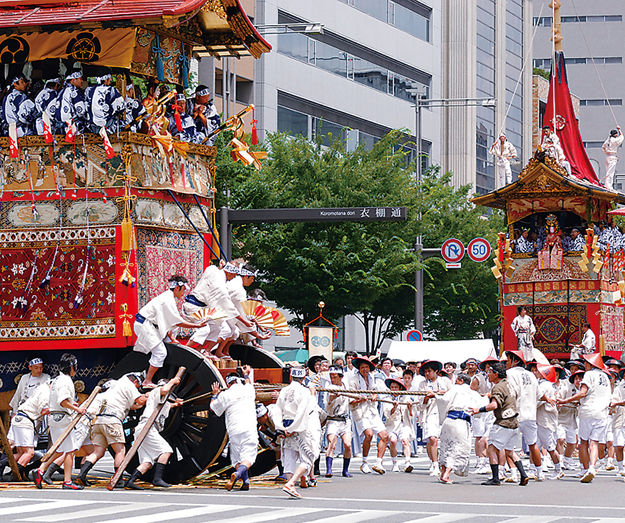
Gion Festival is Kyoto’s most famous festival, stretching throughout July with daily events, parades, and cultural exhibitions. The Yamaboko floats are elaborate mobile shrines decorated with tapestries, gold leaf, and carvings, each representing a neighborhood guild. Streets are full of festival stalls selling matcha sweets, grilled fish, and traditional toys, and visitors can join guided tours to learn about the history and craftsmanship behind the floats. Explore at your own pace while discovering charming corners off the main streets.
(4) Tenjin Festival – Osaka (Late July)
Source: Japan Rail Pass
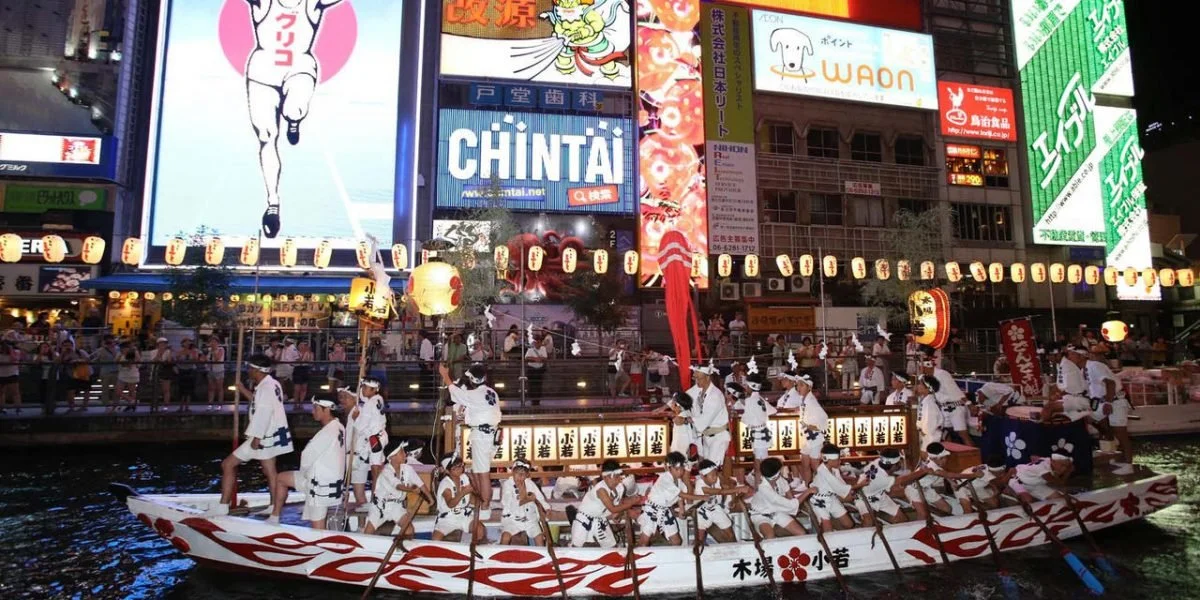
Held every July at Osaka Tenmangu Shrine, the Tenjin Matsuri is Japan’s vibrant summer tradition with over 1,000 years of history. The celebration honours Sugawara no Michizane, the deity of scholarship, and features lively land processions, traditional music, portable shrines, and participants dressed in historical costumes parading through the streets of Osaka.
The festival reaches its spectacular climax on 25 July with the “Funatogyo” river procession, where around 100 illuminated boats glide along the Okawa River beneath dazzling fireworks displays.
(5) Sumida River Fireworks Festival – Tokyo (Late July)
Source: MATCHA
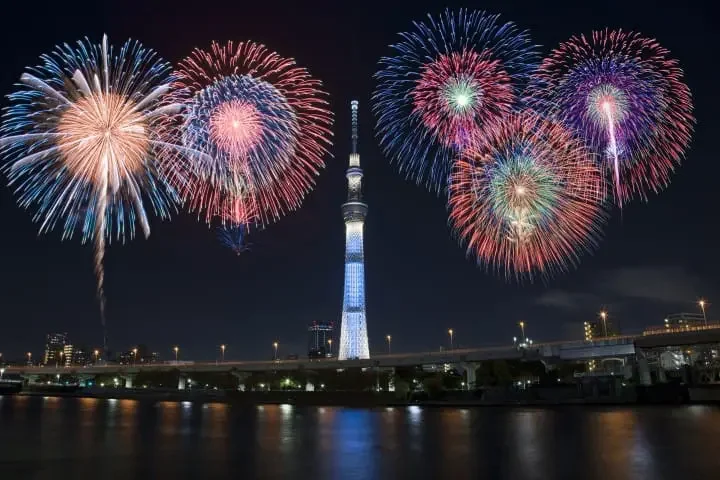
Sumida River Fireworks Festival is one of Tokyo’s largest fireworks displays in late July, lighting up the night sky along the Sumida River, with continuous launches from two points at Sakura Bridge and Komagata Bridge near Asakusa and Tokyo Skytree. Visitors gather early to secure riverside viewing spots or take to the water for boat views, while festival stalls line the area offering classics like yakisoba, kakigori (shaved ice), and goldfish scooping games. The event carries a lively urban energy, blending traditional summer festival charm with the vibrancy of modern Tokyo.
(6) Bon Odori – Nationwide (Mid-August)
Source: Live Japan
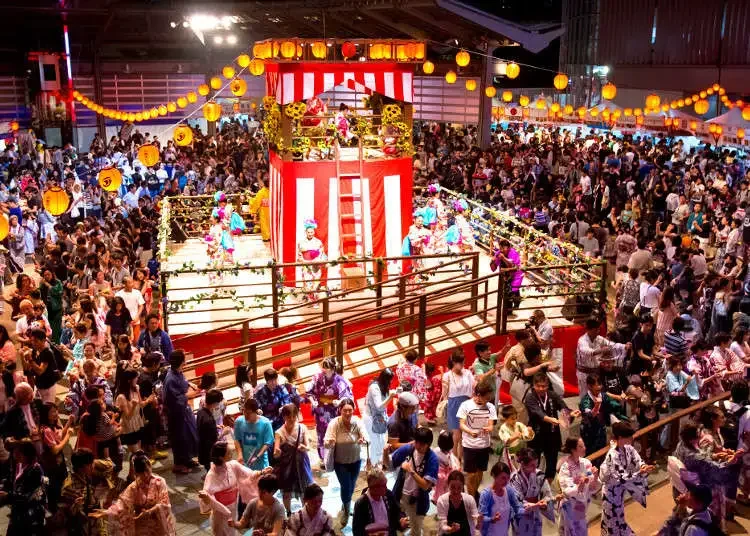
Bon Odori is a ceremonial Japanese dance that is performed during the time of "Obon", which occurs every year around August. It is a nationwide festival to honour ancestors, with regional variations in music and dance. Local communities set up lanterns, food stalls, and temporary stages in parks or temple grounds. Travellers can join in the dance, learn the steps from locals, and taste seasonal summer treats like somen noodles and grilled corn.
(7) Awa Odori – Tokushima (August)
Source: Shikoku Tourism
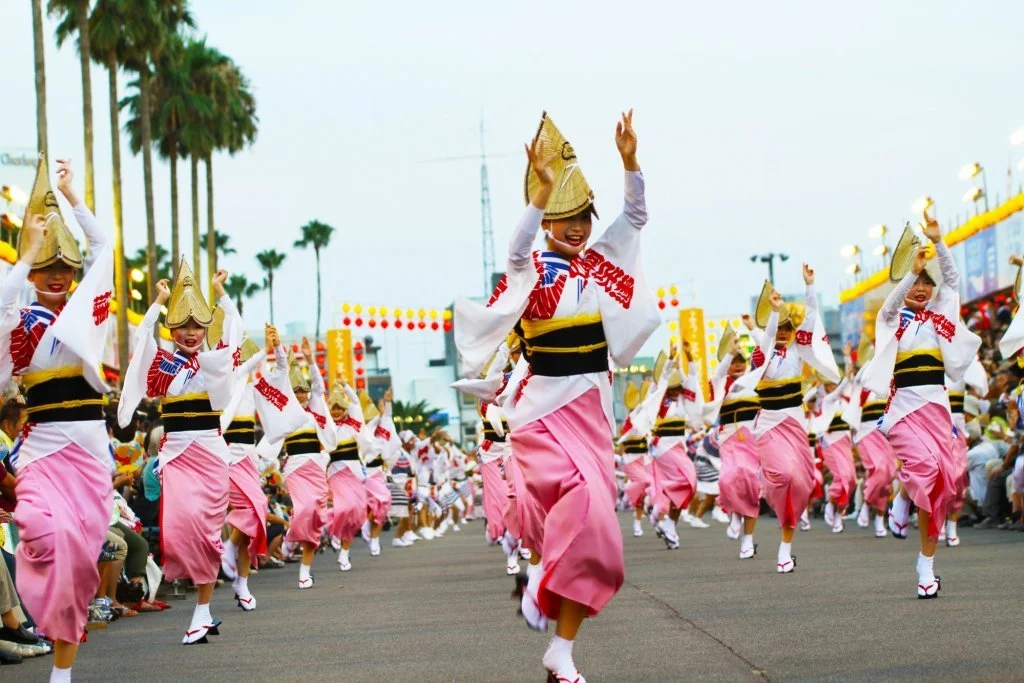
Held annually from 12–15 August in Tokushima, Awa Odori is Japan’s largest summer dance festival, drawing over a million visitors each year. With more than 400 years of history, the festival fills the streets with energetic dancers in yukata performing alongside shamisen, flutes, and taiko drums, creating a lively atmosphere of rhythm, movement, and communal celebration. Visitors can watch the vibrant processions, join dance workshops, and enjoy Tokushima’s local street food specialties.
(8) Kanmon Straits Fireworks Festival - Fukuoka (August)
Source: Tourism of ALL JAPAN × TOKYO
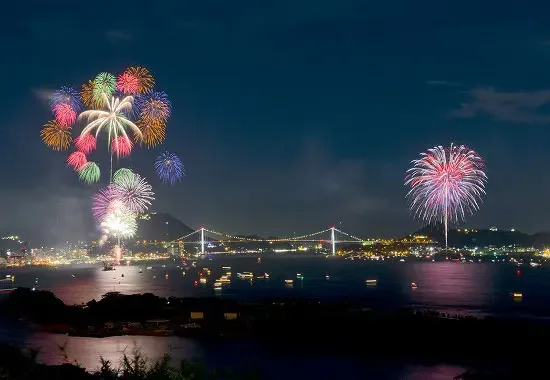
Held every 13 August along the Kanmon Strait between Kitakyushu and Shimonoseki, the Kanmon Straits Fireworks Festival features around 13,000 fireworks launched from both the Moji Retro District and the Aruka Port area of Shimonoseki. Each side presents its own highlights, from massive consecutive large-shell fireworks to dramatic pyrotechnics launched from boats and directly over the water, creating a dazzling display across the strait.
Set against the illuminated backdrop of the Kanmonkyo Bridge and the historic waterfront atmosphere of the Moji Retro District, the festival delivers a striking blend of coastal scenery, summer celebration, and high-energy fireworks spectacle.
(9) Akita Kanto Festival – Akita (August)
Source: Oh! Matsuri
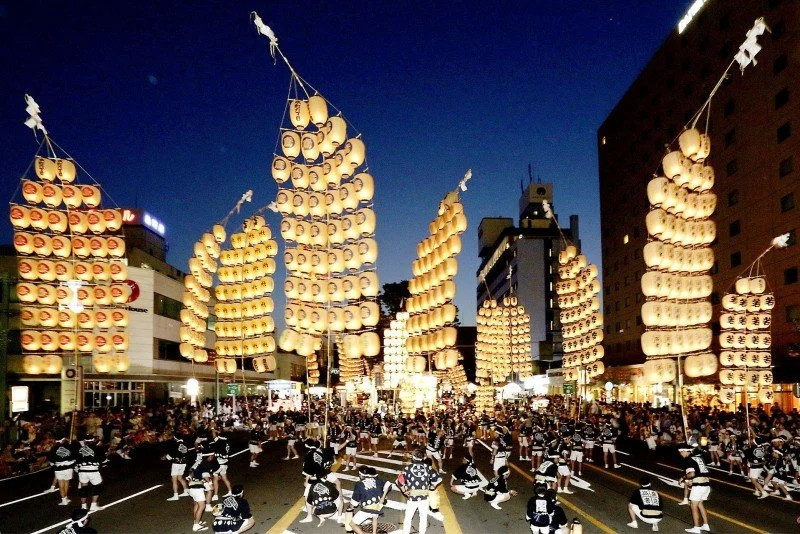
Dating back to the Edo period, the Akita Kanto Festival began as Neburi Nagashi, a summer ritual to ward off illness and bad spirits during O-bon season. Today, the festival held every August is famous for its dramatic balancing performances, where participants carry towering bamboo poles decorated with glowing paper lanterns shaped like traditional rice bags.
The largest poles reach 12 metres tall and weigh up to 50 kilograms, balanced skillfully on performers’ palms, foreheads, shoulders, and hips. At night, more than 270 illuminated Kanto fill the streets of Akita in a breathtaking display. By day, visitors can watch expert balancing demonstrations and musical performances at Myogi-kai events. Festival-goers can also sample local specialties such as kiritanpo and fresh seafood from the region.
(10) Aomori Nebuta Festival – Aomori (August)
Source: Aomori Tourism
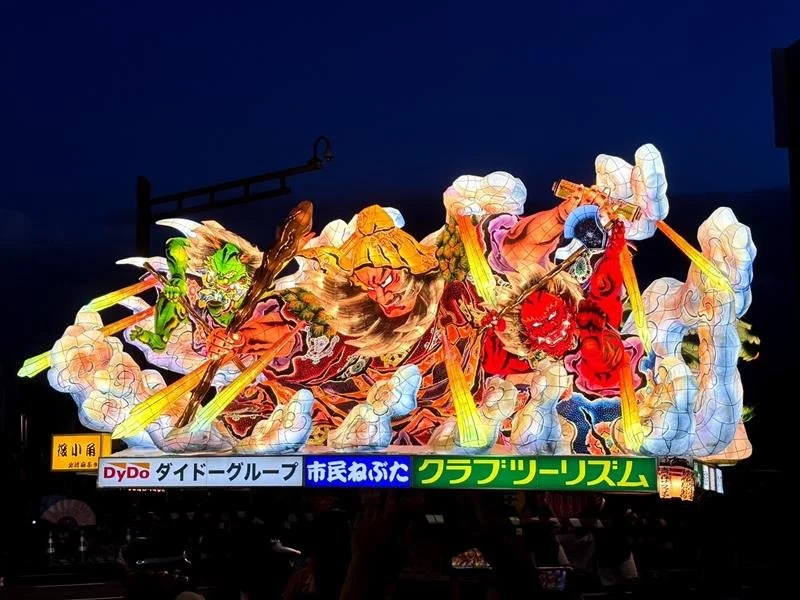
Held annually from 2 to 7 August, the Aomori Nebuta Festival is one of Japan’s most spectacular summer celebrations, drawing more than 3 million visitors each year. The festival is renowned for its enormous illuminated floats depicting warriors, gods, and mythical figures inspired by kabuki and folklore.
More than 20 vibrant nebuta floats parade through the streets alongside energetic haneto dancers, taiko drummers, and flutists, creating an electric atmosphere. Visitors can even join the haneto dance procession themselves. The festival culminates on 7 August with the floats carried across Aomori Bay beneath a dazzling fireworks display. Food stalls serving local favourites like grilled scallops and yakitori add to the lively experience.
Autumn Festivals
(11) Kishiwada Danjiri Festival – Osaka (September)
Source: Japan Travel
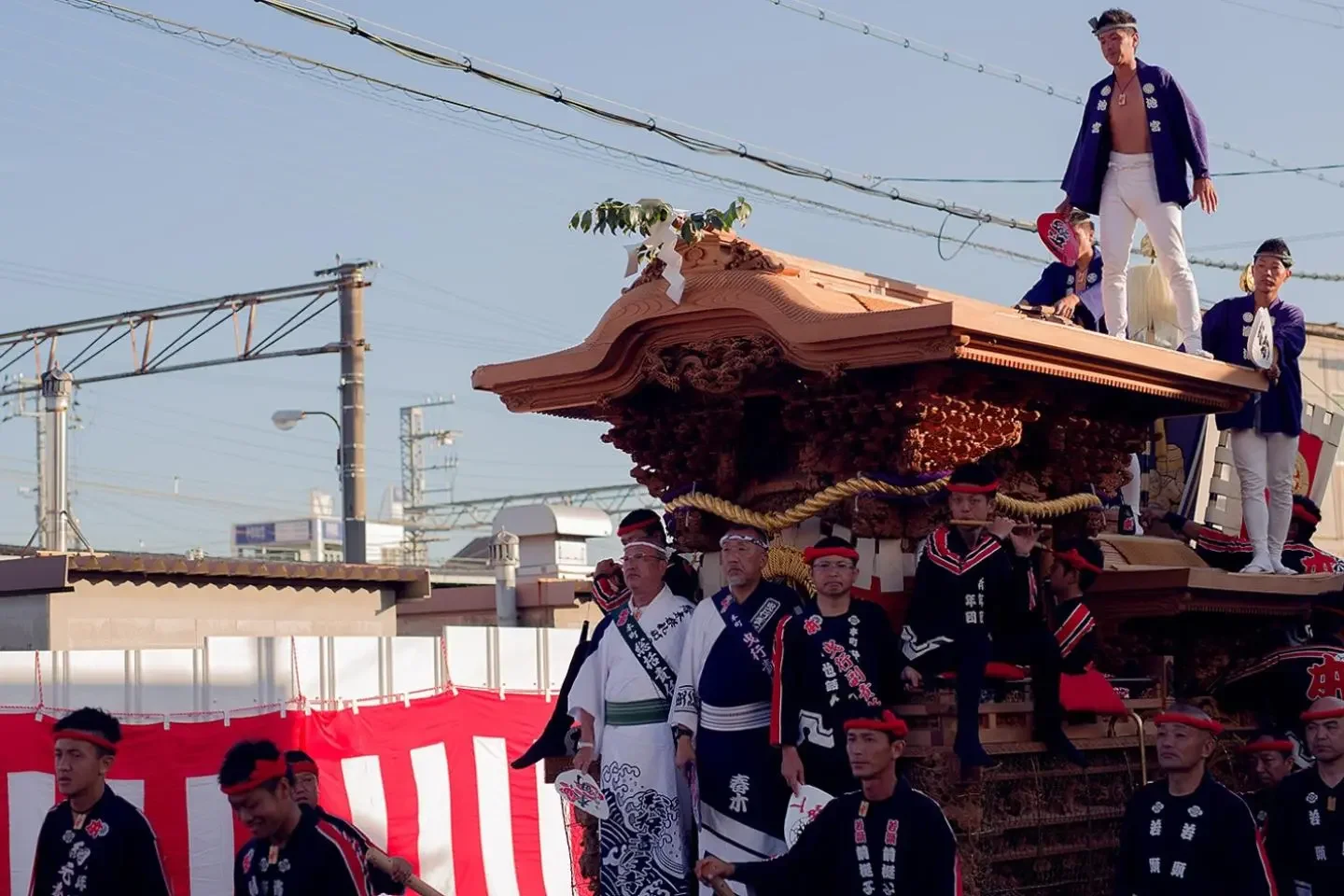
Held every September in Kishiwada, the Kishiwada Danjiri Matsuri is a high-energy celebration known for its fast-moving wooden floats (danjiri) and intense team coordination.
Teams of pullers race elaborately carved floats through narrow streets at speed, steering sharp turns with precision while accompanying them with taiko drumming, chants, and rhythmic calls. The festival is a striking display of skill, strength, and community spirit, with performers training for months to master the demanding choreography.
Festival-goers line the streets to watch the dramatic runs up close, while enjoying festival street food and capturing the fast-paced, adrenaline-filled atmosphere.
(12) Owara Kaze no Bon – Toyama (September)
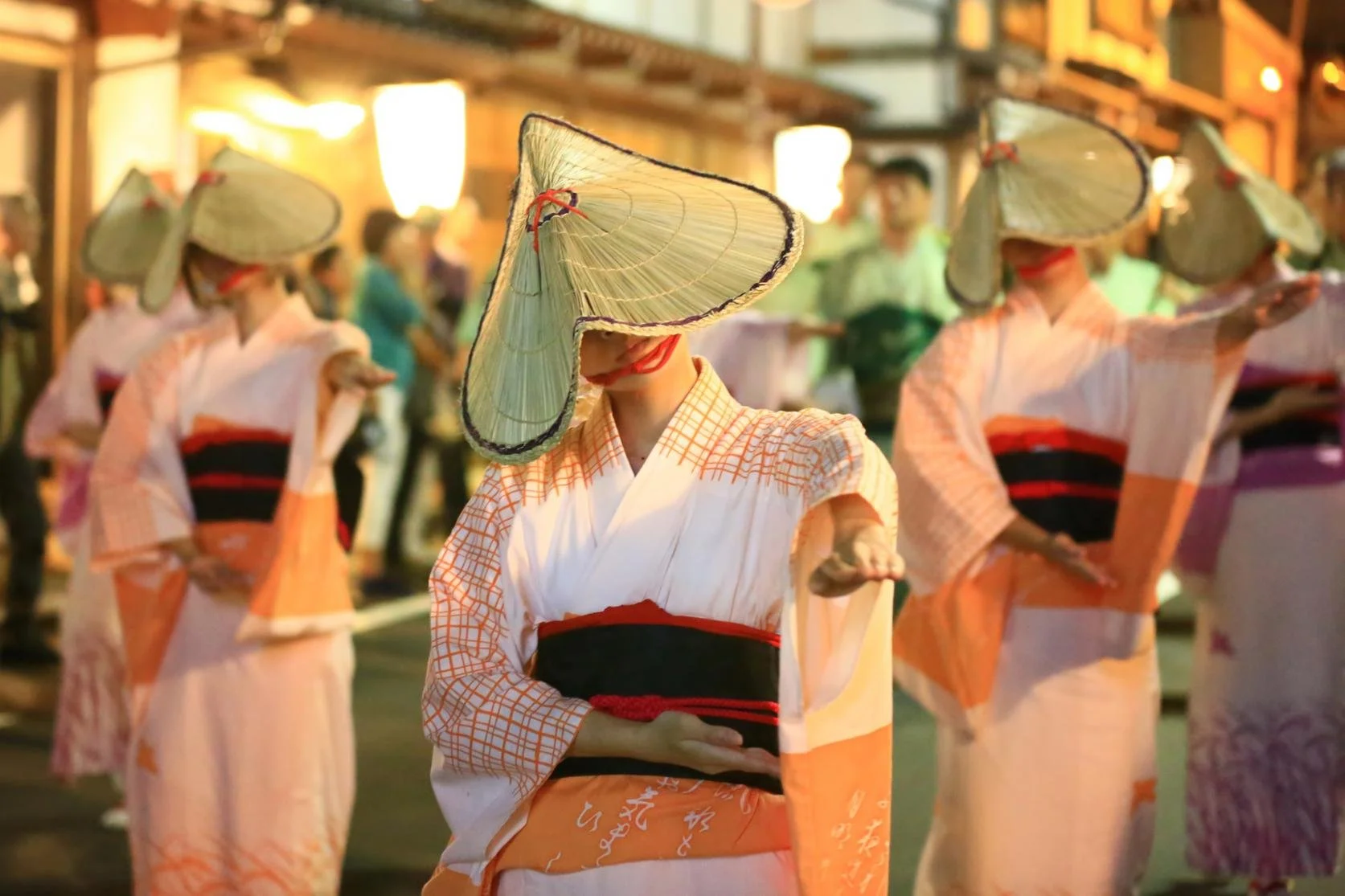
Source: Visit Toyama
Held annually from 1 to 3 September in Toyama, the Owara Kaze no Bon is a 300-year-old festival originally held to pray for good harvests and protection from wind damage.
The event is known for its serene, atmospheric street parades, where dancers in traditional yukata and straw hats move gracefully through lantern-lit streets, accompanied by melancholic shamisen, kokyu, and taiko music. Unlike more boisterous festivals, it emphasises quiet elegance and emotional expression, with choreographed “nagashi-odori” dance processions flowing through the town’s historic districts. Visitors can watch the dreamlike performances as the streets glow with lantern light and music echoes through the night.
(13) Nagasaki Kunchi Festival – Nagasaki (October)
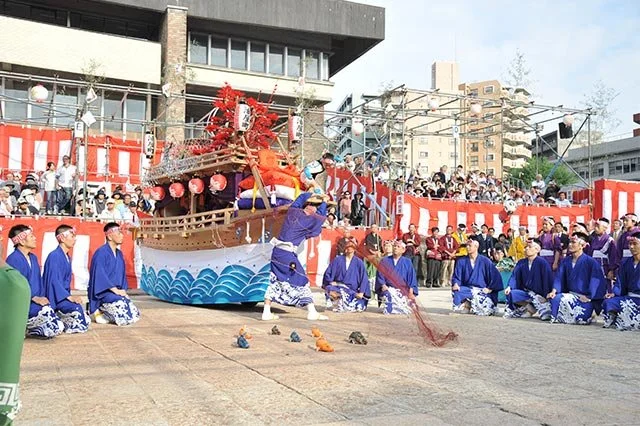
Source: Nagasaki Kunchi
Held annually from 7 to 9 October in Nagasaki, the Nagasaki Kunchi Festival is a centuries-old autumn celebration dedicated to Suwa Shrine, dating back to 1634.
The festival is known for its vibrant citywide performances by different neighbourhoods, which rotate participation every 7 years. Each group presents elaborate stage performances and floats influenced by Japan’s historical international connections, blending Chinese, Dutch, and Japanese cultural elements. Highlights include dynamic dragon dances, large decorated floats, and energetic procession-style performances through the streets and shrine grounds.
Over three days, the city transforms into a continuous stage of music, dance, and spectacle, drawing crowds to witness both traditional rituals and theatrical folk performances that reflect Nagasaki’s unique cultural history.
Winter Festivals
(14) Sapporo Snow & Ice Festival – Hokkaido (February)
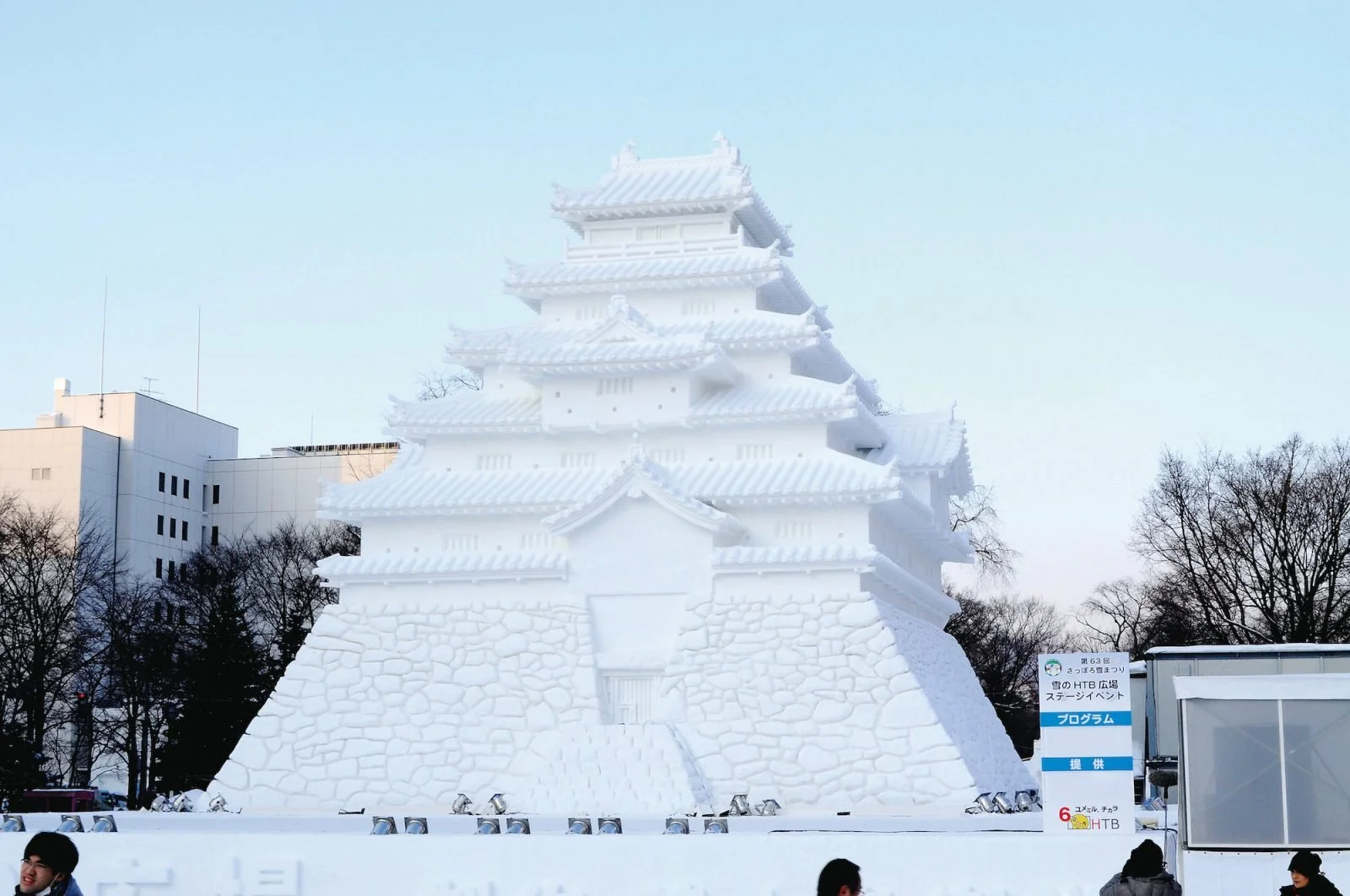
Source: Visit Sapporo
Japan’s most famous winter festival, Sapporo Snow & Ice Festival transforms Sapporo into a city-wide exhibition of massive snow sculptures and intricate ice art each February. Held across Odori Park, Susukino, and Tsudome, the event features everything from illuminated installations and projection mapping to interactive snow play areas. Visitors can also enjoy Hokkaido’s seasonal comfort foods, making it a striking blend of winter art, culture, and local flavours.
(15) Nagasaki Lantern Festival – Nagasaki (February)
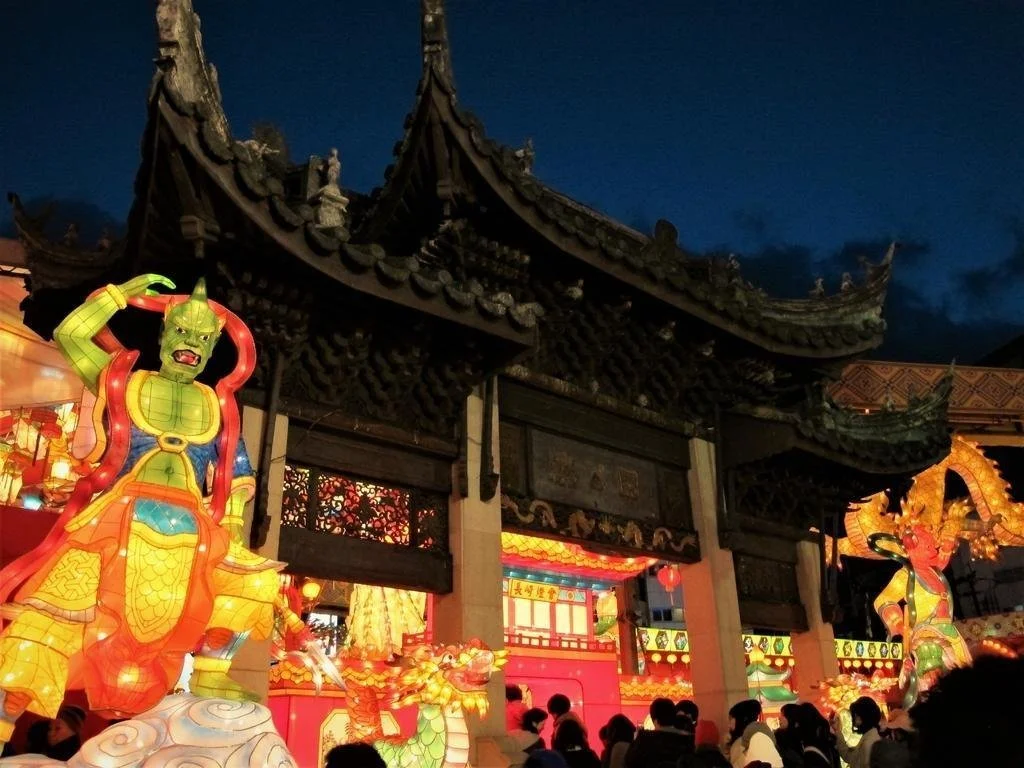
Source: Visit Nagasaki
Held to celebrate the Lunar New Year, the Nagasaki Lantern Festival transforms the city into a glowing nightscape with over 15,000 lanterns and illuminated installations across Nagasaki Shinchi Chinatown, parks, bridges, and arcades. The festival features lively cultural performances such as dragon dances, lion dances, and traditional music, alongside street food and seasonal festivities. As night falls, landmarks like Megane Bridge reflect shimmering lantern lights on the water, creating a vibrant blend of Chinese-influenced heritage and Japanese winter atmosphere.
Enjoyed reading our articles? Check out others below!

Japan’s convenience stores offer far more than quick snacks, with each of the big 3 chains having its own signature foods and seasonal favourites. Discover what to buy at 7-Eleven, Lawson and FamilyMart on your next Japan trip.