
10 Reasons to Visit Nagoya: Food, Culture, Craftsmanship and Hidden Gems
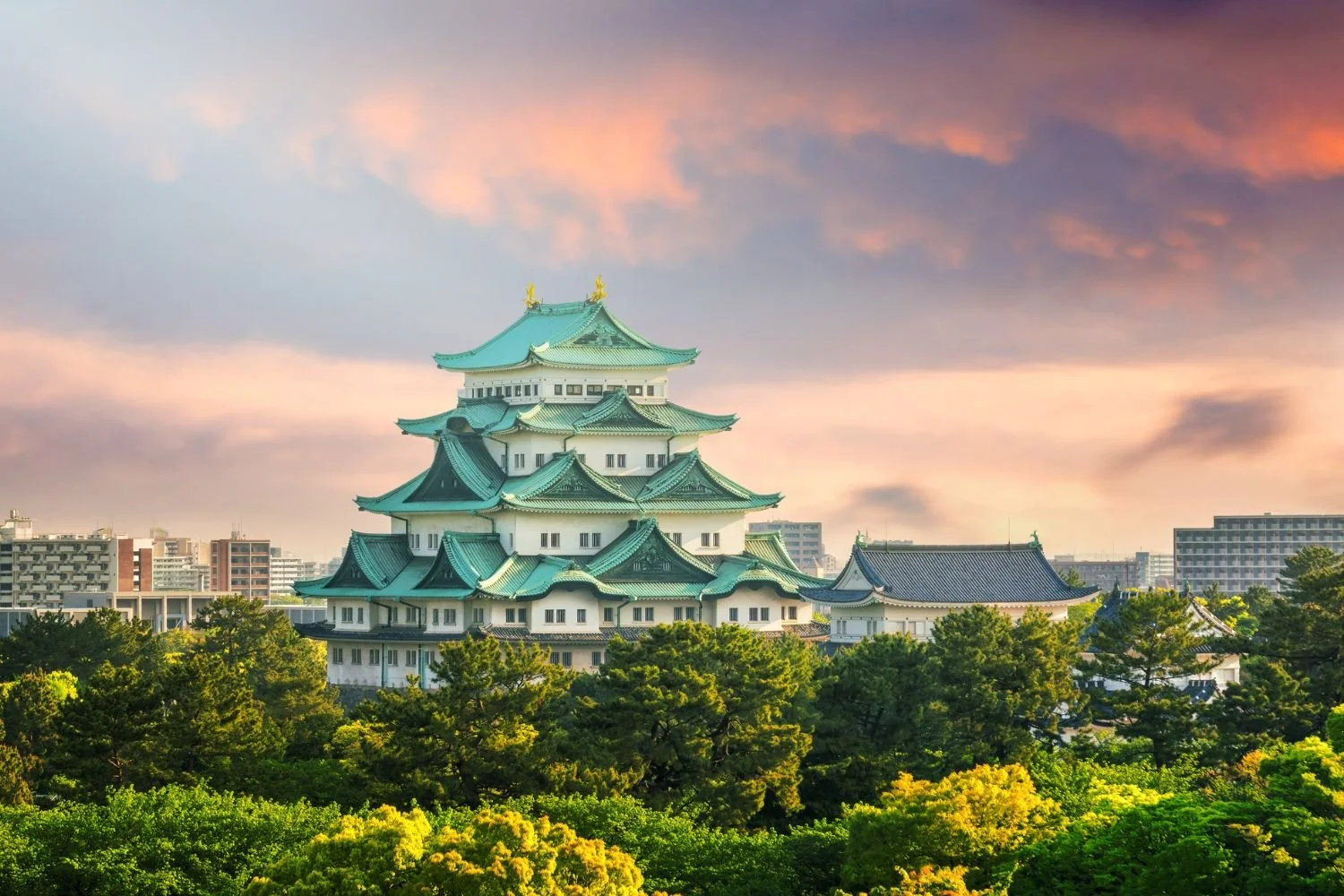
Source: Canva
Positioned at the crossroads of Japan, Nagoya offers seamless access from both Tokyo and Osaka, making it one of the country’s most strategically located cities. With excellent rail connections and an international airport, it’s often seen as a gateway rather than a destination.
Less crowded than Tokyo or Osaka, Nagoya offers a more grounded and authentic way to experience Japan. Here, bold local dishes, samurai heritage, and a deep-rooted culture of making come together—creating a destination that rewards curiosity.
Here are 10 compelling reasons why Nagoya deserves a spot on your Japan itinerary.
Food
(1) A Distinct Local Food Culture
(2) Nagoya-Style Street Food
(3) Depachika - Unique Local Specialities and Souvenirs
Culture
(4) The Birthplace of Japan’s Great Unifiers
(5) Iconic Landmarks like Nagoya Castle
Craftsmanship
(6) Spiritual and Traditional Experiences
(7) The Legacy of Karakuri Craft
(8) Hands-On Craft and Lifestyle Experiences
Shopping
(9) Shopping Streets: A Curated Blend of Tradition and Trend
Technology
(10) From Artisanal Skill to Futuristic Design
Food: Bold Flavours You’ll Only Find in Nagoya
(1) A Distinct Local Food Culture
Source: Japan Navi Journey
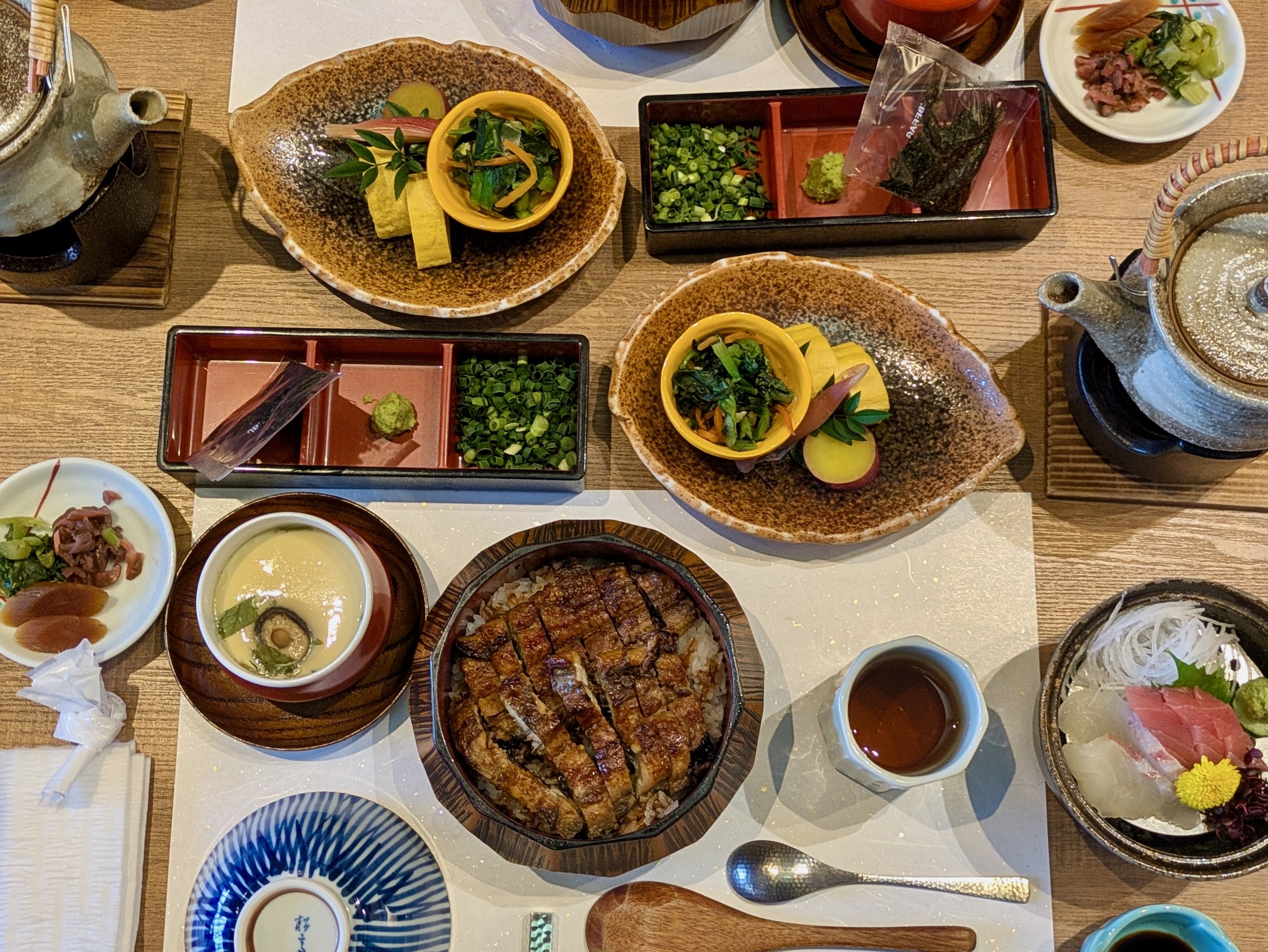
Nagoya’s cuisine is known for its bold, hearty flavours and distinctive twists on classic Japanese dishes. Unlike the subtle, refined flavours of Kyoto or the light seafood-focused cuisine of Tokyo, Nagoya cuisine embraces umami, depth, and richness, reflecting the city’s historical position as a hub of trade, craftsmanship, and samurai culture.Signature dishes like miso katsu—crispy pork cutlet topped with rich red miso, and hitsumabushi, grilled eel served in multiple ways, reflect the city’s unique culinary identity.
(2) Nagoya-Style Street Food
Source: Japan Navi Journey
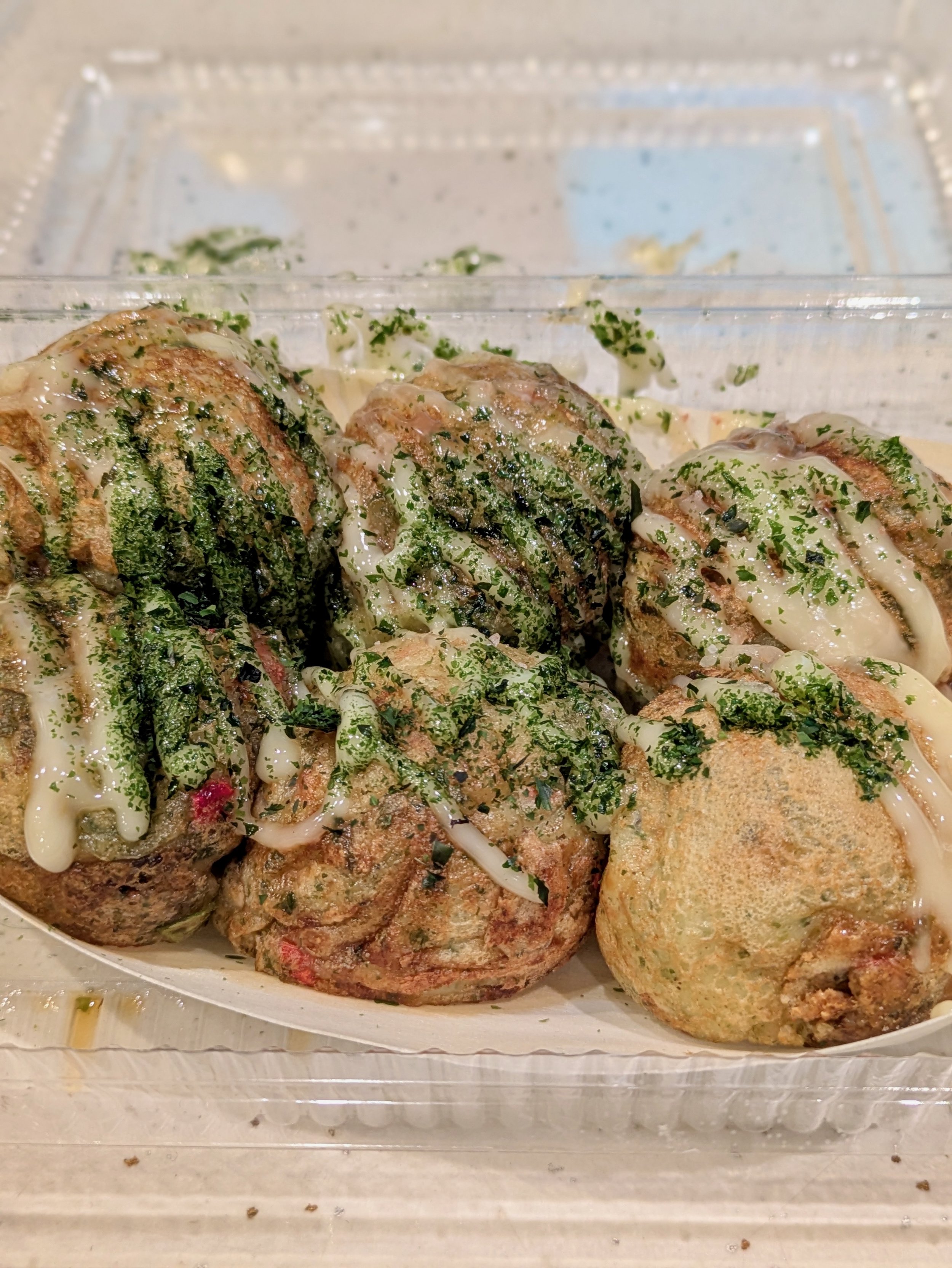
Exploring Nagoya on foot is a feast in itself. Nagoya’s street food is all about bold, addictive flavours. Tebasaki (Nagoya-style chicken wings) are fried until crisp, then tossed in a sticky, savoury-sweet sauce with a hint of spice—messy in the best way. Meanwhile, Nagoya-style takoyaki (grilled octopus ball) skips the heavy toppings, letting the soft, almost custard-like centre and umami-rich batter take the spotlight.
(3) Unique Local Specialities and Souvenirs in Food Halls
Source: DiGJAPAN!
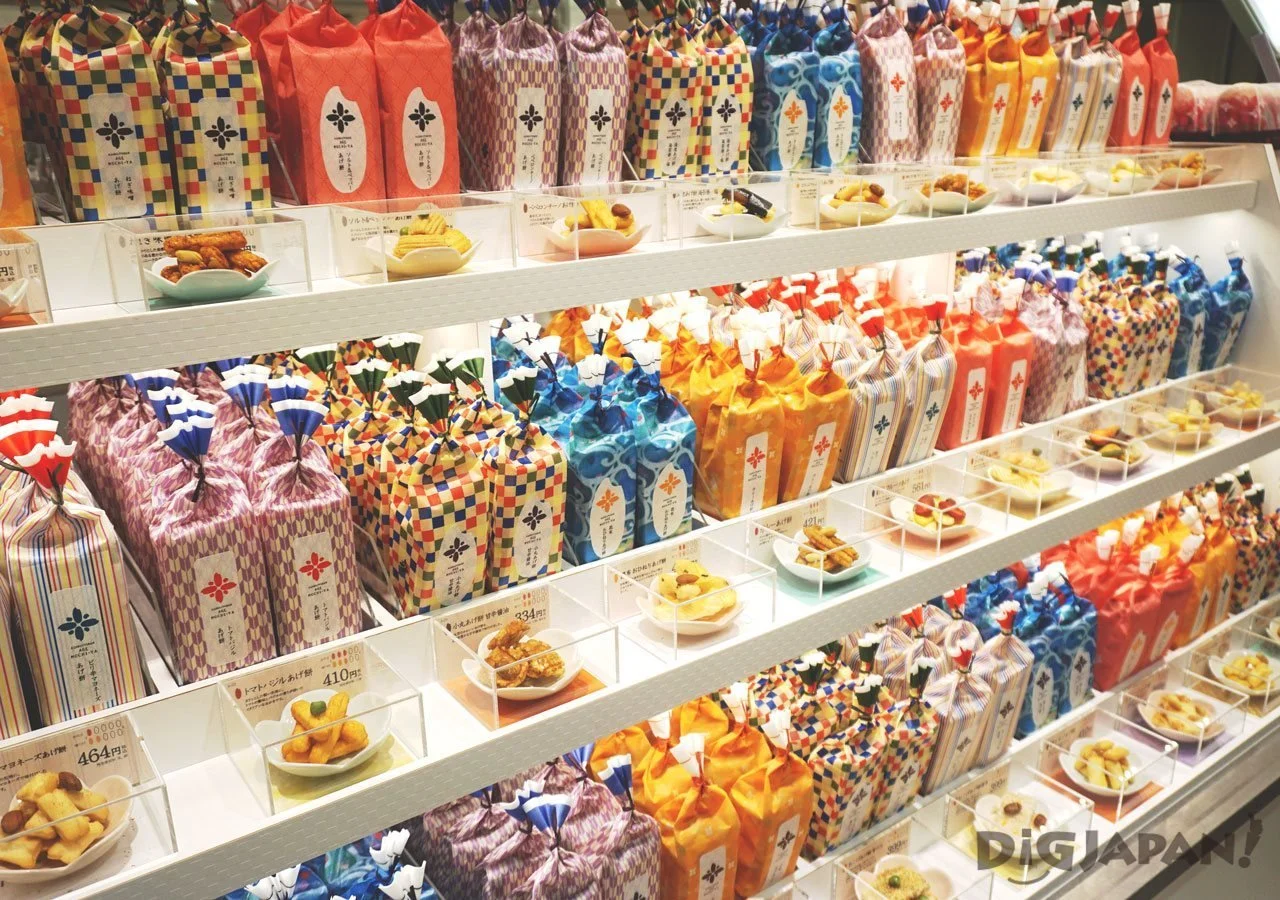
Nagoya’s depachika (department store food basements) stand out from those in Tokyo, Osaka, or Kyoto because they highlight the city’s distinct local flavours and heritage rather than just global or trendy products. While depachika in Tokyo or Osaka often focus on luxury brands, novelty items, or fusion cuisine, Nagoya’s food halls put regional specialties front and centre:
Local Dishes: You’ll find Nagoya-style miso katsu, hitsumabushi (grilled eel over rice), and tebasaki snacks prepared fresh, alongside other city-specific delicacies.
Regional Sweets & Packaging: Many sweets and snacks feature traditional Nagoya recipes, often beautifully packaged with the city’s craftsmanship aesthetic.
Culture: Walk Through Samurai History
(4) The Birthplace of Japan’s Great Unifiers

Source: World History Encyclopedia
Nagoya is the birthplace of three of Japan’s most famous historical figures: Oda Nobunaga, Toyotomi Hideyoshi, and Tokugawa Ieyasu. These leaders played pivotal roles in unifying Japan during the turbulent Sengoku (Warring States) period. Even today, their influence lingers in the city’s architecture, festivals, and local lore. Walking through Nagoya is like stepping back into a time when samurai strategy and ambition shaped the nation, offering a living connection to Japan’s defining era.
(5) Iconic Landmarks Like Nagoya Castle
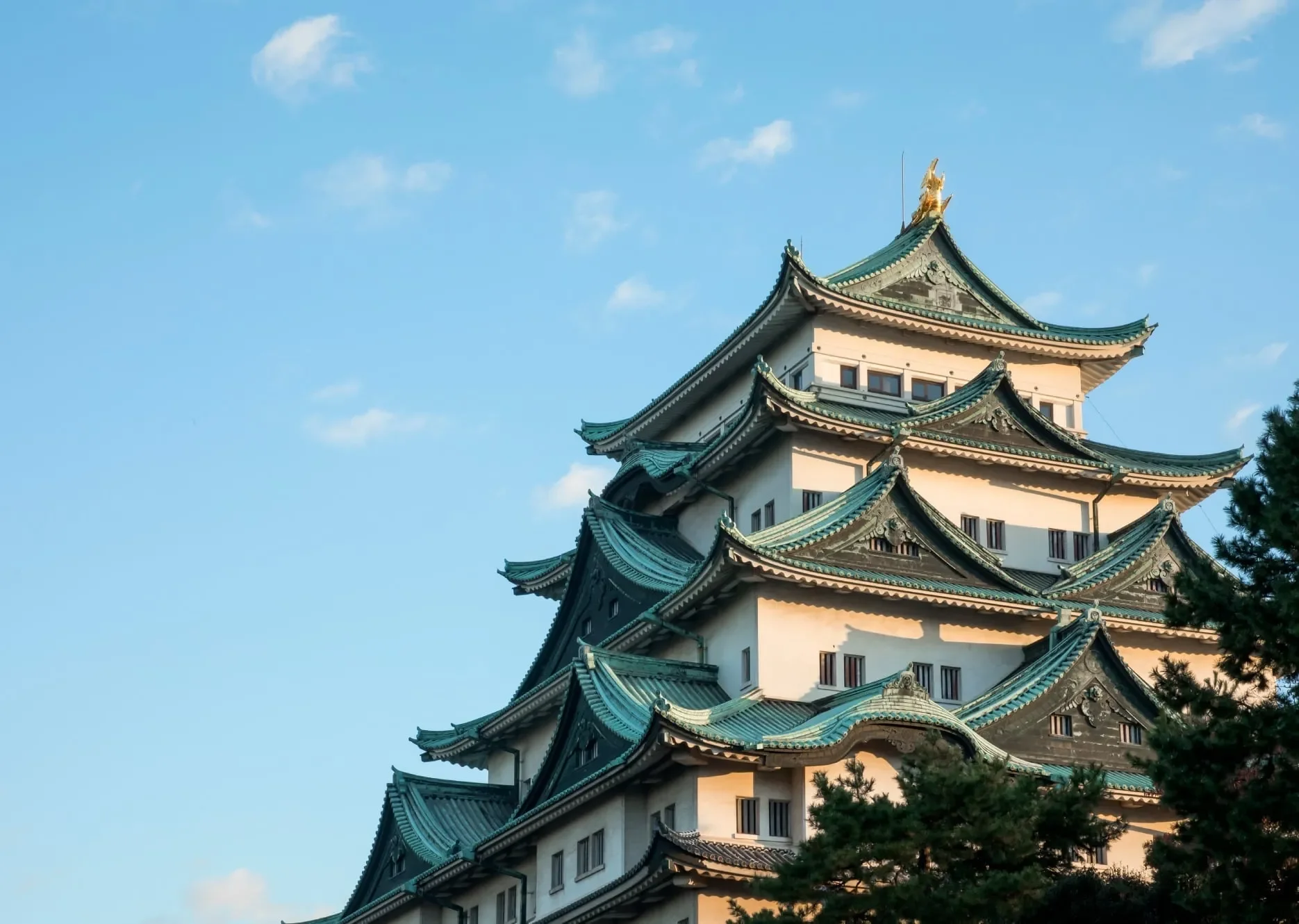
Source: Nagoya Castle Official Website
At the heart of the city stands Nagoya Castle, built by Tokugawa Ieyasu as a symbol of power and stability. Its golden shachi (mythical carp ornaments) glint atop the rooftops, making it instantly recognisable. Inside, restored interiors and exhibits showcase samurai life, armour, and architectural ingenuity. Visiting the castle allows travellers to not just admire history, but immerse themselves in the ambition, artistry, and resilience of Japan’s feudal era.
(6) Spiritual and Traditional Experiences
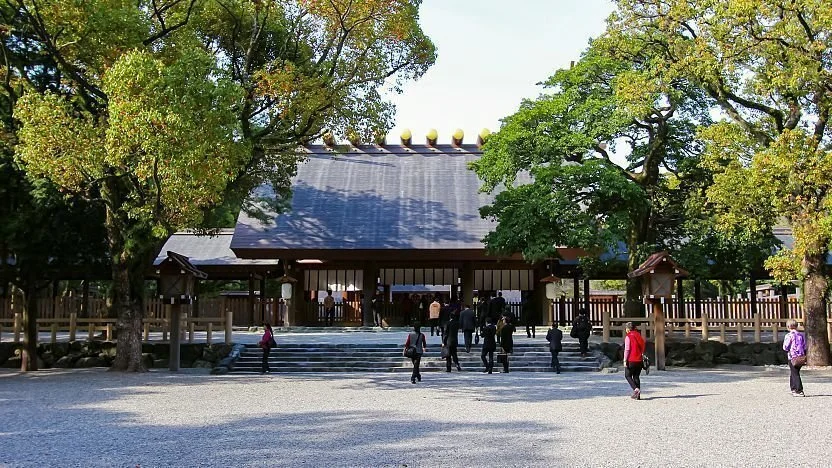
Source: Japan Guide
For an immersive experience of Japanese culture, Atsuta Shrine offers serene pathways lined with ancient trees and centuries-old rituals still practiced today. It’s a place where history and spirituality meet, offering both peace and perspective.
Nearby, the Nagoya Noh Theatre invites visitors to explore Japan’s classical performing arts. Even on days without performances, its exhibition space displays costumes, masks, and stage history, making the art form accessible and engaging for visitors.
Craftsmanship: A City Built on Making
(7) The Legacy of Karakuri Craft
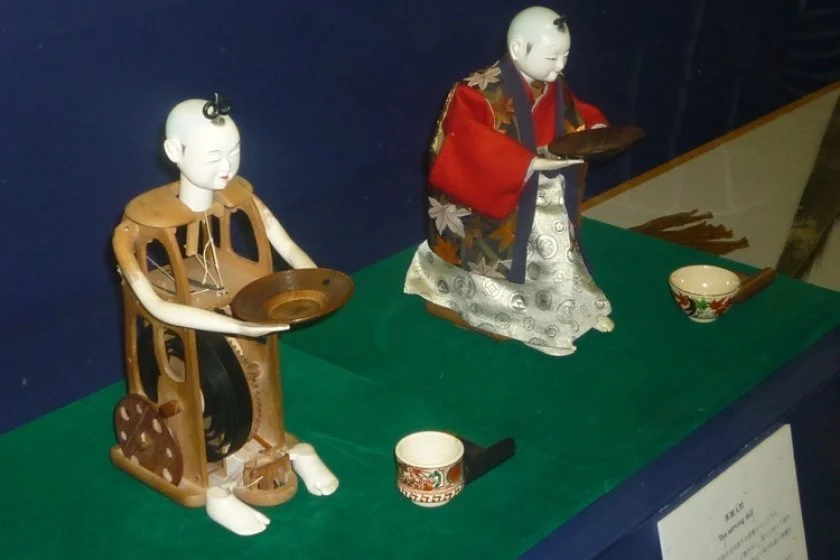
Source: Japan Travel
Nagoya’s dedication to craftsmanship began with karakuri dolls—mechanical figures from the Edo period that amazed audiences with precise, lifelike movements. These dolls weren’t just toys; they were the early expression of Japan’s meticulous engineering and attention to detail.
IMASEN Inuyama Karakuri Exhibition Museum (Inuyama) is a dedicated space to learn about karakuri culture with actual examples of mechanical dolls, including tea‑serving and float karakuri puppets, as well as demonstrations of how they work. See the dolls up close, watch scheduled live movements driven by gears, and understand the mechanics behind this Edo‑period craft.
(8) Hands-On Craft and Lifestyle Experiences
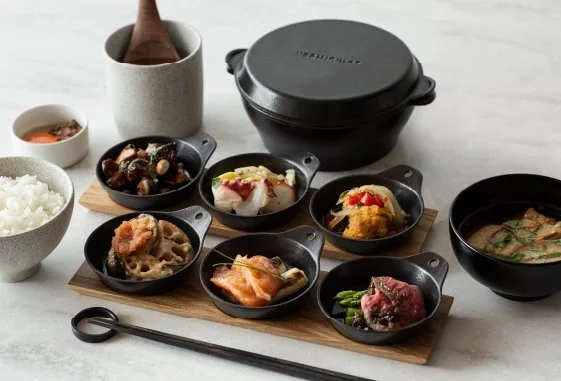
Source: Vermicular Village
At Vermicular Village, Nagoya’s craftsmanship comes to life. Visitors can watch artisans create precision cookware and even try their hand at cooking experiences. Every tool, every movement, and every dish reflects the philosophy of functional beauty—a hallmark of Japanese design. It’s a space where you don’t just observe craftsmanship— you can experience it, blending sensory engagement with appreciation for skill and patience.
Shopping: Where Old Meets New
(9) Shopping Streets: A Curated Blend of Tradition and Trend
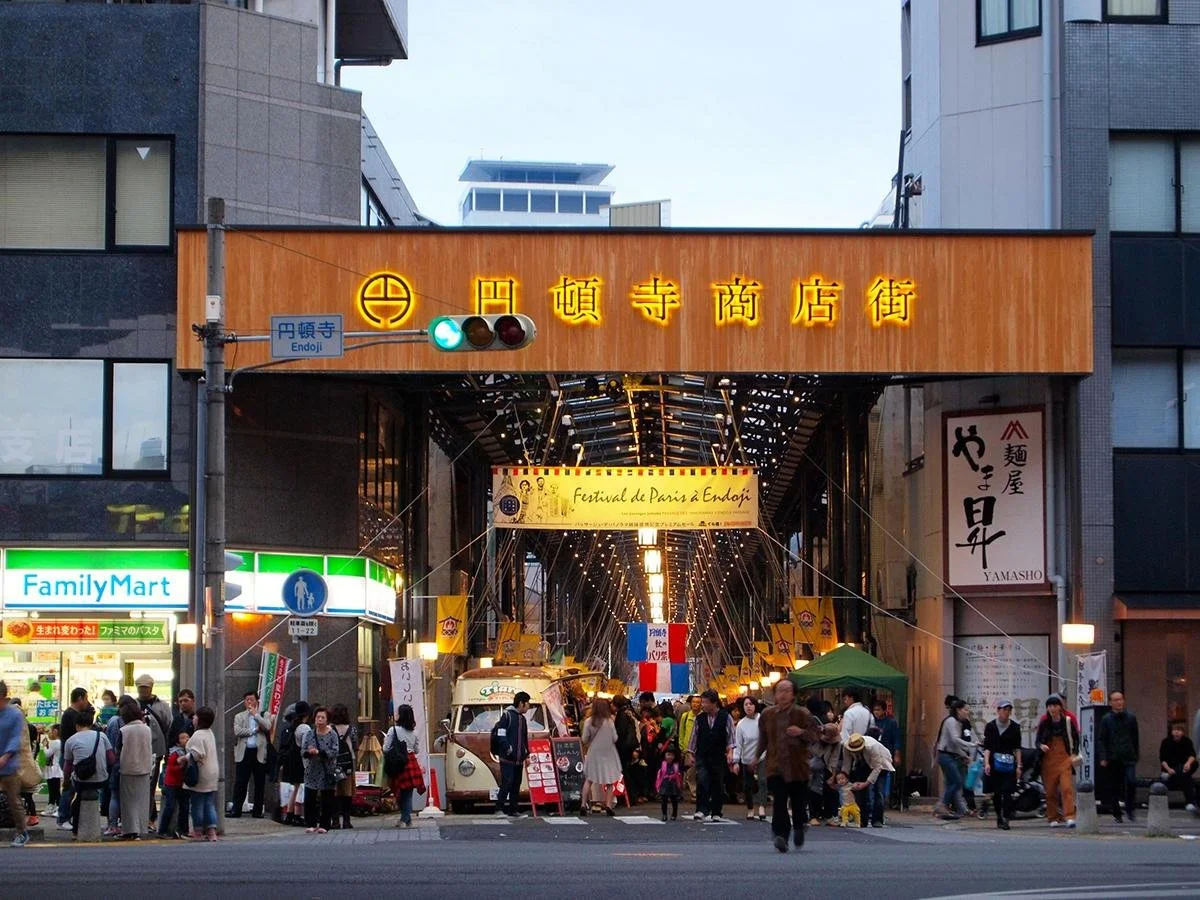
Source: Visit Nagoya
Nagoya’s shopping is a journey through time and style, where historical streets meet modern retail.
Osu Shopping District – A vibrant maze of street food stalls, vintage shops, and quirky finds. From rare vinyl to quirky stationery, it’s a district where wandering is as rewarding as any purchase.
Endoji Shopping Street – A charming, Edo-era thoroughfare that preserves the city’s old-world atmosphere. Boutique stores, local crafts, and cafes allow visitors to feel the rhythm of Nagoya’s history while exploring at a leisurely pace.
Sakae & Nagoya Station – Sleek department stores, fashion outlets, and gourmet food halls cater to modern tastes. Here, you can shop for international brands while also picking up beautifully packaged regional souvenirs.
Technology: Innovation Shaped by Craft
(10) From Artisanal Skill to Futuristic Design

SCMAGLEV and Railway Museum
Source: Japan Navi Journey
Nagoya’s long tradition of craftsmanship naturally evolved into global innovation. At the Toyota Commemorative Museum of Industry and Technology, visitors can trace the journey from textile machines to the world-renowned automobiles that continue to define the city’s industrial identity.
Meanwhile, the SCMAGLEV and Railway Museum showcases Japan’s cutting-edge transportation technology. High-speed trains and magnetic levitation systems are displayed alongside interactive exhibits, allowing visitors to see how precision, engineering, and creativity come together to shape the future.
Nagoya: A City Full of Surprises
Nagoya is a city that surprises at every turn. With its bold flavours, rich samurai history, mastery of craftsmanship, lively shopping streets, and innovative spirit, it’s a destination that rewards curiosity. Take your time, explore beyond the usual sights, and you’ll discover a side of Japan that stays with you long after you leave.
Enjoyed reading our articles? Check out others below!


From Hokkaido’s early autumn colours to Kyoto’s November foliage, discover 10 destinations across Japan for spectacular scenery, seasonal food and memorable cultural experiences.