
10 Things to Do in Kanazawa, Japan: A Cultural & Culinary Guide from Tokyo to Ishikawa
Kanazawa Castle
Source: Canva
For travellers who have already explored the major cities of Japan, Kanazawa offers a more layered and contemplative experience. Located in Ishikawa Prefecture along the Sea of Japan coast, the city brings together preserved history, refined cuisine, and living craft traditions within a compact, walkable setting.
With the Hokuriku Shinkansen connecting Tokyo to Kanazawa in just 2.5 hours, Tokyo to Kanazawa is an easy addition to any itinerary. Yet rather than treating it as a stopover, Kanazawa reveals its full appeal when experienced at a slower pace—and even more so when paired with nearby cultural routes and hot spring towns.
Culture & Heritage
(1) Kanazawa Castle and Its Samurai Legacy
(2) Nagamachi Samurai District
(3) Higashi Chaya Geisha District
(4) D.T. Suzuki Museum
Nature & Scenic Landscapes
(5) Kenrokuen Garden
Food & Local Dining Experiences
(6) Omicho Market
Craftsmanship & Traditional Arts
(7) Gold Leaf and Ishikawa’s Craft Heritage
(8) Kutani Ware and Yamanaka Lacquerware
Art & Modern Culture
(9) 21st Century Museum of Contemporary Art
Extend Your Trip from Kanazawa
(10) Yamanaka Onsen, Takayama & Shirakawa-go
Culture & Heritage
(1) Kanazawa Castle and Its Samurai Legacy
Source: Canva
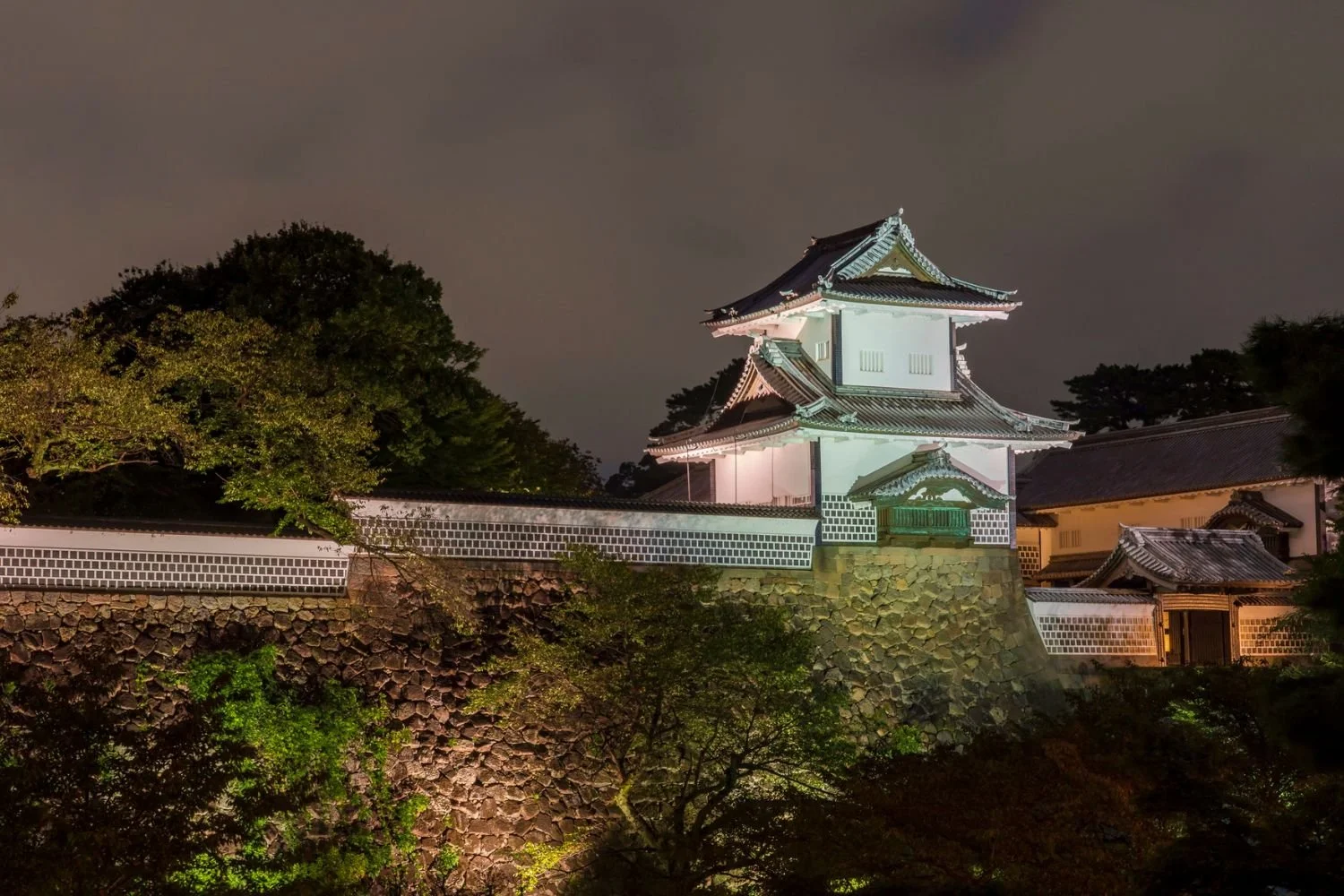
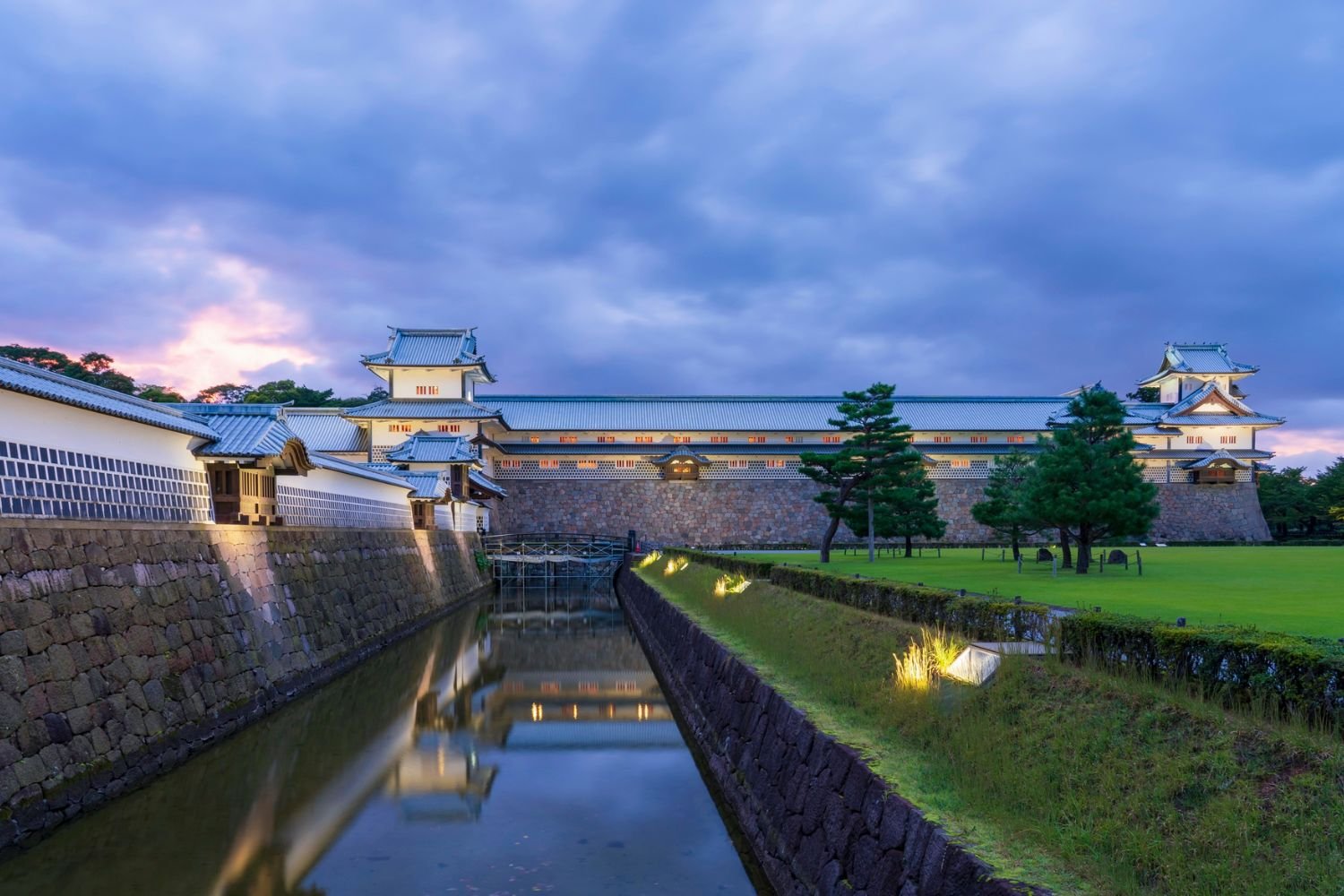
At the heart of the city stands Kanazawa Castle, once the seat of the powerful Maeda clan who ruled the Kaga Domain during the Edo period under Maeda Toshiie. Unlike castles built purely for defence, Kanazawa Castle reflects a more refined identity, combining strategic design with aesthetic craftsmanship. Its white plaster walls, wide gates, and reconstructed structures highlight how architecture was used to express both authority and cultural sophistication.
Inside the grounds, restored features such as Ishikawa-mon Gate and the Gojikken Nagaya warehouse offer insight into the domain’s administration and daily operations. Beyond the castle, the surrounding city still reflects its samurai past through former residences, temple districts, and structured waterways, helping visitors understand how Kanazawa developed as a carefully planned feudal centre of power, culture, and later craftsmanship.
Location: 1-1 Marunouchi, Kanazawa, Ishikawa 920-0937, Japan
Opening hours: 7am – 6pm (8am – 5pm from 16 Oct to end Feb)
Fee: Child 6- 17 years old (¥100), Adult (¥320)
Website
(2) Nagamachi Samurai District
Former Takada Residence
Source: Japan Navi Journey
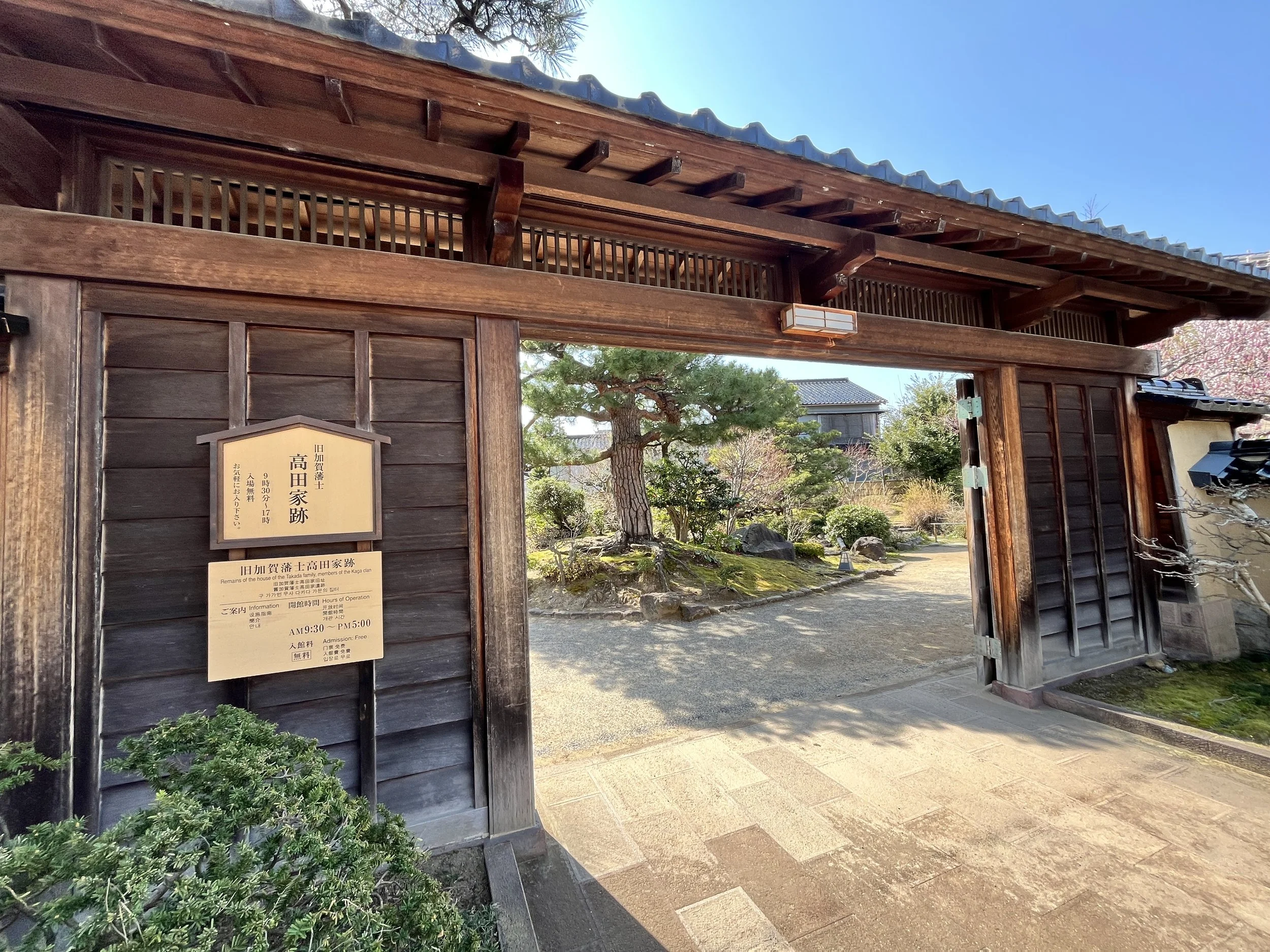
The Nagamachi Samurai District preserves the former residential area of Kanazawa’s samurai class, with narrow lanes, earthen walls, and carefully maintained traditional homes. Walking through the neighbourhood offers a quiet contrast to modern city life, where the historical street layout still reflects Edo-period social structure.
Inside preserved residences such as the Former Takada Residence, visitors can observe tatami rooms, inner gardens, and traditional architectural details that illustrate how samurai families once lived. These spaces provide a more intimate understanding of daily life beyond the formal settings of castles and official domains.
Location: 1 Chome-3-12-2 Nagamachi, Kanazawa, Ishikawa 920-0865, Japan
(3) Higashi Chaya Geisha District
Source: Canva
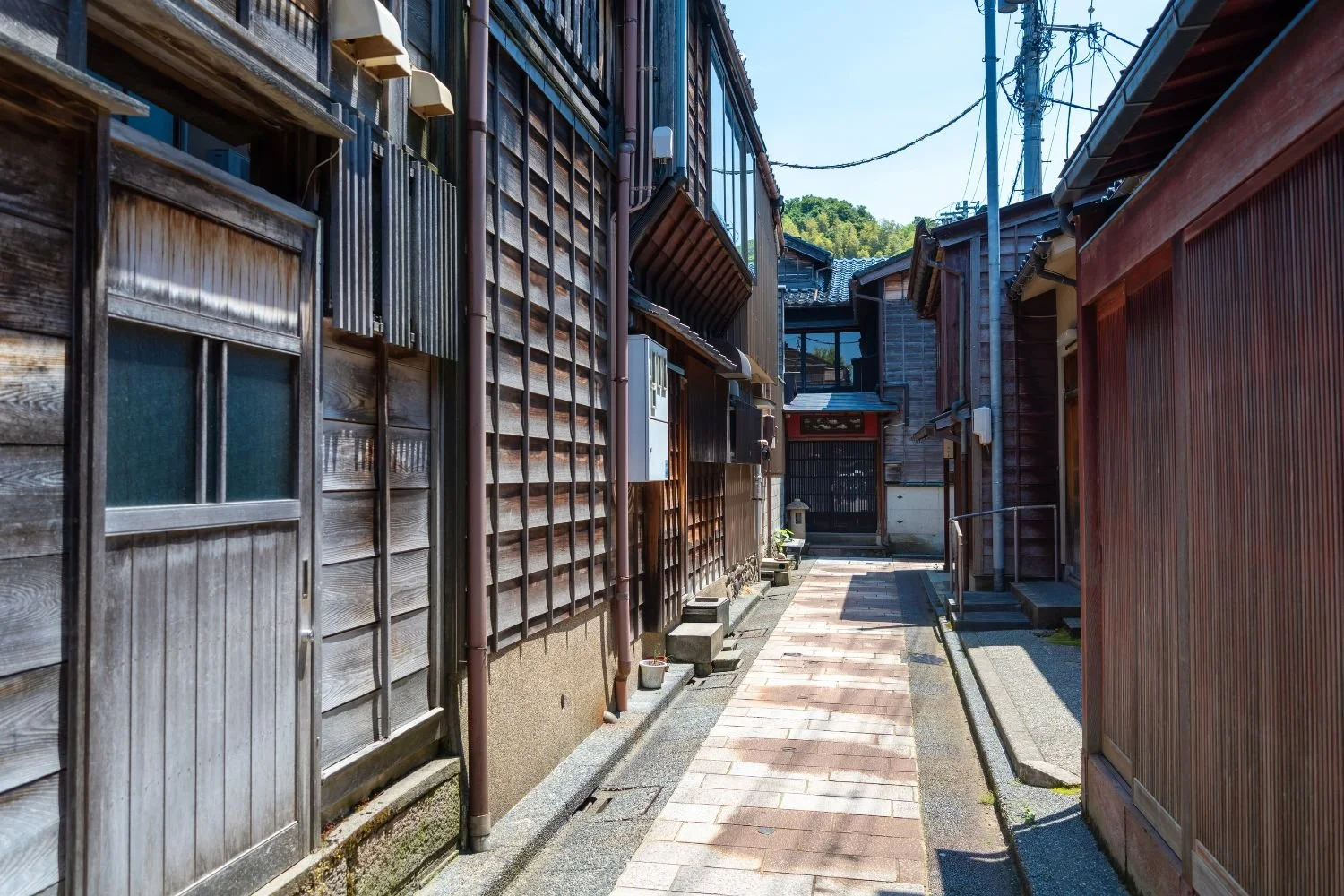
The Higashi Chaya District is one of Kanazawa’s most atmospheric areas, defined by its preserved wooden teahouses and Edo-period streetscape. It once served as an entertainment district where geisha performed music, dance, and tea ceremonies for wealthy patrons.
Today, many buildings have been converted into cafes, craft shops, and cultural spaces, while still retaining their historic façades. Visitors can experience traditional sweets, explore interiors of select teahouses, or simply stroll the streets to appreciate the preserved architecture.
Location: 1-13 Higashiyama, Kanazawa, Ishikawa 920-0831, Japan
(4) D.T. Suzuki Museum
Source: Visit Kanazawa
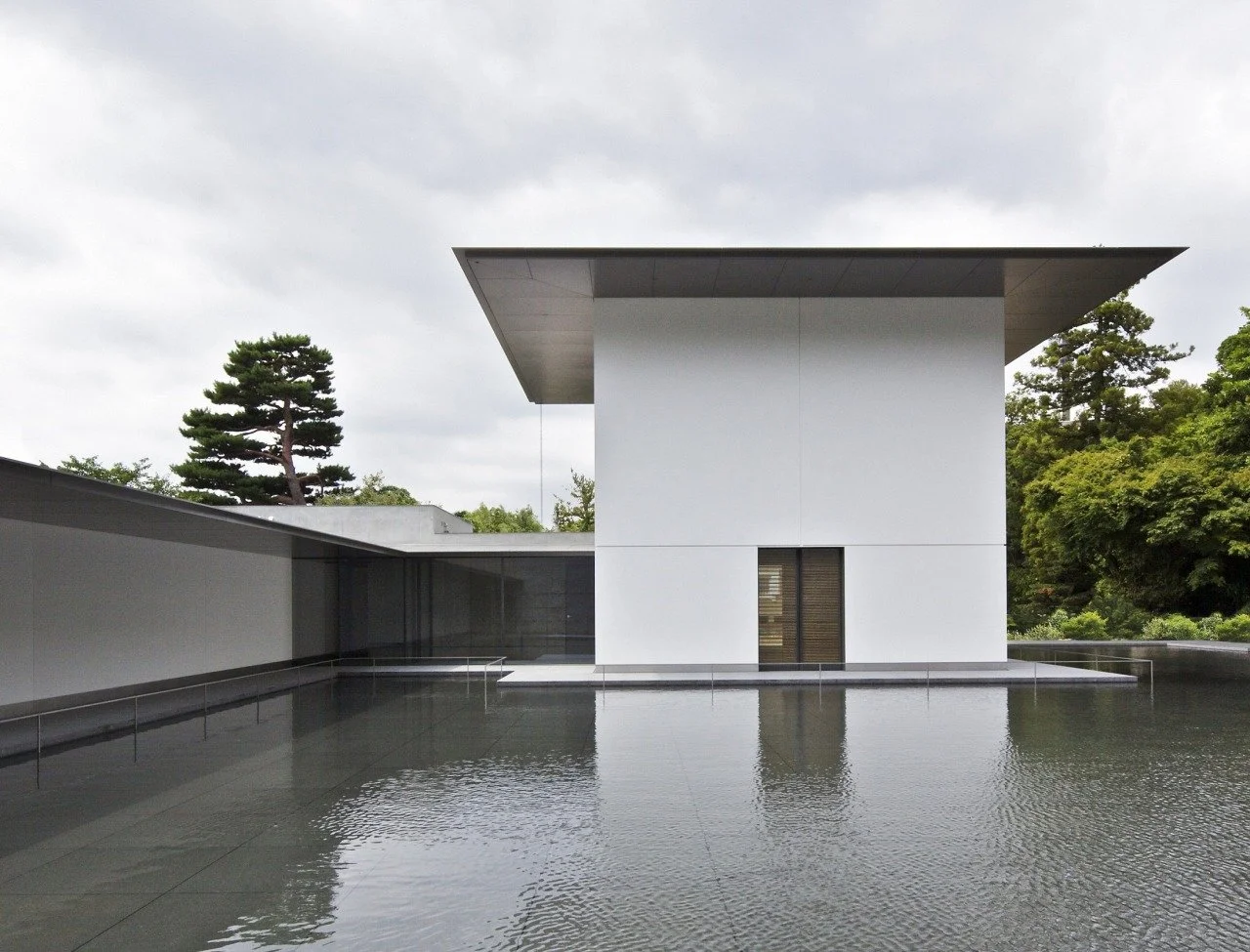
The D.T. Suzuki Museum is dedicated to Zen philosopher D.T. Suzuki and presents a more introspective side of Kanazawa’s cultural landscape. Its architecture is minimal and carefully composed, using water, light, and open space to encourage reflection rather than display.
Unlike conventional museums, the experience here is centred on atmosphere and contemplation. Visitors move through quiet spaces that highlight simplicity and balance, offering a pause from the more visually rich attractions across the city.
Location: 3-4-20 Hondamachi, Kanazawa, Ishikawa 920-0964, Japan
Opening hours: Tue-Sun 9:30am - 5:00pm (last entry 4:30pm) (Closed on Mon)
Fee: Adult (¥310), Senior (¥210), Child (Free)
Website
Nature & Scenic Landscapes
(5) Kenrokuen Garden
Source: Canva
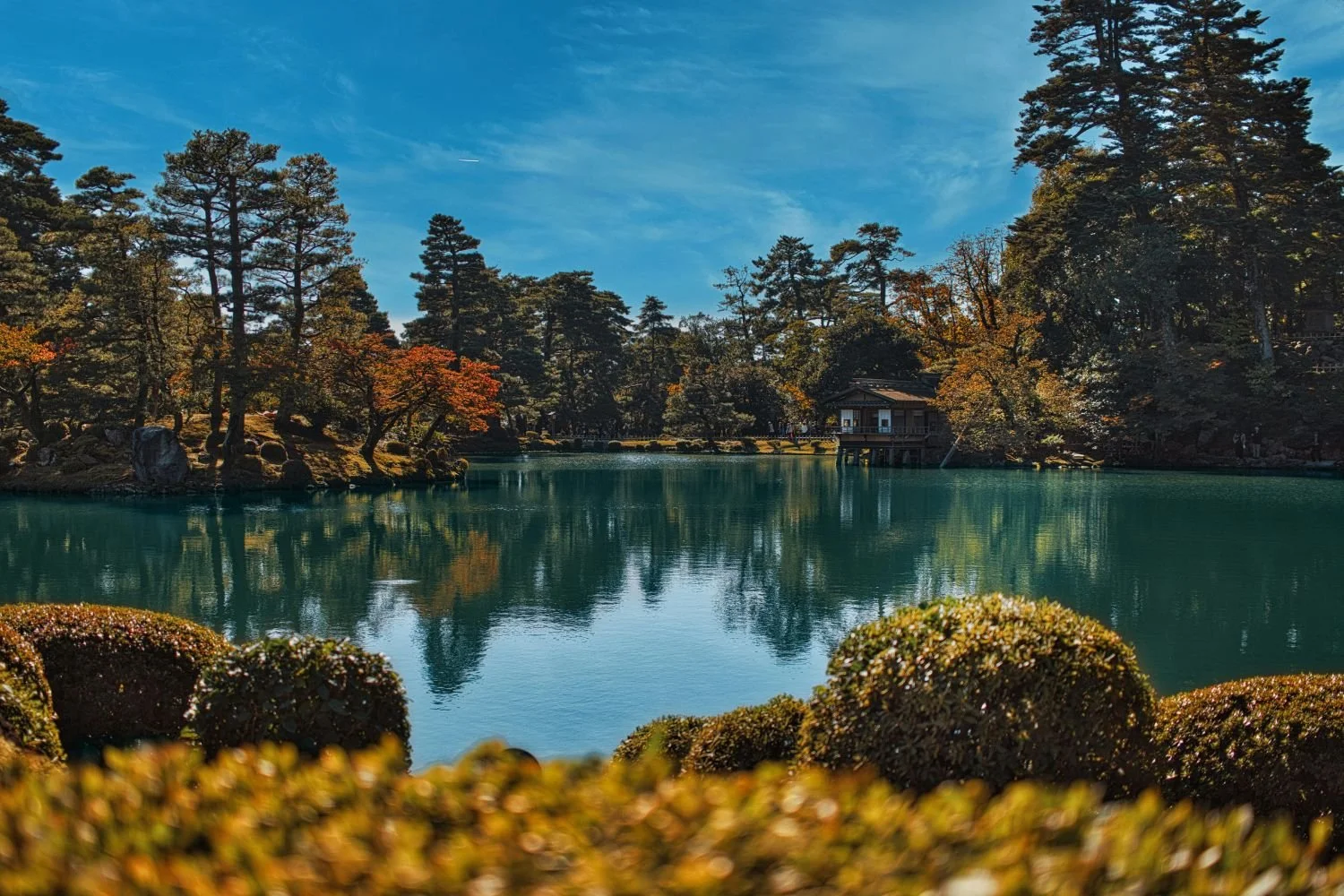
Kenrokuen Garden is one of Japan’s most celebrated landscape gardens, designed around six ideal qualities of scenery. It was developed over generations by the Maeda clan and remains a defining symbol of Kanazawa’s aesthetic heritage.
Each season transforms the garden dramatically, from cherry blossoms in spring to snow-covered trees in winter supported by traditional rope structures. The carefully composed scenery makes it one of the most rewarding places in Japan for slow, repeated visits.
Location: 1 Kenrokumachi, Kanazawa, Ishikawa 920-0936, Japan
Opening hours: 7am - 6pm (1 Mar - 15 Oct), 8am - 5pm (8am - 5pm)
Fee: Adult (¥320), Child 6 - 17 years old (¥100)
Website
Food & Local Dining Experiences
(6) Omicho Market
Source: Japan Navi Journey
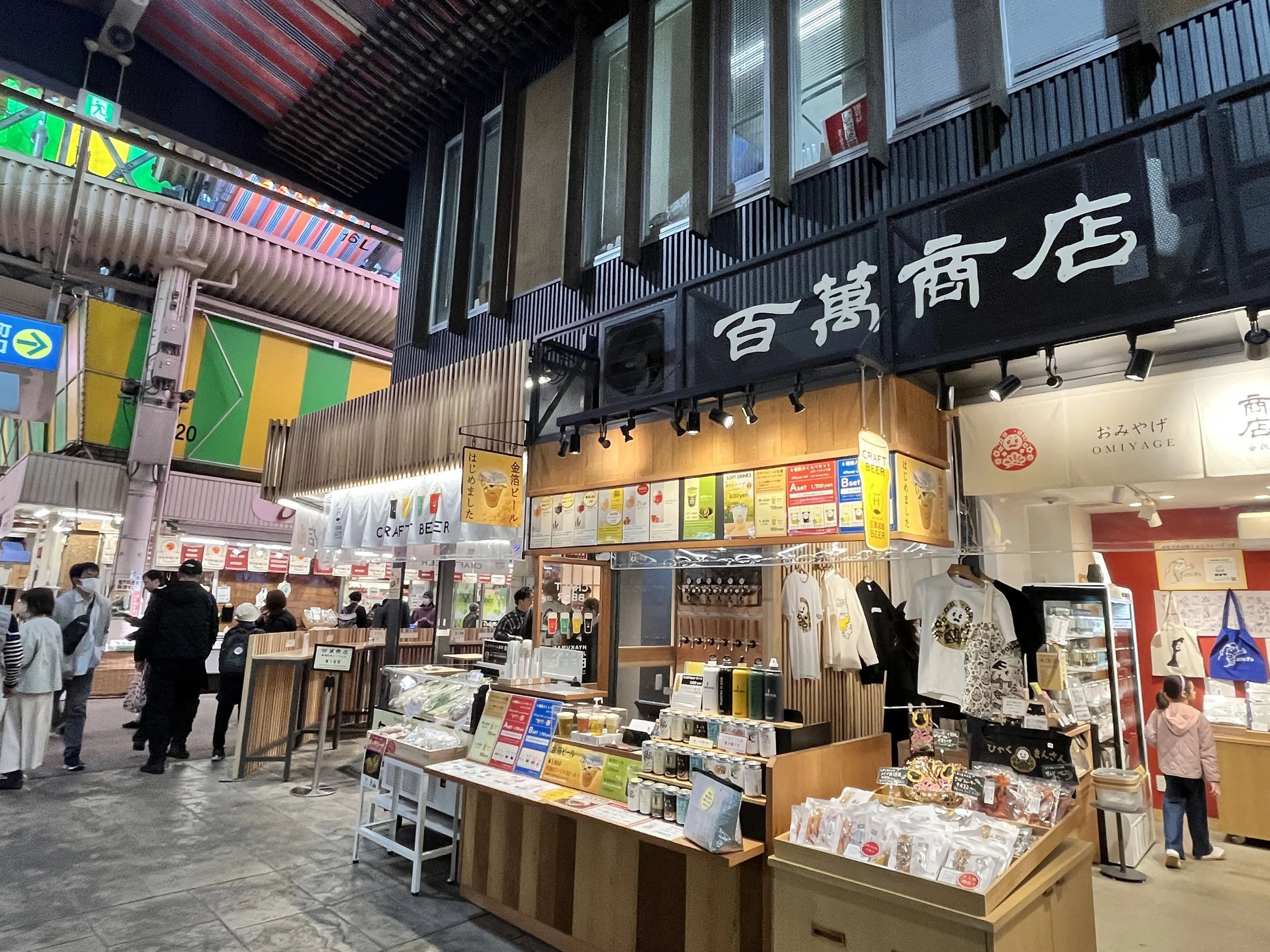
Omicho Market has served as Kanazawa’s main food market for centuries, earning its reputation as the city’s kitchen. The market is especially known for fresh seafood sourced from the Sea of Japan, including crab, nodoguro (blackthroat seaperch), and seasonal sashimi.
Visitors can enjoy prepared dishes within designated dining areas or browse stalls offering local produce, snacks, and regional specialties. The market reflects Kanazawa’s strong connection to seasonal eating and coastal food culture.
Location: 50 Kamiomicho, Kanazawa, Ishikawa 920-0905, Japan
Opening hours: 9am - 5pm daily
Website
Craftsmanship & Traditional Arts
(7) Gold Leaf and Ishikawa’s Craft Heritage
Source: Japan Navi Journey
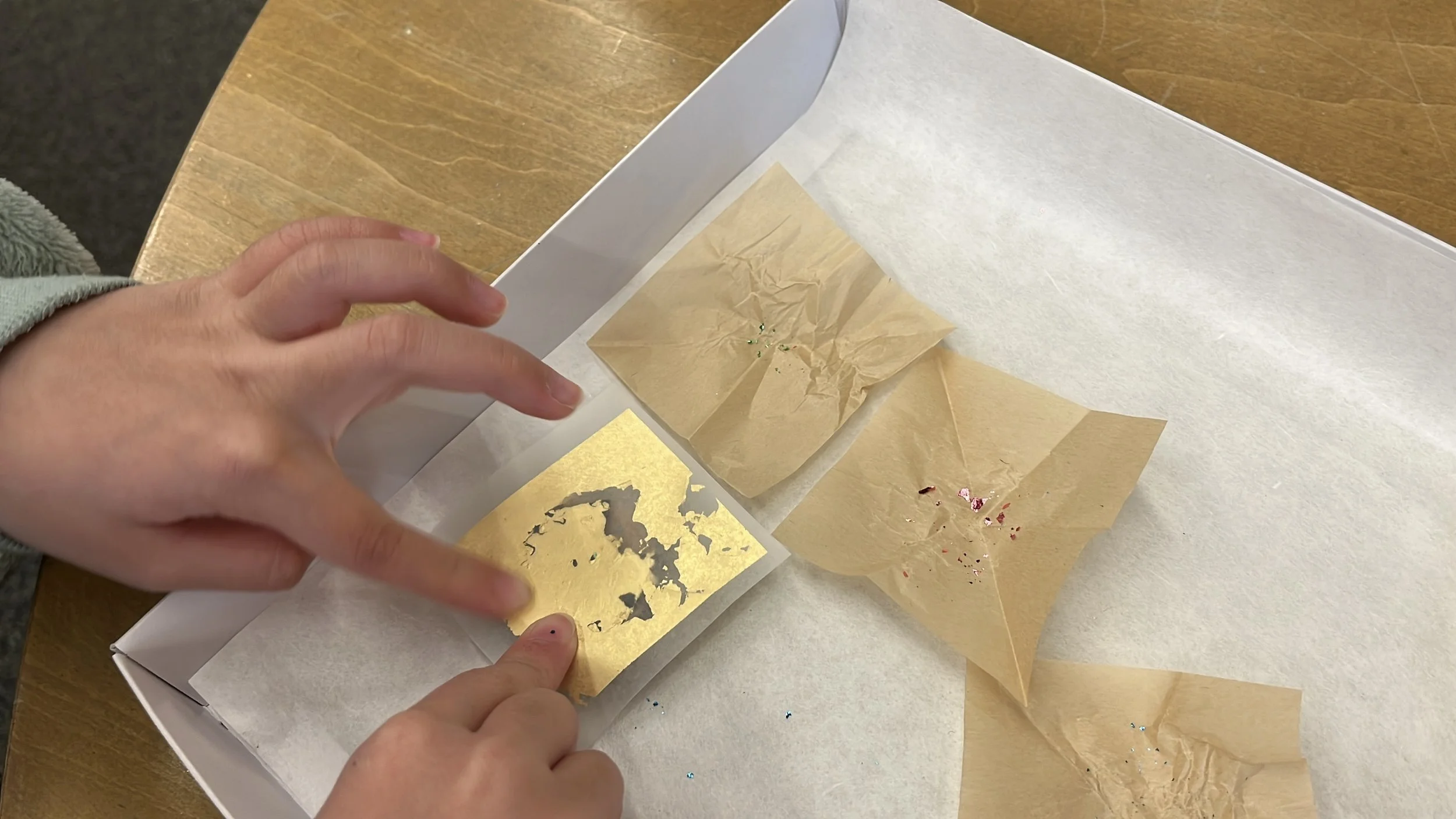
Kanazawa produces over 98% of Japan’s gold leaf, making it the country’s centre for this highly refined craft. The technique has been passed down for centuries and is used in everything from art and architecture to food presentation.
At Hakuchi, visitors can observe the delicate production process or participate in gold leaf application experiences. The craft reflects Kanazawa’s broader identity as a city where precision, patience, and beauty are deeply integrated into everyday culture.
(8) Kutani Ware and Yamanaka Lacquerware
Source: Canva
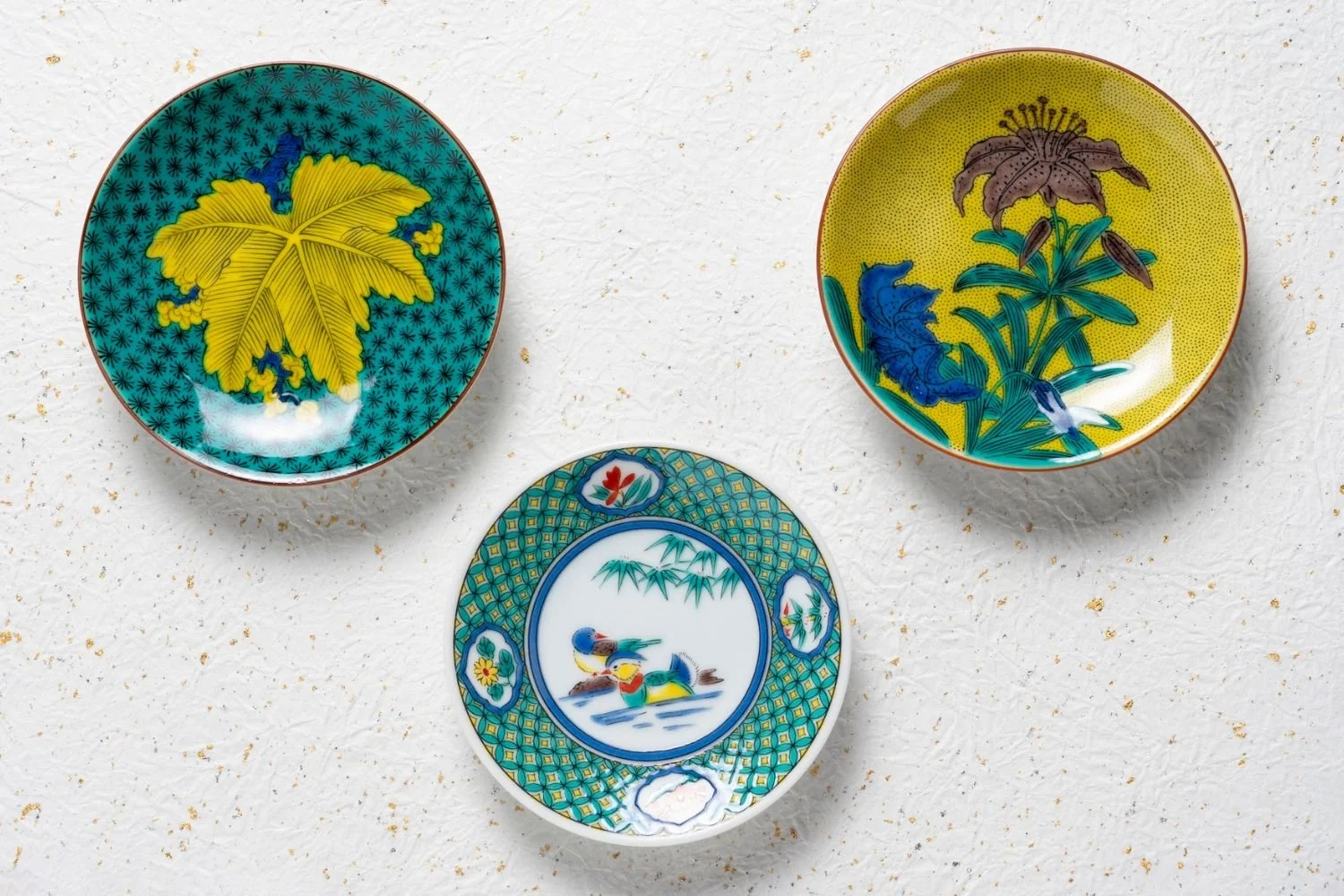
Beyond gold leaf, Ishikawa Prefecture is also known for a wide range of pottery including Kutani ware and Yamanaka lacquerware. Kutani ware is recognised for its bold colours and intricate designs, while Yamanaka lacquerware focuses on texture, durability, and understated elegance.
Both crafts remain actively produced today, with workshops and studios allowing visitors to see artisans at work. These traditions highlight Kanazawa’s continued role as a living centre of Japanese craftsmanship rather than a preserved relic.
Art & Modern Culture
(9) 21st Century Museum of Contemporary Art
Source: Visit Kanazawa
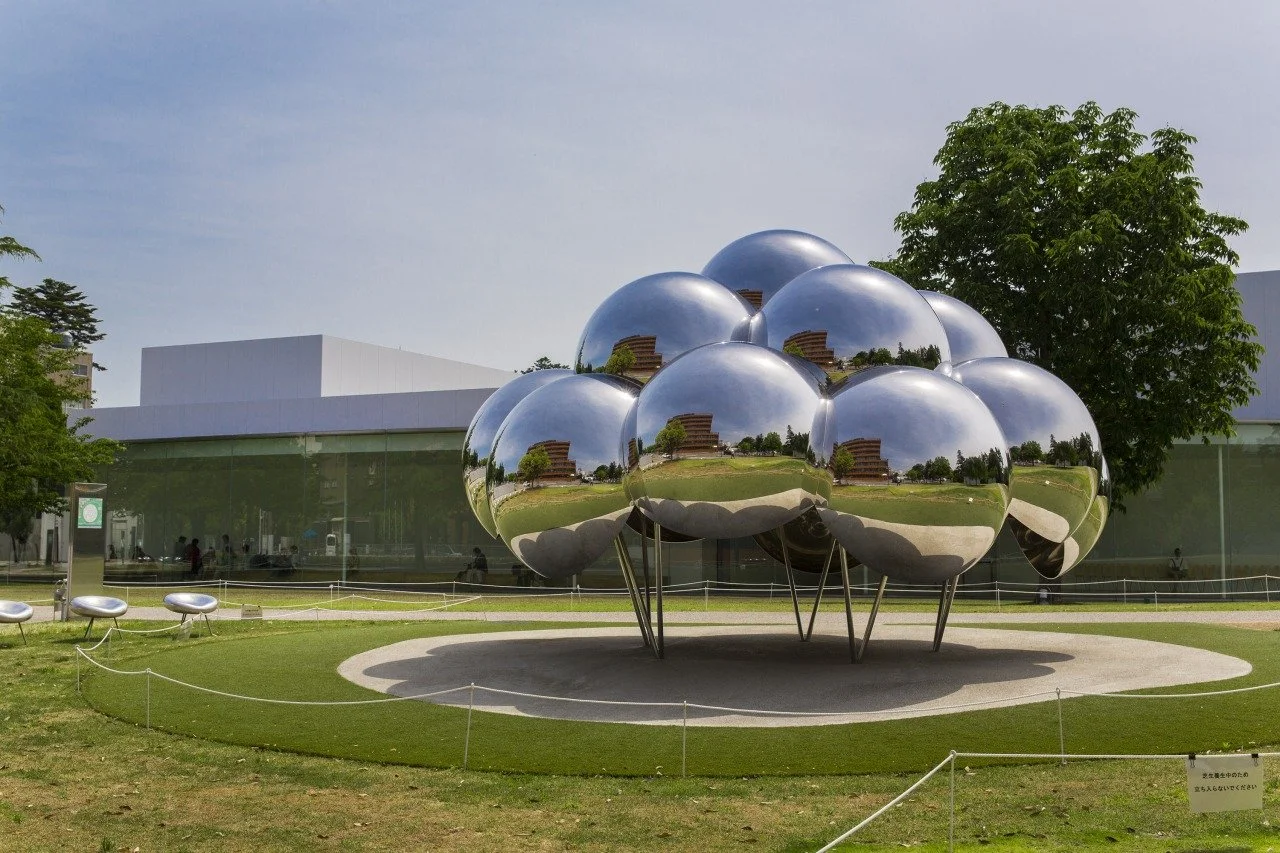
The 21st Century Museum of Contemporary Art, Kanazawa offers a contemporary contrast to the city’s historical districts. Its circular, glass-walled design encourages openness and interaction, reflecting a modern approach to museum spaces.
Inside, exhibitions focus on immersive and participatory works that invite visitors to engage directly with art. The museum demonstrates how Kanazawa integrates modern creativity into a city deeply rooted in tradition.
Location: 1-2-1, Hirosaka, Kanazawa, Ishikawa 920-8509 Japan
Opening hours: 10am – 6pm (Mon-Fri, Sun), 10am - 8pm (Fri & Sat) (closing at 20:00 on Fridays and Saturdays.)
Free zone is open to all from 9am – 10pm daily.
Website
Extend Your Trip from Kanazawa
(10) Yamanaka Onsen, Takayama & Shirakawa-go
Source: Japan Navi Journey
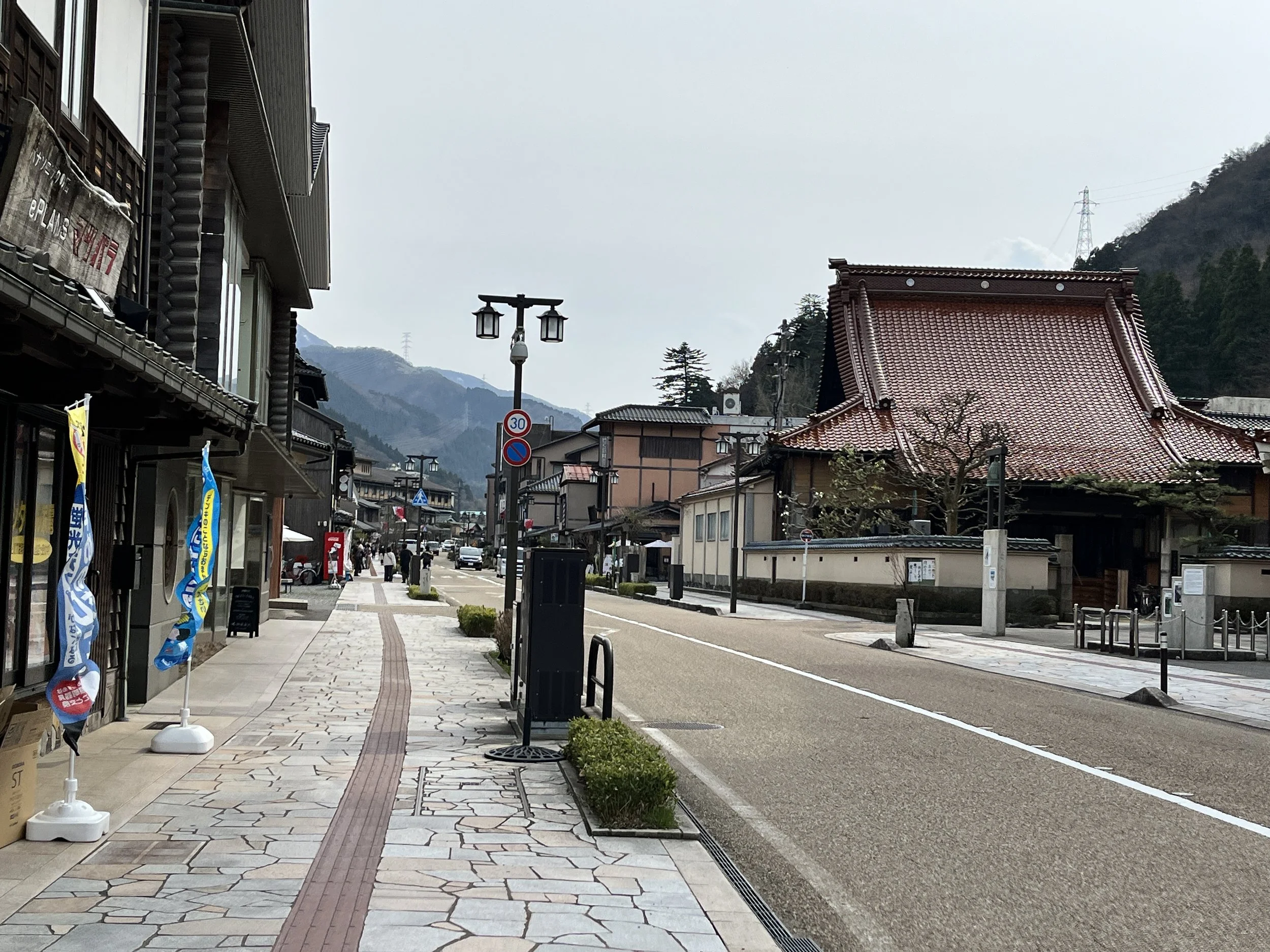
Beyond the city, travellers can extend their journey to Yamanaka Onsen, a peaceful hot spring town located in a forested river valley within Ishikawa Prefecture. Known for its long-established onsen culture and seasonal scenery, it offers a natural continuation of Kanazawa’s slower pace, shifting the experience from urban heritage to relaxation in nature.
The town is characterised by its riverside setting along the Daishoji River, where walking paths, small bridges, and changing foliage create a calm, restorative atmosphere. It is also known for Yamanaka lacquerware, a traditional craft still produced locally in workshops and specialty shops. For a wider regional route, travellers can continue from Nagoya to Kanazawa via Takayama, known for its preserved Edo-period streets, and onward to Shirakawa-go, famous for its gassho-zukuri farmhouses set against alpine landscapes.
List of Yamanaka locations
Website
A Final Look at Kanazawa’s Cultural Depth
Kanazawa stands out not through scale, but through depth. Its blend of samurai history, craft traditions, seasonal cuisine, and modern culture makes it one of Japan’s most rewarding compact cities.
Whether accessed via Tokyo to Kanazawa or as part of a wider Nagoya to Kanazawa route, it offers a slower, more thoughtful way to experience Japan—one that extends naturally into surrounding cultural and natural landscapes.
Enjoyed reading our articles? Check out others below!

Experience Oita beyond its famous hot springs with scenic landscapes, local gourmet delights and unique experiences across Beppu and Yufuin.