
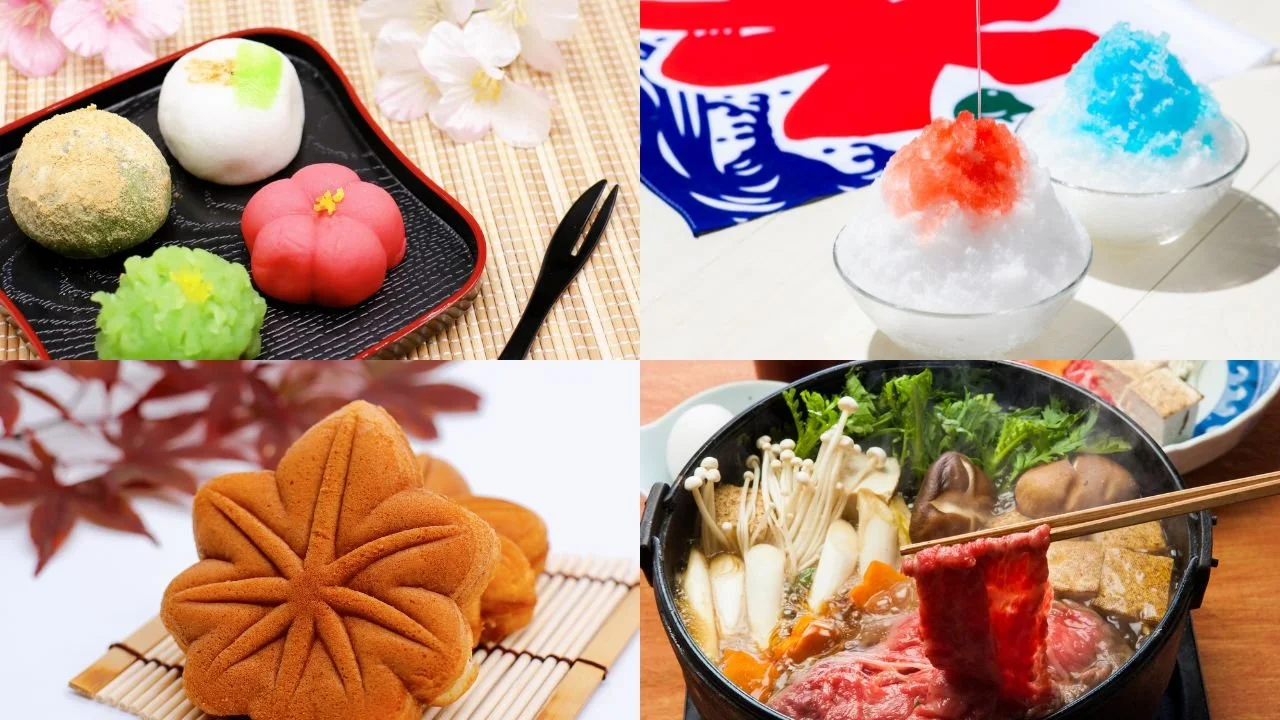
Japan’s food culture changes with the seasons, bringing a fresh selection of ingredients, regional specialities and traditional dishes throughout the year. Spring brings delicate cherry blossom treats and firefly squid, summer calls for chilled noodles and refreshing desserts, autumn showcases fragrant mushrooms and freshly harvested rice, while winter is the season for warming hot pots and rich seafood.
Eating seasonally is another way to experience Japan beyond its famous sushi, ramen and wagyu beef. From market stalls and neighbourhood restaurants to seasonal sweets and regional delicacies, here is what to eat in Japan in each season.
Spring (March to May)
(1) Sakura Mochi and Seasonal Wagashi
(2) Takenoko: Young Bamboo Shoots
(3) Hotaru Ika: Firefly Squid in Toyama
(4) Sakura Ebi: Pink Shrimp from Shizuoka
Summer (June to August)
(5) Hiyashi Chuka: Chilled Ramen-Style Noodles
(6) Unagi: Midsummer's Grilled Eel
(7) Ayu: Sweetfish by the River
(8) Hamo: Pike Conger in Kyoto
(9) Kakigori: Shaved Ice with Seasonal Fruit
Autumn (September to November)
(10) Matsutake: Japan's Prized Autumn Mushroom
(11) Sanma: Pacific Saury
(12) Shishamo: Seasonal Grilled Fish in Hokkaido
(13) Kuri: Japanese Chestnuts
(14) Shinmai: New-Harvest Rice
Winter (December to February)
(15) Kani: Snow Crab Along the Sea of Japan
(16) Fugu: A Winter Delicacy
(17) Nabe: Regional Hot Pots
(18) Buri: Yellowtail in Winter
(19) Oden: A Winter Comfort Food
(20) Yuzu: Fragrant Winter Citrus
Spring (March to May): Sakura Sweets, Bamboo Shoots and Seasonal Seafood
Spring brings delicate flavours and ingredients that appear for only a limited time. Beyond cherry blossom viewing, it is an excellent season to explore traditional confectionery, tender vegetables and seafood associated with Japan's coastal regions.
(1) Sakura Mochi and Seasonal Wagashi
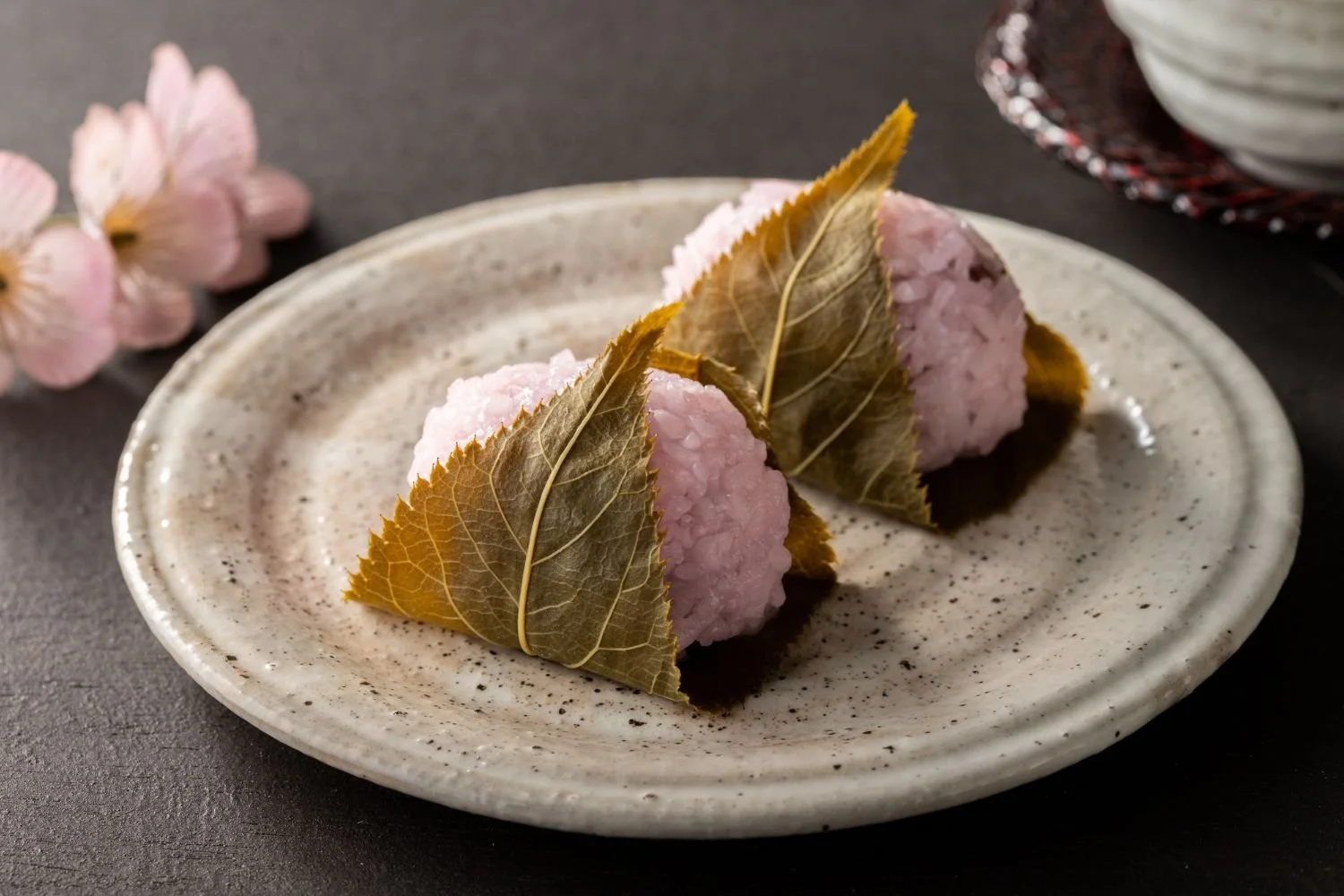
Sakura Mochi
Cherry blossom season brings limited-time sweets, from sakura mochi to delicate wagashi inspired by spring flowers. Sakura mochi varies by region: the Kanto version typically uses a thin, crepe-like wrapper, while the Kansai version features a coarser, domed rice cake. Both are filled with sweet red bean paste and wrapped in a pickled cherry leaf.
Traditional confectionery shops in Kyoto and Tokyo are ideal places to explore these regional differences. Seasonal wagashi may feature cherry blossoms, young leaves and other spring motifs, often designed to accompany matcha or Japanese tea. Sakura-flavoured cakes, ice cream and drinks also appear during this period.
(2) Takenoko: Young Bamboo Shoots
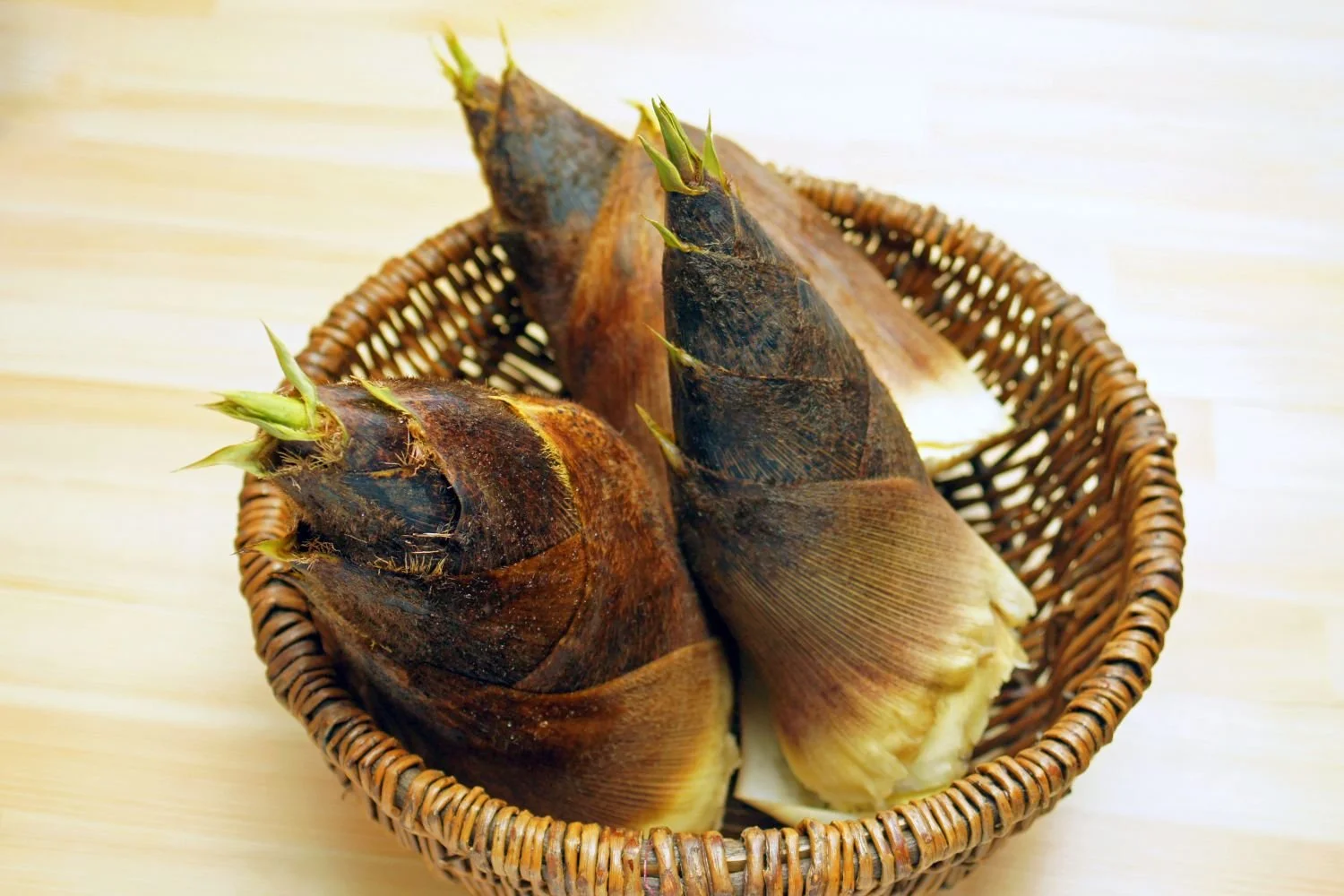
Takenoko
Source: Canva
A hallmark of spring cuisine, takenoko has a tender texture and delicate, earthy sweetness. It is often prepared simply, whether simmered in dashi, served as tempura or cooked with rice as takenoko gohan, allowing its seasonal flavour to shine.
Kyoto is particularly associated with premium bamboo shoots, including varieties grown in the Nishiyama area. Traditional Japanese restaurants feature them in spring kaiseki menus, often paired with seasonal vegetables and seafood.
(3) Hotaru Ika: Firefly Squid in Toyama
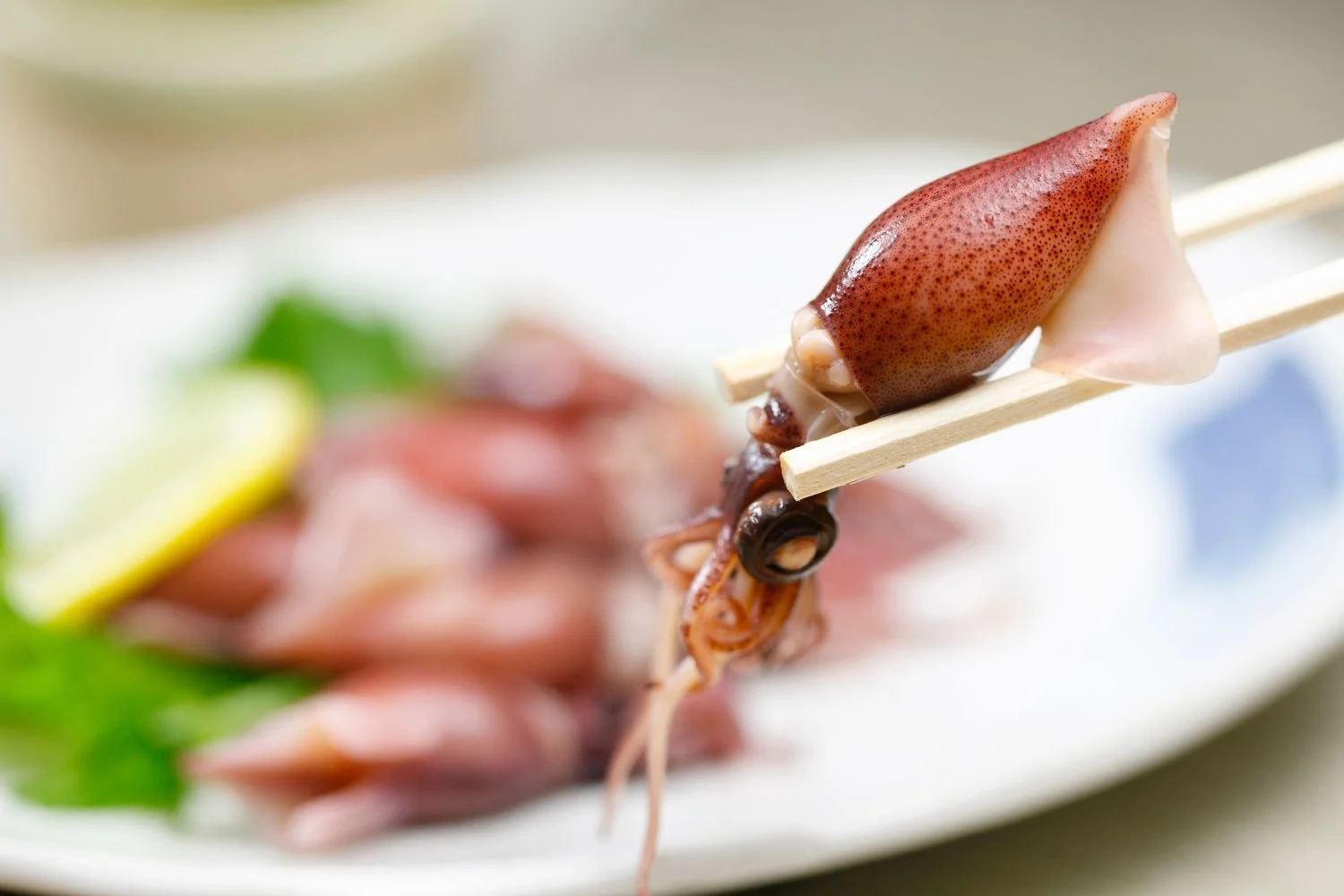
Hotaru Ika
Toyama Bay is one of Japan's best-known destinations for hotaru ika, small squid that appear in large numbers during spring. Their rich, savoury flavour makes them a seasonal highlight, especially when served boiled with vinegared miso, grilled or incorporated into local seafood dishes.
Although hotaru ika appears on menus elsewhere in Japan, visiting Toyama offers a chance to experience the ingredient where it is closely tied to local food culture. Look for it at seafood restaurants and sushi establishments during spring, when preparations range from simple appetisers to rice dishes that showcase the squid's distinctive flavour.
(4) Sakura Ebi: Pink Shrimp from Shizuoka
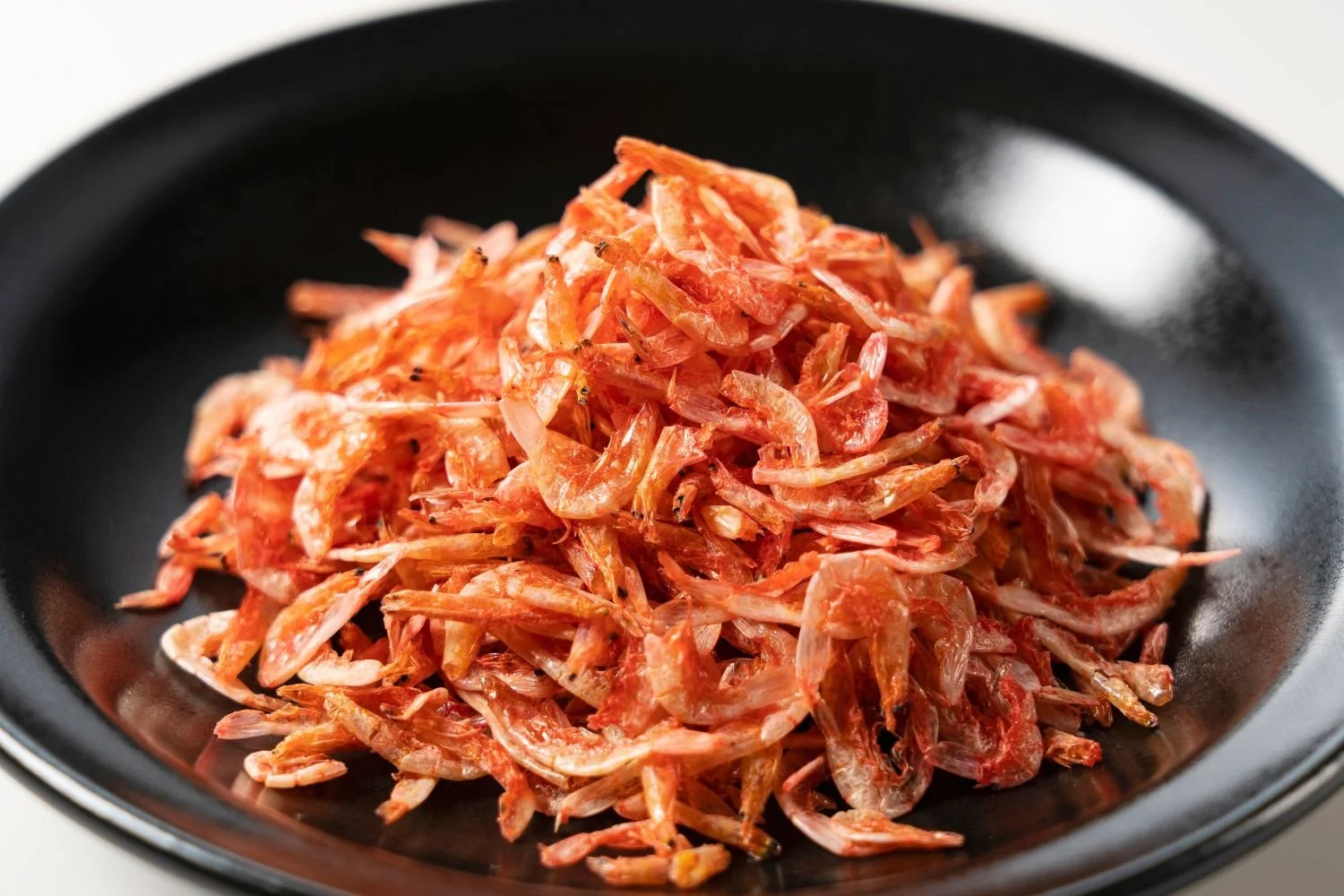
Sakura Ebi
Sakura ebi, tiny pink shrimp associated with Suruga Bay in Shizuoka Prefecture, are prized for their concentrated sweetness and delicate seafood flavour. They are especially appealing in kakiage, crisp tempura fritters made with shrimp and other ingredients, or served over rice.
Shizuoka, particularly the port town of Yui, is a natural destination for this speciality. Spring is one of the traditional sakura ebi fishing periods, although fishing seasons and availability depend on local conditions and restrictions. Check local catch information when planning a visit, as restaurants may also serve dried sakura ebi outside the fresh fishing season.
Summer (June to August): Chilled Noodles, Eel and Kyoto's Hamo
Summer dining in Japan balances refreshing dishes with ingredients rooted in regional traditions. Chilled noodles and shaved ice offer relief from the heat, while eel and pike conger feature prominently in seasonal food culture.
(5) Hiyashi Chuka: Chilled Ramen-Style Noodles
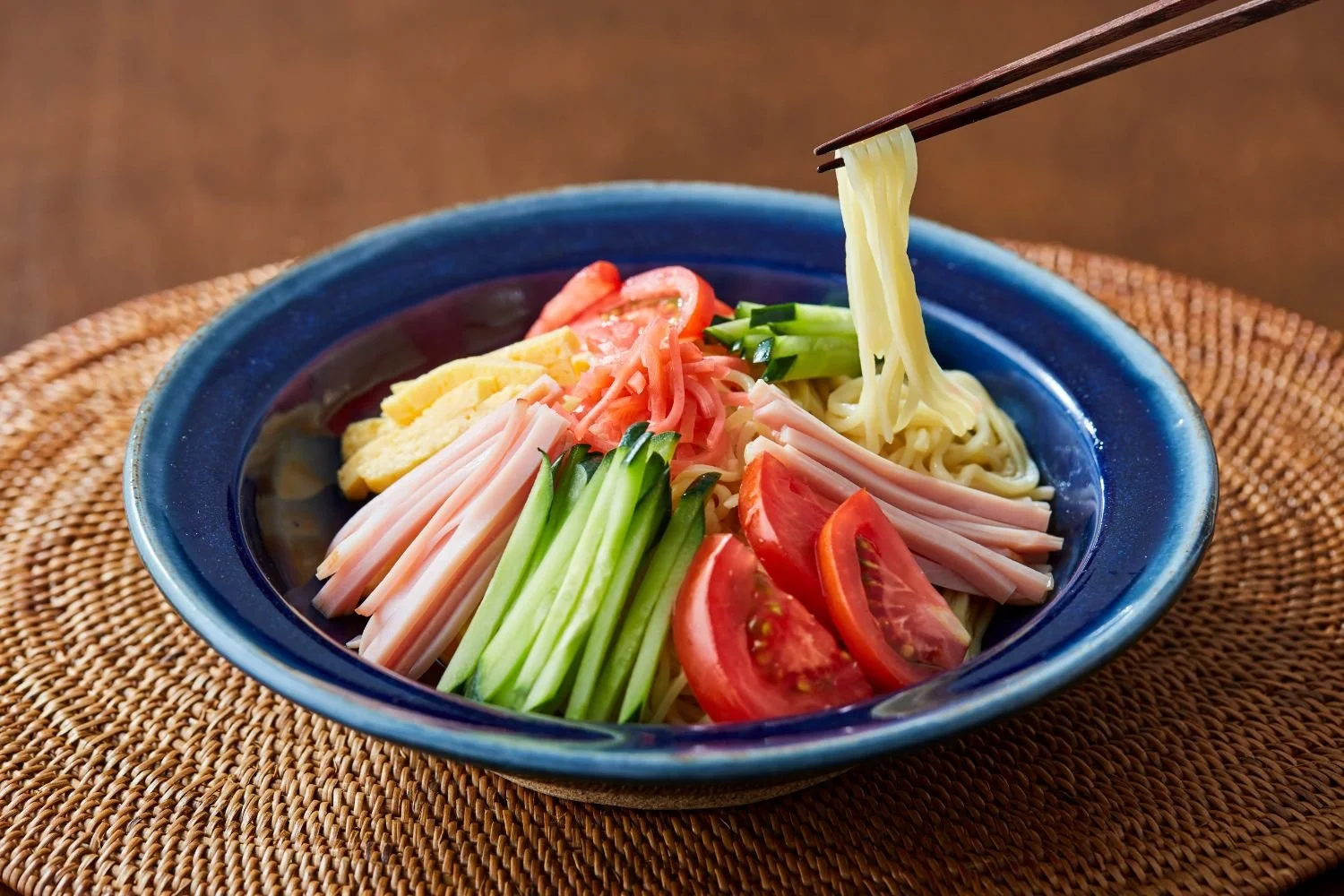
Hiyashi Chuka
Hiyashi chuka is a summer staple featuring chilled Chinese-style noodles topped with ingredients such as cucumber, egg, tomato, sliced meat or seafood. The combination is usually finished with a tangy soy-vinegar dressing or sesame sauce, creating a refreshing alternative to hot noodle dishes.
Widely available at ramen shops and neighbourhood eateries during the warmer months, hiyashi chuka also varies by restaurant, with different toppings and sauces. Look for it from early summer, when its colourful combination of cool noodles and crisp accompaniments is particularly appealing on a humid day.
(6) Unagi: Midsummer's Grilled Eel
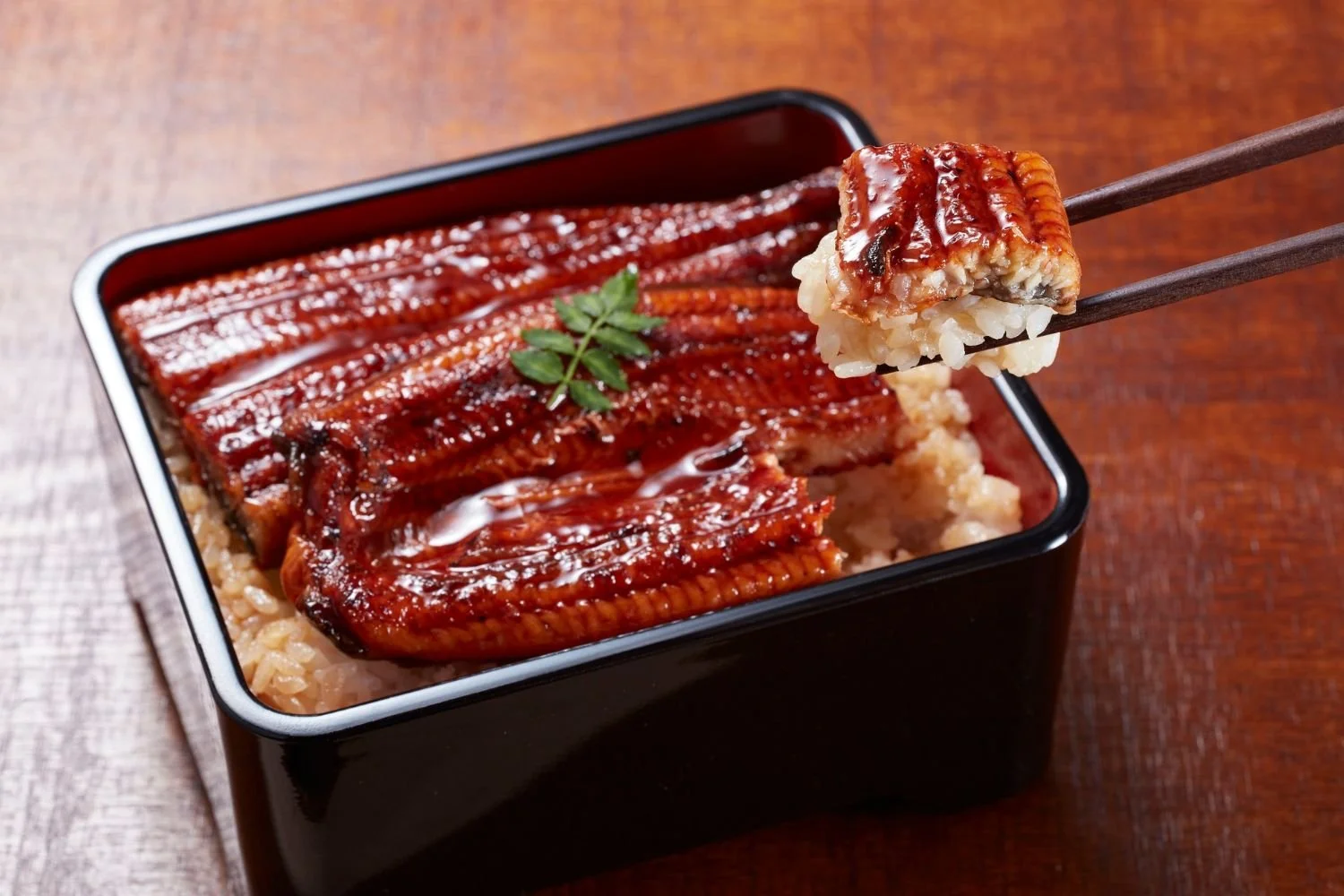
Unaju
Unagi is eaten throughout the year but has a particularly strong association with summer and Doyo no Ushi no Hi, a midsummer observance linked to eating nourishing foods. Grilled freshwater eel glazed with sweet-savoury tare sauce is commonly served over rice as unadon or in a lacquered box as unaju.
For a regional variation, head to Nagoya for hitsumabushi. The grilled eel and rice are traditionally enjoyed in several stages: first on their own, then with condiments, and finally with dashi or tea poured over the remaining rice. This distinctive ritual makes the dish a worthwhile addition to a food-focused Nagoya itinerary.
(7) Ayu: Sweetfish by the River
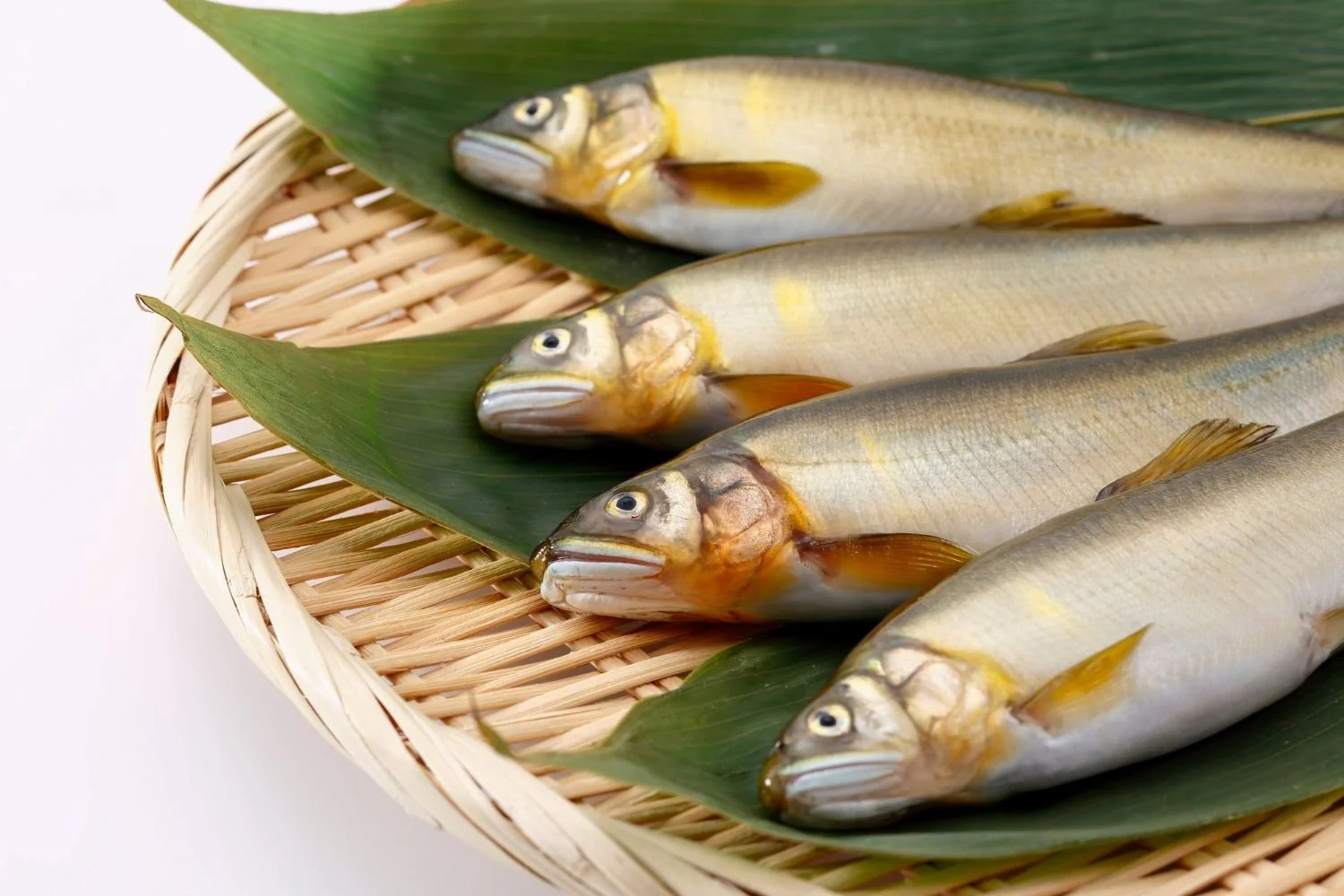
Ayu
Ayu is a summer speciality in river regions across Japan, including Gifu and parts of the Japanese Alps. Traditionally skewered and grilled with salt, the fish is appreciated for its delicate flavour and subtle aroma. Its distinctive preparation often sees it arranged on a curved skewer to resemble a fish swimming upstream.
Riverside restaurants and traditional inns may feature ayu during the fishing season, sometimes as part of a multi-course meal. Availability depends on regional fishing seasons and regulations, so check local menus before making a special trip.
(8) Hamo: Pike Conger in Kyoto
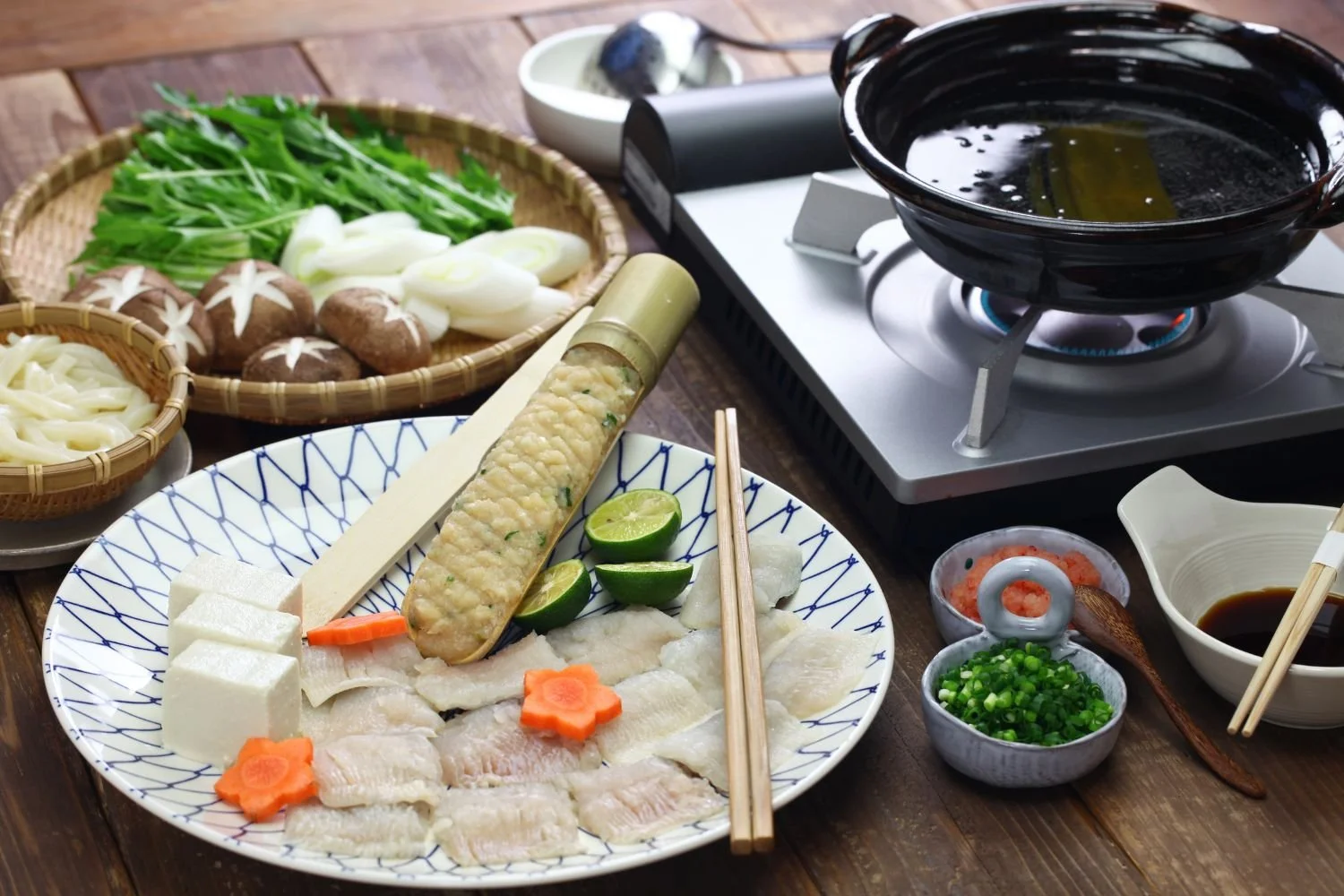
Hamo Shabu-shabu
Hamo, or pike conger, is closely associated with Kyoto's summer food culture. The fish's numerous fine bones require a specialised cutting technique known as hone-giri, which allows it to be eaten comfortably while giving the flesh a delicate texture. Common preparations include lightly blanched hamo with plum sauce, tempura and seasonal kaiseki courses.
Kyoto is the natural destination for exploring this tradition, particularly at restaurants that build their summer menus around hamo. The fish is often featured during the Gion Festival season, when the city's culinary traditions and summer celebrations intersect. Its prominence reflects Kyoto's long-established food culture and the importance of seasonal ingredients in traditional dining.
(9) Kakigori: Shaved Ice with Seasonal Fruit

Kakigori
Kakigori has evolved well beyond the simple syrup-topped versions found at festival stalls. Specialist shops serve finely shaved ice layered with fruit purées, house-made syrups, condensed milk and elaborate toppings, with menus often changing throughout summer.
Seasonal fruit varieties are especially appealing, while matcha and azuki beans offer a more traditional alternative. Look for dedicated kakigori cafés in Tokyo, Kyoto and Osaka, where some shops create carefully composed desserts inspired by Japanese confectionery.
Autumn (September to November): Mushrooms, Fish and the Harvest
Autumn brings a shift towards earthy flavours, richer seafood and ingredients tied to the harvest. Matsutake, sanma, chestnuts and newly harvested rice are among the season's defining foods, each with strong connections to particular regions and culinary traditions.
(10) Matsutake: Japan's Prized Autumn Mushroom
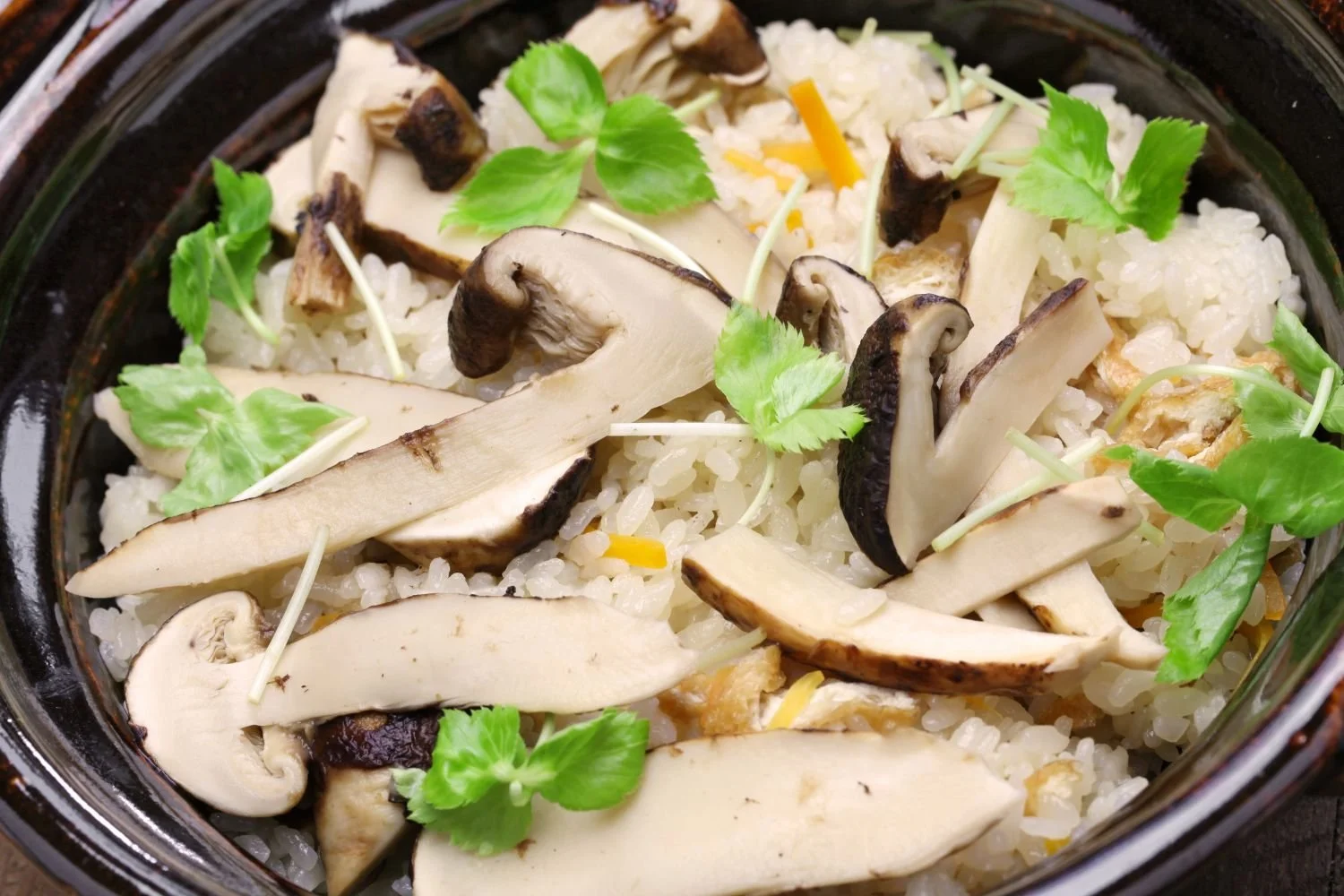
Matsutake Gohan
Matsutake is one of autumn's most coveted ingredients, valued for its distinctive pine-like aroma. Its limited supply and high price make it a special-occasion ingredient, often featured in seasonal restaurant menus. Common preparations include grilled matsutake, matsutake gohan and dobin mushi, a fragrant broth served in a small teapot-like vessel.
Matsutake appears on autumn menus at traditional Japanese restaurants and ryokan, sometimes as part of kaiseki dining.
(11) Sanma: Pacific Saury
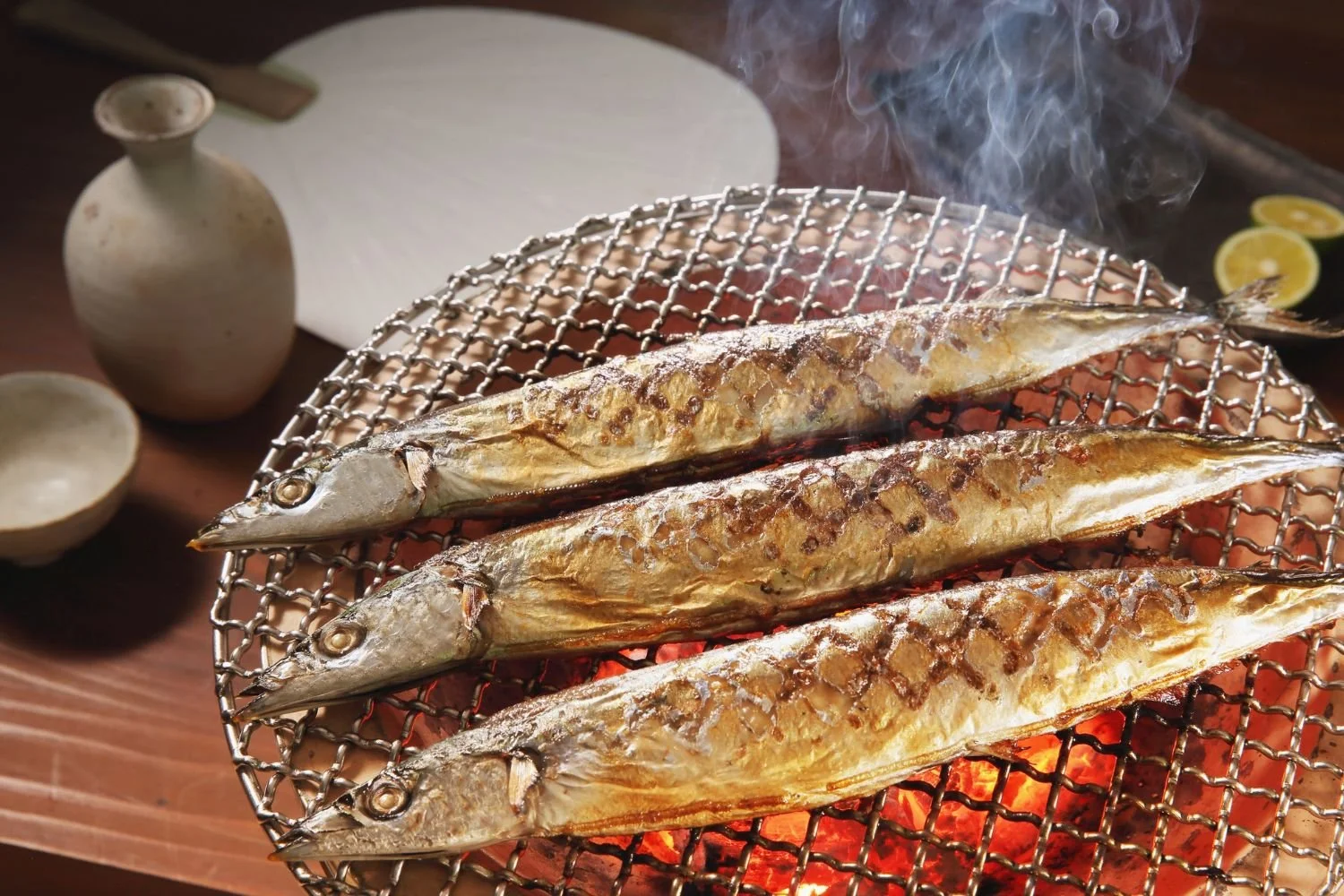
Sanma
Sanma is a quintessential autumn fish, traditionally grilled whole with salt and served with grated daikon and citrus. Its rich flavour and straightforward preparation make it a favourite of seasonal home cooking as well as casual Japanese restaurants.
The fish is associated with autumn catches along Japan's Pacific coast and is best enjoyed simply grilled, with crisp skin and tender flesh complemented by the sharpness of grated daikon and sudachi or another citrus. Sanma is worth seeking out at izakaya and traditional eateries during autumn, although catches and availability can fluctuate considerably between years.
(12) Shishamo: Seasonal Grilled Fish in Hokkaido
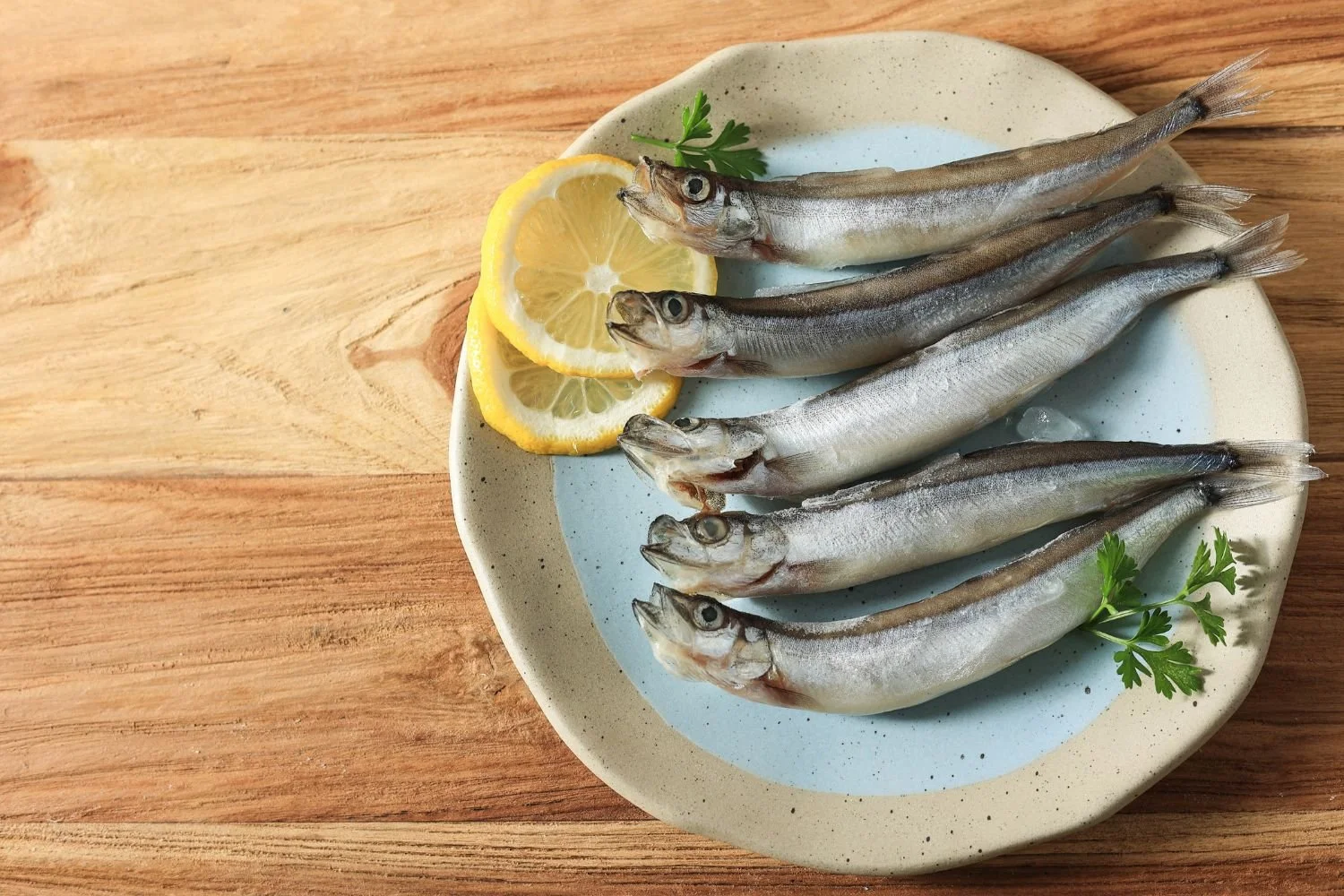
Shishamo
Shishamo is a small fish native to Hokkaido's Pacific coast, particularly associated with Mukawa in the Hidaka region. Distinct from capelin, which is often sold under the same name elsewhere, true shishamo has a limited range and is especially valued during its autumn spawning season.
The fish is commonly grilled whole, with roe-filled females particularly prized for their texture. Its savoury, concentrated flavour makes it a natural accompaniment to rice and drinks at local restaurants. For travellers visiting Hokkaido in autumn, restaurants in and around Mukawa offer an opportunity to seek out this distinctive regional speciality.
(13) Kuri: Japanese Chestnuts
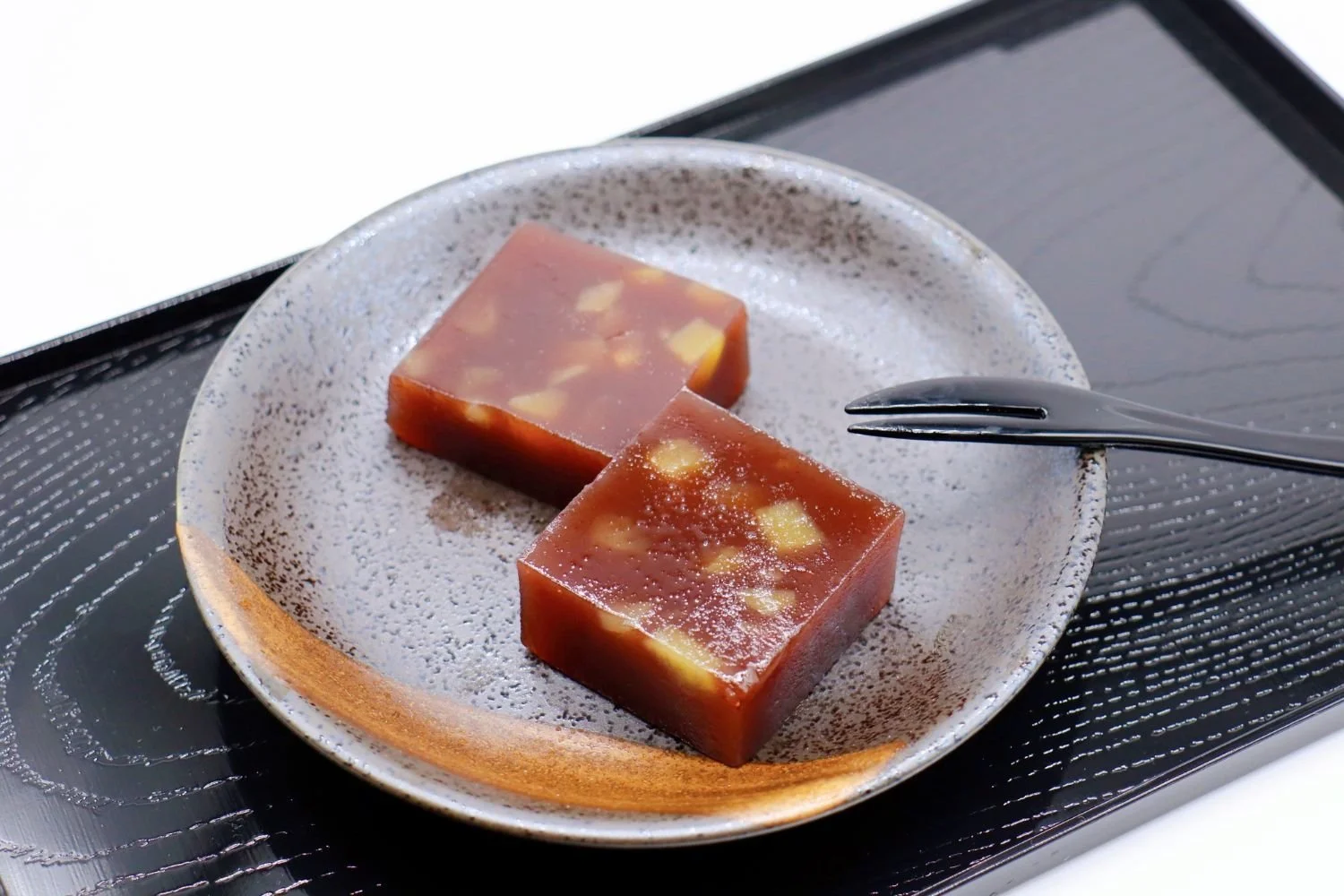
Chestnut Yokan
Chestnuts feature prominently in autumn cooking, appearing in both savoury dishes and confectionery. Kuri gohan combines chestnuts with rice for a seasonal dish that balances their natural sweetness with the grain's gentle flavour. For dessert, look for chestnut mont blanc, kuri kinton and regional wagashi made with local chestnuts.
Areas known for chestnut cultivation, including parts of Nagano and Gifu, are worth exploring for local varieties and seasonal confectionery. Chestnuts also feature in autumn food fairs and department-store dessert selections, offering opportunities to sample regional products even when travelling through major cities.
(14) Shinmai: New-Harvest Rice
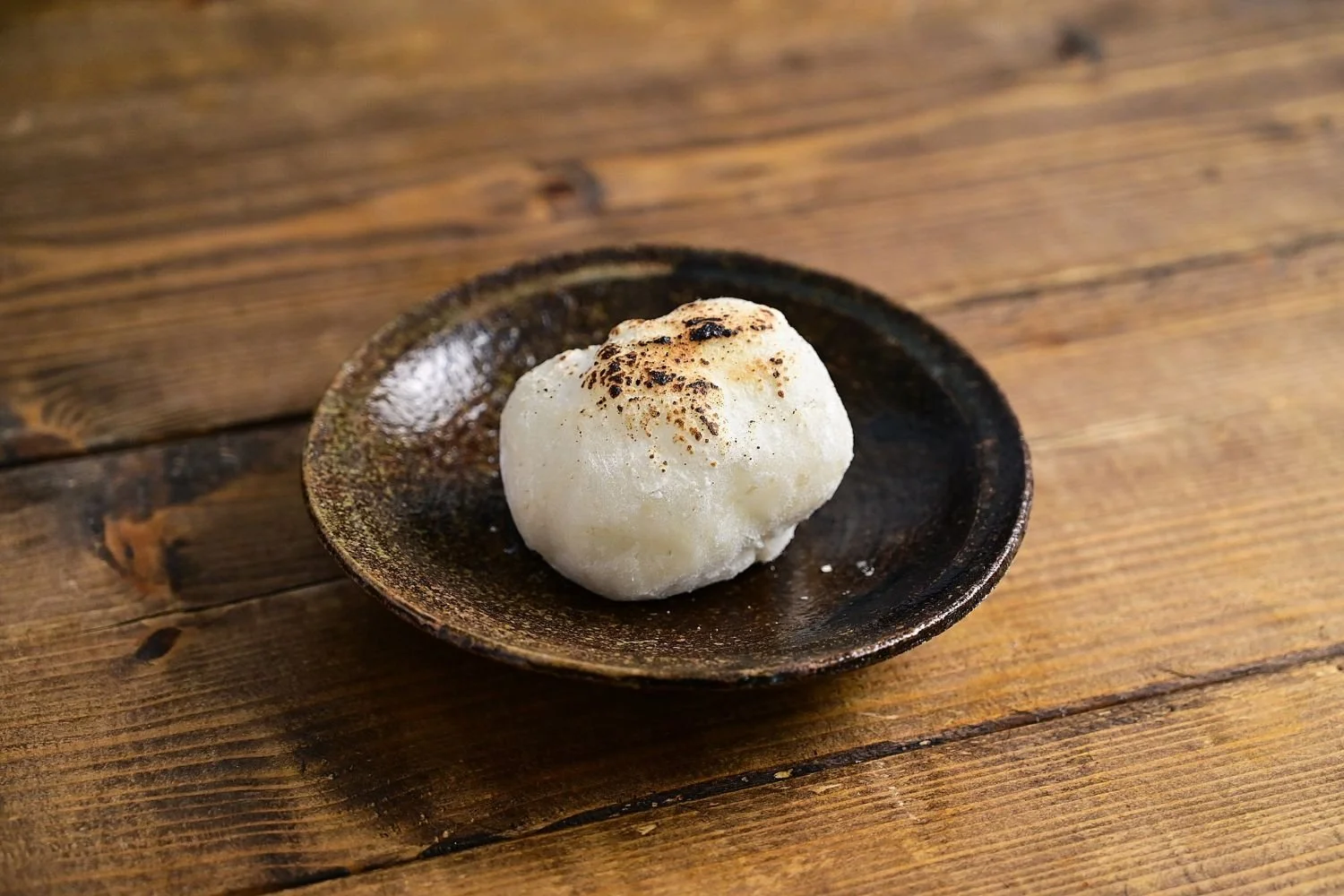
Grilled Shinmai Rice Cake
Autumn marks the arrival of shinmai, or new-harvest rice, in many parts of Japan. Freshly harvested rice is prized for its aroma, moisture and soft texture, and is often enjoyed with simple accompaniments that let the grain speak for itself.
Rice-producing regions offer local rice varieties at farm restaurants, traditional inns and specialist rice shops. Availability varies with the region and harvest schedule, so shinmai may appear at different times from early autumn onwards. Try it with grilled fish, pickles and miso soup, or seek out restaurants that identify the rice variety and its origin.
Winter (December to February)
Winter is the season for rich seafood, warming broths and dishes best enjoyed slowly. Regional ocean delights range from snow crab along the Sea of Japan coast to yellowtail in Hokuriku and hot pots that reflect local ingredients and traditions.
(15) Kani: Snow Crab Along the Sea of Japan
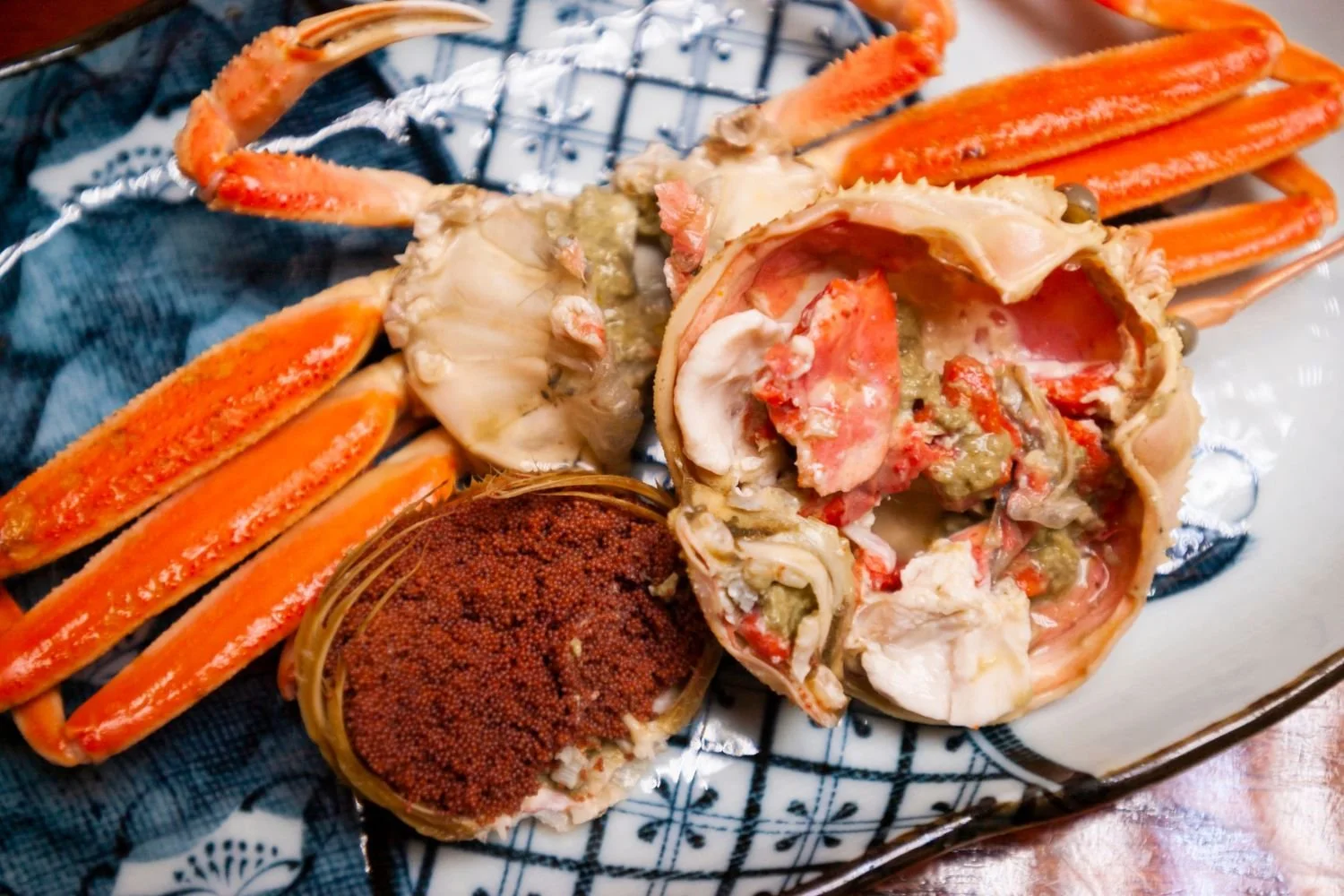
Winter crab is a major draw in coastal regions along the Sea of Japan. Fukui is known for Echizen gani, while Tottori is associated with Matsuba gani. Both names refer to male snow crab caught in their respective regions, with fishing seasons and local regulations influencing availability.
Crab may be served boiled, grilled, in suitable sashimi preparations or simmered in hot pot. A full crab meal can include several preparations, highlighting differences in sweetness, texture and flavour. Following the snow crab season through Hokuriku and the San'in coast offers a compelling reason to explore beyond Japan's major cities.
(16) Fugu: A Winter Delicacy
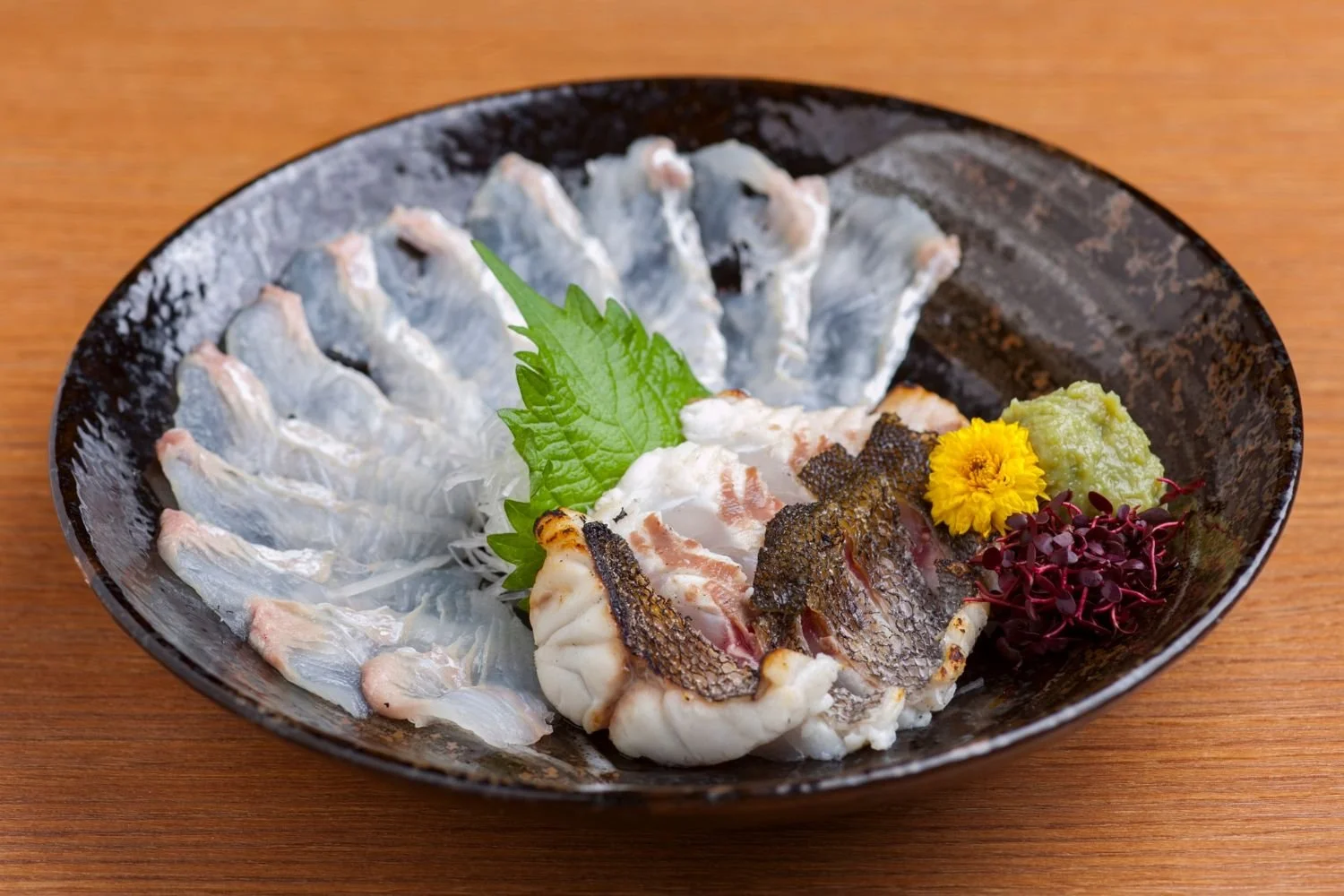
Fugu Sashimi
Fugu is closely associated with winter dining, with Shimonoseki in Yamaguchi Prefecture being one of Japan's best-known destinations for pufferfish. The fish is served in several forms, including thinly sliced sashimi known as tessa and hot pot known as tecchiri. Its subtle flavour pairs well with simple accompaniments and ponzu dipping sauce.
A fugu meal is as much about technique and presentation as flavour, particularly when the sashimi is arranged in delicate patterns on a plate. Because certain species and parts contain potent toxins, fugu must be prepared by appropriately qualified professionals. Choose established restaurants that comply with local licensing requirements.
(17) Nabe: Regional Hot Pots
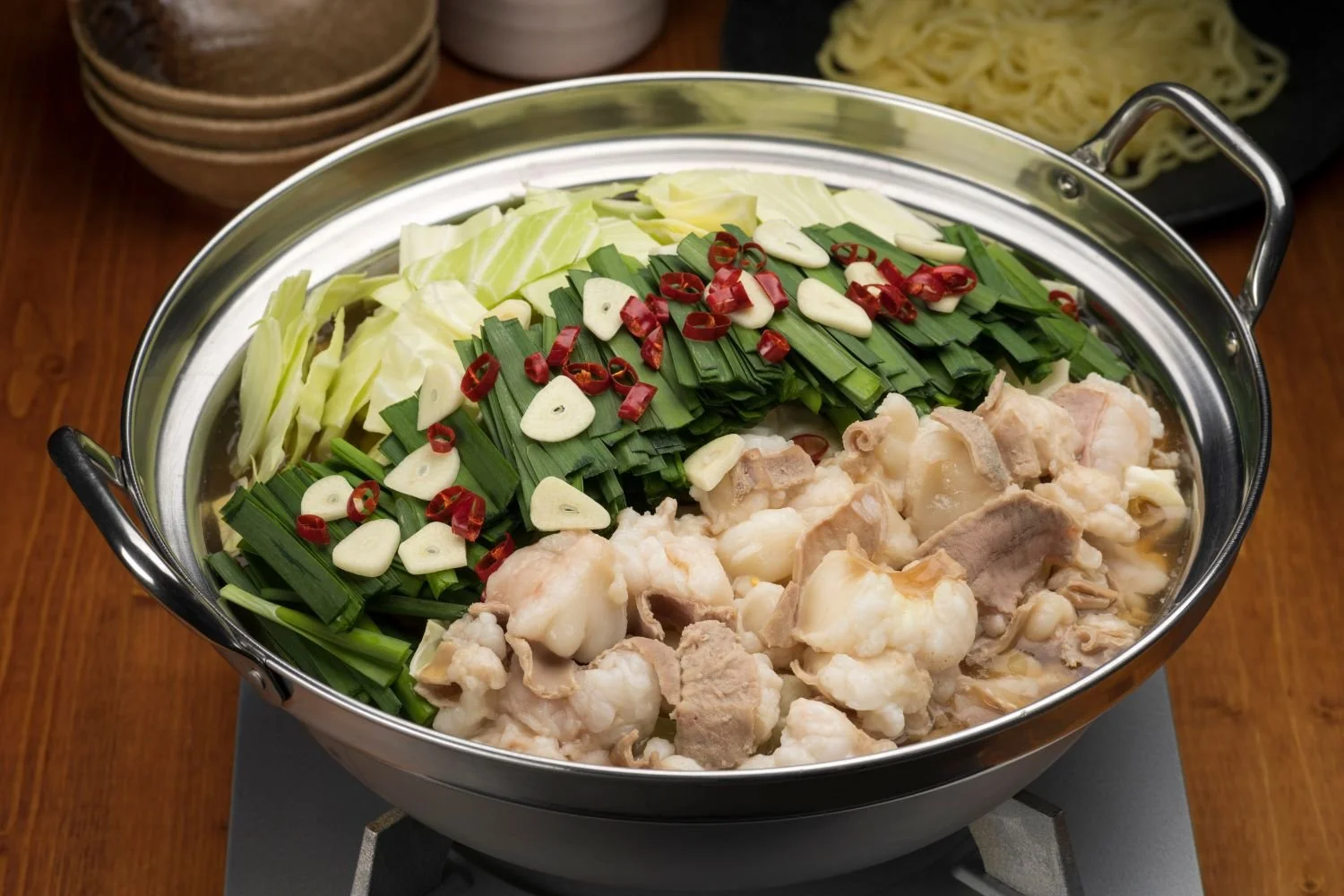
Hot pot is a natural feature of winter dining, but its many regional variations make it worth exploring beyond familiar restaurant menus. Hokkaido's ishikari-nabe features salmon in a miso-based broth, while kiritanpo-nabe from Akita combines freshly cooked, pounded rice molded onto cedar skewers, toasted, and simmered in a rich chicken broth.
In Fukuoka, motsunabe is a local favourite made with beef or pork offal, cabbage, garlic chives and a rich broth. Each variety reflects its region's ingredients and food traditions, making nabe a satisfying way to discover local cuisine during winter.
(18) Buri: Yellowtail in Winter
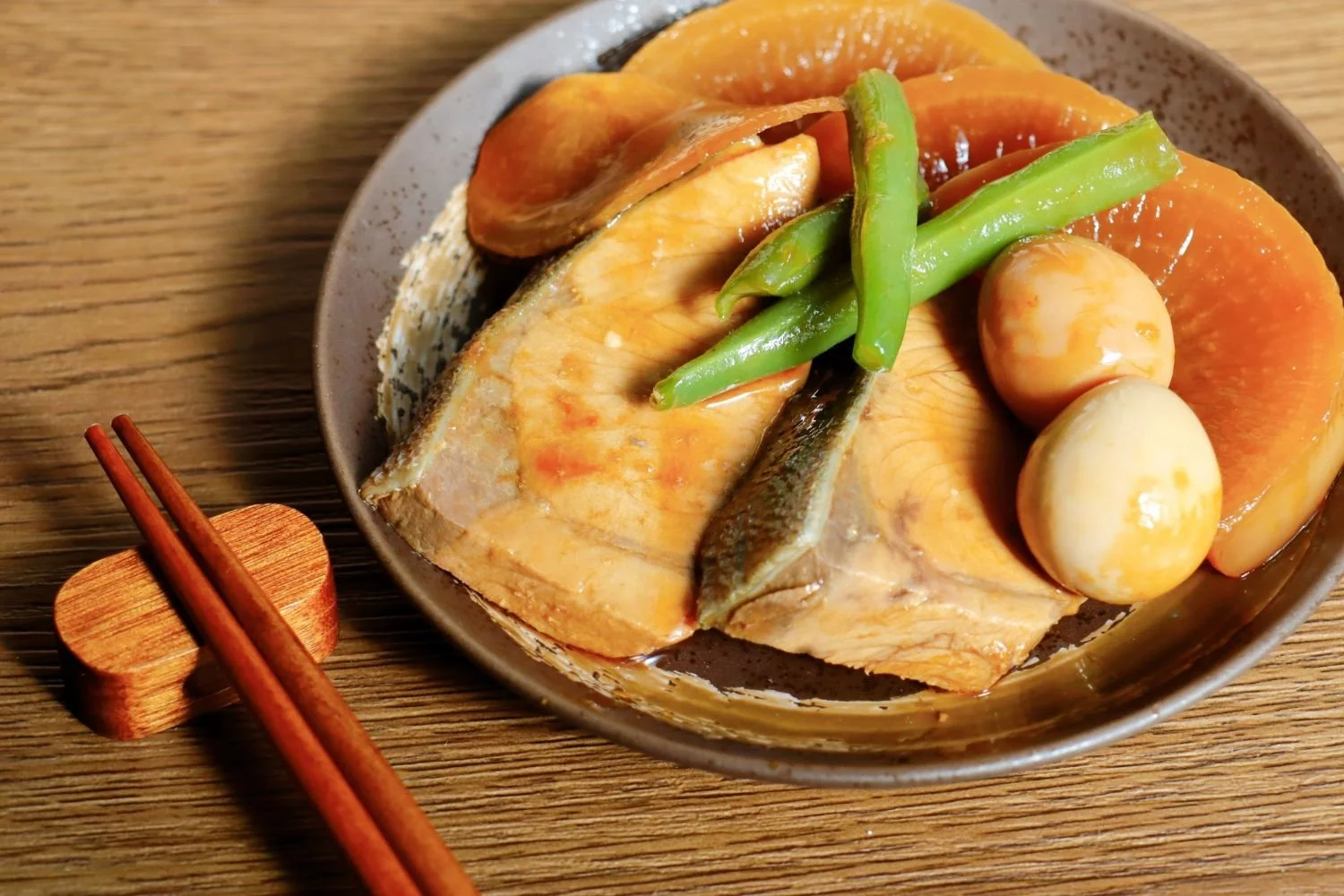
Buri Daikon
Buri, or mature Japanese yellowtail, is prized during winter, when the fish develops a richer flavour and higher fat content. The Hokuriku region, including Toyama and Ishikawa, is particularly associated with winter yellowtail, with Himi in Toyama known for its local catch.
Try buri as sashimi, in sushi or simmered in buri daikon, a comforting dish of yellowtail and daikon radish cooked in a savoury broth. For a regional food trip, Toyama offers an opportunity to explore buri alongside other local seafood. Catch quality and availability vary, so look for restaurants that identify the fish's origin and feature it as a seasonal recommendation.
(19) Oden: A Winter Comfort Food
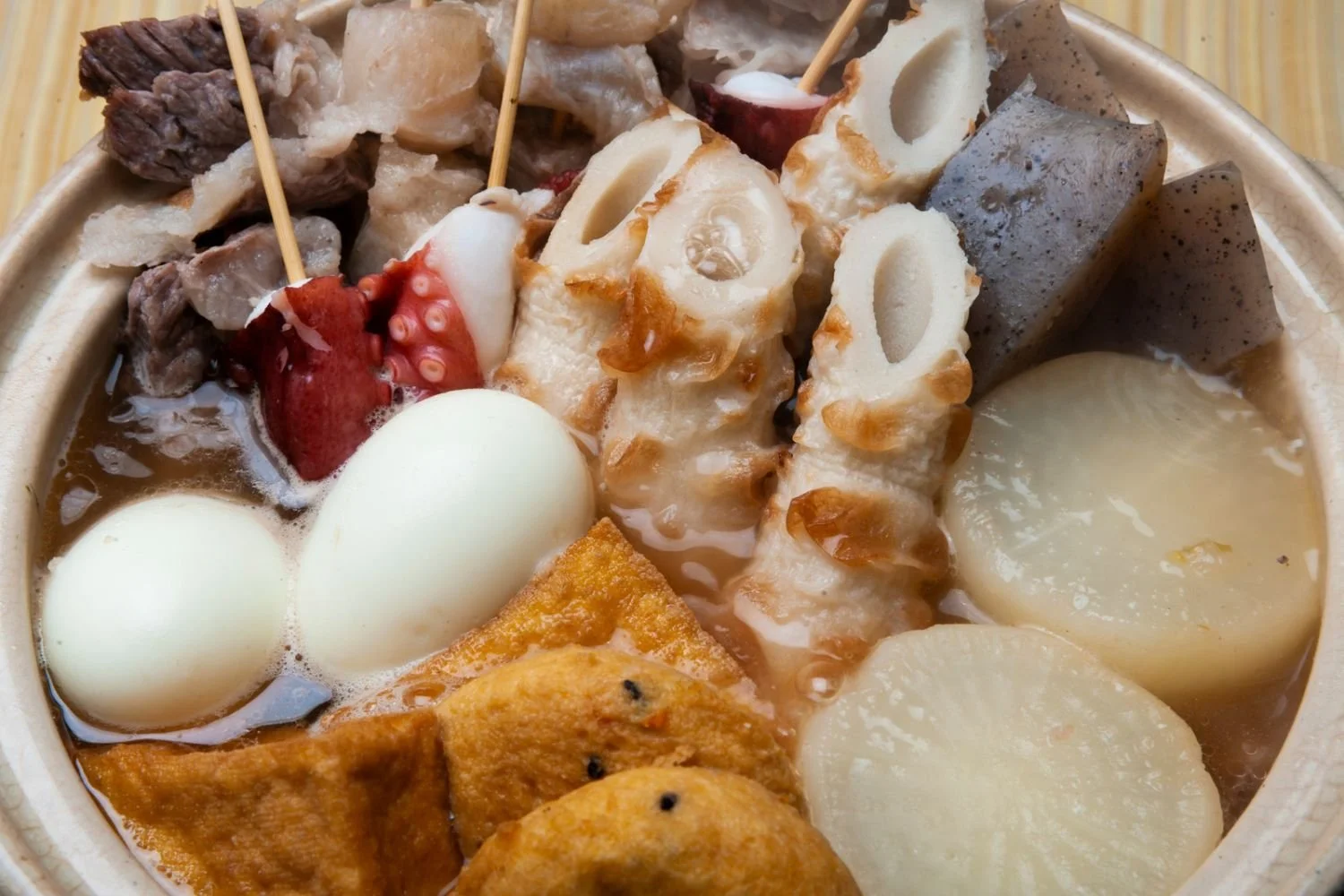
Yuzu
Oden is a cold-weather favourite featuring ingredients such as daikon, boiled eggs, konjac and fish cakes simmered in a savoury broth. Each ingredient gradually absorbs the stock, creating a dish that is simple but rich in flavour.
Regional variations differ in seasoning and ingredients. Shizuoka is known for its dark-broth oden, often served with powdered dried fish and seaweed, while other parts of Japan favour lighter stocks. Specialist oden shops are particularly worthwhile stops for travellers interested in everyday Japanese food culture, though the dish is also widely available at izakaya and convenience stores during winter.
(20) Yuzu: Fragrant Winter Citrus
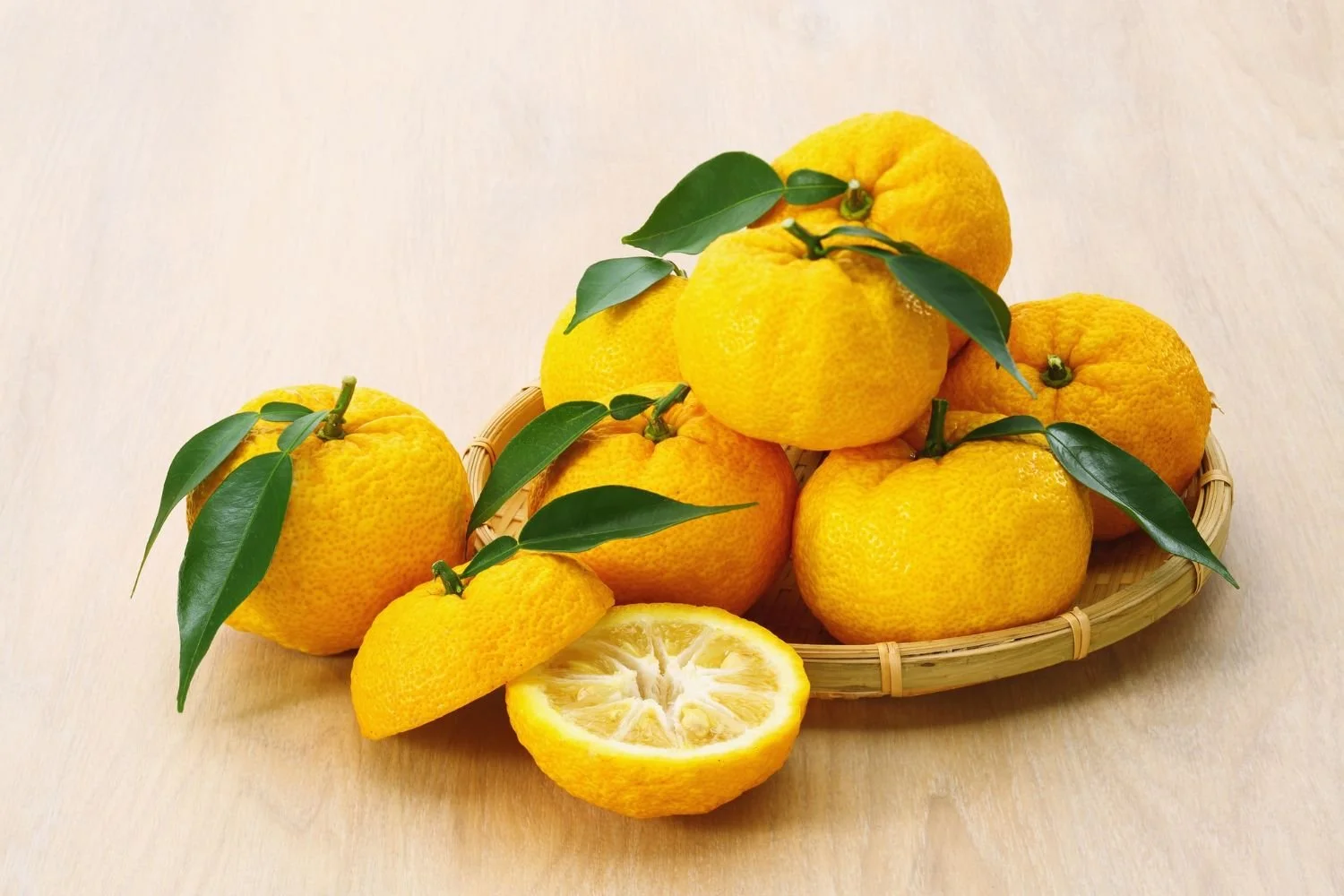
Yuzu
Yuzu comes into season in late autumn and winter, bringing a distinctive fragrance to Japanese cooking. Its zest and juice are used in dressings, sauces, hot pots and desserts, adding brightness without overwhelming other ingredients. Look for yuzu-flavoured sweets, seasonal drinks and dishes featuring the citrus alongside fish or vegetables.
Another way to experience its flavour is through yuzu kosho, a punchy condiment made with yuzu zest, chilli and salt that pairs particularly well with grilled meats and hot pots. Yuzu is also associated with yuzuyu, a winter solstice bathing custom in which whole or cut fruits are floated in hot water.
Discover Japan Through the Seasons
Some of Japan's most memorable food experiences are closely tied to the places and seasons that shape them. A meal enjoyed in a small regional restaurant, a seasonal speciality discovered at a local market, or a familiar favourite prepared with ingredients at their peak can all offer a fresh perspective on a destination.
On the next trip to Japan, let the season help shape the journey. Beyond the well-loved classics, there are always new regional flavours to discover, local food traditions to experience and reasons to return at a different time of year.
*All images are sourced from Canva.
Enjoyed reading our articles? Check out others below!



From spring's firefly squid to winter's regional crab, discover 20 seasonal foods and local specialities that make every trip to Japan a different culinary experience.