
Oirase Gorge: Explore Stunning Waterfalls, Moss Gardens and Scenic Trails in Aomori, Japan

Oirase Gorge, nestled in the heart of Aomori’s pristine wilderness, is a must-visit for nature lovers traveling through Tohoku, Japan. This breathtaking destination offers stunning landscapes across all four seasons, from cascading waterfalls and moss-covered rocks to vibrant autumn foliage and serene winter trails. With well-maintained hiking paths and diverse surrounding attractions such as Lake Towada, Oirase Gorge promises an unforgettable outdoor adventure.
Why Visit Oirase Gorge?
How to Get to Oirase Gorge
Must-See Spots Along Oirase Gorge
Oirase Open-Air Museum of Natural History
Essential Travel Tips
Why Visit Oirase Gorge?
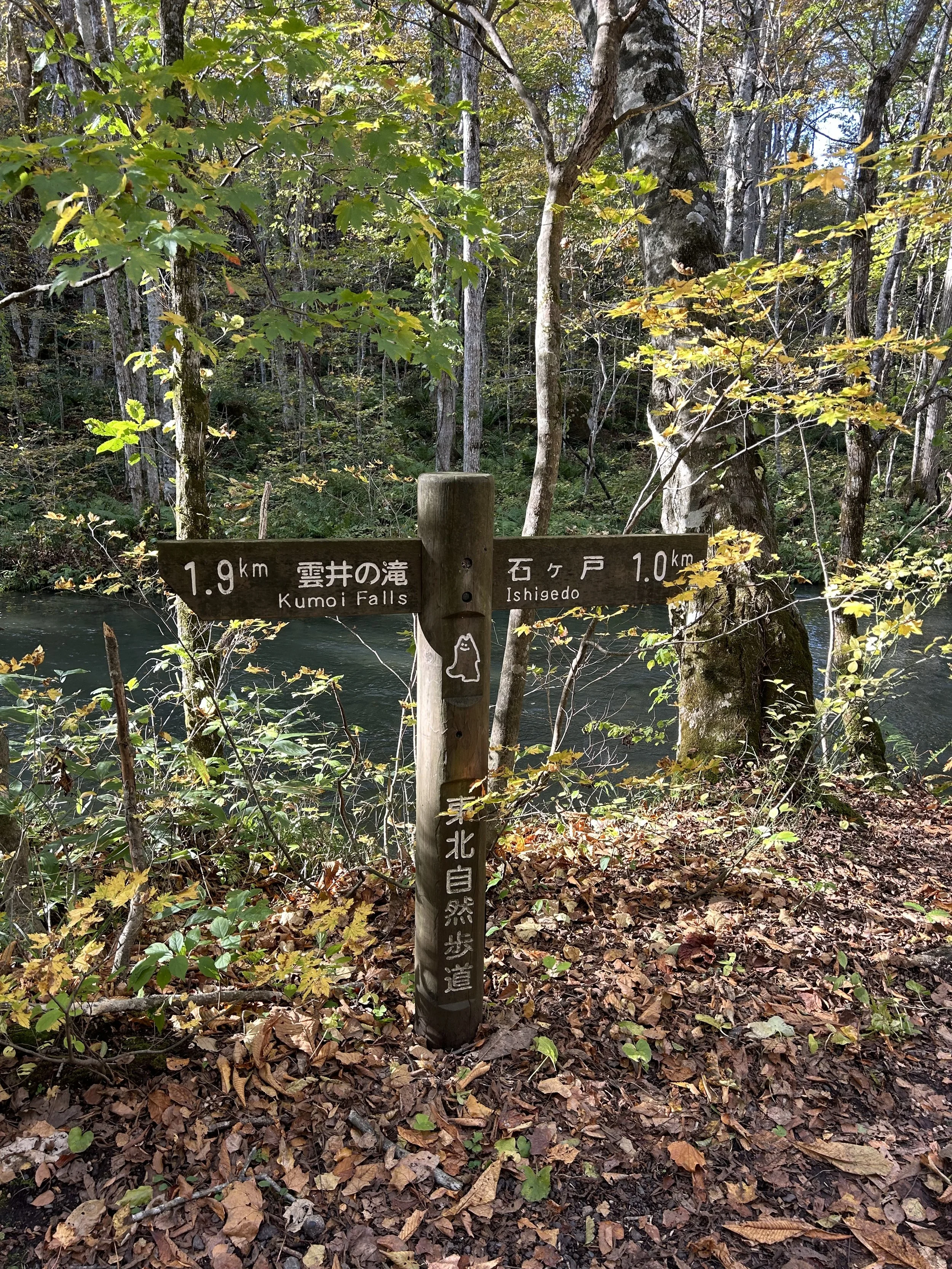
(1) Ever-Changing Natural Beauty and Rich Ecosystem
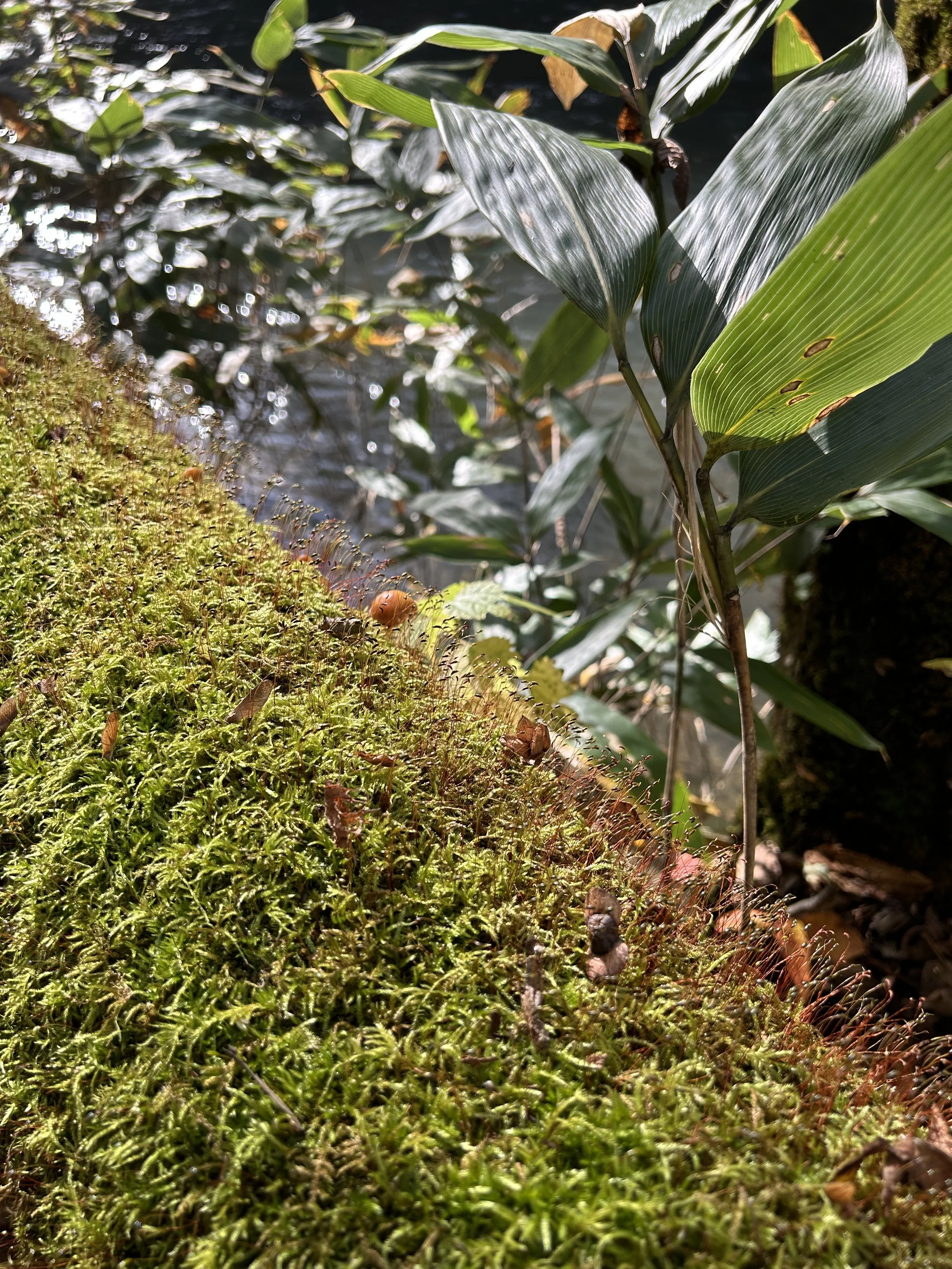
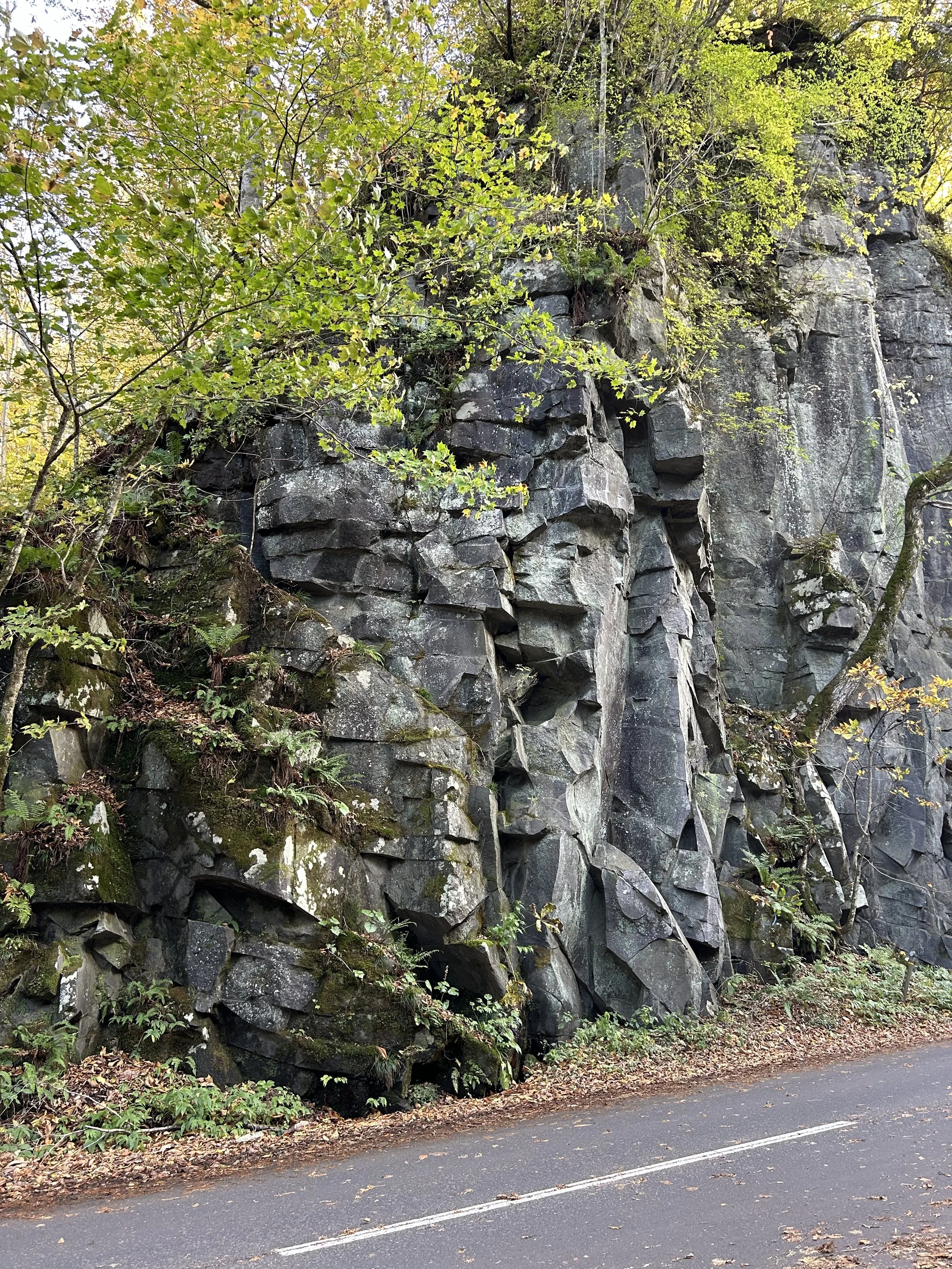
Stretching approximately 14 kilometres from Nenokuchi near Lake Towada to Yakeyama, Oirase Gorge is a dynamic blend of forest and stream ecosystems. Majestic waterfalls, lush greenery, and diverse wildlife make it an ecological treasure. Each season presents a unique spectacle—fresh spring blooms, cool summer retreats, fiery autumn leaves, and snow-draped winter trails. A walk along the Gorge reveals a thriving world of mosses, stream fish, and wildlife, offering an immersive nature experience.
(2) Accessible Trails and Thoughtful Facilities
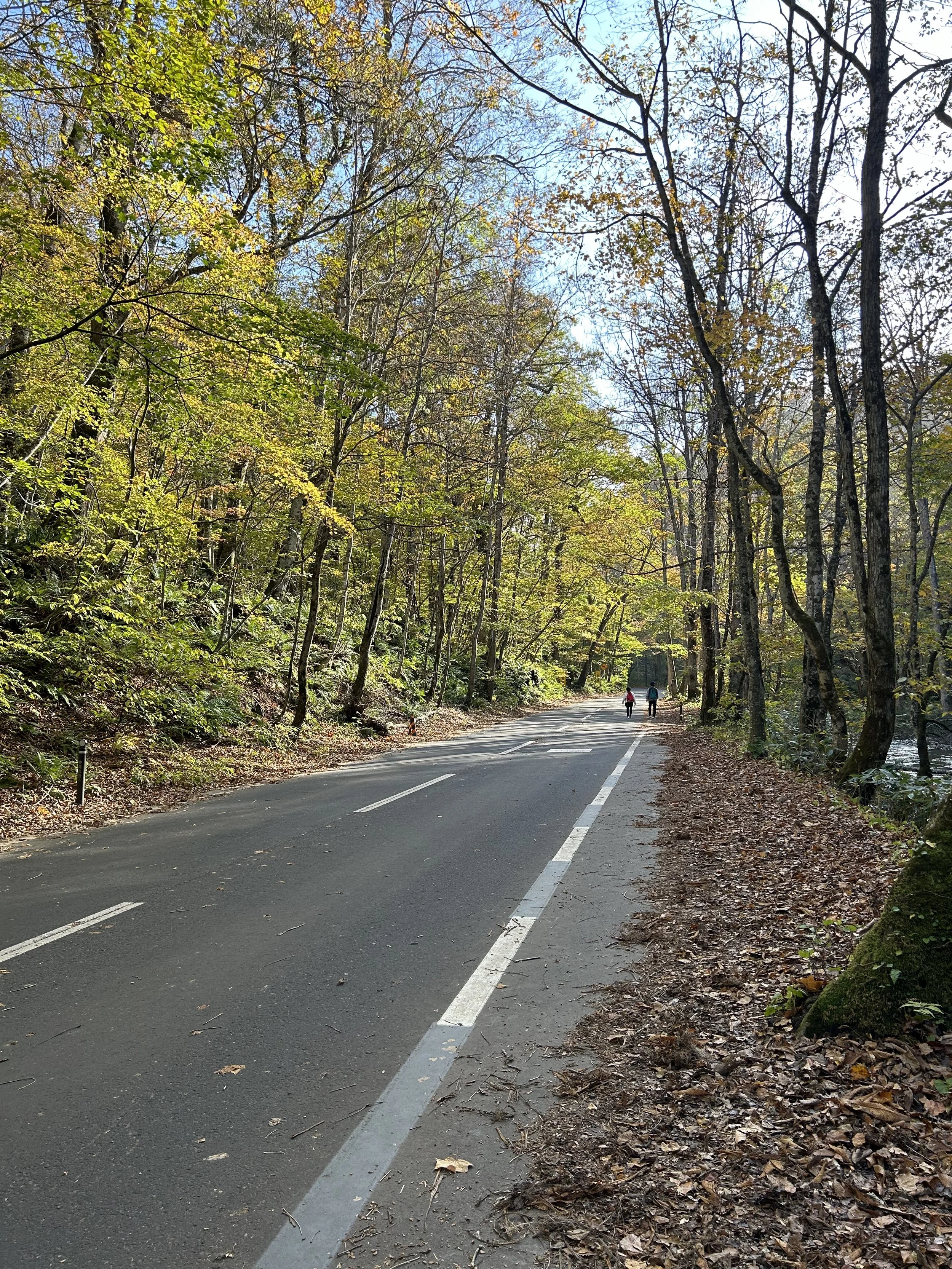
Oirase Gorge offers a unique experience that sets it apart from many mountain trails in Japan, allowing visitors to stroll alongside a flowing stream—making for a refreshing and peaceful adventure. The well-maintained paths are perfect for hikers of all levels, and if you prefer, you can rent a bike to explore the area. To keep the Gorge peaceful and serene, there are traffic control measures in place during peak seasons. Plus, with plans for autonomous shuttle buses in the future, getting around will be even easier for everyone!
(3) Nearby Attractions for a Flexible Itinerary
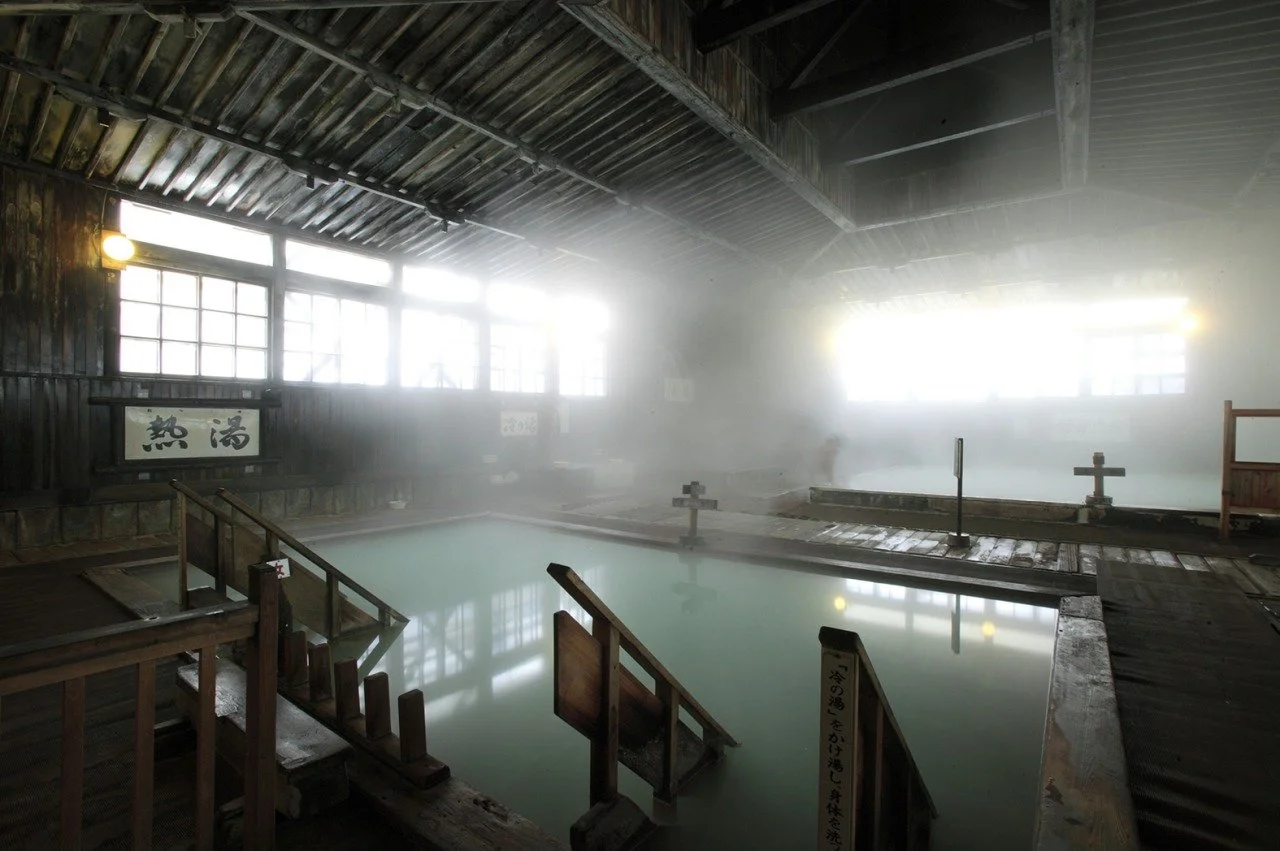
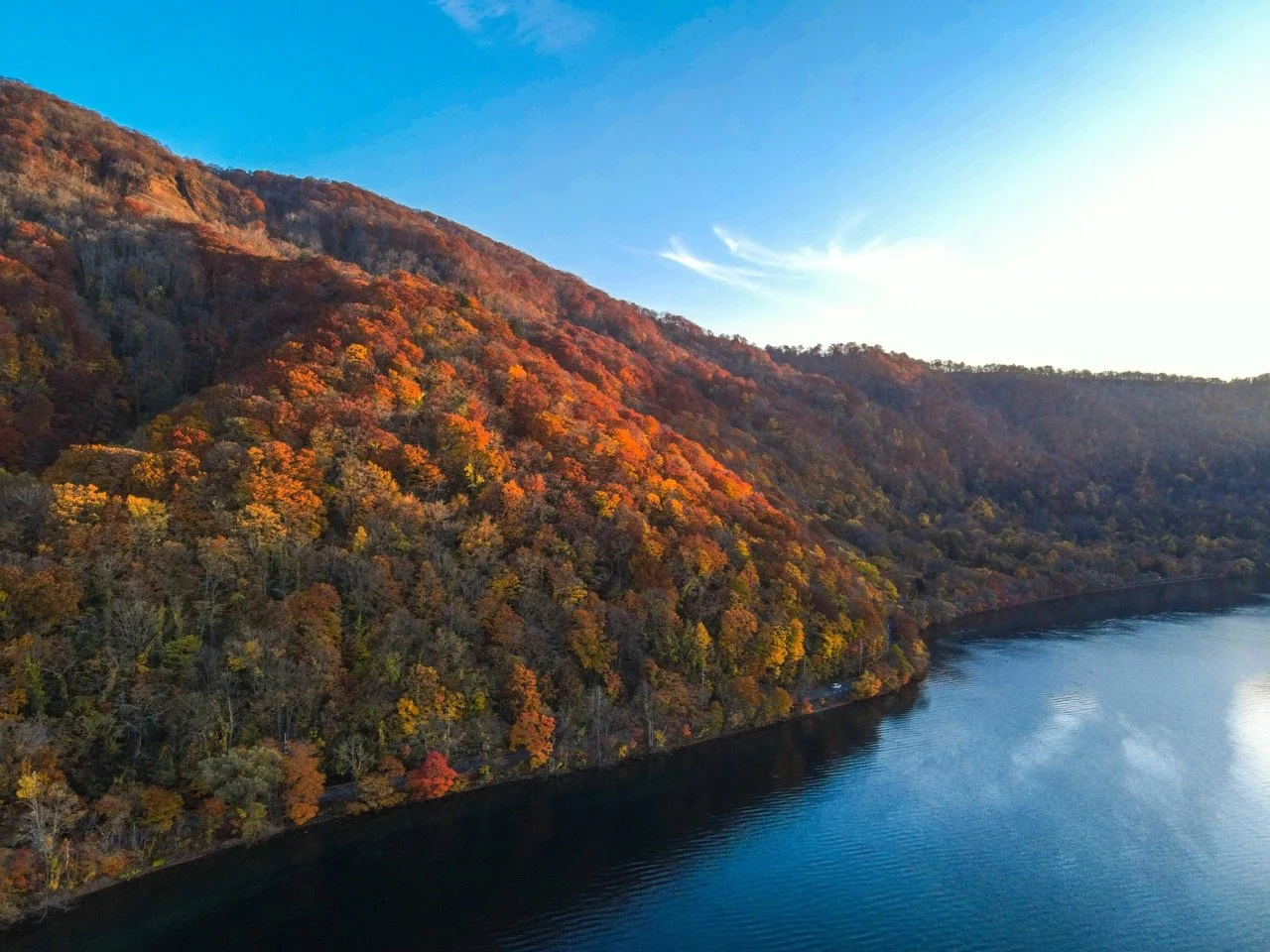
Oirase Gorge pairs perfectly with nearby destinations, allowing for a half-day trip or an extended stay. Relax at Sukayu Onsen, known for its therapeutic hot springs, or explore the expansive Lake Towada, offering scenic boat rides and seasonal activities like snowshoeing in winter. With accommodations ranging from cozy business hotels to luxurious onsen resorts, travelers can customize their trip to suit their preferences.
How to Get to Oirase Gorge
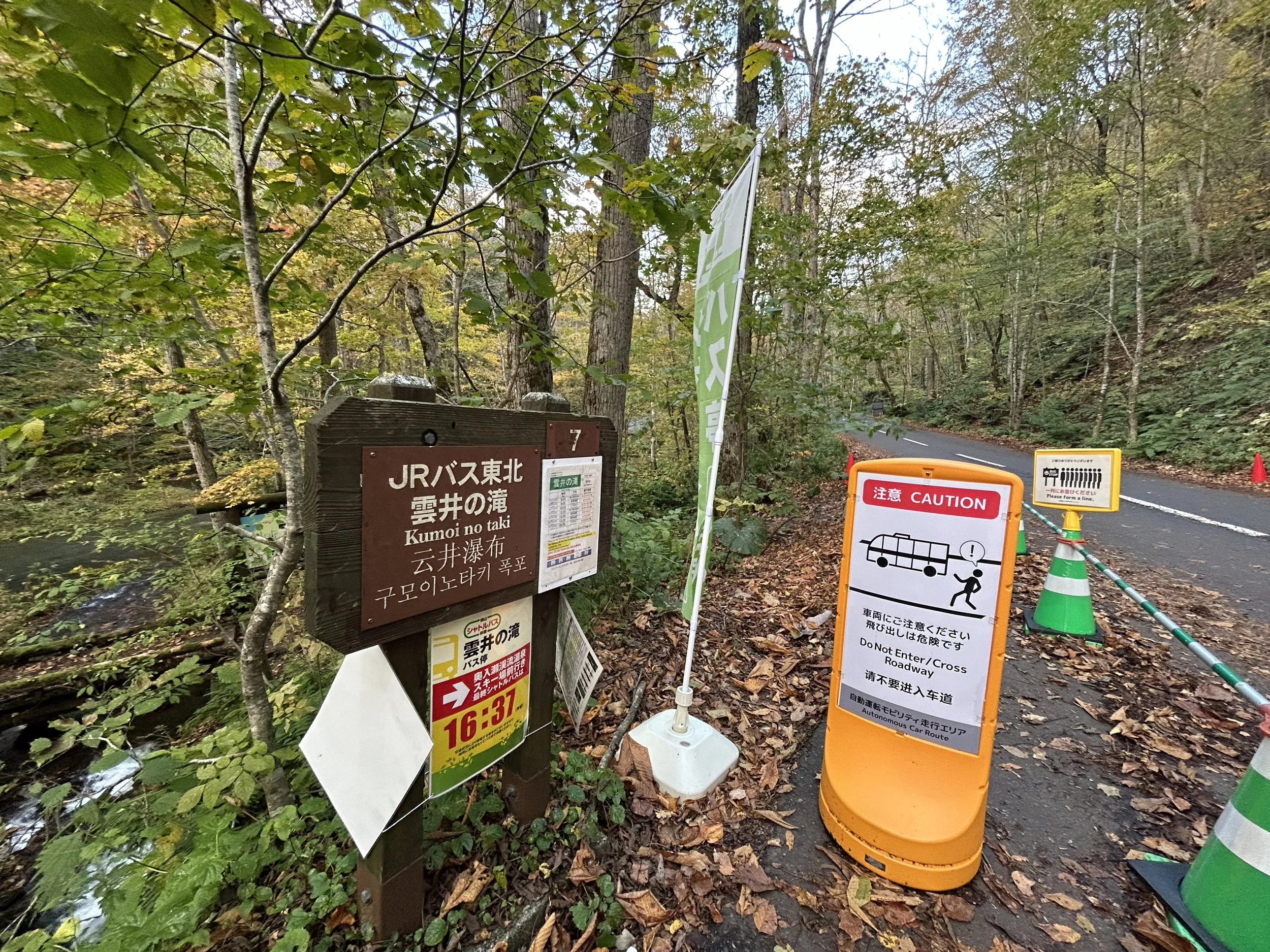
From Aomori Airport or Shinkansen stops such as Shin-Aomori, Hachinohe, or Shichinohe-Towada Station, transfer to local bus services. The total travel time depends on your starting location, with most routes taking around 2 to 3 hours. Alternatively, renting a car is a convenient option, especially if you plan to visit nearby attractions like Lake Towada and Sukayu Onsen.
From Aomori Airport (~3 hours bus ride or 90-min drive)
Take a route bus from Aomori Airport to Aomori Station (~40 minutes).
Transfer to a JR Bus (bound for Towada-ko) and ride to Oirase Gorge(~2 hours).
From Shin-Aomori Station (~2.5 hours or 90-min drive)
Take a JR Bus (bound for Towada-ko) from Shin-Aomori Station to Oirase Gorge (~2.5 hours).
From Hachinohe Station (~2 hours or 70-min drive)
Take a JR Bus (bound for Towada-ko) from Hachinohe Station to Oirase Gorge (~2 hours).
From Shichinohe-Towada Station (~2.5 hours)
Take a local bus from Shichinohe-Towada Station to Towada City (~40 minutes).
Transfer to a bus bound for Yakeyama and continue to Oirase Gorge (~1 hour 30 minutes).
Must-See Spots along Oirase Gorge
The full 14-kilometre hike takes a full day, but for a shorter visit, the middle section (around 3 kilometres) offers stunning highlights without a lengthy trek.
(1) Moss Wonderland
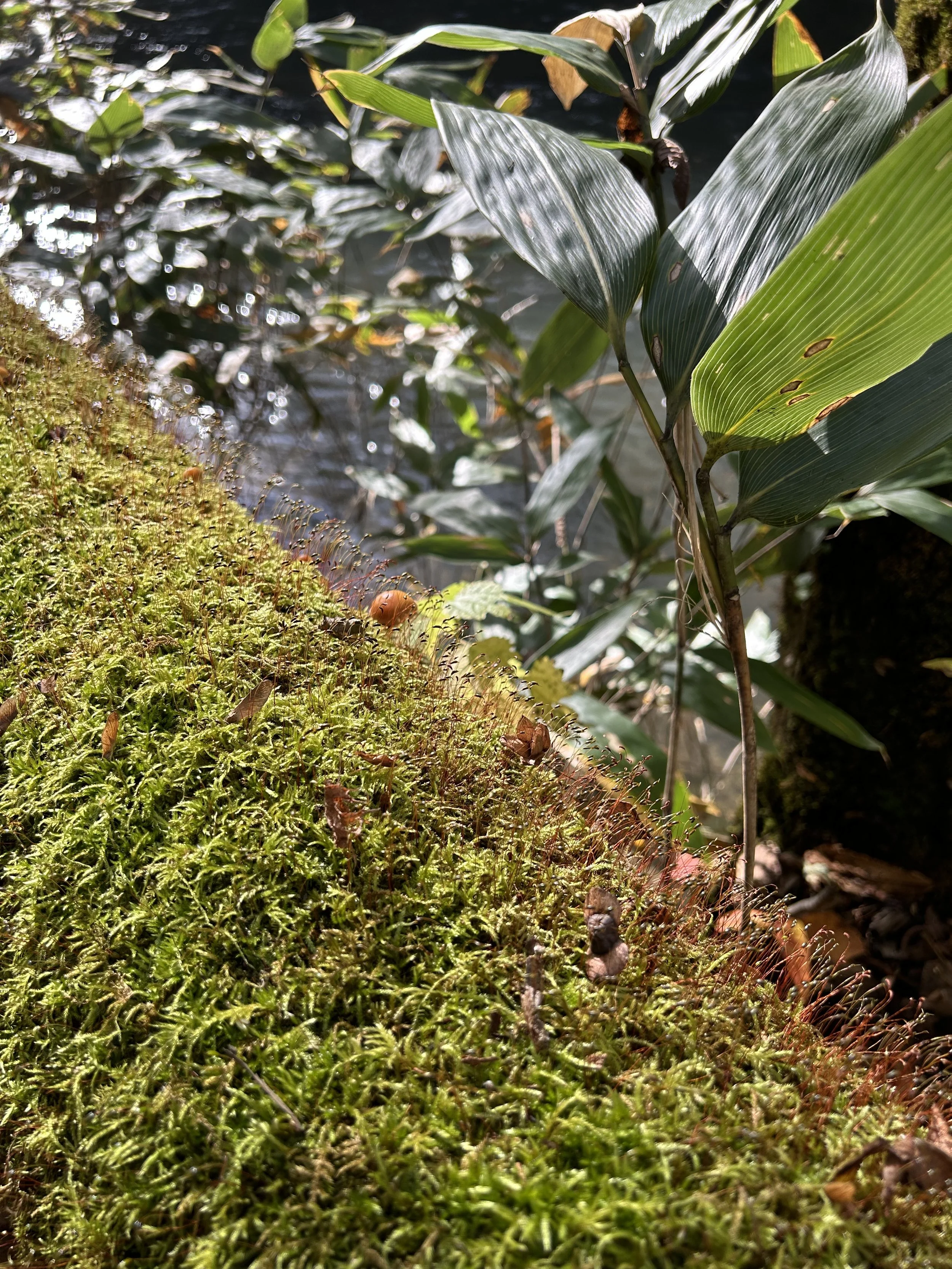
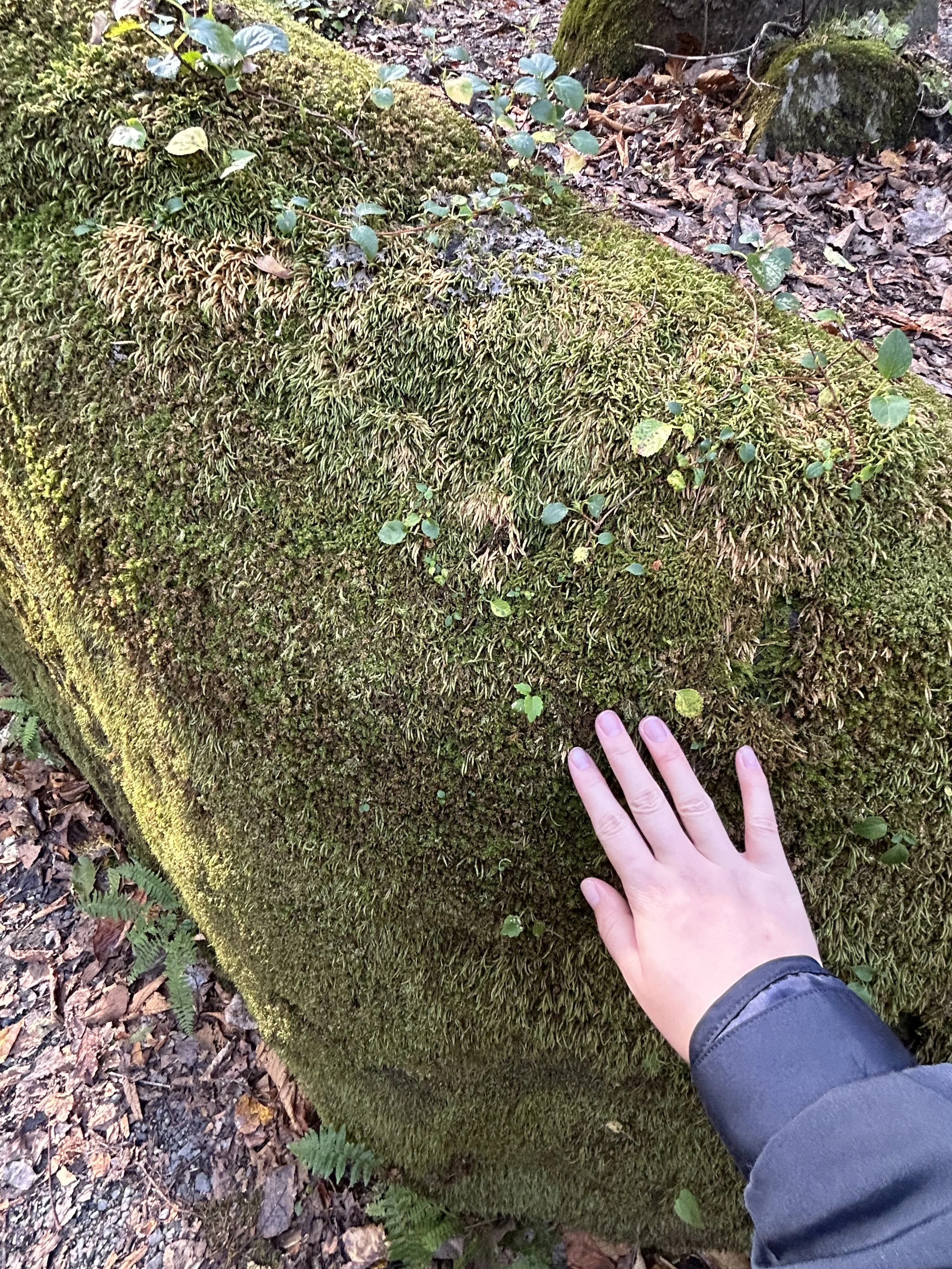
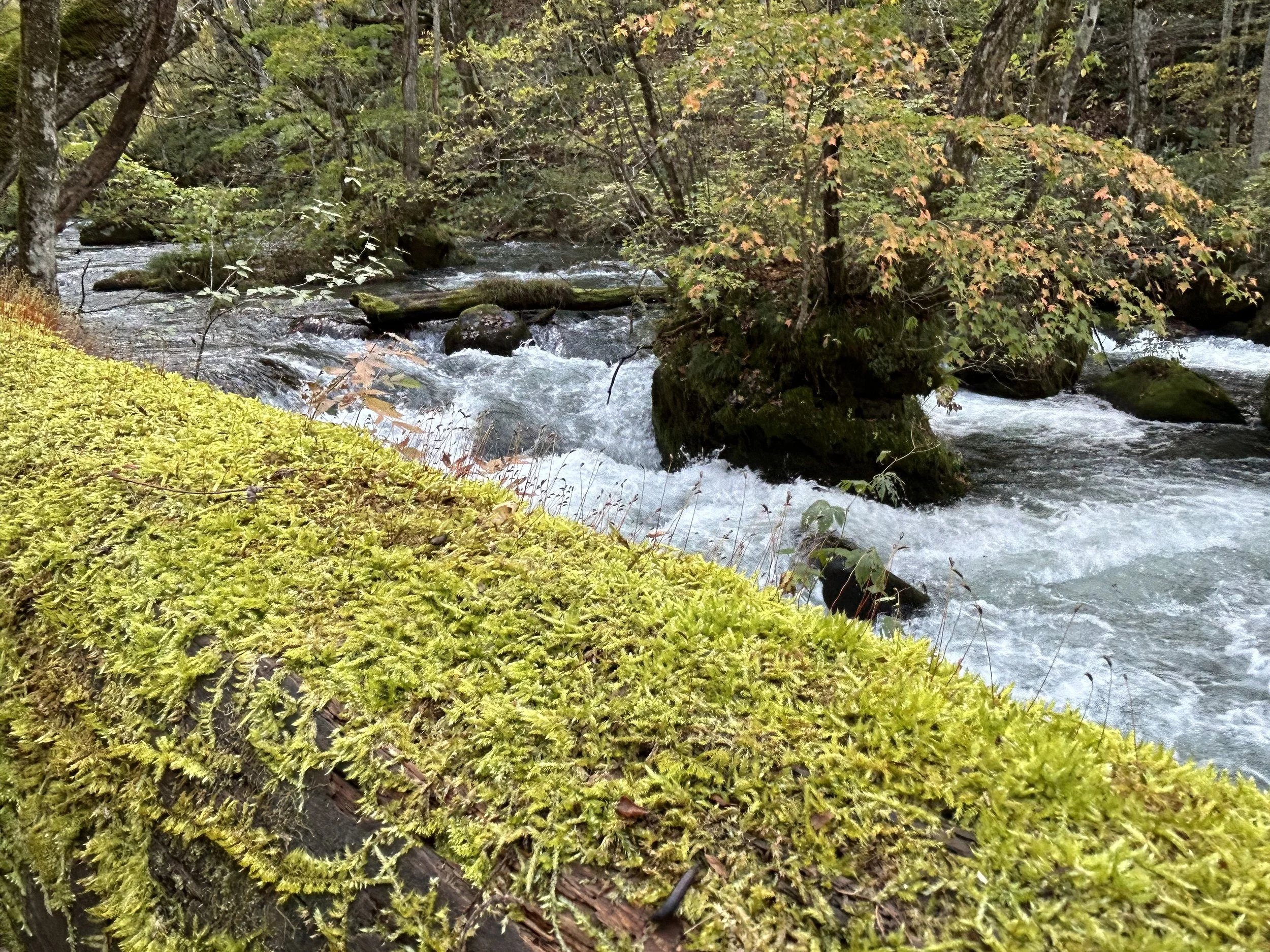
Home to over 300 moss varieties, these tiny plants thrive in the gorge’s humid environment, creating a lush, emerald-green carpet. Moss, a cryptogamic plant, thrives directly on rocks without the need for roots. As it decays, it enriches the soil with organic matter, fostering the growth of other plants. Beyond its role in soil formation, moss helps regulate air humidity, retain soil moisture, absorb rainwater, and prevent erosion. It also provides shelter for small animals, contributing to the area’s rich biodiversity. The constant flow of water from the Gorge’s waterfalls creates the perfect conditions for moss to flourish, making it a captivating natural feature for visitors to admire. Bring a magnifying glass for an up-close look!
(2) Kumoinotaki Falls
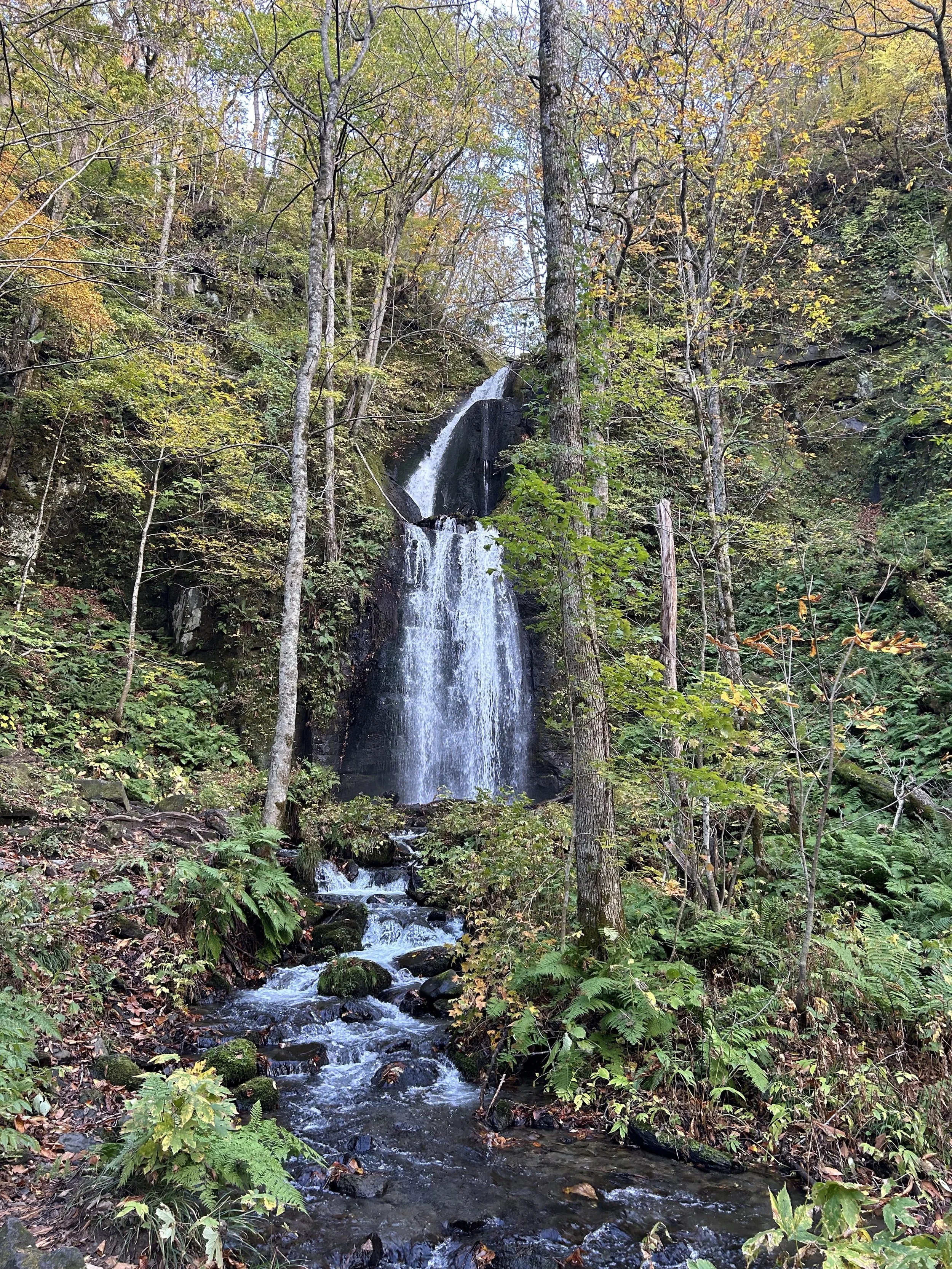
Kumoinotaki Falls is a breathtaking three-tiered waterfall, standing approximately 20 metres tall. Its powerful cascade tumbling down the steep cliff creates a mesmerising sight, whether admired from a distance or up close. Conveniently located near a bus stop, it offers easy access for hikers and nature enthusiasts, making it a must-visit highlight along Oirase Gorge.
(3) Sensujinotaki Falls
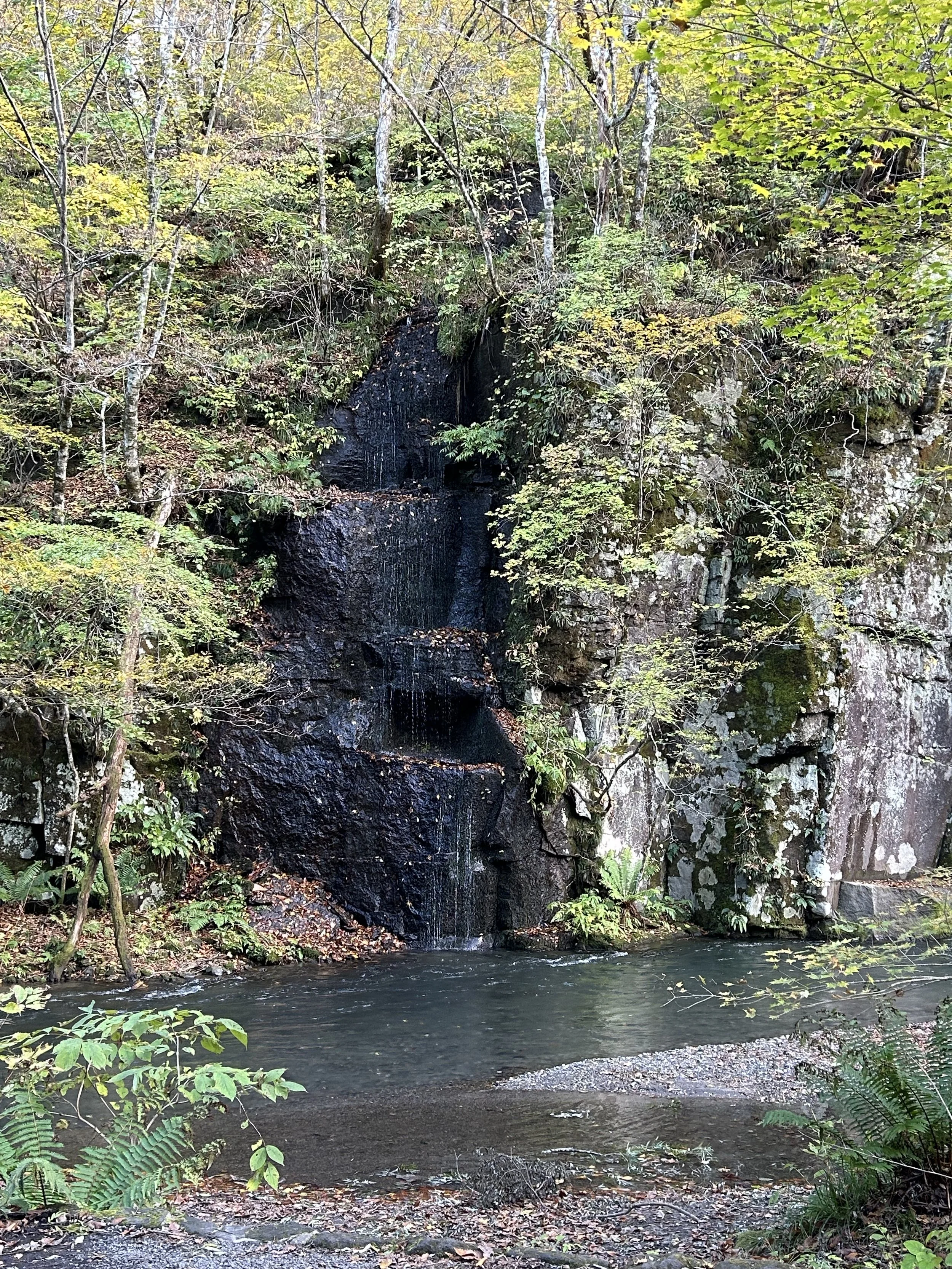
While the middle section of Oirase Gorge is known for its grand waterfalls, smaller cascades like Sensujinotaki Falls offer a more tranquil charm. Its name, meaning "thousand threads" in Japanese, reflects the waterfall’s delicate, flowing streams. Though modest in size, its serene ambience makes it a perfect spot for photography and quiet reflection.
(4) Ashuranonagare Current
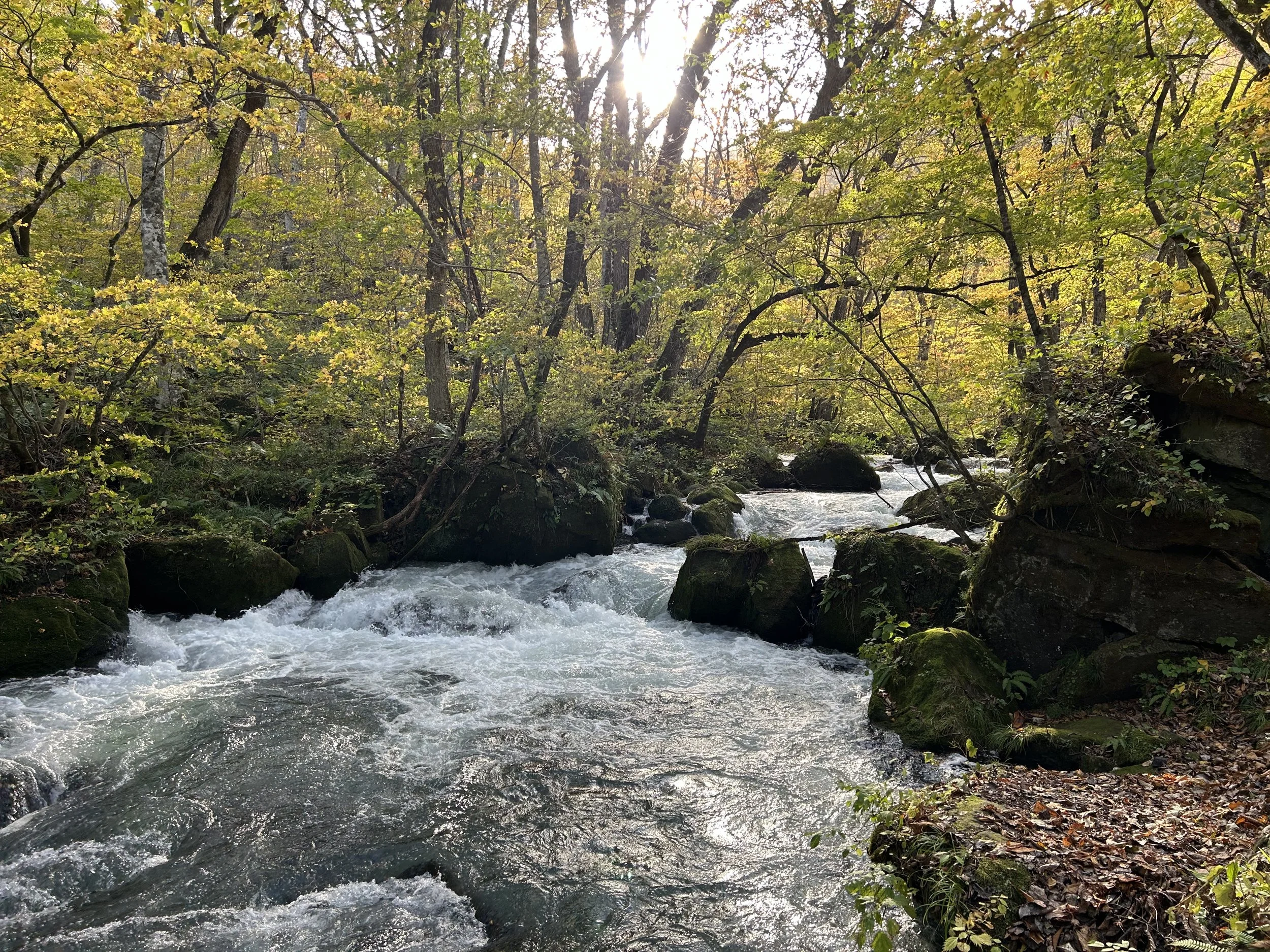
Beyond its waterfalls, Oirase Gorge is also renowned for its dynamic rapids. Ashuranonagare Current, named after the fierce warrior deity Ashura, features turbulent, fast-flowing waters that evoke the intensity of a battle. In autumn, the contrast between the rushing currents and the golden hues of maple leaves creates a breathtaking scene, making it a prime spot for photography.
Oirase Open-Air Museum of Natural History
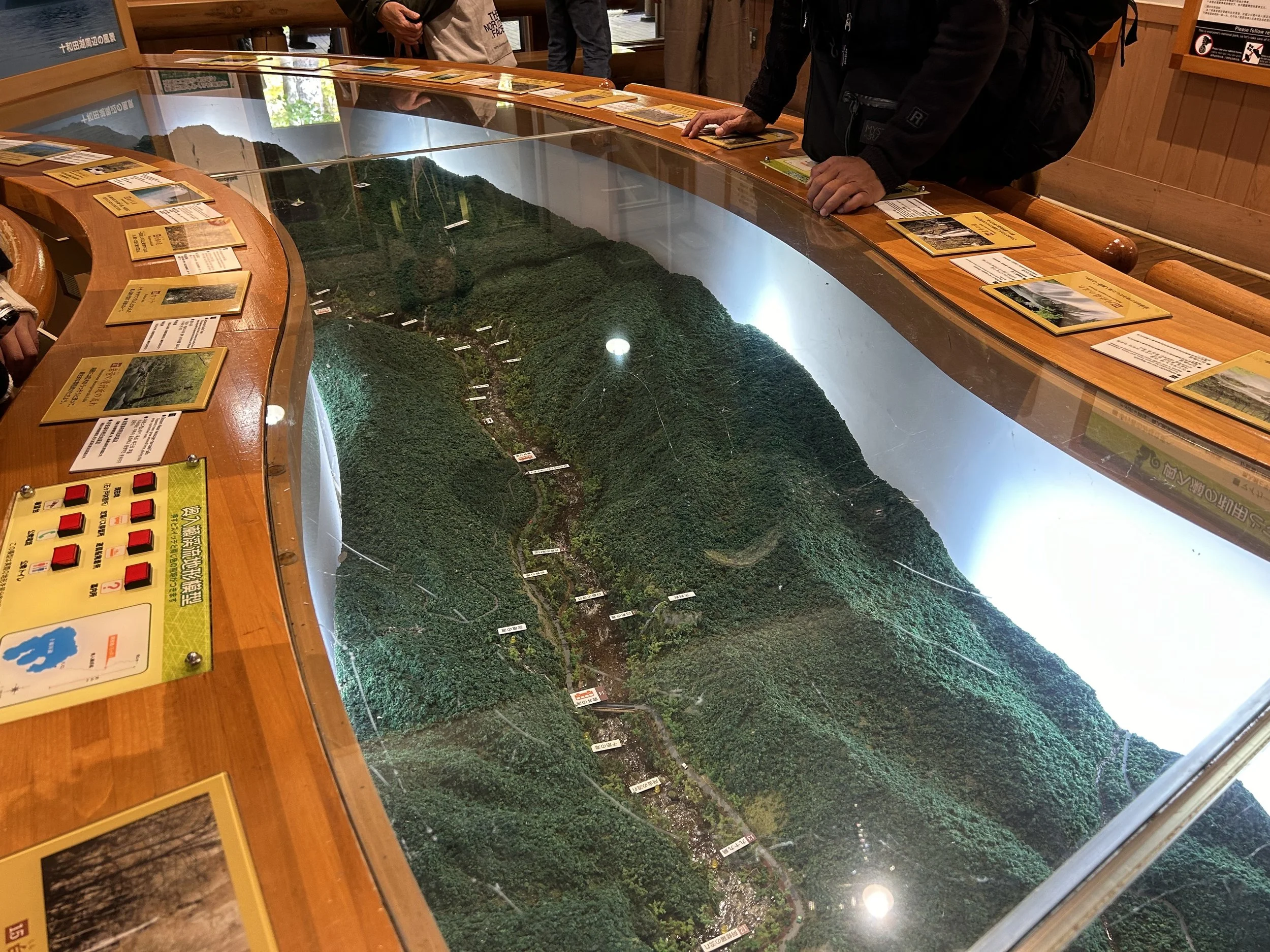
Gain deeper insights into the natural environment of the area by visiting the Oirase Open-Air Museum of Natural History. Explore various programs and resources related to the gorge's wildlife and ecosystems.
Essential Travel Tips
(1) Dress Appropriately
Nestled in the mountains, Oirase Gorge experiences significant temperature fluctuations throughout the year. Layered clothing is recommended, even during summer, to adapt to changing conditions. From October onward, thicker clothing and coats become essential as temperatures drop. By late November, winter sets in, often bringing snow, so wearing slip-resistant footwear and winter accessories like hats and gloves is crucial. For specific seasonal clothing recommendations, refer to the Oirase Open-Air Museum of Natural History official website.
(2) Check Transport Schedules
JR Bus schedules change seasonally, so confirm timings before your trip.
(3) Buy a JR Bus Pass
If you are exploring multiple areas, consider getting a JR Tohoku Bus Pass for unlimited rides.
(4) Respect Nature
To help preserve Oirase Gorge’s natural environment, visitors are encouraged to follow a few simple guidelines.
Refrain from picking plants, collecting rocks, or disturbing wildlife, as these can impact the local ecosystem. Stick to designated trails and avoid crossing barriers or entering the stream to protect the surrounding habitat. Additionally, as some trails run alongside roads, be aware of traffic and stay alert for a safe and enjoyable visit.
Enjoyed reading our articles? Check out others below!



Discover the best things to do in Fukushima, from exploring the historic Tsuruga Castle and strolling through the preserved streets of Ouchi-juku to painting a lucky Akabeko and sampling Aizu's famous horse meat.