
Top 20 Japanese Experiences Every Traveller Should Try at Least Once
Japan is a destination that rewards curiosity. Beyond its famous cities and postcard landmarks lies a rich tapestry of regional cultures, seasonal traditions, and everyday experiences that shape how the country is lived and felt. From snow-covered onsen towns in winter to vibrant summer festivals in northern Japan, every journey offers a different side of the same destination.
This curated list brings together 20 essential Japanese experiences that showcase the country’s diversity — covering seasonal travel, regional food culture, historic towns, scenic landscapes, and iconic festivals. Whether you are planning your very first trip or returning to explore lesser-known regions, the key to a memorable Japan itinerary lies in experiences, not just places.
(1) Experience Winter in a Traditional Onsen Town — Suwa, Nagano
(2) Travel Deep Into Northern Japan on a Tohoku Gourmet Journey
(3) Visit Matsusaka City, Home of Legendary Wagyu
(4) Witness the Spectacle of the Aomori Nebuta Festival
(5) Discover Rural Charm in Iida City, Nagano
(6) Experience the Scenic & Culinary Riches of Niikawa, Toyama
(7) Explore Japan’s Most Beautiful Castles
(8) Travel Japan by Season
(9) Soak in an Authentic Japanese Onsen
(10) Walk Through Historic Townscapes
(11) Ride the Shinkansen Across Regions
(12) Taste Japan’s Regional Food Cultures
(13) Visit a Local Festival (Matsuri)
(14) Explore Japan’s Countryside
(15) Stay in a Traditional Ryokan
(16) Enjoy Japan’s Natural Landscapes
(17) Discover Craft, Culture, and Heritage
(18) Follow a Themed Travel Route
(19) Travel Beyond the Highlights — Stay Longer, Experience Deeper
(20) Create a Journey That Reflects Your Travel Style
(1) Experience Winter in a Traditional Onsen Town — Suwa, Nagano
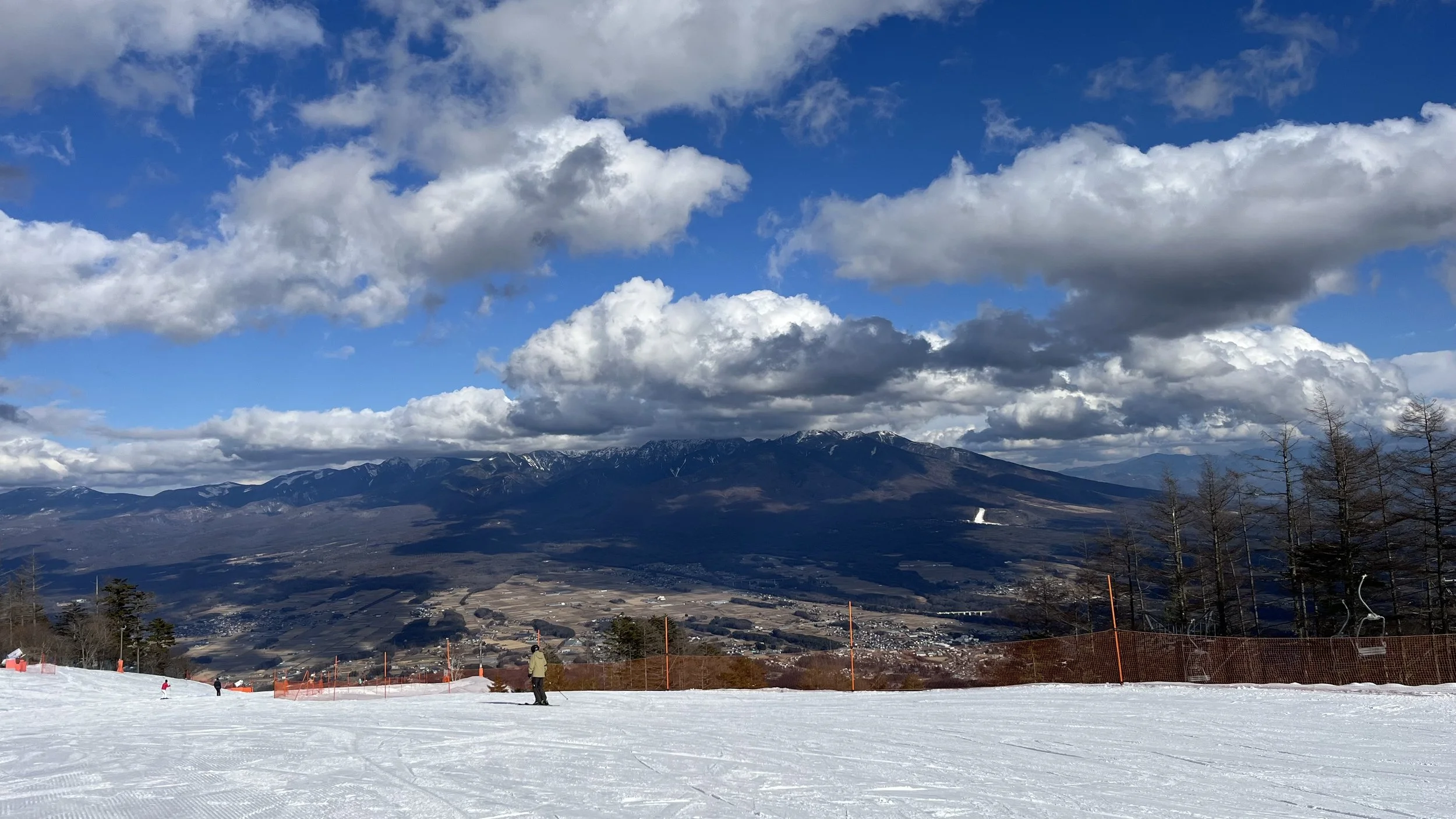
Nestled in the heart of Nagano Prefecture, Suwa sits in a mountain-ringed basin at the foot of the Japanese Alps, roughly halfway between Tokyo and Nagoya. Centered around the tranquil Lake Suwa, the area enjoys crisp alpine air and sweeping seasonal views, making it a natural retreat from Japan’s major cities.
In winter, Suwa transforms into a quiet, atmospheric escape where steaming onsens rise dramatically against snow-dusted mountains and frozen lakeshores. Its inland, high-elevation location brings cold winters and frequent snowfall, enhancing the town’s serene beauty. Suwa is also home to the ancient Suwa Taisha Shrine, one of Japan’s oldest Shinto shrine complexes, anchoring the region in deep cultural and spiritual heritage. Together with its lakeside scenery and long-established hot spring culture, Suwa invites travellers to slow down, unwind, and reconnect with nature.
Read: 10 Ways To Enjoy Suwa In Winter, Nagano, Japan
Beyond winter, Suwa’s geography continues to shape its appeal throughout the year. The surrounding mountains open up to scenic hiking trails, panoramic viewpoints, and cycling routes, while Lake Suwa becomes a focal point for summer festivals, fireworks, and lakeside walks.
Read: 20 Best Things To Do And See In Suwa Region, Nagano Prefecture
(2) Travel Deep Into Northern Japan on a Tohoku Gourmet Journey
Source: Japan Navi Journey
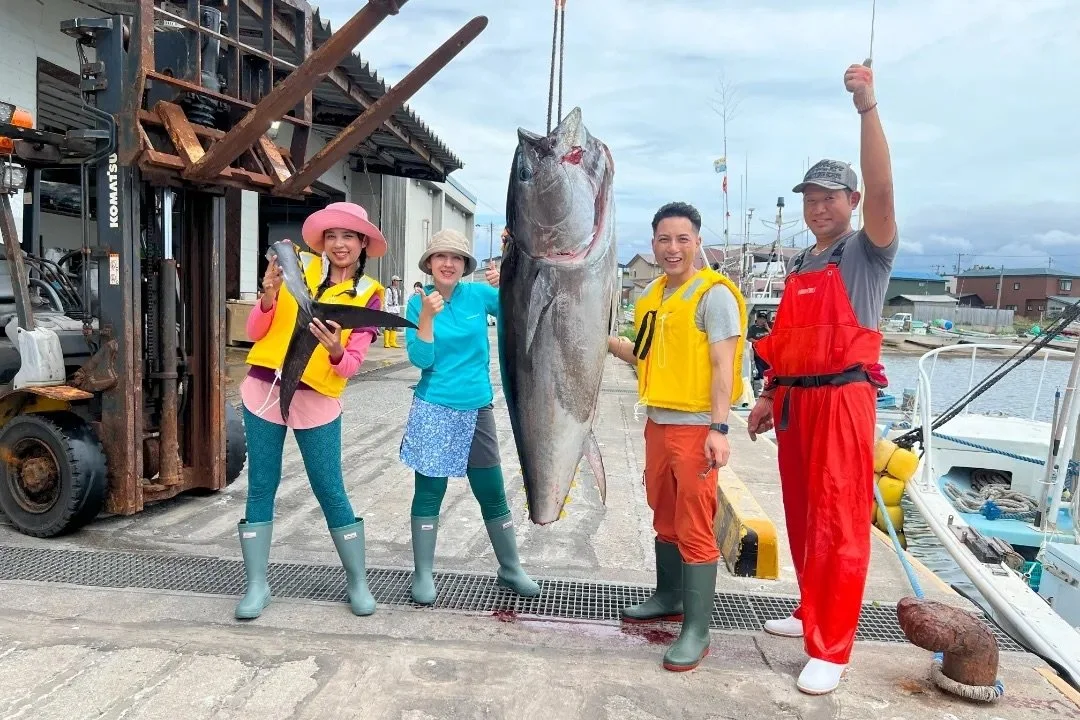
Located in northeastern Honshu, Tohoku spans six prefectures stretching from the Sea of Japan to the Pacific Ocean, framed by rugged coastlines, volcanic mountain ranges, and vast rural plains. Its relative distance from Japan’s major urban centres has helped preserve a landscape that feels quieter and less commercialised, with fishing ports, mountain towns, and farming villages deeply shaped by climate and tradition.
This diverse geography defines Tohoku’s strong regional food identity — fresh seafood from cold northern waters, rice and produce grown in fertile basins, and sake crafted from pristine mountain water. A curated gourmet journey through Tohoku introduces travellers to these local flavours alongside historic towns and cultural sites rarely featured on standard itineraries.
Read: Explore Tohoku on a 5-Day Culinary and Cultural Tour of Northern Japan
(3) Visit Matsusaka City, Home of Legendary Wagyu
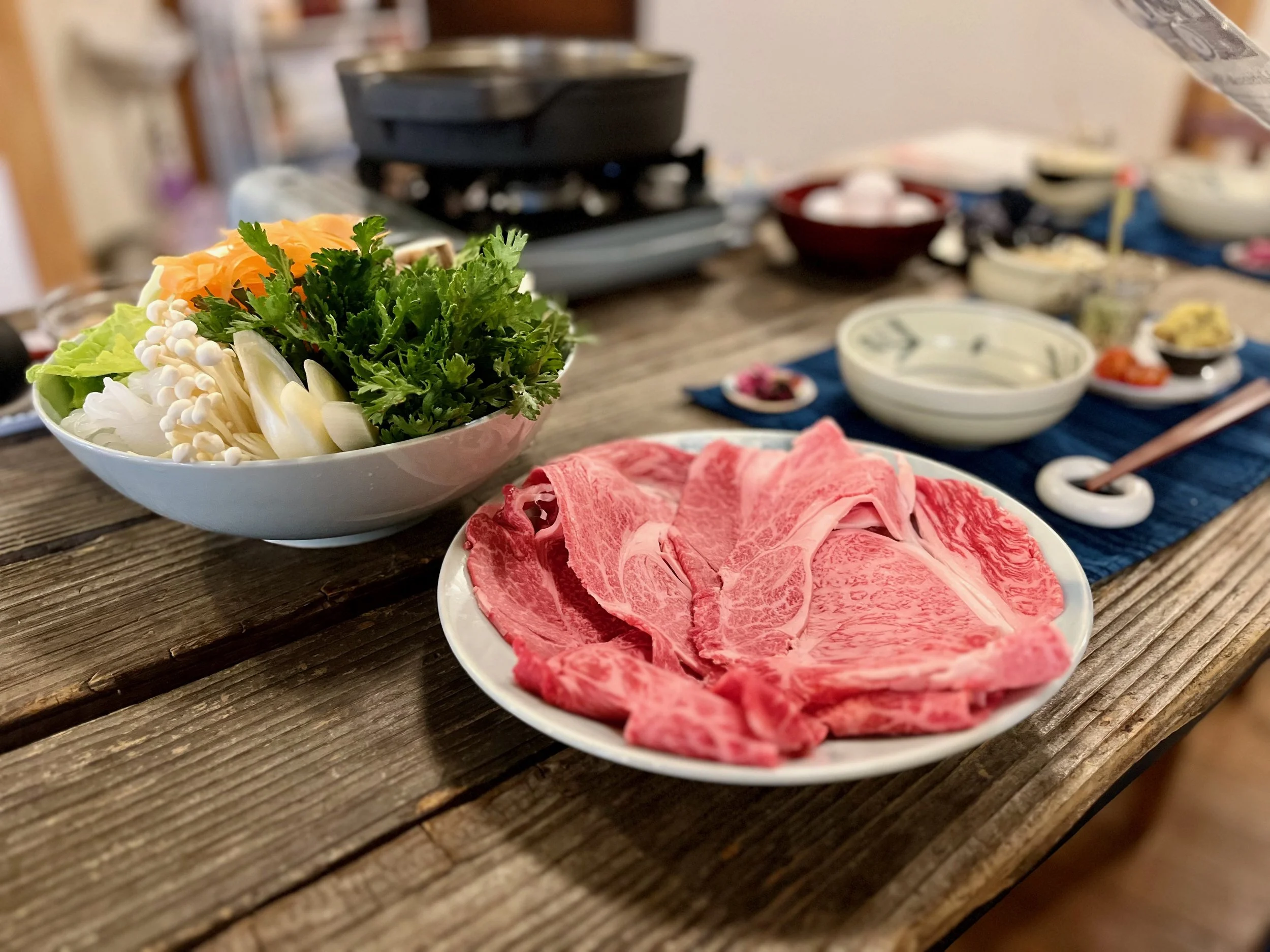
Located in central Mie Prefecture, Matsusaka City is best known as the birthplace of Matsusaka beef, one of Japan’s most prized wagyu varieties. Situated along the Kii Peninsula and conveniently positioned between the Kansai and Chubu regions, the city has long served as a historical crossroads for trade and culture.
Beyond its renowned dining scene, Matsusaka reveals a quieter side of Japan through well-preserved Edo-period streets, samurai-era heritage, and intimate local shrines. The city’s unhurried pace and strong artisan traditions make it an appealing cultural stop for travellers looking to explore beyond major urban centres.
(4) Witness the Spectacle of the Aomori Nebuta Festival
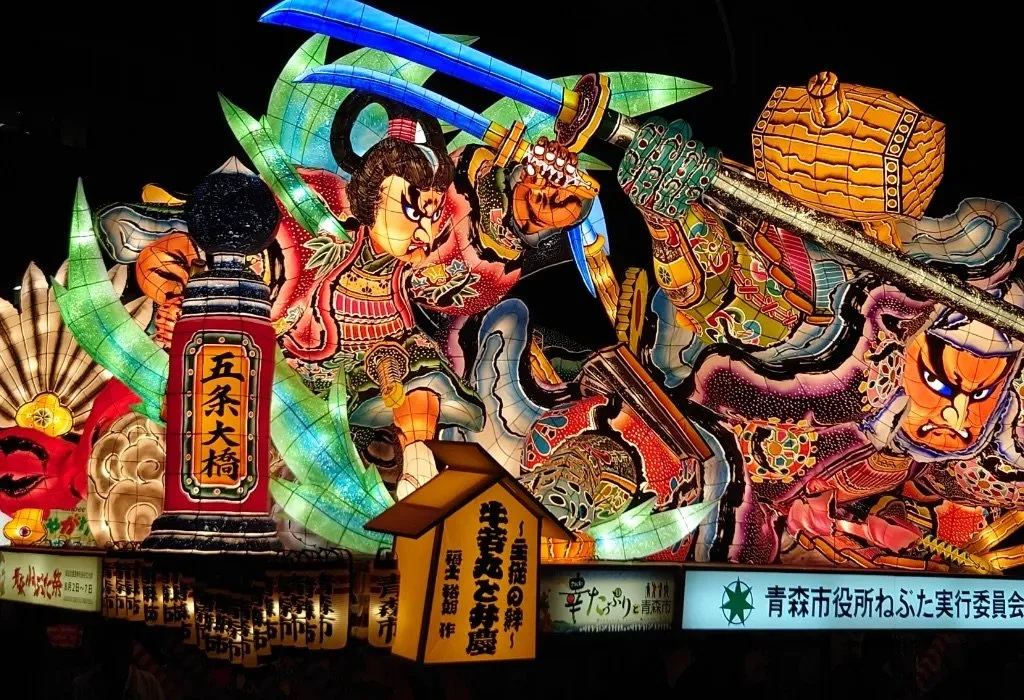
Few experiences capture Japan’s vibrant festival culture like the Nebuta Matsuri. Held in Aomori City, at the northern tip of Honshu in Tohoku, this iconic summer festival lights up the streets with giant illuminated floats, pulsating taiko drums, and dancers parading late into the night. The event is not just a visual spectacle — it’s a dynamic celebration of community, artistry, and centuries-old traditions, drawing visitors from across Japan and beyond.
Read: Aomori in August: Your 2-Day Guide to Nebuta Festival, Scenic Wonders & Cultural Gems
(5) Discover Rural Charm in Iida City, Nagano
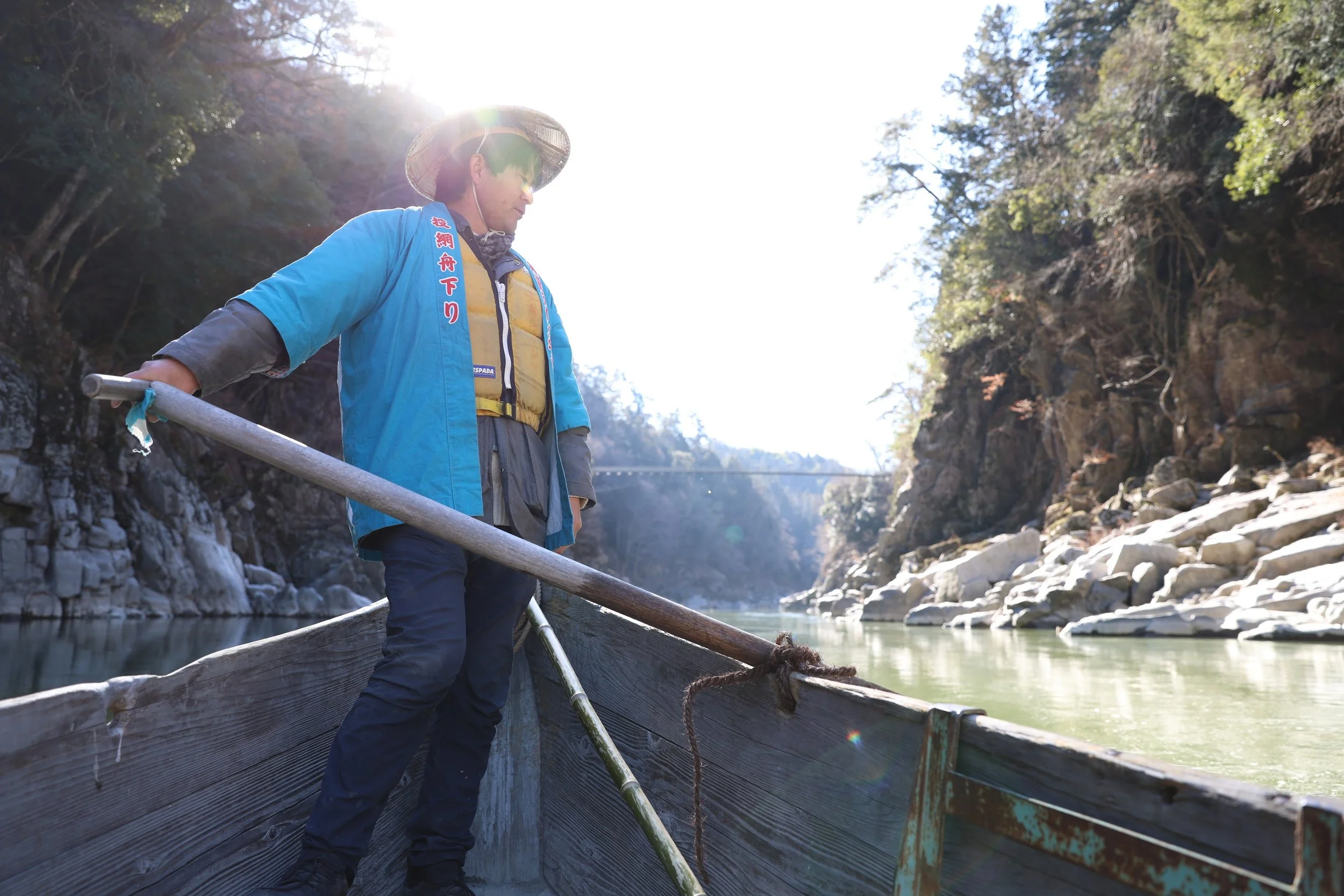
Nestled in the mountains of southern Nagano, Iida City offers a window into rural Japan — from local festivals and traditional crafts to scenic river valleys. Surrounded by forest-covered peaks and winding river valleys, the city is known for its seasonal festivals, artisanal crafts, and local culinary traditions, offering a slower, more authentic experience than the country’s bustling urban centres. Iida’s location along historical trade and pilgrimage routes adds layers of cultural depth, making it an ideal stop for travellers seeking scenery, tradition, and everyday life in Japan’s heartland.
Read: 10 Reasons to Visit Iida City, Nagano — A Perfect Blend of Tradition and Scenery
(6) Experience the Scenic & Culinary Riches of Niikawa, Toyama
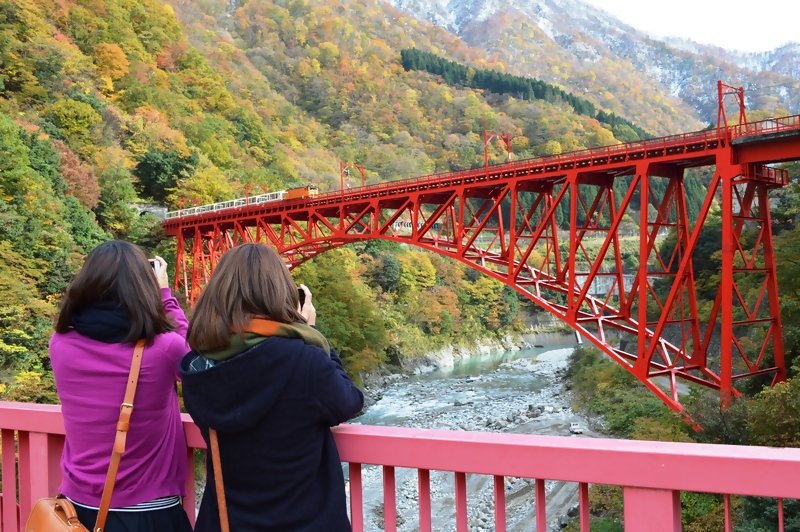
Niikawa, situated in Toyama Prefecture along the northern coast of Japan’s main island, Honshu, is a region where towering mountain landscapes meet the bountiful Sea of Japan coastline. Renowned for its pristine waters and exceptionally fresh seafood, Niikawa offers travellers a unique combination of scenic beauty and regional culinary excellence. From coastal delicacies to alpine vistas, the area is a haven for those seeking authentic experiences that celebrate both nature and local food culture.
(7) Explore Japan’s Most Beautiful Castles
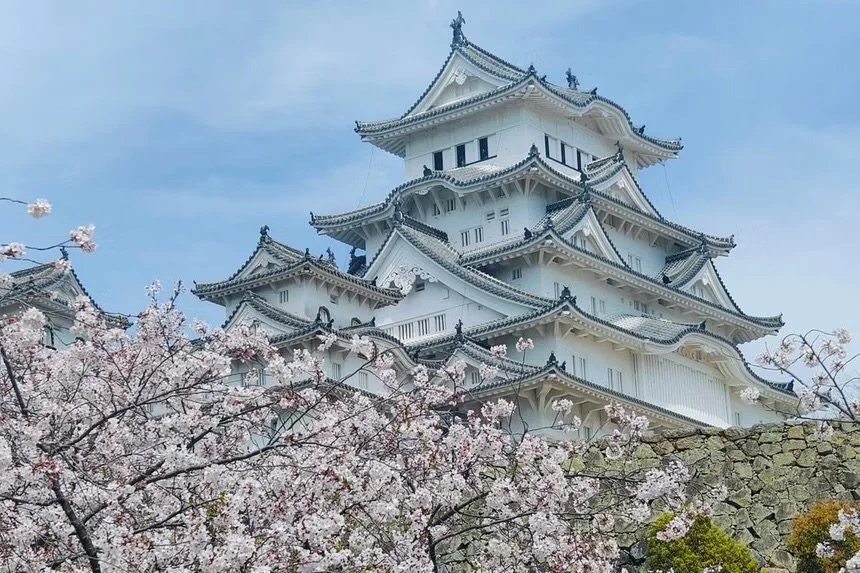
Source: The Straits Times
Japanese castles are not just historical landmarks; they are symbols of regional identity and craftsmanship. Each castle reflects the unique geography and culture of its region. From the grandeur of Himeji Castle to the dramatic alpine backdrop of Matsumoto Castle, each structure tells a story of feudal Japan.
(8) Travel Japan by Season
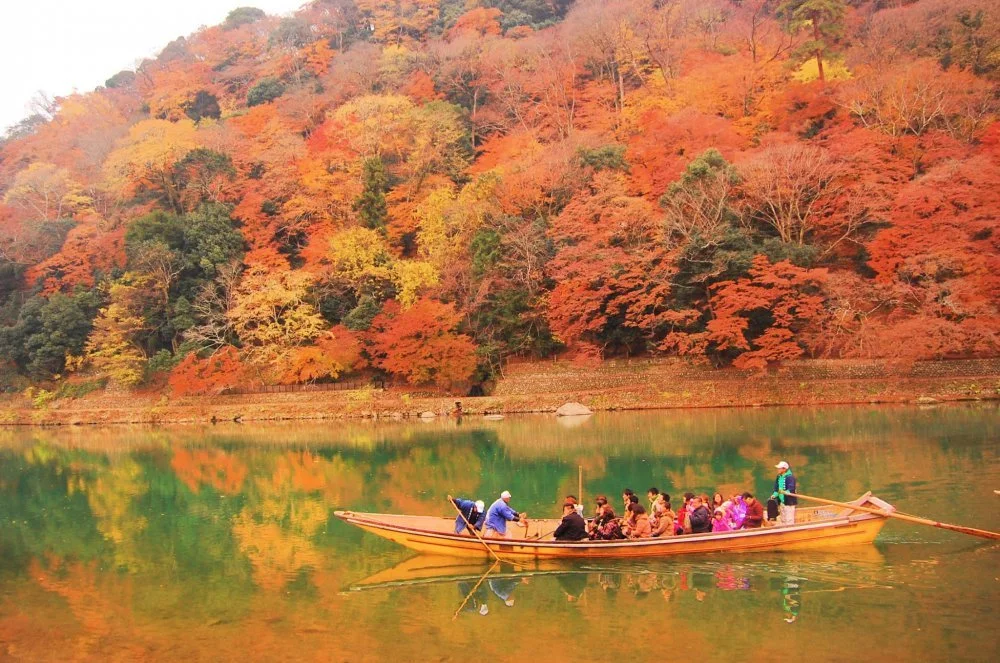
Hozugawa River
Source: Japan Travel
Japan’s four seasons shape everything — food, festivals, scenery, and even local customs. Planning your trip around seasonal highlights allows you to experience the country at its most expressive, whether through winter snowscapes or summer celebrations.
Spring — Cherry Blossoms
April’s sakura blankets parks, castle grounds, and riverbanks in soft pink petals. This is one of the most iconic travel seasons in Japan, with hanami (flower-viewing) gatherings, seasonal sweets, and photo-worthy landscapes.
Read: Japan Cherry Blossom Viewing Guide 2025
Summer — Festivals & Outdoor Fun
Japan’s summer pulses with energy — from live festivals and fireworks to coastal escapes and mountain hikes. The season brings warmth, long daylight hours, and opportunities to experience both city events and nature.
Read: 10 Things To Do In Tokyo And Osaka During Summer
Autumn — Red & Gold Foliage
From mid-October through November, Japan’s forests, gardens, and temple avenues burst into vibrant hues of red, orange, and yellow. This peaceful season offers cooler weather, dramatic views, and some of the country’s most scenic walks.
Read: Japan Autumn Leaves Viewing Guide 2024
Winter — Snow & Powder
Japan’s northern islands and mountain regions become a winter playground after December, with deep powder snow perfect for skiing and snowboarding. Many ski towns also have hot springs and cosy local eateries to warm up after a day on the slopes.
(9) Soak in an Authentic Japanese Onsen
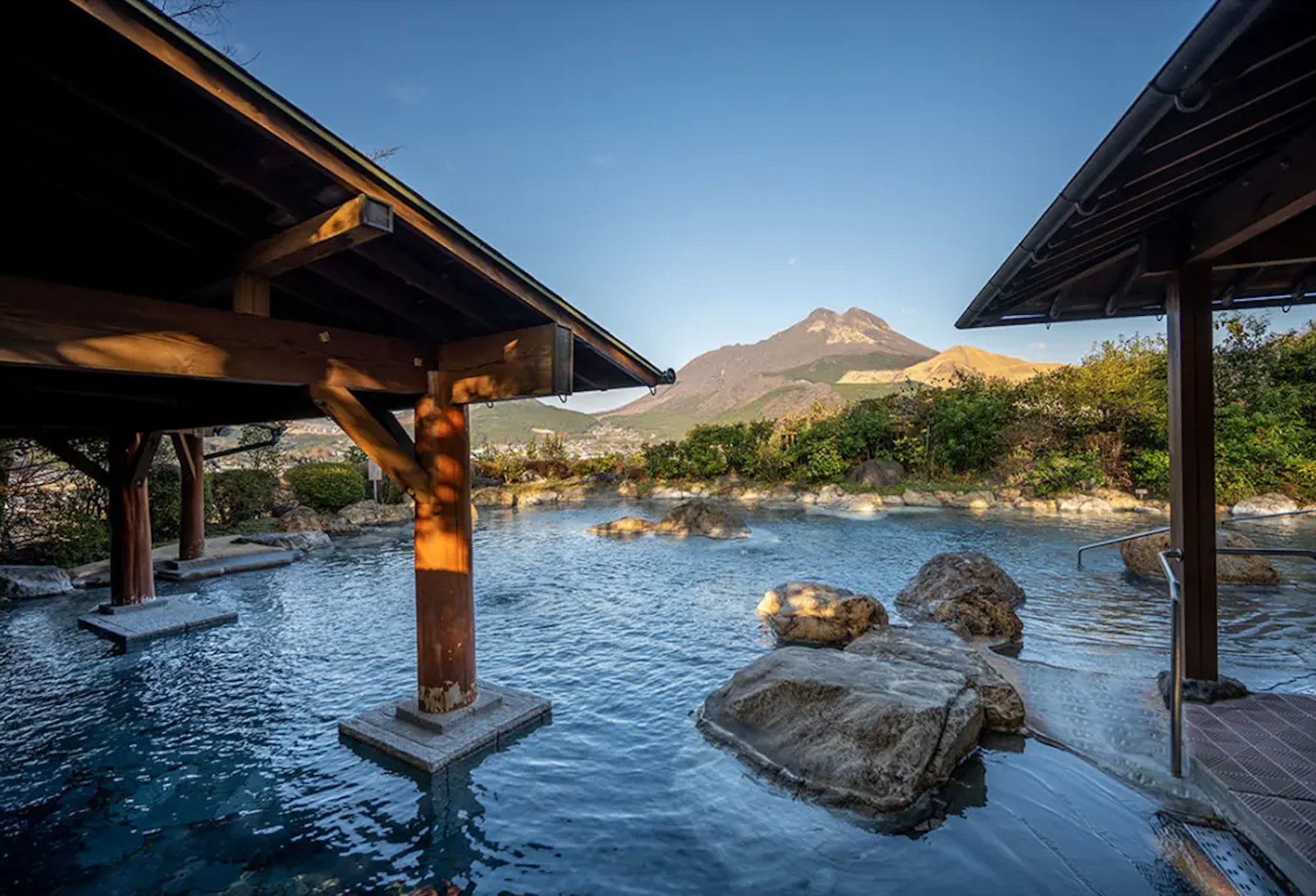
Yufuin Onsen
Source: Visit Kyushu
Onsens are deeply embedded in Japanese daily life and wellness culture, shaped by the country’s volcanic landscape and centuries-old bathing traditions. Whether soaking in the open-air baths of mountain towns like Nagano or visiting well-established hot spring resorts across the country, onsen bathing is both a physical and cultural experience. Beyond relaxation, it follows time-honoured rituals of cleanliness, mindfulness, and communal respect, offering travellers a uniquely Japanese way to slow down, unwind, and reconnect with nature.
Read: Rest And Relax: 12 Best Onsens To Experience Across Japan
(10) Walk Through Historic Townscapes
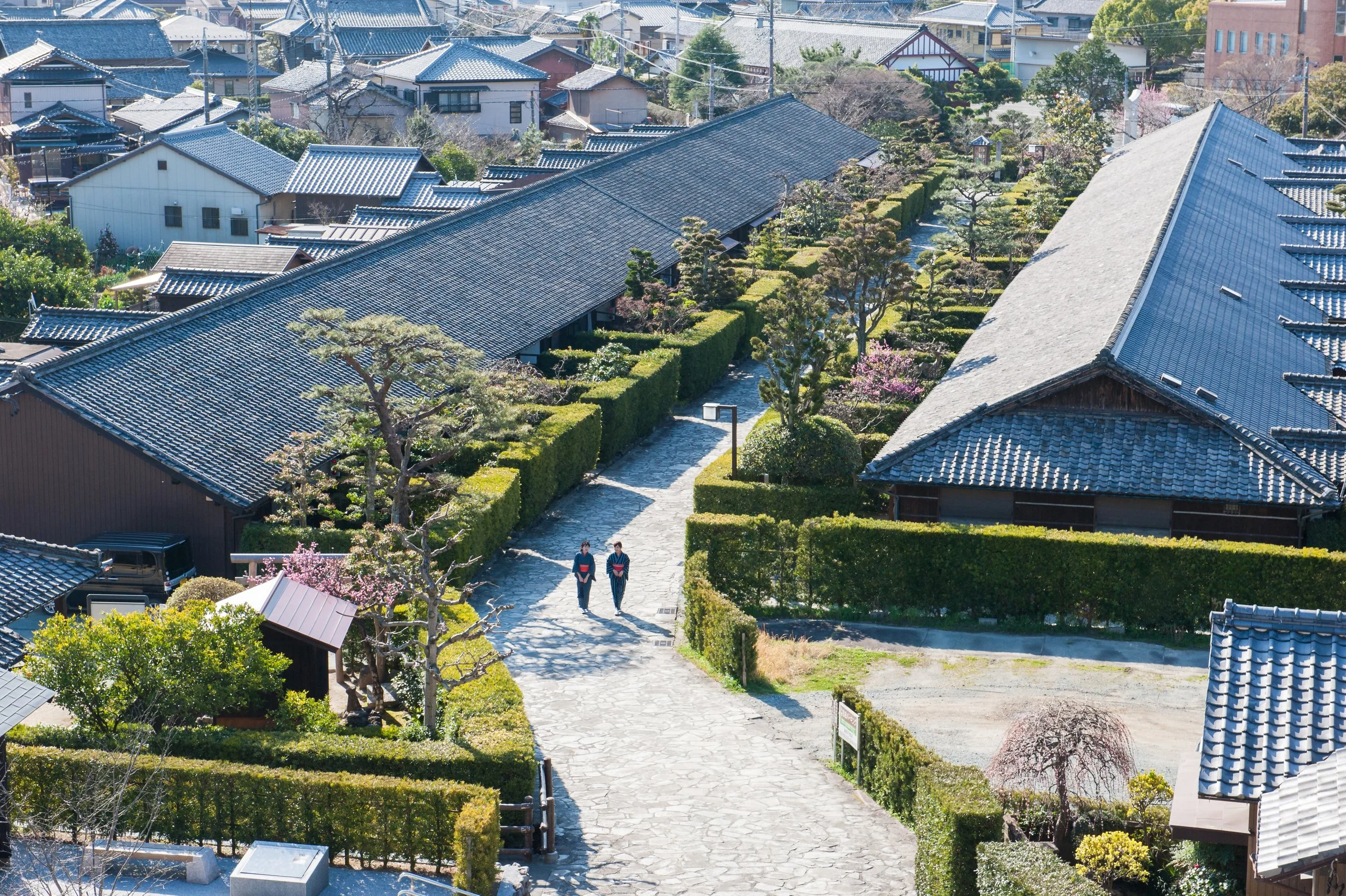
Gojoban Yashiki (Castle Guard Residences)
Source: Matsusaka City Tourism and Exchange Division
Japan’s historic townscapes offer a rare opportunity to step into the country’s living past. Preserved streets lined with wooden townhouses, old merchant homes, and centuries-old temples reveal how communities once lived, traded, and prospered. Unlike museum displays, these districts are often still home to daily life — locals run family businesses, seasonal festivals unfold on the same streets, and traditions quietly continue alongside modern rhythms.
One standout example is Matsusaka City in Mie Prefecture. Beyond its famed wagyu, Matsusaka preserves neighborhoods where samurai and merchants once lived. Walking through the Castle Guard Residences (Gojoban Yashiki) area, you can almost hear echoes of Edo-period footsteps and observe architectural details that speak of Japan’s feudal past.
(11) Ride the Shinkansen Across Regions
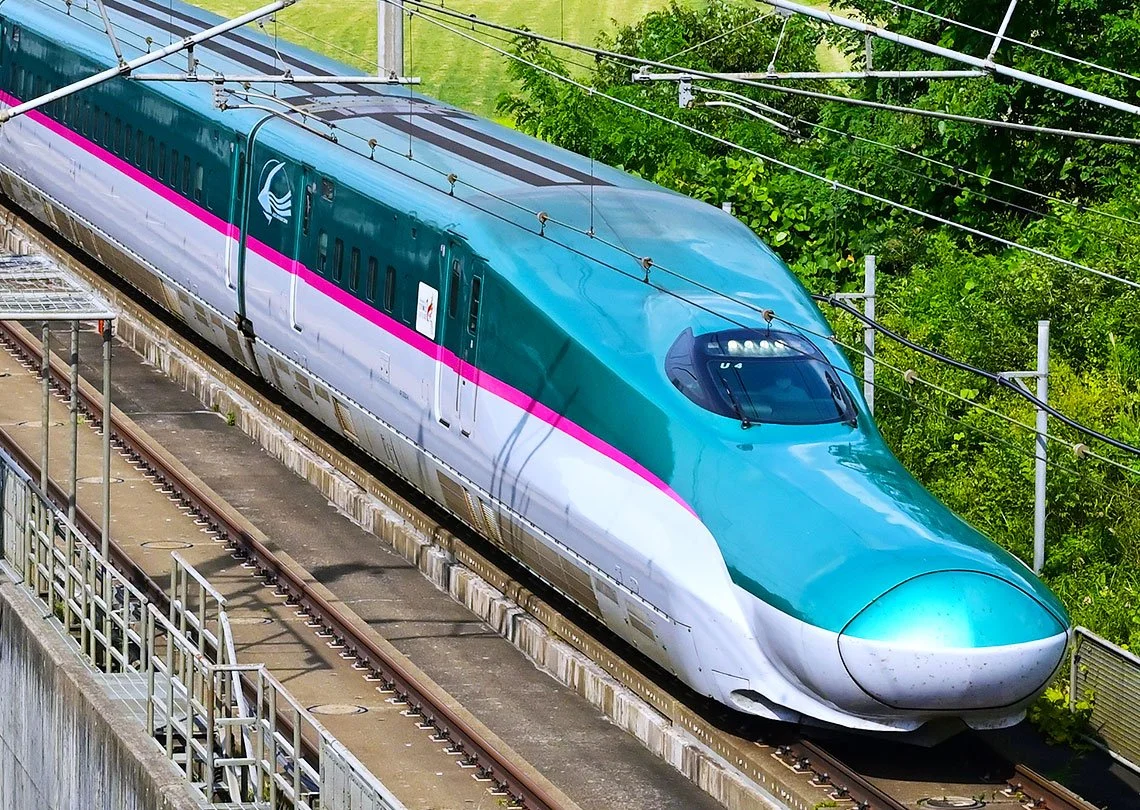
Tohoku Shinkansen
Source: JR East
Japan’s bullet trains, or Shinkansen, are more than just a mode of transport — they are an essential travel experience in themselves. Sleek, fast, and exceptionally punctual, the Shinkansen connects major cities, regional towns, and scenic countryside with ease. Travelling by bullet train lets you admire Japan’s changing landscapes — from urban skylines to rolling hills, rice paddies, and coastal vistas — all from the comfort of your seat.
For example, from Tokyo, you can take the Hokuriku Shinkansen to Nagano in about 1.5 to 2 hours. This route provides quick access to the Japanese Alps, hot spring towns, and historic villages, making it perfect for travellers looking to experience both scenic nature and traditional culture without long journeys.
From Osaka, the Sanyo Shinkansen offers a direct connection to Hiroshima, allowing travellers to reach the iconic Peace Memorial Park and Miyajima Island in roughly two hours. This fast and convenient route opens up southern Japan’s history and coastal scenery efficiently.
Maximise your itinerary while enjoying the comfort and speed of one of Japan’s most iconic transportation experiences.
(12) Taste Japan’s Regional Food Cultures
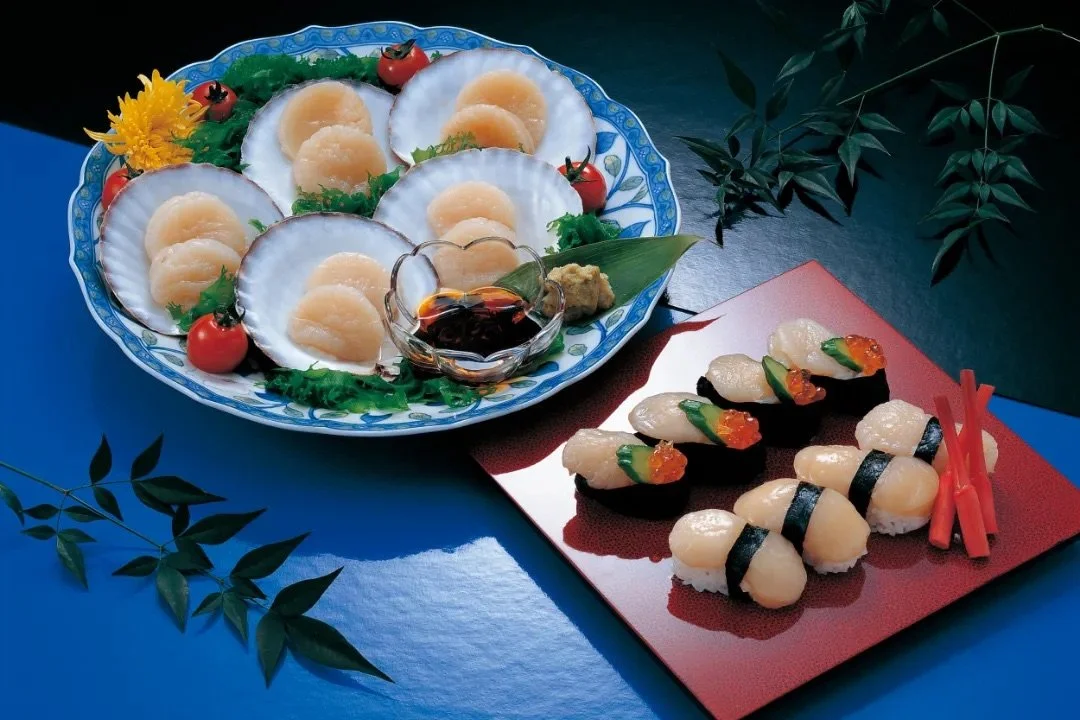
Every region in Japan has its own culinary identity, shaped by geography, climate, and local tradition. Coastal towns boast fresh seafood, sushi, and shellfish delicacies, while mountain regions offer hearty, warming meals such as soba noodles, miso-based dishes, and hotpots.
For example, in Aomori, coastal waters provide fresh seafood such as scallops and squid, best enjoyed at local markets or during festivals like the Nebuta Matsuri.
In Fukuoka, southern Japan is famous for tonkotsu ramen, Hakata-style gyoza, and lively food stalls (yatai) where travellers can sample multiple local dishes in one visit.
Pairing your food explorations with visits to markets, street vendors, and seasonal food festivals allows you to experience regional specialties in context, making each meal a story in itself and deepening your connection to Japan’s diverse culinary landscape.
(13) Visit a Local Festival (Matsuri)
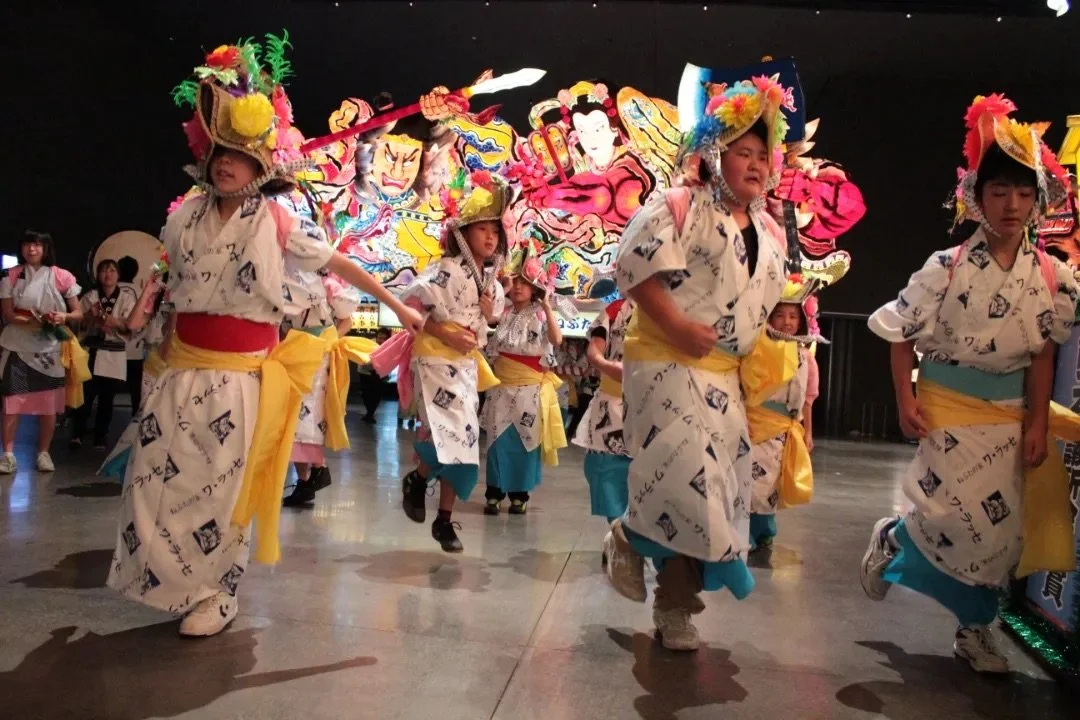
Festivals, or matsuri, are at the heart of Japanese culture. These events bring together music, dance, traditional dress, street food, and community spirit in a way that transforms towns and cities alike. Whether it’s the illuminated floats of Aomori’s Nebuta Festival, summer fireworks in Tokyo, or smaller regional harvest celebrations, participating in a matsuri gives travellers a sense of belonging and first-hand exposure to local traditions. Timing your visit to coincide with a festival can turn a standard itinerary into a once-in-a-lifetime cultural immersion.
(14) Explore Japan’s Countryside
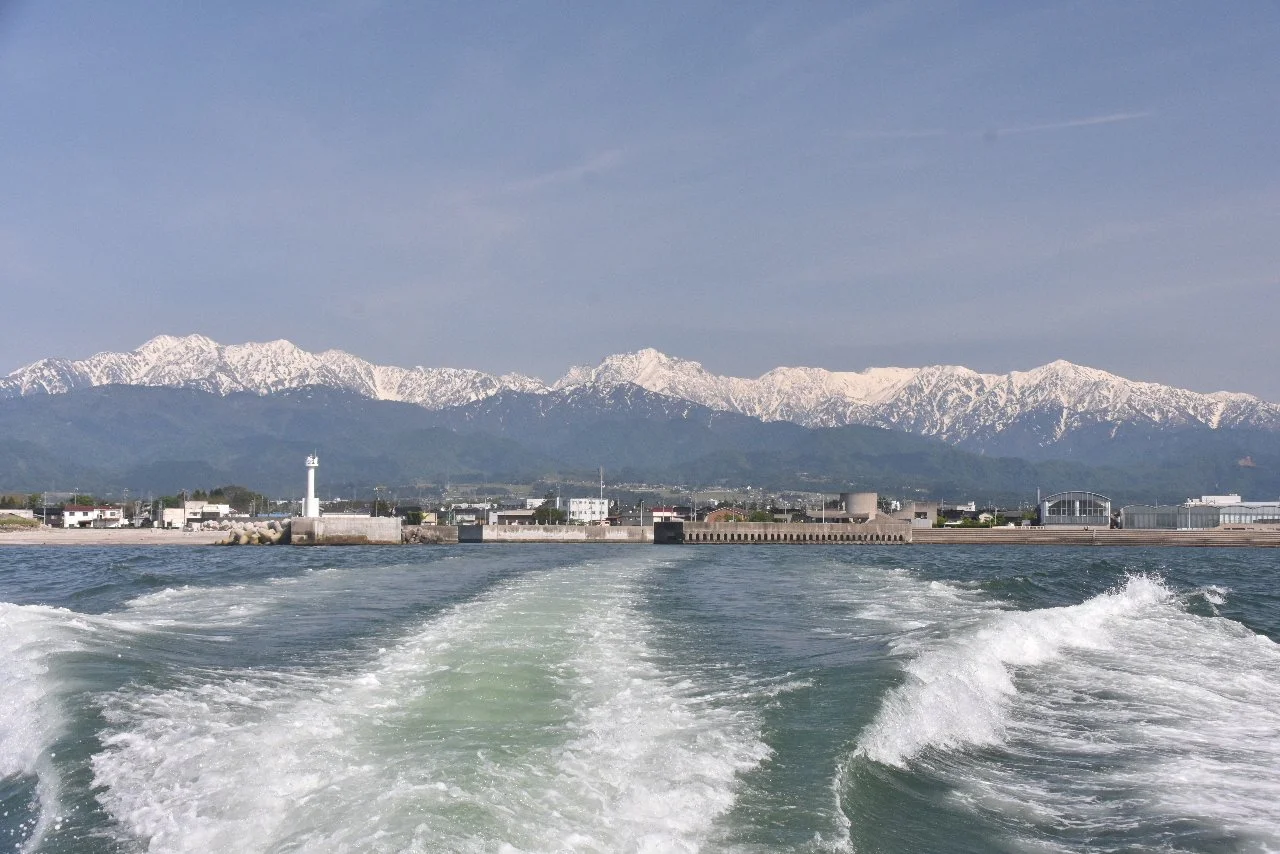
Toyama Bay Coastal Cruising
Source: Namerikawa City Tourism Association
Japan’s rural towns and less-traveled regions reveal a slower, more authentic rhythm of life. Here, you’ll find quaint streets lined with traditional houses, seasonal farms, artisanal workshops, and breathtaking natural scenery. Exploring smaller towns such as Niikawa in Toyama or Iida in Nagano allows you to witness everyday Japanese life, attend local festivals, and interact with communities who maintain centuries-old traditions. Rural travel also offers unique photographic opportunities, from misty mountains and rice terraces to serene rivers and quiet temples.
(15) Stay in a Traditional Ryokan
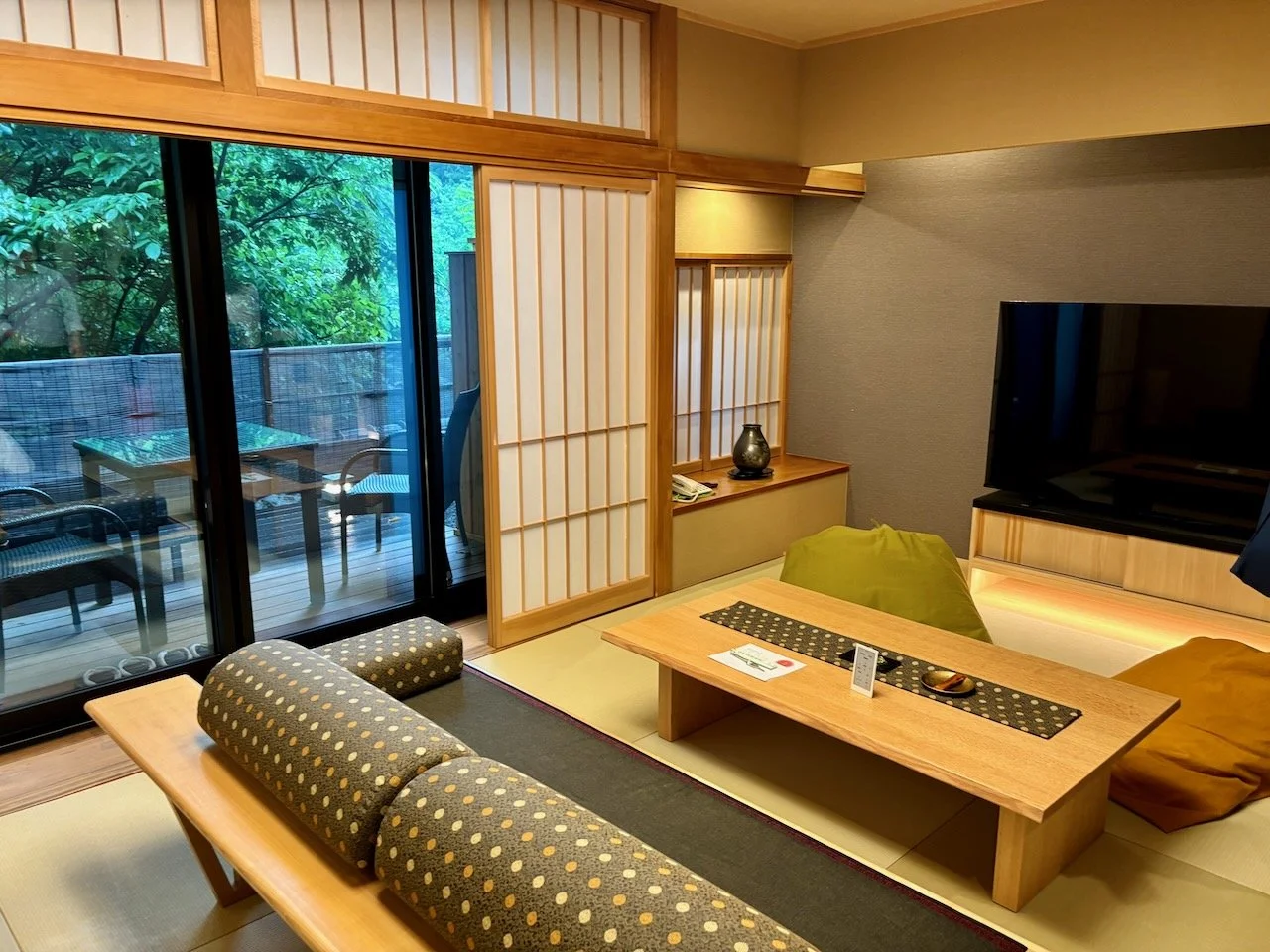
Japanese hospitality, or omotenashi, is a defining feature of travel in the country. From the meticulous service in ryokan (traditional inns) to attentive guidance during local tours, every detail reflects a culture of care and thoughtfulness. For example, staying in a ryokan in Suwa, Nagano lets you experience tatami rooms, seasonal kaiseki meals, and relaxing onsen baths — all prepared with careful attention to detail. Visiting a small-town inn will make your stay feel personal, thoughtful, and culturally enriching.
(16) Enjoy Japan’s Natural Landscapes
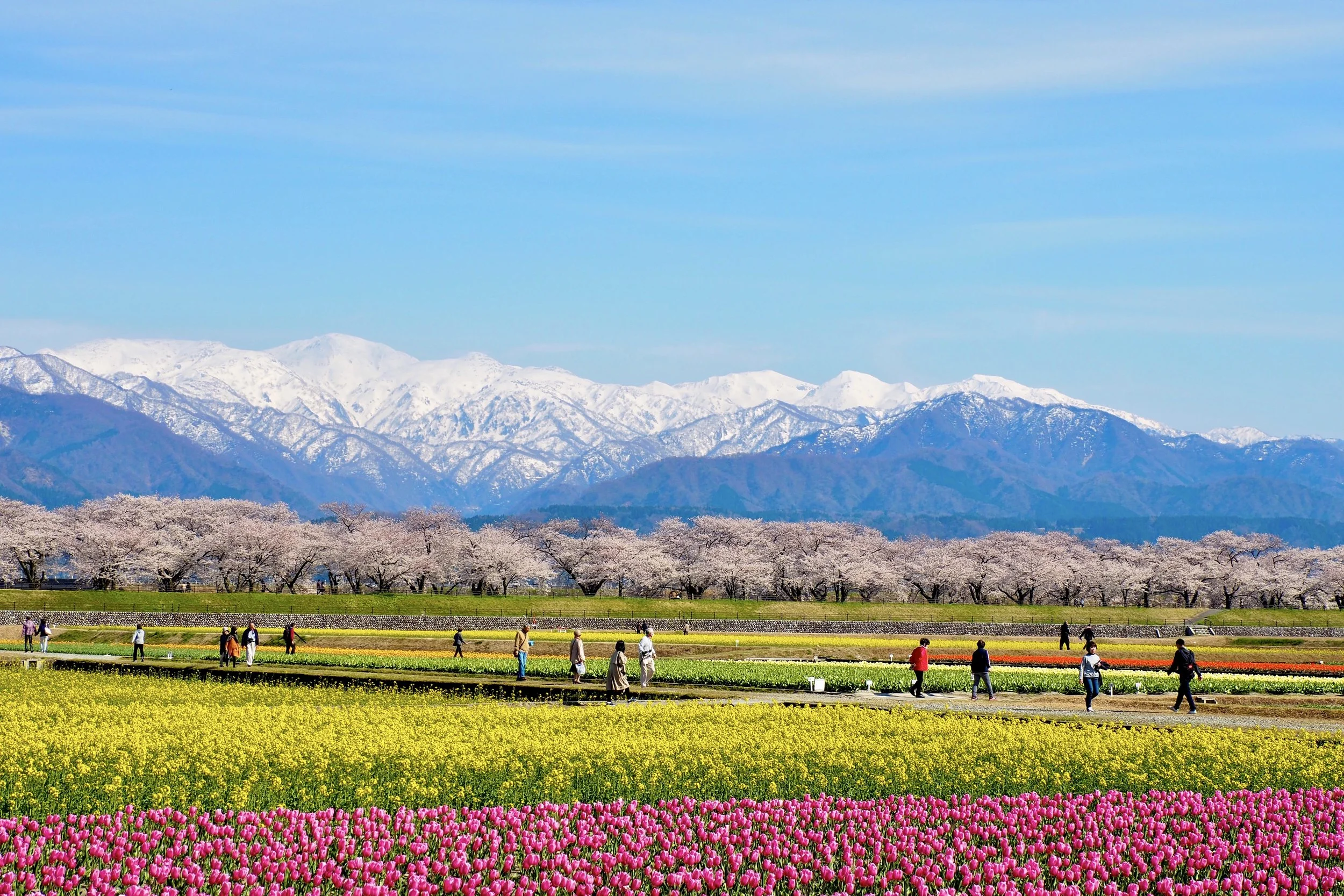
Spring Quartet in Asahi Town, Niikawa, Toyama Prefecture
Source: Source: Asahi Town Tourism Association
Japan is a country of extraordinary natural diversity. Mountains, forests, lakes, and coastline provide year-round opportunities for exploration. Hike the Japanese Alps, relax by serene lakes in Nagano, explore Hokkaido’s winter wonderlands, or stroll along the coastline of Toyama. Seasonal changes enhance the scenery — cherry blossoms in spring, lush green summers, fiery autumn leaves, and snow-clad winters — making Japan’s landscapes as dynamic as they are beautiful.
(17) Discover Craft, Culture, and Heritage

Okaya Kinu Kobo "Okaya Silk Studio" in Suwa, Nagano
Japan’s cultural heritage is preserved not just in monuments but in local crafts, festivals, and seasonal customs. Workshops in pottery, textiles, and lacquerware showcase skills carefully passed down through generations, while seasonal rituals such as flower festivals to harvest celebrations,v provide context to these traditions.
For example, visiting the Okaya Kinu Kobo "Okaya Silk Studio" in Suwa, Nagano allows travellers to witness the intricate process of silk weaving, understand the region’s historic textile production, and even try hands-on techniques under expert guidance. Experiences like this give you more than souvenirs — they offer a deeper appreciation of Japan’s living culture and craftsmanship.
(18) Follow a Themed Travel Route
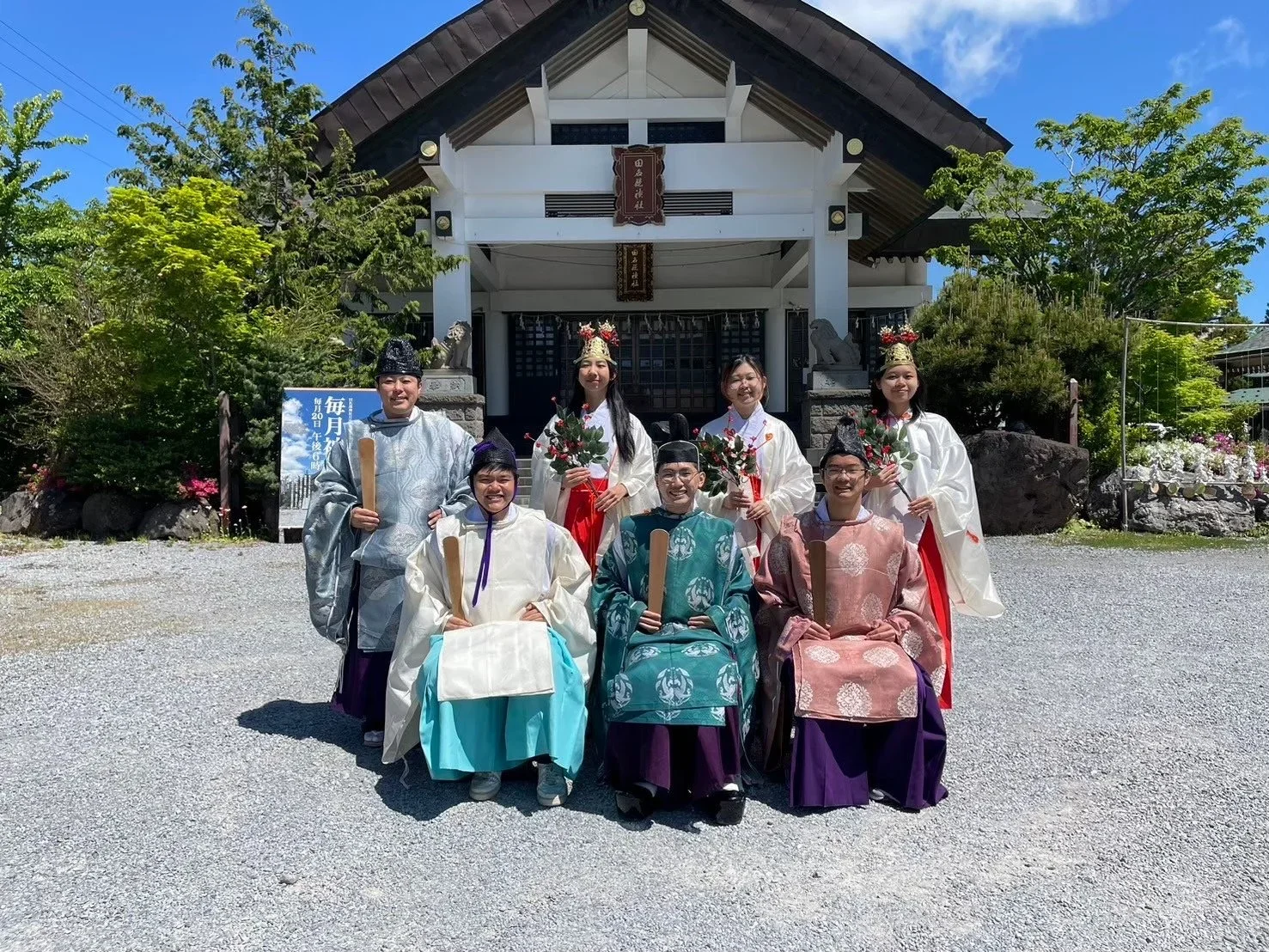
Shrine Maiden Experience at Tanabu Shrine
Themed travel routes give your Japan itinerary focus and depth by linking places and experiences around a specific interest — whether it’s food, culture, nature, or festivals. Instead of hopping randomly between cities, following a theme lets you connect the dots between destinations with a clear purpose and story.
For example, a northern Japan exploration theme might take you through Aomori Prefecture’s dramatic landscapes and coastal towns. Starting in Shimokita and Mutsu (Aomori), you can experience rugged coastlines, local seafood specialties, traditional fishing villages, and scenic spots that take you away from Japan’s urban bustle. This theme can naturally expand into regional festivals, nature walks, and seasonal seafood markets, giving your trip both cohesion and variety.
(19) Travel Beyond the Highlights — Stay Longer, Experience Deeper
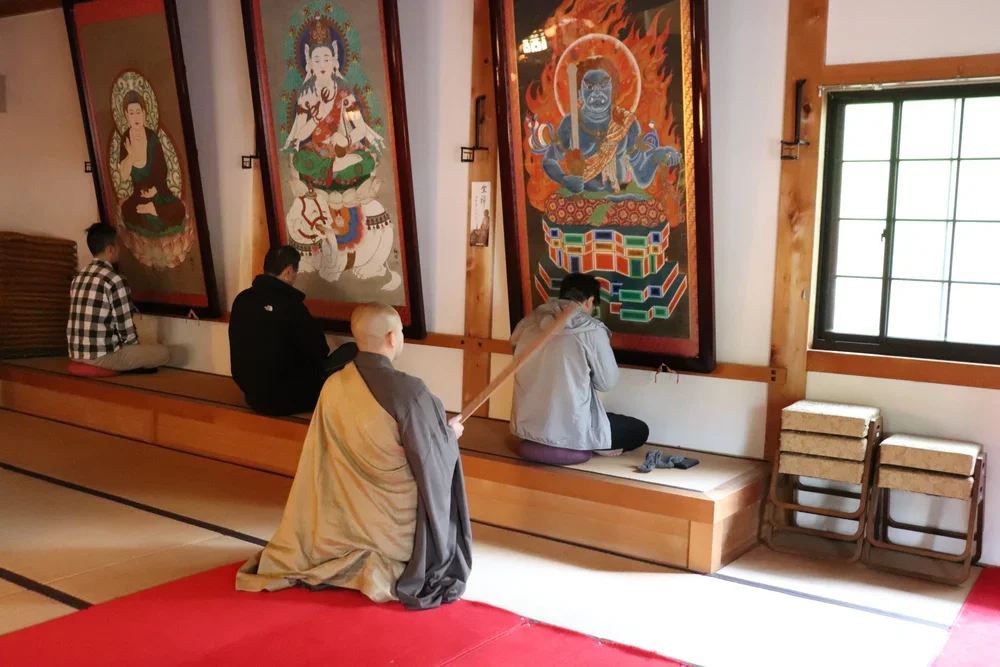
Source: Ooma Fugenin
Japan rewards travellers who choose to slow down. Rather than rushing through a checklist of destinations, spending more time in fewer places allows deeper engagement with local culture, people, and landscapes. Observe morning routines in small towns, explore quiet streets, linger at a temple, or savour meals slowly. This intentional pace not only reduces travel stress but also creates more meaningful memories and genuine cultural connections.
For a truly immersive cultural experience, consider a temple stay and zazen (seated meditation) experience at Ooma Fugenin temple in Shimokita. Here, you can practice mindfulness and morning meditation, participate in simple rituals, and reflect in serene surroundings — a restorative way to connect with the spiritual side of Japan beyond sightseeing.
(20) Create a Journey That Reflects Your Travel Style
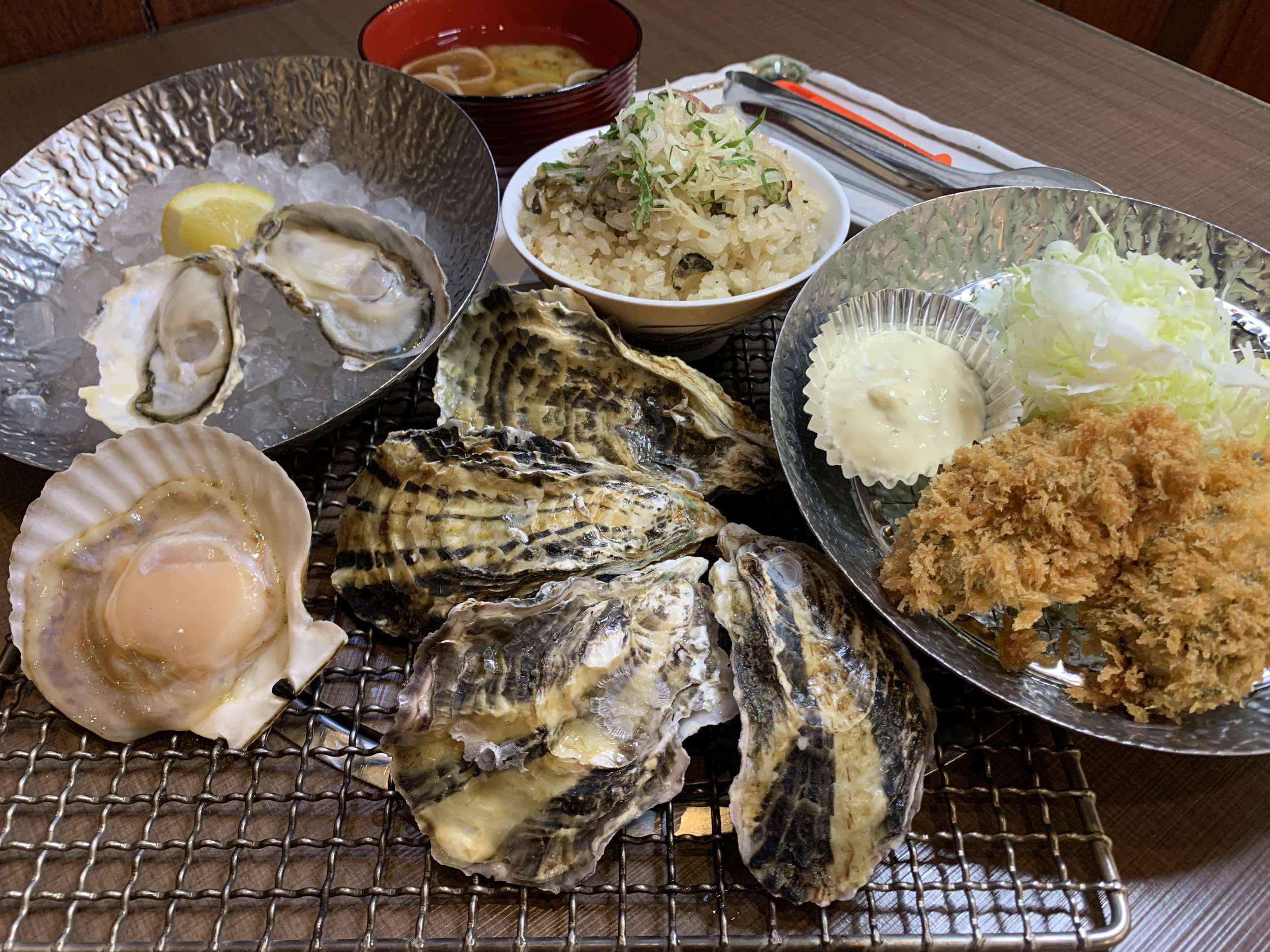
Deep-Sea Water Oysters in Nyuzen Town, Niikawa, Toyama Prefecture
Japan’s diversity allows you to craft trips that truly reflect your passion. Food enthusiasts can follow regional delicacies and seasonal festivals, nature lovers can explore majestic mountains, tranquil lakes, and rugged coastlines, while culture seekers can wander historic towns, castles, and centres of traditional arts. Focusing on what excites you most transforms a typical itinerary into a curated adventure, leaving you with memories that feel deeply personal and uniquely your own.
Enjoyed reading our articles? Check out others below!

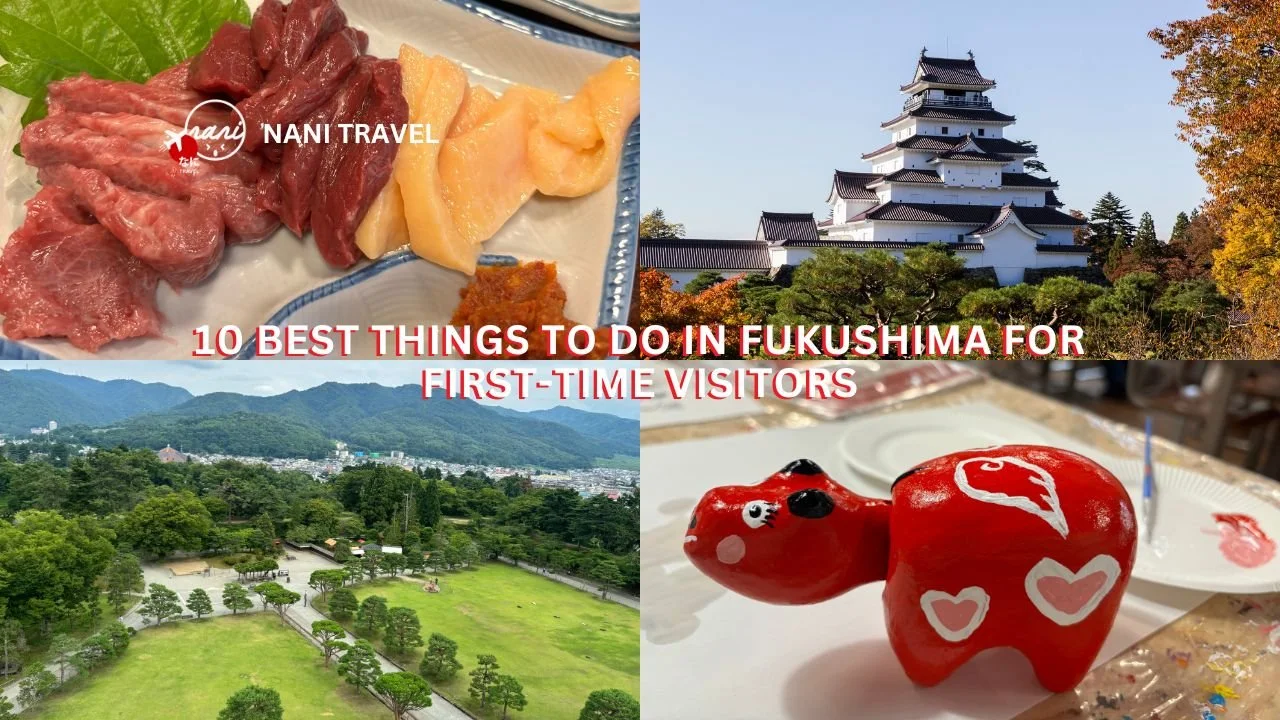
From Hokkaido’s early autumn colours to Kyoto’s November foliage, discover 10 destinations across Japan for spectacular scenery, seasonal food and memorable cultural experiences.