
Aomori in August: Your 2-Day Guide to Nebuta Festival, Scenic Wonders & Cultural Gems
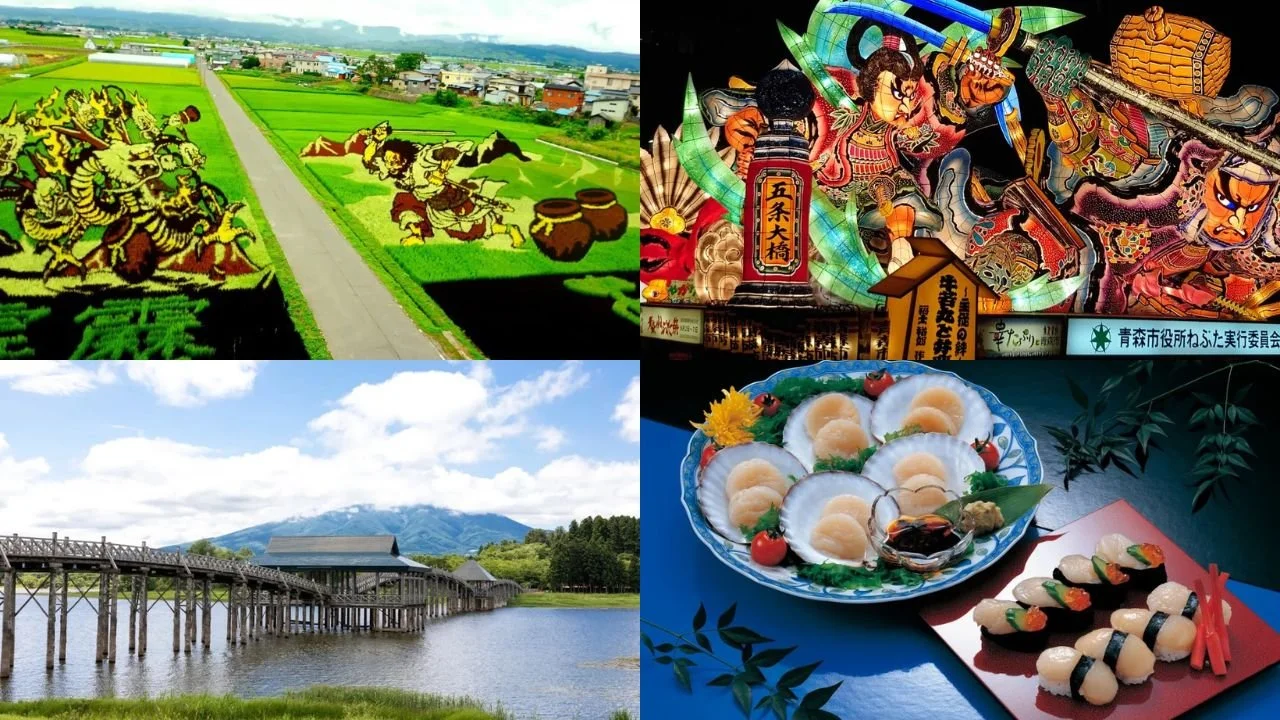
Every August, Aomori City transforms into a glowing spectacle of colour, drums, and dance during the famous Nebuta Matsuri—one of Japan’s most visually arresting summer festivals. Towering illuminated floats glide through the streets as dancers clad in traditional haneto costumes shout "rassera, rassera!", inviting onlookers to join in the revelry.
But beyond the lantern-lit parades, Aomori offers a rich palette of cultural, natural, and culinary experiences—especially in summer. From steaming bowls of local ramen to serene bay cruises and modern museums, this northern prefecture blends old-world artistry with cool sea breezes and warm hospitality.
Whether you are here for the Nebuta Festival or looking to explore the vibrant flavours and quiet beauty of Japan’s northernmost Honshu prefecture, this 2-day itinerary by Japan Navi Journey has you covered.
Available only from 1 to 7 August, this limited-time tour offers a rare chance to experience Aomori at its summer best. Spots are limited, so make your reservation early!
Summer Attractions in Aomori
Culture & Heritage
(1) Nebuta Festival Parade
(2) Haneto Costume Experience
(3) Nebuta Float Workshop Tour
(4) Saruka Shrine and Seibi-en Garden
Local Cuisine
(5) Fresh Aomori Bay Seafood at Daifukumara
Nature & Scenery
(6) Tsuru-no-Mai Bridge
(7) Inakadate Rice Field Art
Culture & Heritage
Aomori’s rich culture and heritage come alive in August, with the Nebuta Festival standing as its most vibrant expression. Rooted in centuries-old traditions, the festival reflects the region’s spirit through handcrafted lantern floats, energetic haneto dancers, and thunderous taiko rhythms. Beyond the festivities, Aomori’s cultural depth can be seen in its dedication to traditional arts, such as Tsugaru lacquerware and shamisen music, as well as preserved sites like the Sannai-Maruyama ruins. This is a place where folklore, craftsmanship, and seasonal rituals are still woven into daily life—offering visitors a meaningful glimpse into northern Japan’s enduring identity.
(1) Nebuta Festival Parade
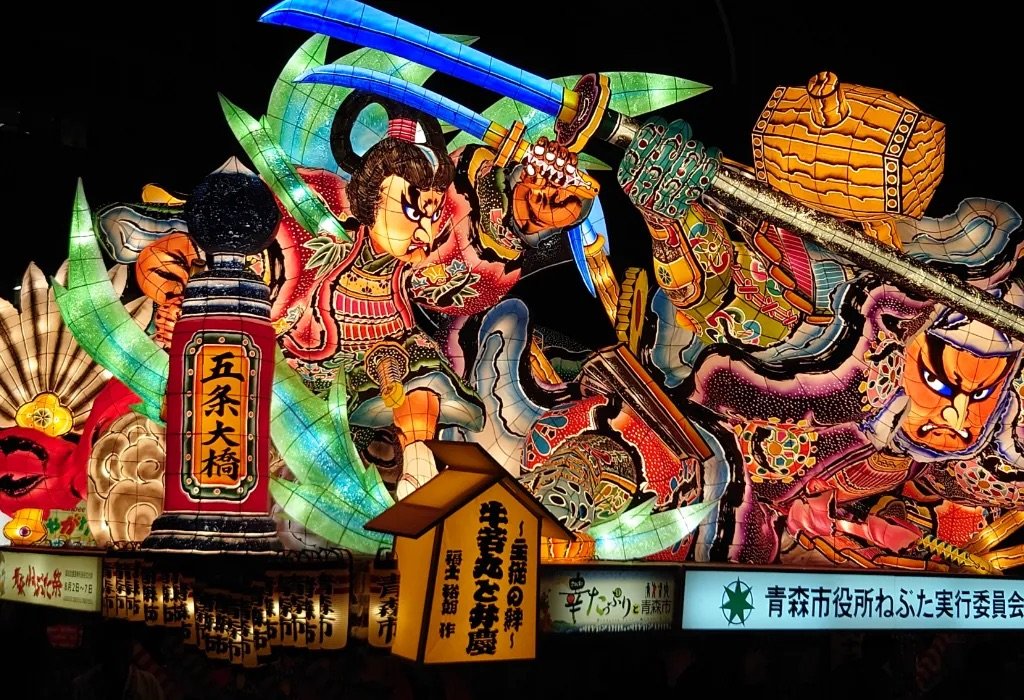
Source: Japan Navi Journey
One of Japan’s most iconic summer events, the Aomori Nebuta Festival transforms the city streets into a living tapestry of light, movement, and sound each night from 2 to 6 August annually. The highlight is the parade of giant illuminated nebuta floats, intricately hand-crafted over months using wire frames and painted washi paper. These dramatic structures, often depicting mythical warriors, gods, or kabuki actors, are pushed and spun by teams of locals as they glide down the main thoroughfares.
Accompanying the floats are energetic haneto dancers, dressed in colourful traditional costumes, chanting "rassera, rassera!" as they hop and swirl to the rhythm of booming taiko drums, flutes, and cymbals. The infectious energy of the performers invites spectators to not just watch, but feel part of the celebration.
Secure reserved seats with Japan Navi Journey tour and enjoy an unobstructed view of this night-time spectacle while keeping you close to the action and experience traditional Japan in motion.
(2) Haneto Costume Experience
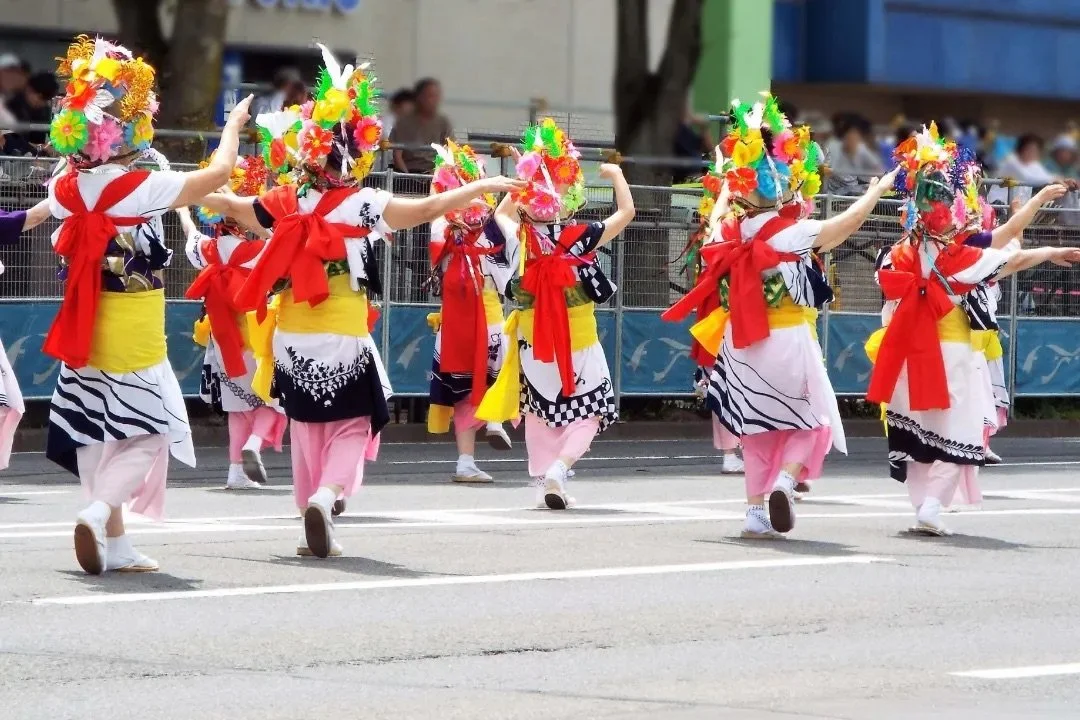
Source: Japan Navi Journey
Step into the heart of the Aomori Nebuta Festival by trying on try on the vibrant traditional outfit worn by dancers during the festival. The haneto costume is eye-catching and full of character: a vividly patterned yukata-style robe, bright sashes, jingling bells (suzu), and a distinctive front-tied headscarf. Every detail reflects the energy and charm of the festival.
This experience offers a fun and accessible way to learn about the traditions behind the festival, appreciate the craftsmanship of the attire, and snap memorable photos in full haneto attire.
(3) Nebuta Float Workshop Tour
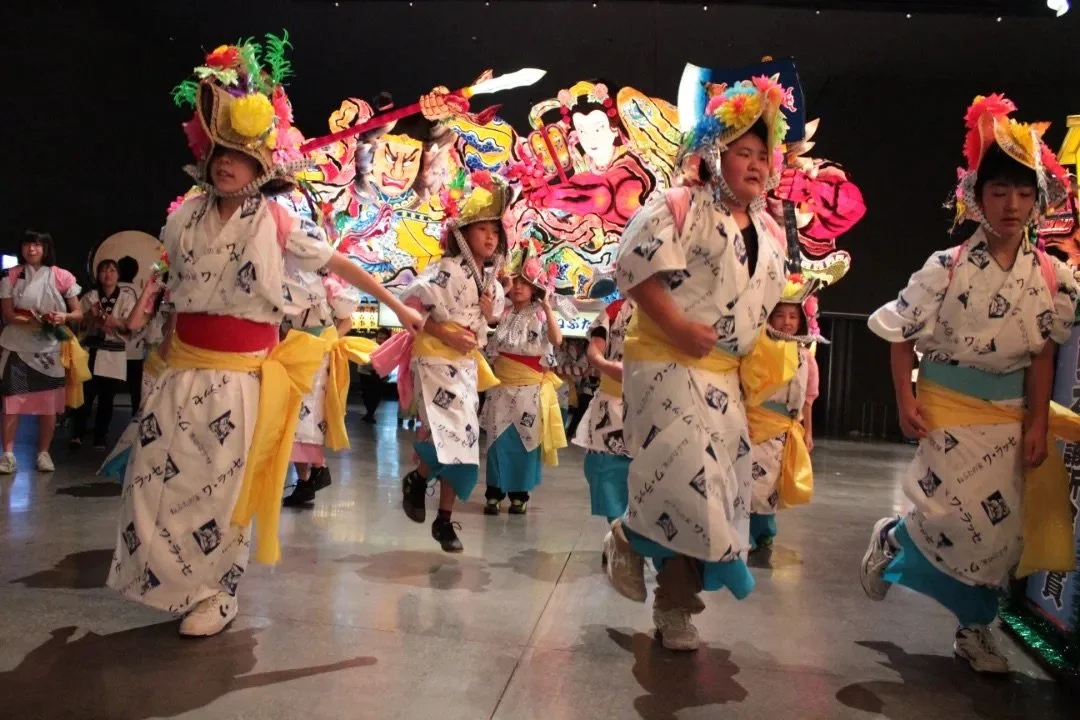
Source: Japan Navi Journey
After the costume fitting, tour participants can enjoy a rare opportunity to go behind the scenes of Nebuta creation. At Nebuta no Ie Wa Rasse or the Nebuta Warehouse, you will get an up-close look at how these massive lantern floats come to life—and witness the incredible skill and passion of the artisans.
This guided tour takes you into the heart of the creative process, where you will observe how craftsmen bend wire into elaborate frames, meticulously layer traditional washi paper, and apply vibrant, hand-painted designs that bring each float to life. These towering works of art—some as wide as 9 metres—depict everything from fierce warriors to legendary beasts, and are illuminated from within to create the dramatic glow seen during the night parades.
The intricate, vividly painted details and the sheer scale of the floats, crafted over several painstaking months, are nothing short of breathtaking. This behind-the-scenes glimpse offers a profound appreciation for the artistry, tradition, and cultural pride that power Aomori’s most iconic summer celebration.
(4) Saruka Shrine and Seibi-en Garden
Source: Japan Navi Journey
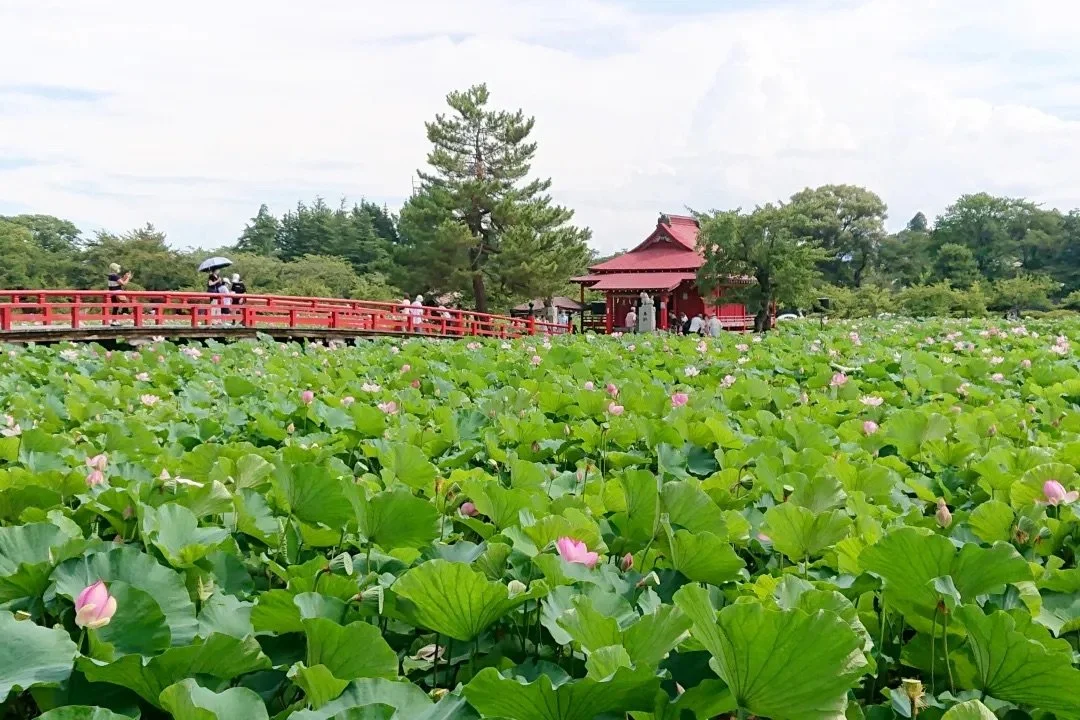
Nestled in a tranquil corner of Aomori, Saruka Shrine offers a peaceful retreat from the bustle of festival crowds and modern life. With a history that spans centuries, this Shinto shrine stands as a quiet guardian of local spiritual traditions and cultural heritage. Lotus flowers bloom gracefully on the pond’s surface, adding a delicate touch of beauty to the peaceful surroundings. The shrine’s simple wooden architecture and serene atmosphere invite reflection and offer insight into Aomori’s deep-rooted spiritual traditions.
From there, wander to Seibi-en Garden, a celebrated landscape that harmoniously blends Japanese and Western styles. Designed to showcase the changing seasons, the garden’s meticulous design features winding paths, carefully placed stones, and seasonal flora that create an elegant, ever-shifting backdrop. It is a place to slow down and appreciate nature’s subtle transitions, providing a luxurious escape from the everyday and a fitting end to your cultural exploration.
Local Cuisine
(5) Fresh Aomori Bay Seafood at Daifukumara
Source: Japan Navi Journey
Daifukumaru is a beloved seafood restaurant located near Aomori Station, offering a delightful dining experience that combines fresh local cuisine with cultural entertainment.
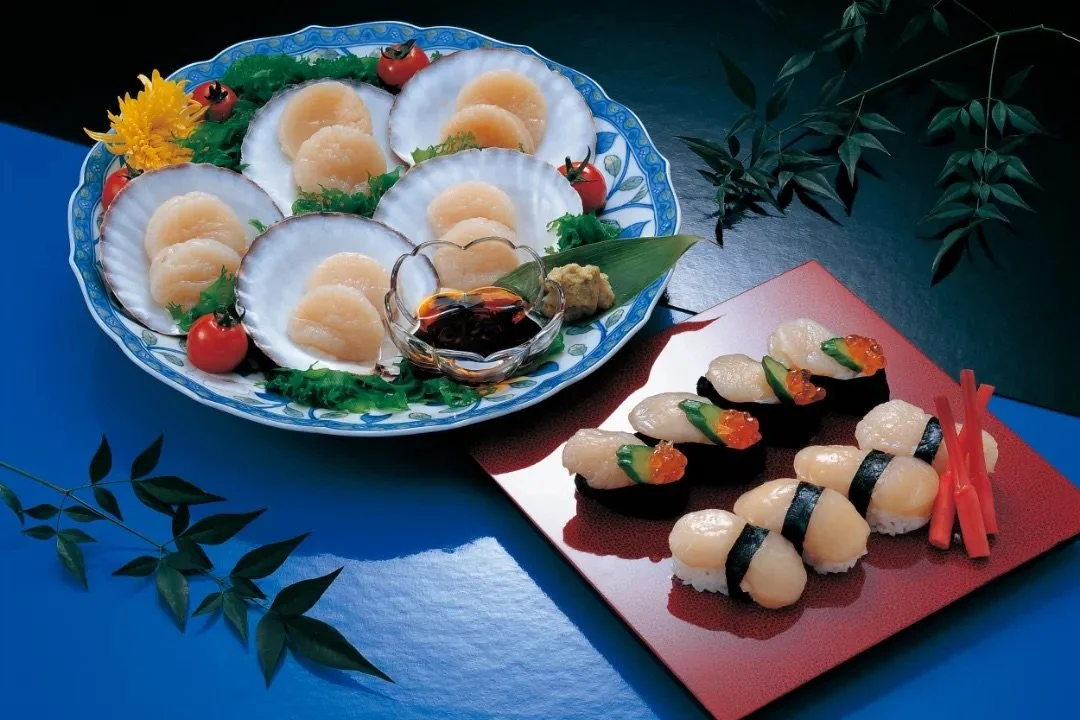
The menu features a variety of Aomori's finest marine offerings, including grilled scallops, exquisite sea urchin sashimi, and the famous "senbei soup." One of the restaurant's highlights is the "Umi no Shokudo" (Seafood Diner) experience, where diners can enjoy a selection of sashimi and other seafood dishes prepared with the freshest ingredients from Aomori Bay.
Enhancing the dining experience, Daifukumaru hosts vibrant performances of Tsugaru shamisen and Aomori folk music twice a day, bringing to life the cultural heritage of the region. The restaurant's interior is adorned with decorations inspired by the Nebuta Festival, creating an immersive atmosphere that reflects Aomori's rich traditions.
With its combination of delectable seafood, cultural performances, and festive ambiance, Daifukumaru offers a memorable lunch experience that captures the essence of Aomori's culinary and cultural delights.
Nature & Scenery
(6) Tsuru-no-Mai Bridge
Source: Japan Navi Journey
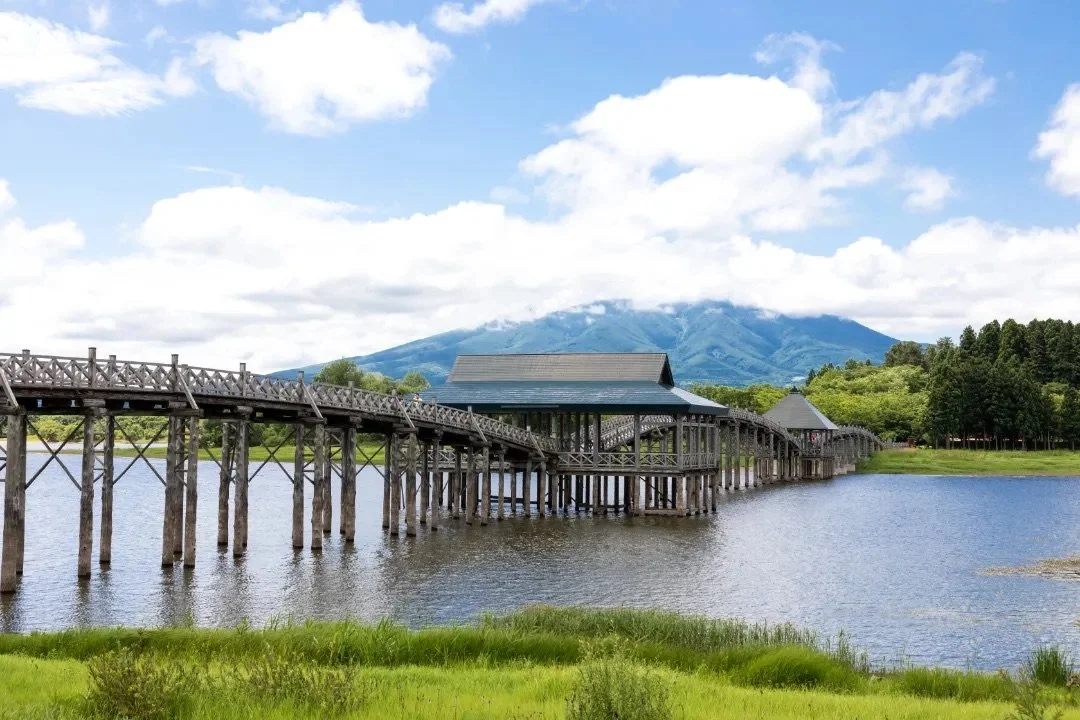
Start your day with a moment of quiet beauty at Tsuru-no-Mai Bridge, Japan’s longest wooden triple-arched bridge, gracefully spanning the serene waters of Tsugaru Fujimi Lake in Tsuruta Town, Aomori. Measuring 300 metres in length, the bridge is crafted from local Aomori cypress—renowned for its durability and natural fragrance—and constructed without the use of nails, showcasing traditional Japanese carpentry techniques.
As the morning mist lifts, Mount Iwaki—often called the "Mount Fuji of Tsugaru"—emerges in the distance, creating a breathtaking silhouette against the soft morning light. The tranquil waters below mirror the bridge’s elegant curves and surrounding landscapes, offering photographers and nature lovers a truly picture-perfect scene.
The name Tsuru-no-Mai means “dance of the crane,” inspired by local legends and the graceful movement of the bridge’s arches, which resemble a crane in flight. If you are lucky, you might spot actual Japanese red-crowned cranes, a symbol of longevity and peace, adding a poetic touch to the scenery.
(7) Inakadate Rice Field Art

Source: Japan Navi Journey
A visit to Inakadate Village offers a one-of-a-kind glimpse into rural creativity through its internationally acclaimed Rice Field Art (田んぼアート). What began as a community project in the early 1990s has grown into a seasonal phenomenon, drawing visitors from across Japan and around the world.
Each year, local farmers and volunteers come together to plant multiple varieties of rice—each with distinct colors and heights—to form massive, intricate artworks across the village’s rice paddies. These living canvases often depict historical figures, famous cultural icons, or themes from Japanese mythology and popular media. The designs are carefully planned with the aid of computer imaging and plotted with stunning precision, transforming the landscape into a vibrant, open-air gallery visible from specially constructed observation towers.
The rice art is typically at its most vivid from mid-July to early August, making it a summer highlight in Aomori Prefecture. Visitors can marvel at the scale and detail of the images while also gaining a deeper appreciation for the local agricultural traditions and strong sense of community that power this creative endeavor.
Aomori Nebuta Odyssey: An Exclusive Journey into the Heart of Japan’s Summer Festival Tour Information
About Japan Navi Journey
Japan Navi Journey is managed by Japan Navi Group, a global company originally founded in Singapore with a deep-rooted presence across Japan. Japan Navi Journey designs bespoke private tours that reveal the heart of Japan beyond the typical tourist trail. Each journey is curated to uncover lesser-known destinations, from serene countryside villages to deeply historical cultural sites—experiences that reflect the quiet richness of everyday Japan.
Tour Information
Availability period
1 to 7 August 2025
All-inclusive Package
Includes full transfers, 1-night accommodation, experiences, meals, guides and taxes for 2 days
Group booking offer
For a group of 2 pax: ¥165,000 per person
For a group of 4 pax: ¥82,500 per person
*The tour itinerary can be customised to suit your preferences. For more information, please contact Japan Navi Journey.
Tour Registration
Enjoyed reading our articles? Check out others below!


Discover the best things to do in Fukushima, from exploring the historic Tsuruga Castle and strolling through the preserved streets of Ouchi-juku to painting a lucky Akabeko and sampling Aizu's famous horse meat.