
10 Best Things to Do in Fukushima for First-Time Visitors
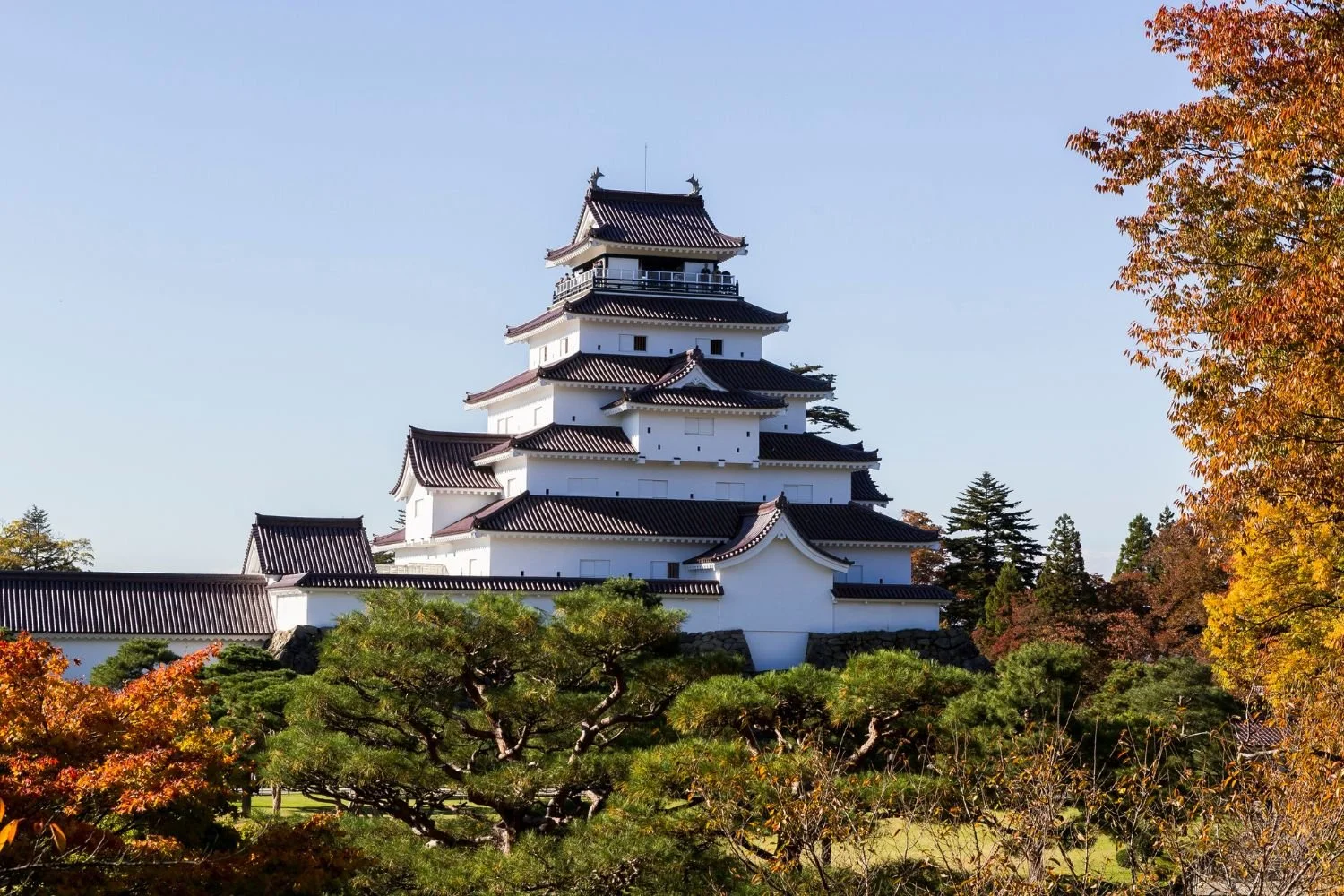
Tsuruga Castle
Source: Canva
Fukushima is one of Japan's most underrated destinations, offering a rich blend of history, culture, nature, and regional cuisine beyond the country's well-known tourist routes. Located in the Tohoku region, the prefecture is home to scenic castle towns, traditional villages, relaxing hot springs, and local specialties that provide a deeper look into Japan's heritage.
A visit to Aizu, Fukushima's historic heart, reveals many of the region's highlights—from exploring the iconic Tsuruga Castle and strolling through the preserved streets of Ouchi-juku to painting a lucky Akabeko and sampling Aizu's famous horse meat. Whether you're interested in samurai history, authentic local food, or beautiful landscapes, Fukushima offers plenty of memorable experiences for first-time visitors.
Here are 10 of the best things to do in Fukushima on your next trip.
Historic Landmarks
(1) Tsuruga Castle
(2) Ouchi-juku
(3) Sazaedo Temple & Iimoriyama
Local Culture
(4) Akabeko Land
(5) Traditional Aizu Crafts & Historic Streets
Local Cuisine & Sake
(6) Aizu's Famous Horse Meat (Basashi)
(7) Kitakata Ramen & Traditional Aizu Cuisine
(8) Fukushima Sake Brewery
Nature
(9) Higashiyama Onsen
(10) Goshikinuma Ponds and Mount Bandai
Historic Landmarks
(1) Tsuruga Castle
Source: Japan Navi Journey
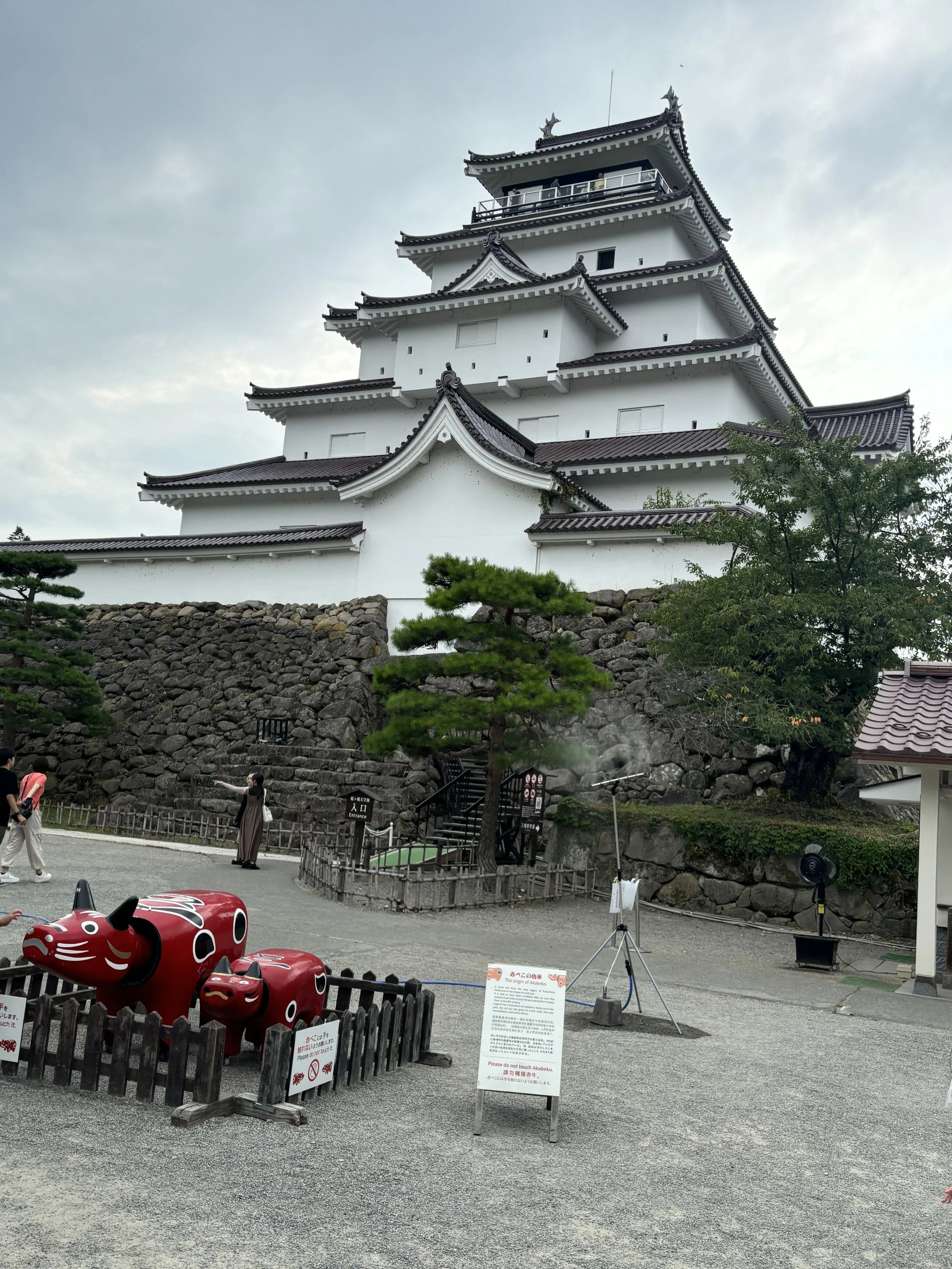
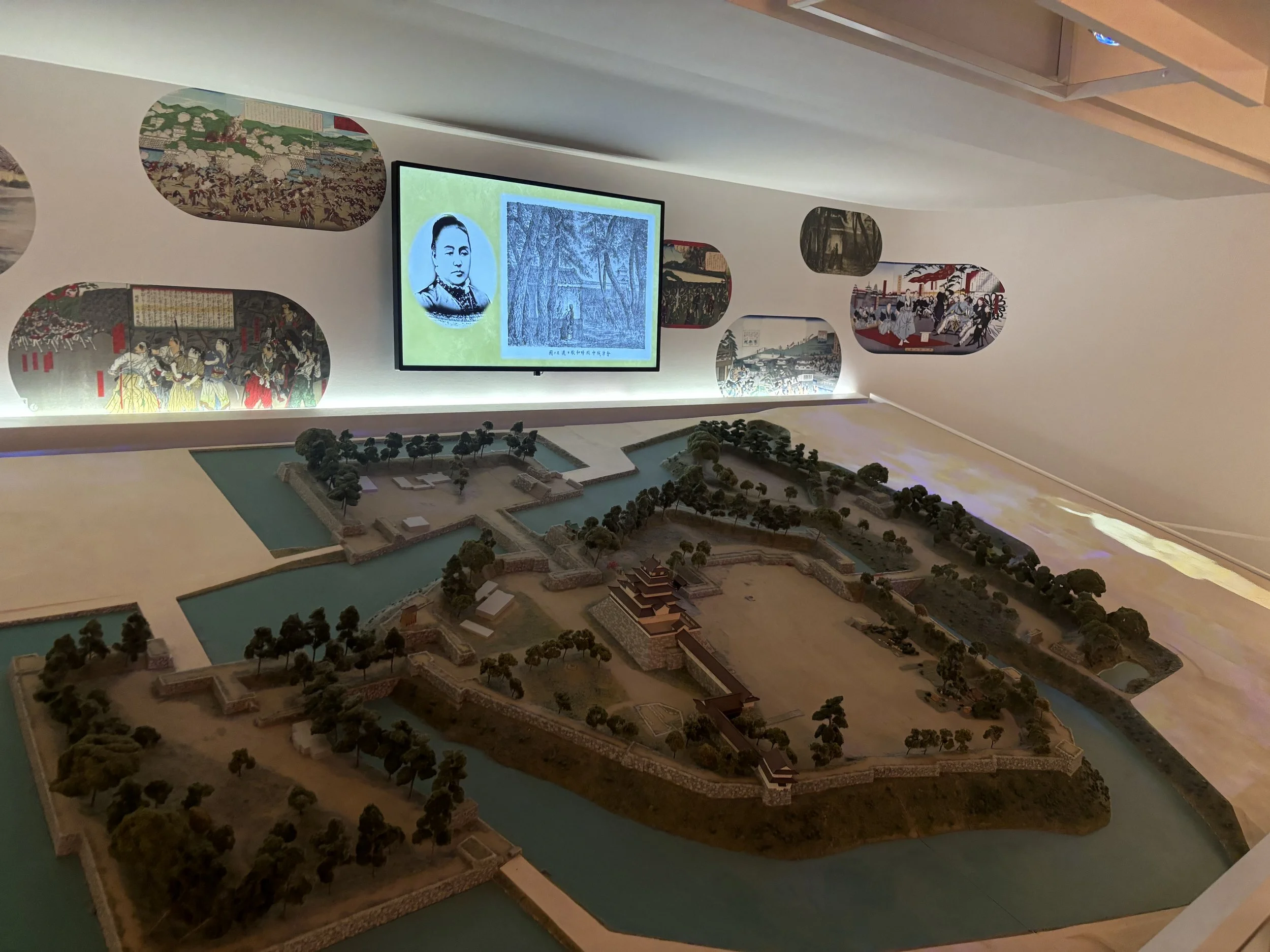
Standing proudly in the heart of Aizu-Wakamatsu, Tsuruga Castle is one of Fukushima's most iconic landmarks and a symbol of the region's samurai heritage. Originally built in the 14th century, the castle played a significant role during the Boshin War, when the Aizu domain fiercely defended it during the final years of the samurai era. Today, the reconstructed castle houses a museum where visitors can learn about Aizu's history through exhibits on samurai culture, local traditions, and the castle's role in shaping the region.
Source: Japan Navi Journey
The castle grounds are equally rewarding to explore throughout the year. Spring transforms the surrounding park into one of Fukushima's most popular cherry blossom viewing spots, while autumn brings vibrant foliage that beautifully frames the castle's distinctive red-tiled roof—one of the few of its kind in Japan. Before leaving, stop by the traditional tea house within the grounds to enjoy a bowl of matcha and Japanese sweets while soaking in the peaceful surroundings.
Location: 1-1 Otemachi, Aizuwakamatsu, Fukushima 965-0873, Japan
Opening hours: 8:30am - 5pm daily
Ticket Information
Instagram | Facebook | Website
(2) Ouchi-juku
Source: Japan Navi Journey
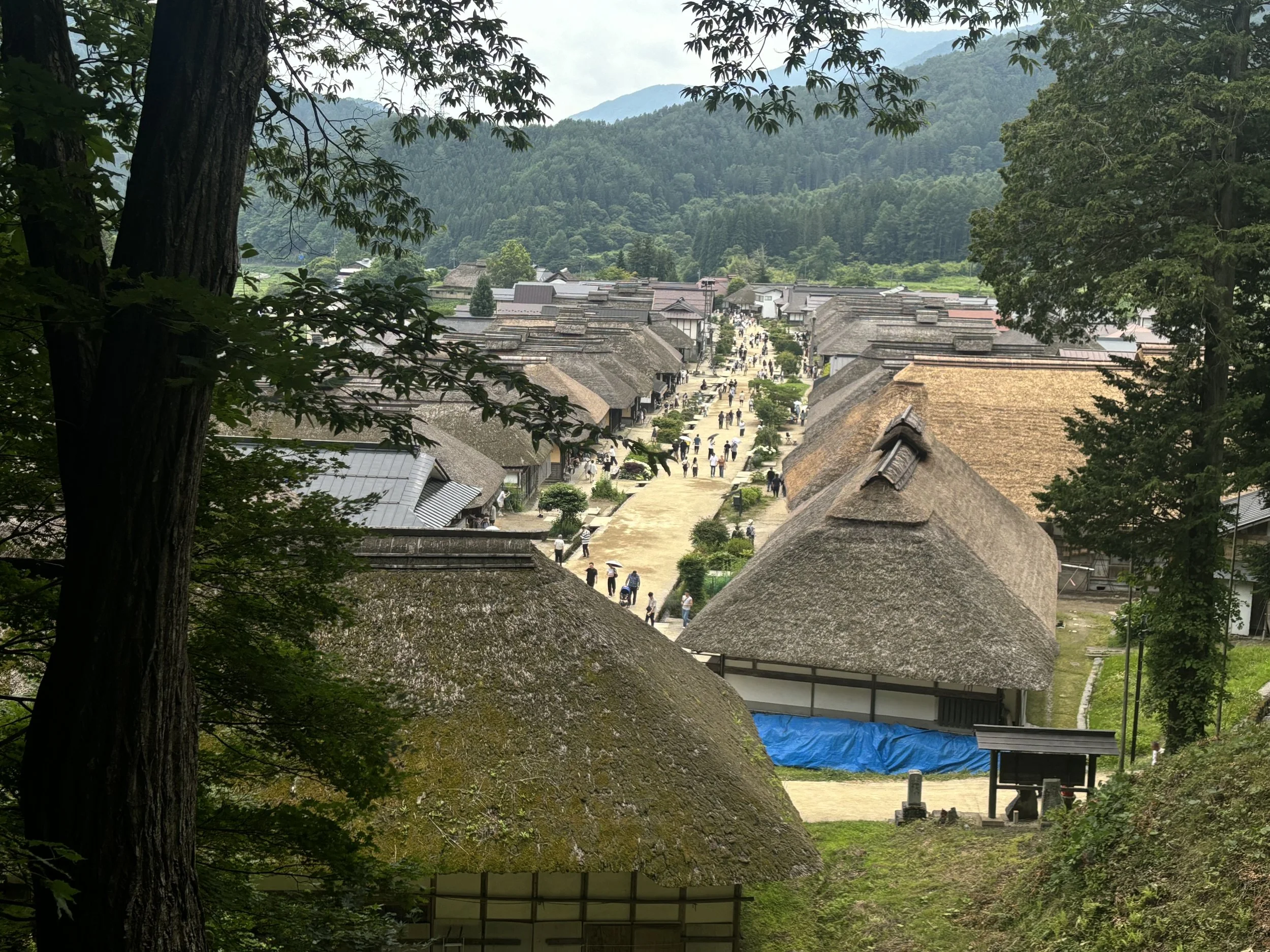
Nestled in the mountains of southern Fukushima, Ouchi-juku is one of Japan's best-preserved Edo-period post towns. Once an important stop along the trade route connecting Aizu with Nikko, the village has retained its charming streets lined with traditional thatched-roof houses, offering visitors a rare glimpse into Japan's past.
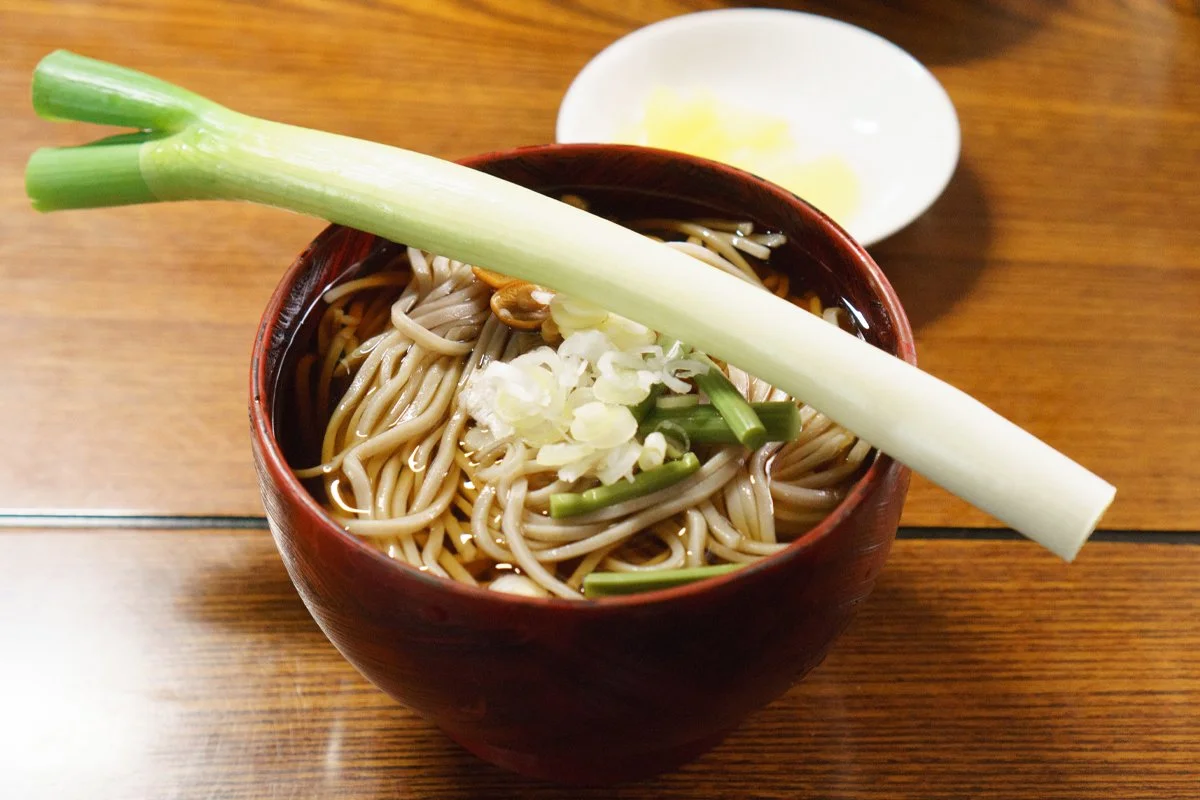
Negi Soba
Source: Shockin’ Japan
Many of the historic buildings have been transformed into restaurants, cafés, souvenir shops, and family-run inns, allowing visitors to experience the town while supporting local businesses. One of the village's most famous specialties is Negi Soba, served with a long green onion instead of chopsticks—a fun and memorable dining experience unique to Ouchi-juku. After exploring the main street, take the short walk up to the observation deck for a panoramic view of the village, especially beautiful during winter when the rooftops are blanketed in snow.
Location: Ouchi, Shimogo, Minamiaizu District, Fukushima 969-5207, Japan
Opening hours: 8:30am - 5pm
Website
(3) Sazaedo Temple & Iimoriyama
Source: Fukushima Travel
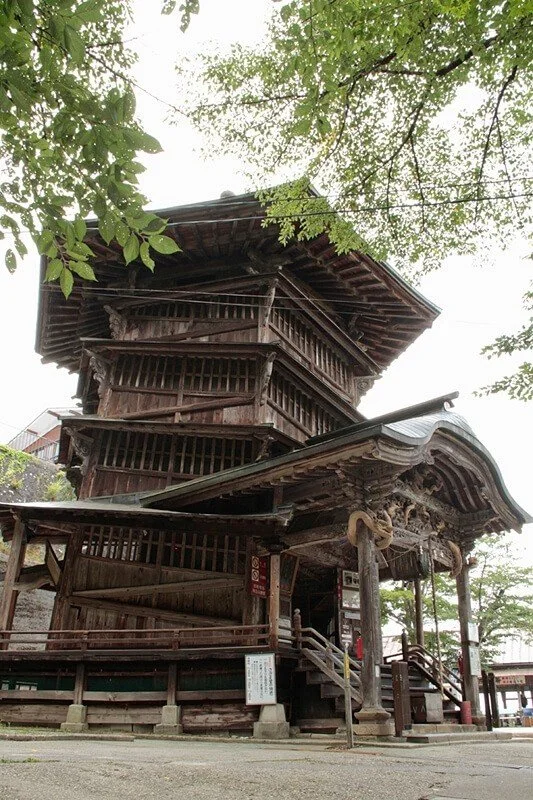
Just a short distance from Tsuruga Castle, Sazaedo Temple and Iimoriyama offer a fascinating insight into Aizu's spiritual and samurai heritage. Built in 1796, Sazaedo is renowned for its rare double-helix wooden structure, allowing visitors to ascend and descend the temple without ever crossing paths. This ingenious architectural design is unique in Japan and has earned the building designation as an Important Cultural Property.
Source: Japan Navi Journey
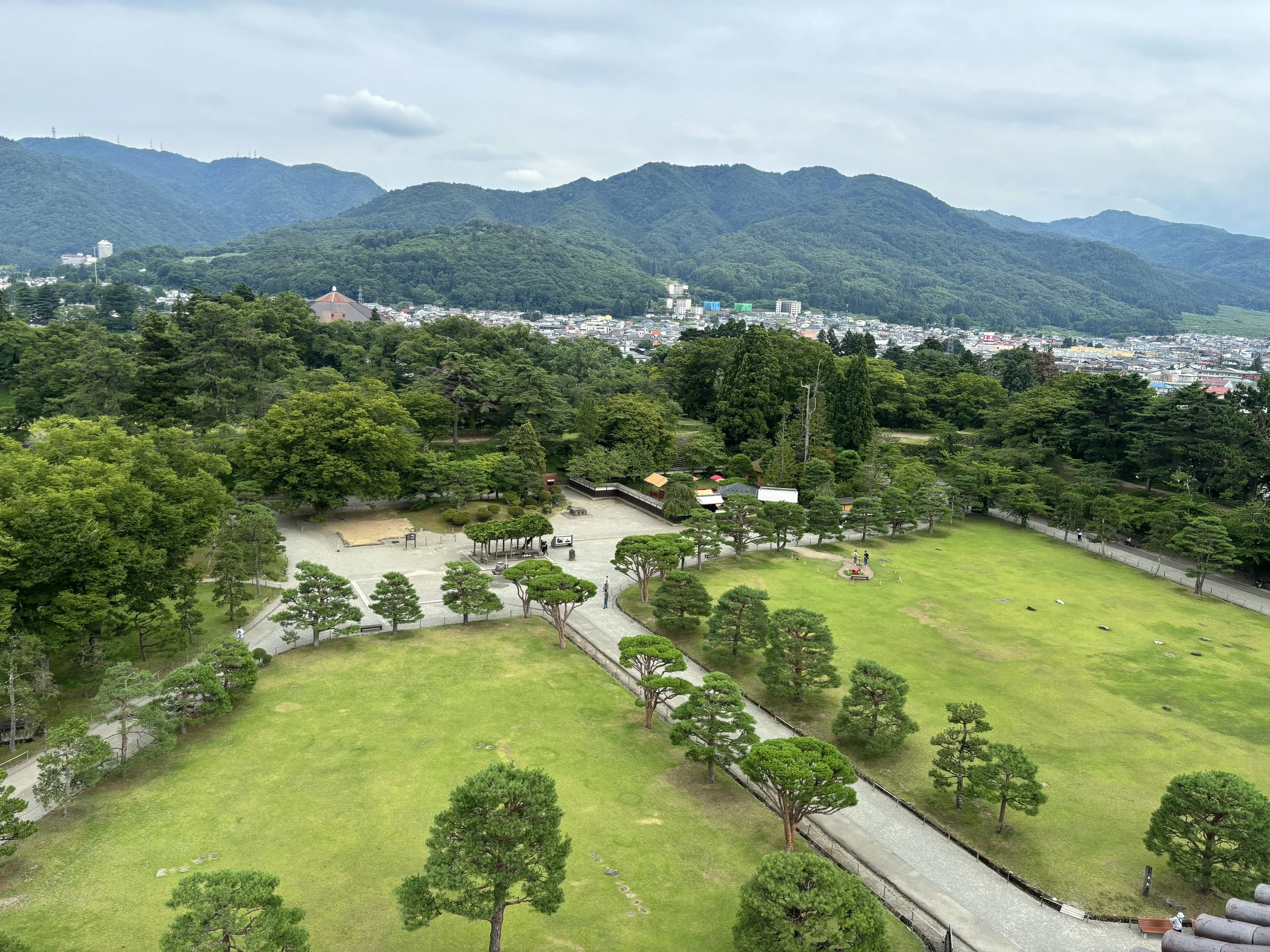
A short walk away is Iimoriyama, a historic hill closely associated with the tragic story of the Byakkotai, a group of teenage samurai who took their own lives after mistakenly believing Aizu Castle had fallen during the Boshin War. Today, the hill features memorials dedicated to the young warriors and offers sweeping views over Aizu-Wakamatsu, making it both a place of reflection and one of the city's best viewpoints.
Location: Bentenshita-1404 Itsukimachi Oaza Yahata, Aizuwakamatsu, Fukushima 965-0003, Japan
Opening hours: 8:15am - 5pm daily
Website
Local Culture
(4) Akabeko Land
Source: Japan Navi Journey
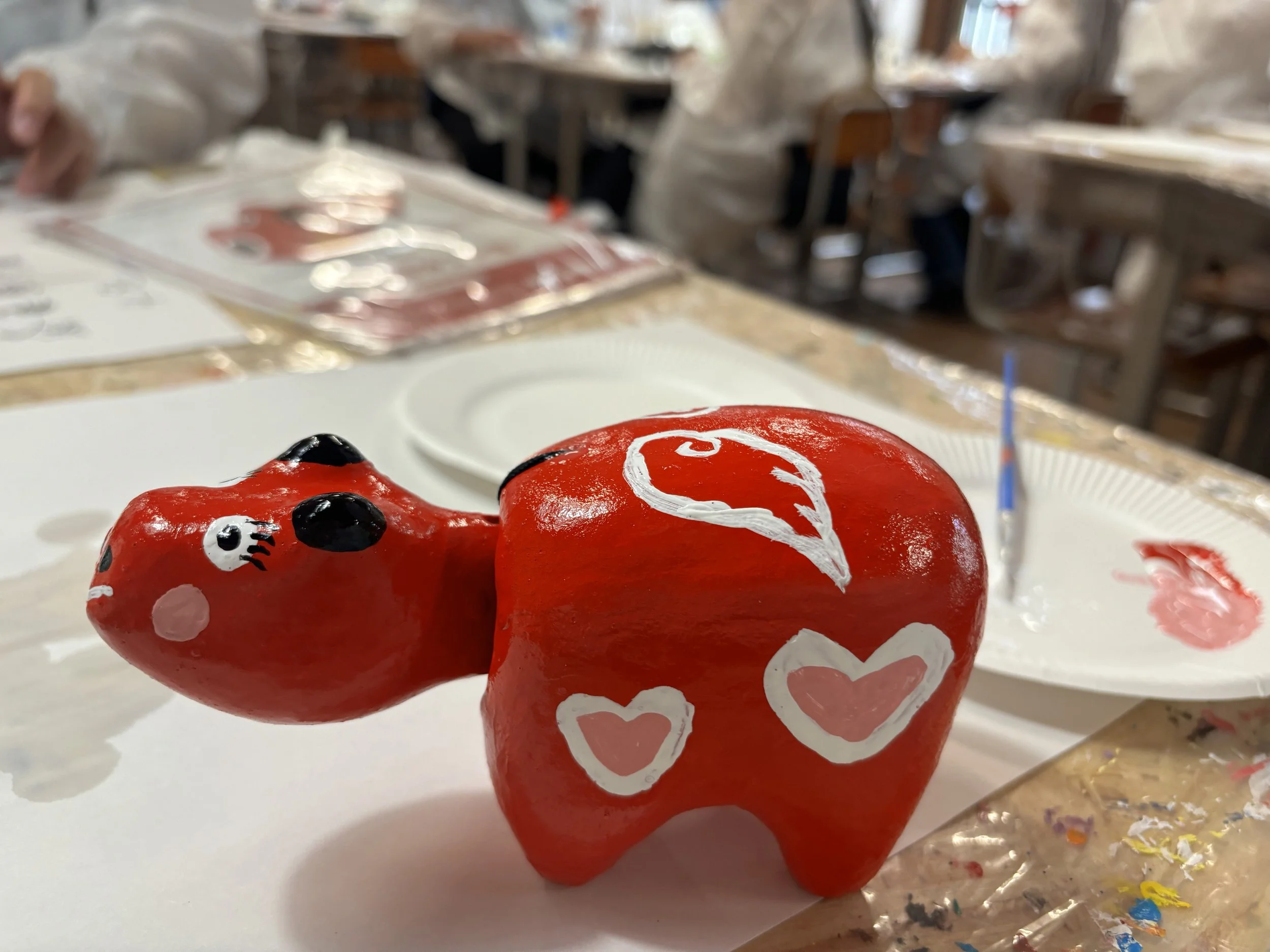
No trip to Aizu is complete without meeting Akabeko, Fukushima's beloved red cow mascot believed to bring good luck, good health, and perseverance. According to local legend, the red cow helped transport materials during the construction of a historic temple, eventually becoming a cherished symbol of the region.
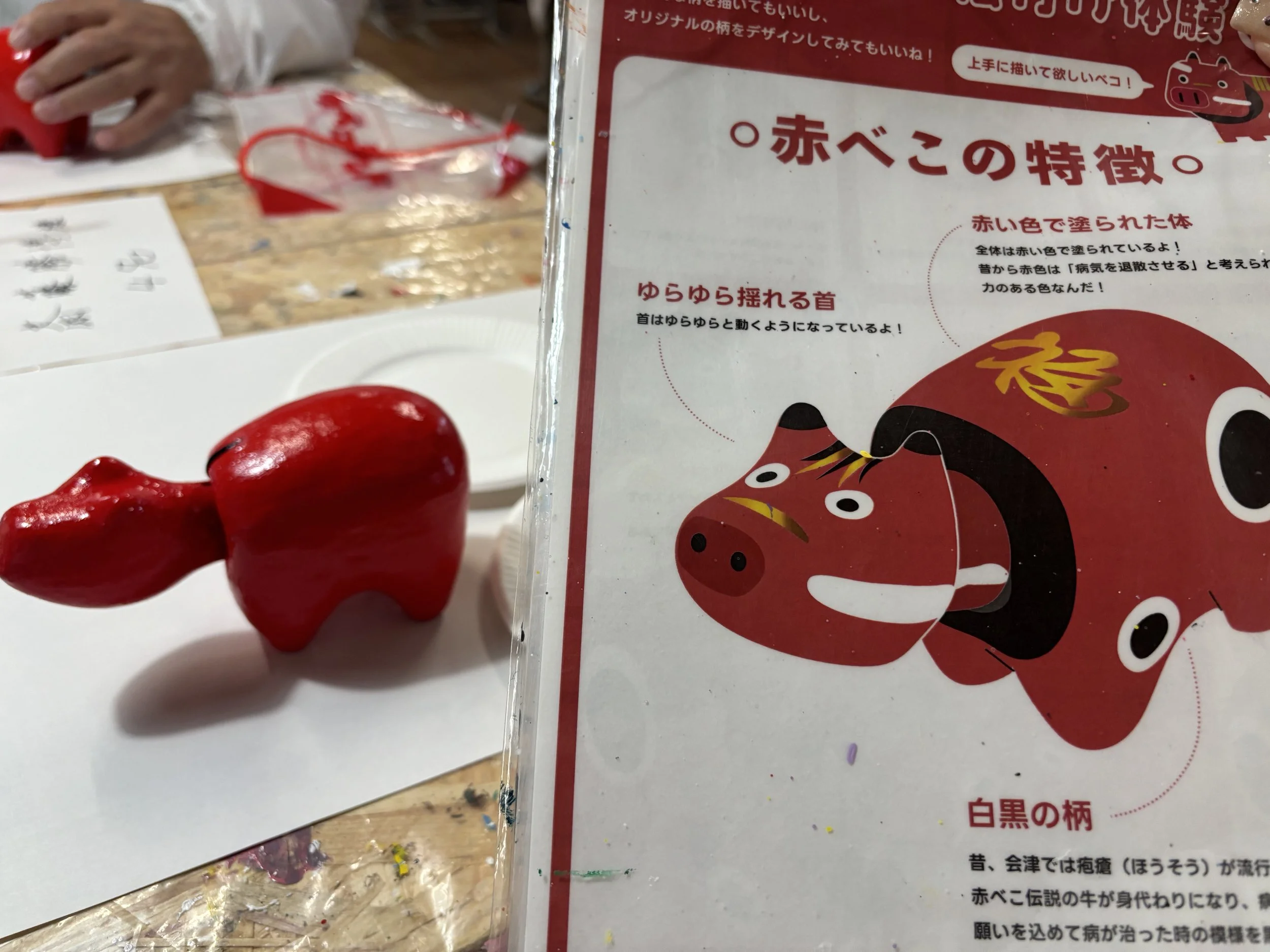
At Akabeko Land, visitors of all ages can learn about the history of this iconic folk craft before joining a hands-on painting workshop. Using a plain red Akabeko figurine as a canvas, participants can decorate their own Akabeko with unique colours and patterns to take home as a meaningful souvenir. The facility also features exhibits showcasing different styles of Akabeko and a shop filled with exclusive merchandise, making it a fun stop for families and anyone interested in Japanese folk culture.
Location: Bentenshita-12 Itsukimachi Oaza Yahata, Aizuwakamatsu, Fukushima 965-0003, Japan
Opening hours: 10:00am - 5:00pm daily
(5) Traditional Aizu Crafts & Historic Streets
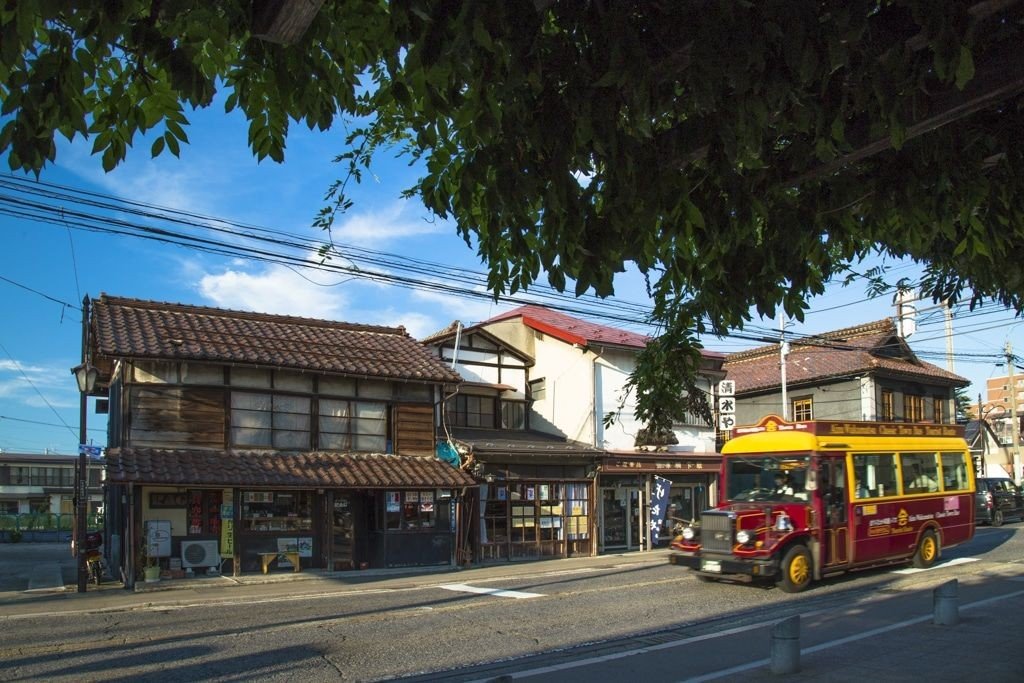
Nanokamachi-dori Street
Source: Fukushima Travel
Aizu has long been celebrated for its skilled artisans, many of whom continue to preserve centuries-old craftsmanship today. Begin your cultural journey along Nanokamachi-dori Street, a charming historic district lined with traditional merchant houses that now house cafés, craft boutiques, sake shops, and local specialty stores. It's the perfect place to enjoy a slower pace while discovering everyday life in Aizu.

Aizu Urushi laquerware
Source: Fukushima Travel
Beyond shopping, visitors can participate in hands-on workshops to experience traditional crafts firsthand. Try painting Aizu painted candles, admired for their colourful floral designs, or learn about the intricate techniques behind Aizu Urushi lacquerware, one of Japan's most respected lacquer traditions. Those interested in ceramics can also explore nearby Hongo ware, one of the oldest pottery traditions in the Tohoku region. These experiences offer a deeper appreciation of Aizu's cultural heritage while providing unique souvenirs that reflect the region's enduring craftsmanship.
Location: Nanoka-machi 7-36, Nanokamachi, Aizu-Wakamatsu City, Fukushima 965-0044 Japan
(6) Horse Meat (Basashi)
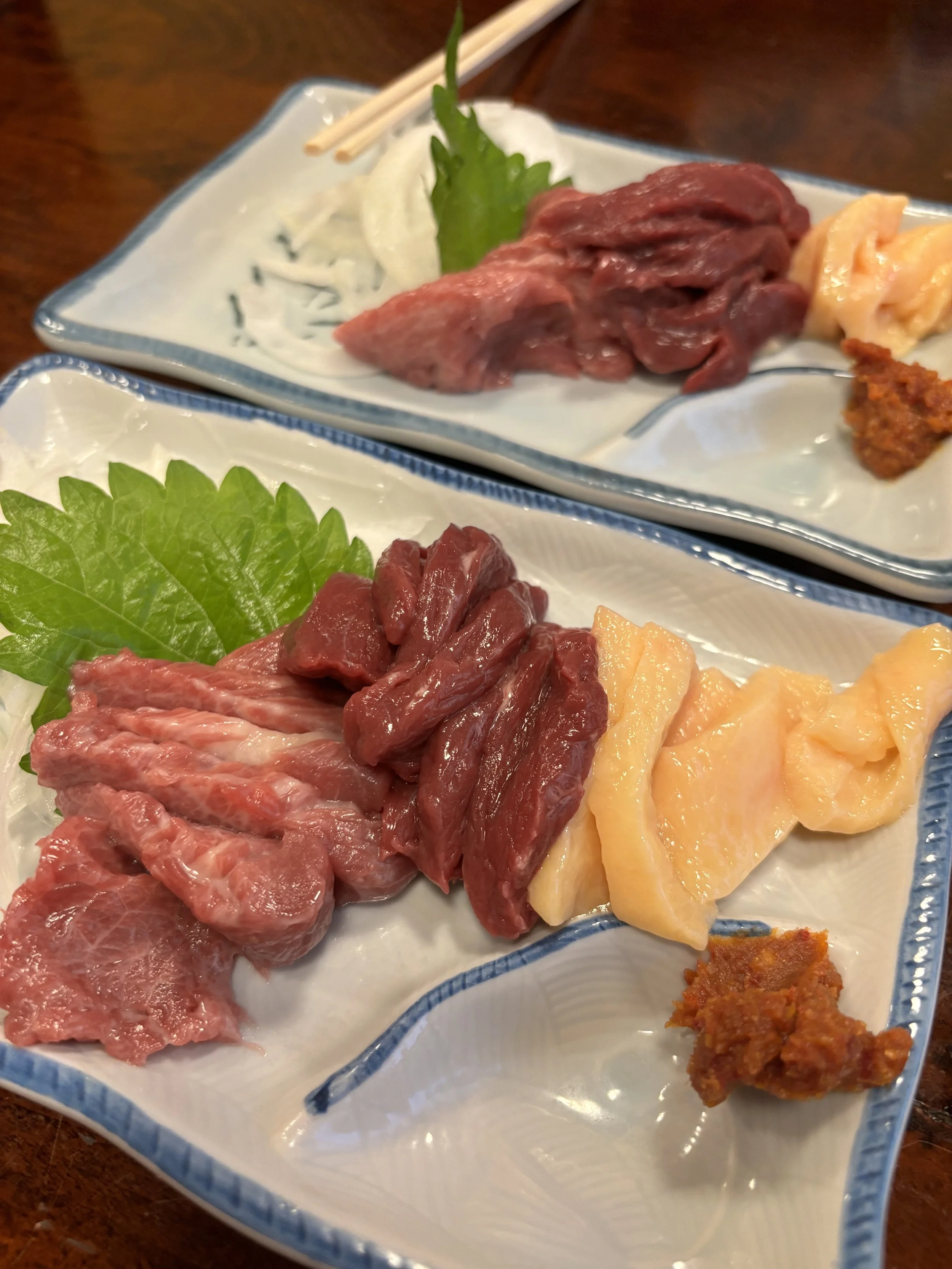
Source: Japan Navi Journey
While it may surprise first-time visitors, horse meat, known as basashi, is one of Aizu's most celebrated local specialties. Introduced to the region centuries ago, horse meat became an important source of protein during the harsh winters when fresh seafood was difficult to obtain. Today, it remains a beloved part of Aizu's culinary heritage and is enjoyed by locals and adventurous travelers alike.
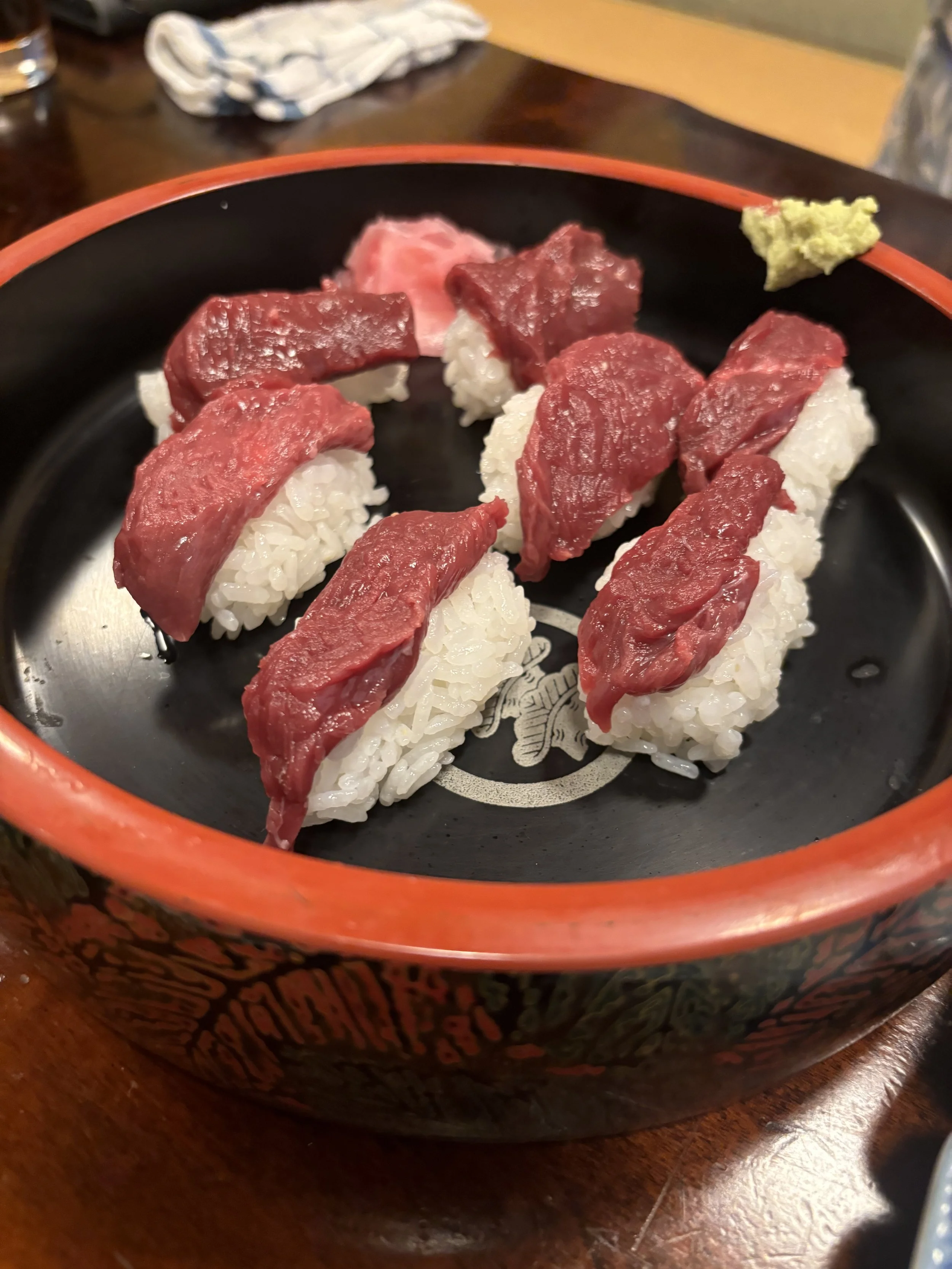
Basashi is typically served thinly sliced as sashimi, accompanied by soy sauce, grated garlic, or spicy miso. The meat is lean, tender, and milder in flavour than many first-time visitors expect. Some restaurants also serve horse meat as sushi, grilled over charcoal, or in hot pot dishes, offering different ways to experience this regional delicacy.
(7) Kitakata Ramen & Traditional Aizu Cuisine
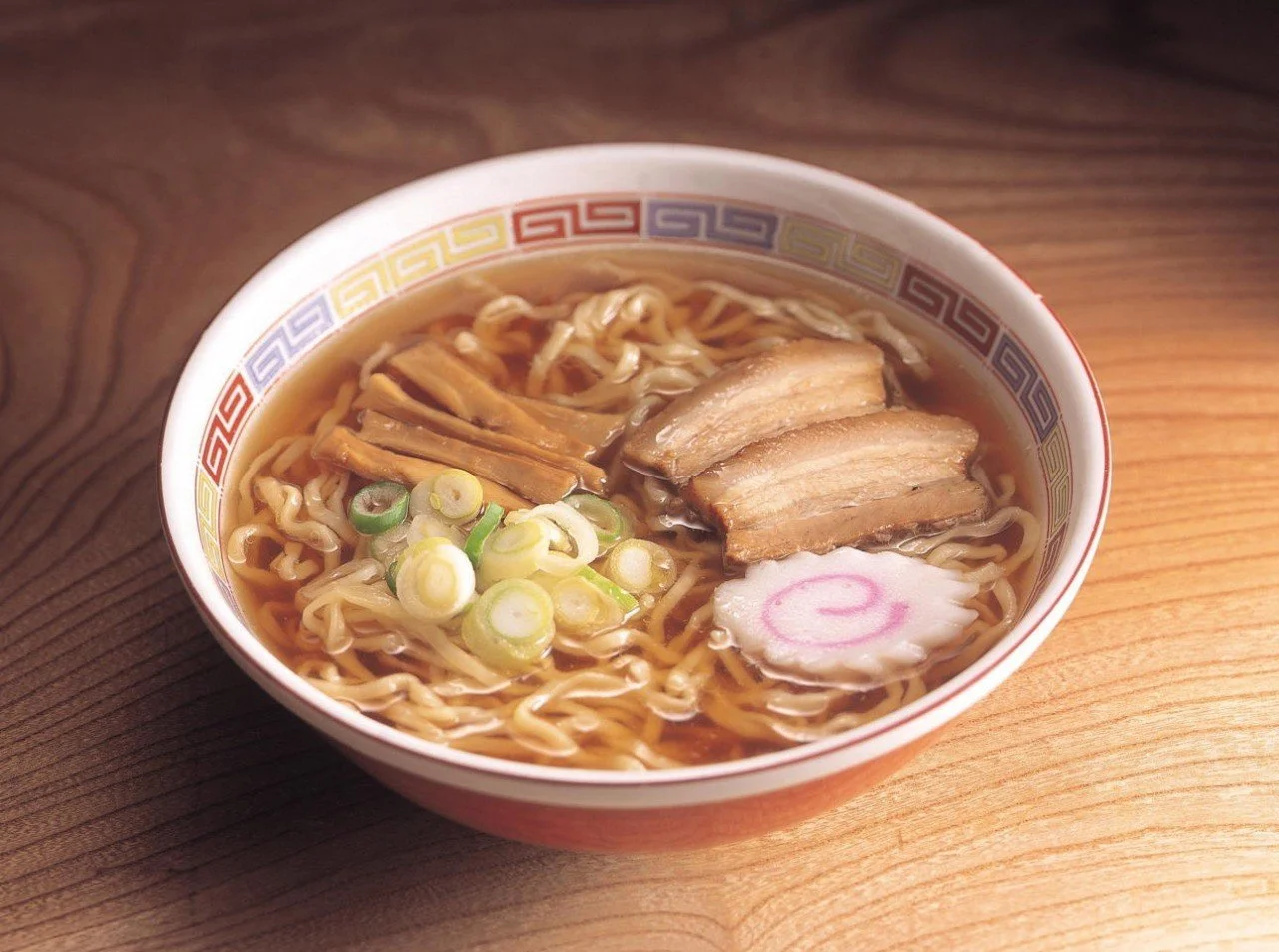
Explore Fukushima’s diverse local food scene, starting with Kitakata Ramen, one of Japan's Three Great Ramen styles, famous for its thick, curly noodles and clear soy sauce-based broth. The city of Kitakata is home to more than a hundred ramen shops, with many opening as early as the morning, making "morning ramen" a unique local tradition.
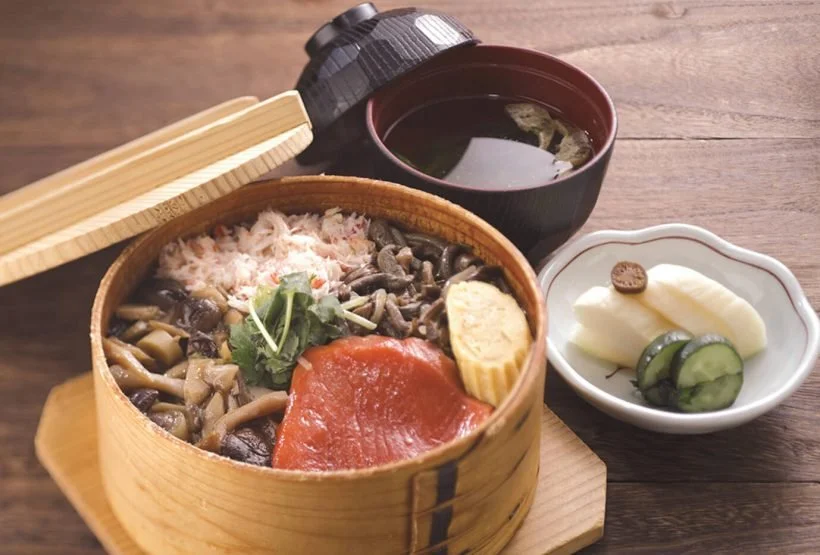
Wappa Meshi
Source: Savor Japan
Beyond ramen, Aizu offers a variety of comforting dishes that reflect the region's history and climate. Try kozuyu, a traditional soup often served during celebrations, or wappa meshi, steamed rice topped with seasonal ingredients and served in a cedar wood container. Other local favourites include sauce katsudon, featuring a crispy pork cutlet coated in a sweet and savoury sauce, and dengaku, grilled tofu or konjac brushed with miso. Together, these dishes offer an authentic taste of Fukushima's culinary heritage.
(8) Fukushima Sake Brewery
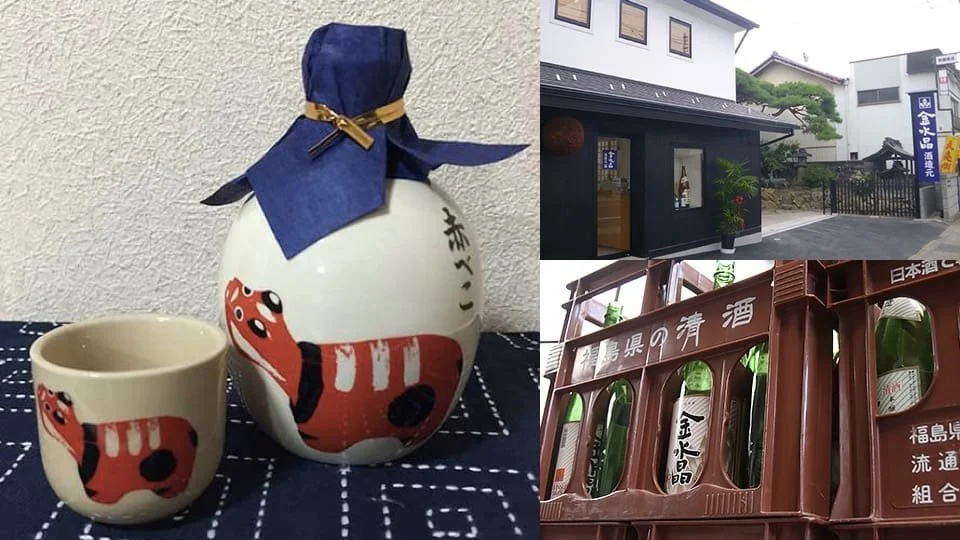
Kinsuicho Sake Brewery
Source: Sake International Association
Fukushima has earned a reputation as one of Japan's leading sake-producing regions, thanks to its pure mountain water, high-quality rice, and generations of skilled brewers. The prefecture has received numerous national and international awards, making it a must-visit destination for sake enthusiasts.
Around Aizu-Wakamatsu and the surrounding region, several historic breweries welcome visitors for guided tours and tastings. Learn about the traditional brewing process, from polishing rice and fermentation to bottling, before sampling a range of sake styles, from crisp and refreshing to rich and full-bodied. Many breweries also sell limited-edition labels and seasonal releases that make excellent souvenirs to bring home.
Nature
(9) Higashiyama Onsen
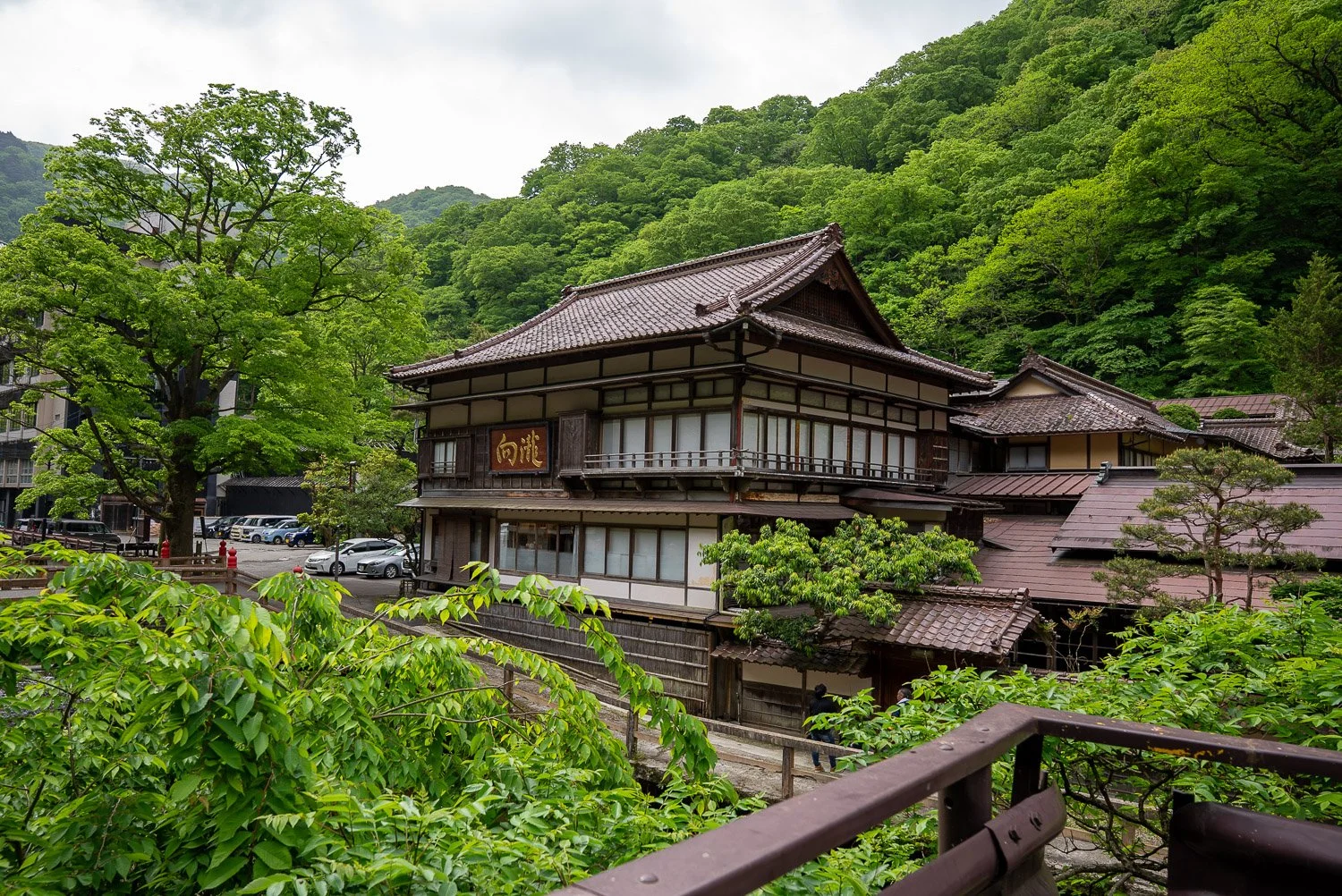
Higashiyama Onsen
Source: Fukushima Travel
Located just outside Aizu-Wakamatsu, Higashiyama Onsen has welcomed visitors for more than 1,300 years. Surrounded by forested hills and a peaceful river, this charming hot spring town offers the perfect retreat after a day of sightseeing. Traditional ryokan line the riverbanks, many featuring open-air baths that overlook the natural surroundings.
Beyond soaking in the mineral-rich waters, staying overnight allows visitors to experience Japanese hospitality at its finest. Many ryokan serve beautifully prepared kaiseki dinners showcasing seasonal ingredients from Fukushima, while the tranquil atmosphere makes it easy to unwind. Whether visiting in spring, autumn, or winter, Higashiyama Onsen provides a relaxing escape that complements Aizu's historic attractions.
Location: 110 Yumoto, Takinoyu Higashiyama-machi Aizu-Wakamatsu City, Fukushima 965-0814 Japan
Website
(10) Goshikinuma Ponds and Mount Bandai
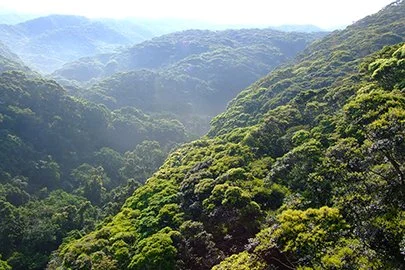
Goshikinuma Ponds
Source: Fukushima Travel
Nature lovers will find plenty to explore in Fukushima, with Goshikinuma Ponds and Mount Bandai among the region's most spectacular outdoor destinations. Located within Bandai-Asahi National Park, Goshikinuma, or the "Five-Coloured Ponds," is famous for its vibrant lakes that shimmer in shades of emerald, turquoise, cobalt blue, and emerald green. The colours change depending on the weather, sunlight, and mineral content of the water, creating a different view throughout the day.
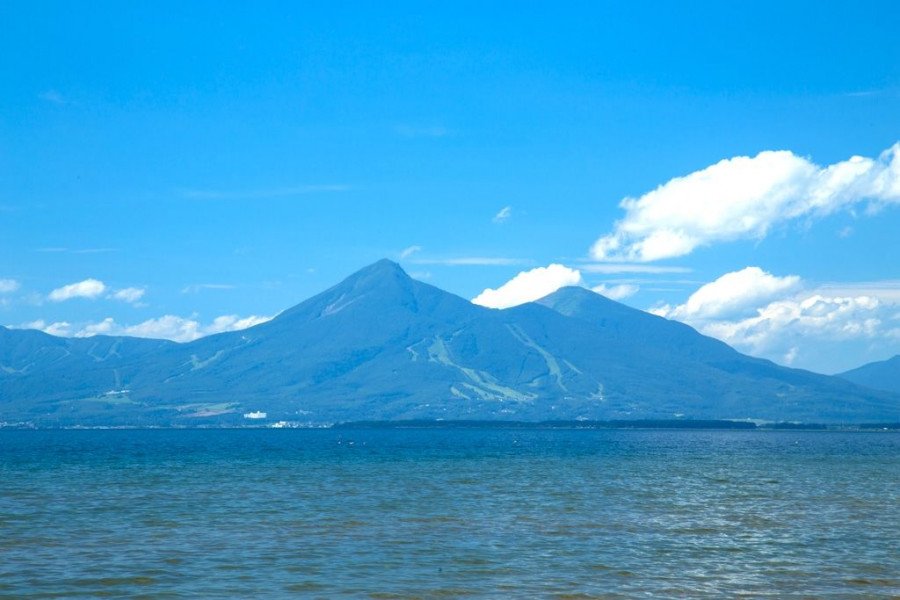
Mount Bandai
Source: Fukushima Travel
Nearby, Mount Bandai offers year-round outdoor adventures. During the warmer months, visitors can enjoy scenic hiking trails and panoramic views over the surrounding lakes and mountains. In winter, the area transforms into a popular destination for skiing and snowboarding. Together, these natural attractions showcase another side of Fukushima beyond its rich history and culture, making them a worthwhile addition to any itinerary.
Location: 1093 Ken-ga-mine, Hibara, Kita-Shiobara Village, Yama County, Fukushima, 969-2701
Website
Start Exploring Fukushima
Whether you're walking through an Edo-period village, discovering Aizu's samurai heritage, relaxing in a centuries-old onsen, or enjoying regional specialties like Kitakata ramen and basashi, Fukushima offers experiences that are both authentic and memorable. Rich in history, culture, and natural beauty, the prefecture is an ideal destination for travelers seeking to explore beyond Japan's Golden Route (Tokyo, Kyoto, Osaka) .
If you're planning a trip to the Tohoku region, be sure to include Fukushima on your itinerary—you may just discover one of Japan's most rewarding hidden gems.
Enjoyed reading our articles? Check out others below!


Japan’s convenience stores offer far more than quick snacks, with each of the big 3 chains having its own signature foods and seasonal favourites. Discover what to buy at 7-Eleven, Lawson and FamilyMart on your next Japan trip.