
From Kyoto To Tokyo: How And Where To Enjoy An Authentic Japanese Tea Ceremony
Source: Mizuba Tea Co
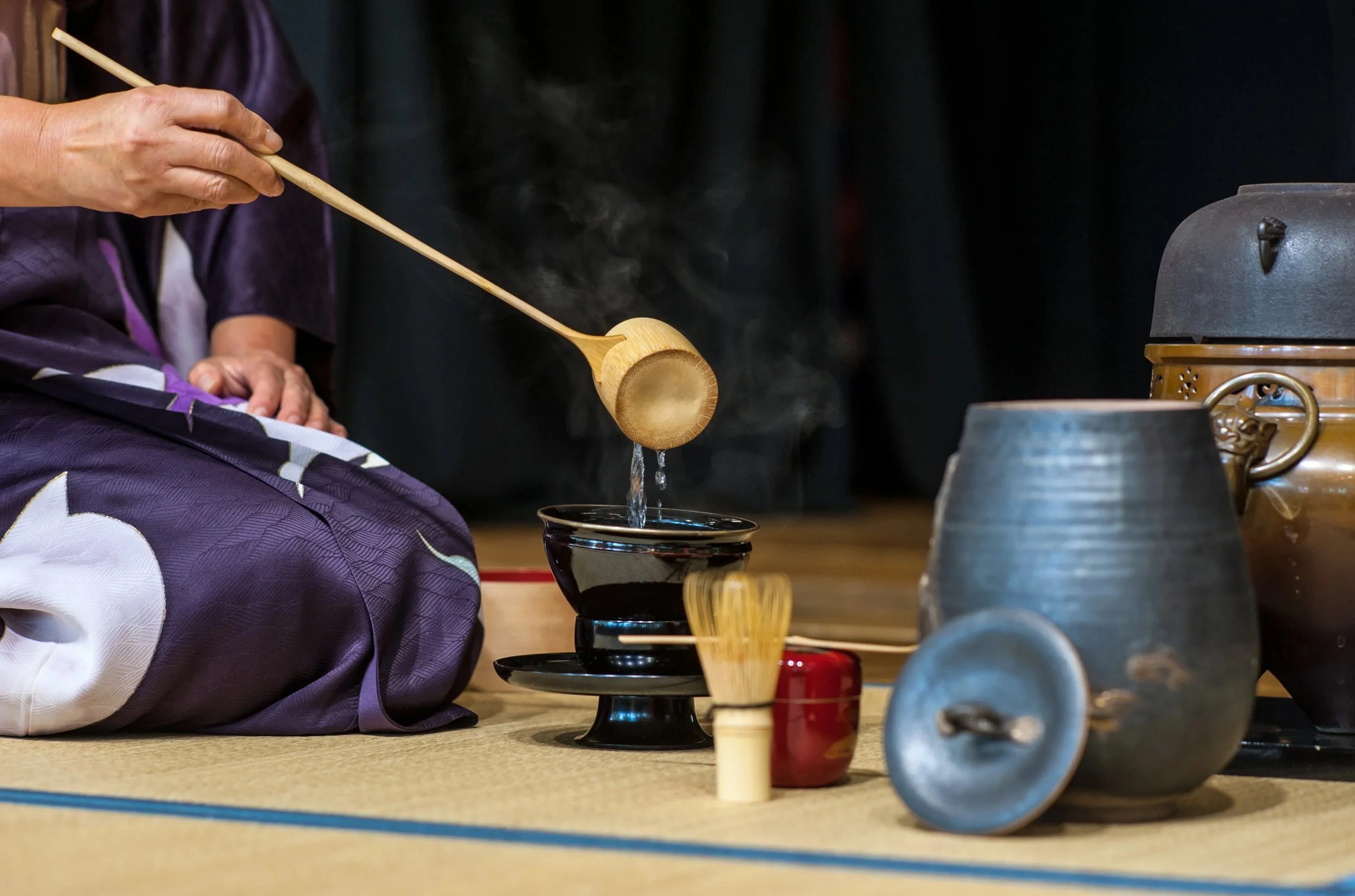
For tea enthusiasts and those aspiring to become tea connoisseurs, here's what the Japanese Tea Ceremony is truly all about. The Japanese tea ceremony, or chanoyu (茶の湯), is a cultural art form that embodies harmony, respect, purity, and tranquility. Rooted in Zen Buddhism, this refined ritual involves the preparation and presentation of matcha (powdered green tea) in a highly aesthetic manner. Whether you are a casual enjoyer of tea or a curious traveller, experiencing the Japanese tea ceremony offers a profound glimpse into Japan’s rich culture.
The Philosophy Behind the Tea Ceremony
At the heart of the tea ceremony lies the principles of harmony (和), respect (敬), purity (清), and tranquility (寂). These ideals guide every aspect of the ritual, from the preparation of the tea to the interaction between the host and guests. The tea ceremony is not merely about drinking tea but about cultivating mindfulness and appreciating simplicity and impermanence. There is a strong emphasis on being present in the moment (ichi-go ichi-e, "once-in-a-lifetime encounter"), to savour the tea in the moment.
The Role of Matcha
Source: Matcha Outlet
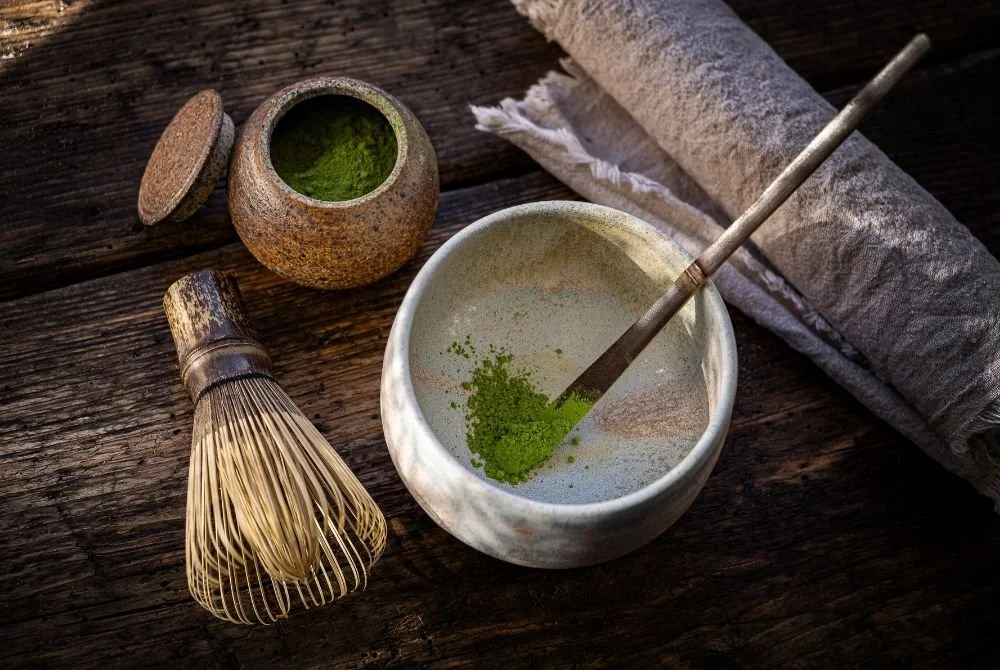
Matcha, finely ground powdered green tea, is the central element of the Japanese tea ceremony. Its vibrant colour, creamy texture, and rich umami flavor make it a symbol of refinement. Matcha is whisked to perfection in a bowl, creating a smooth, frothy texture. High-quality matcha is selected for its vibrant green hue and delicate flavor.
The Tea Room (Chashitsu)
Source: Japanese Patterns of Design
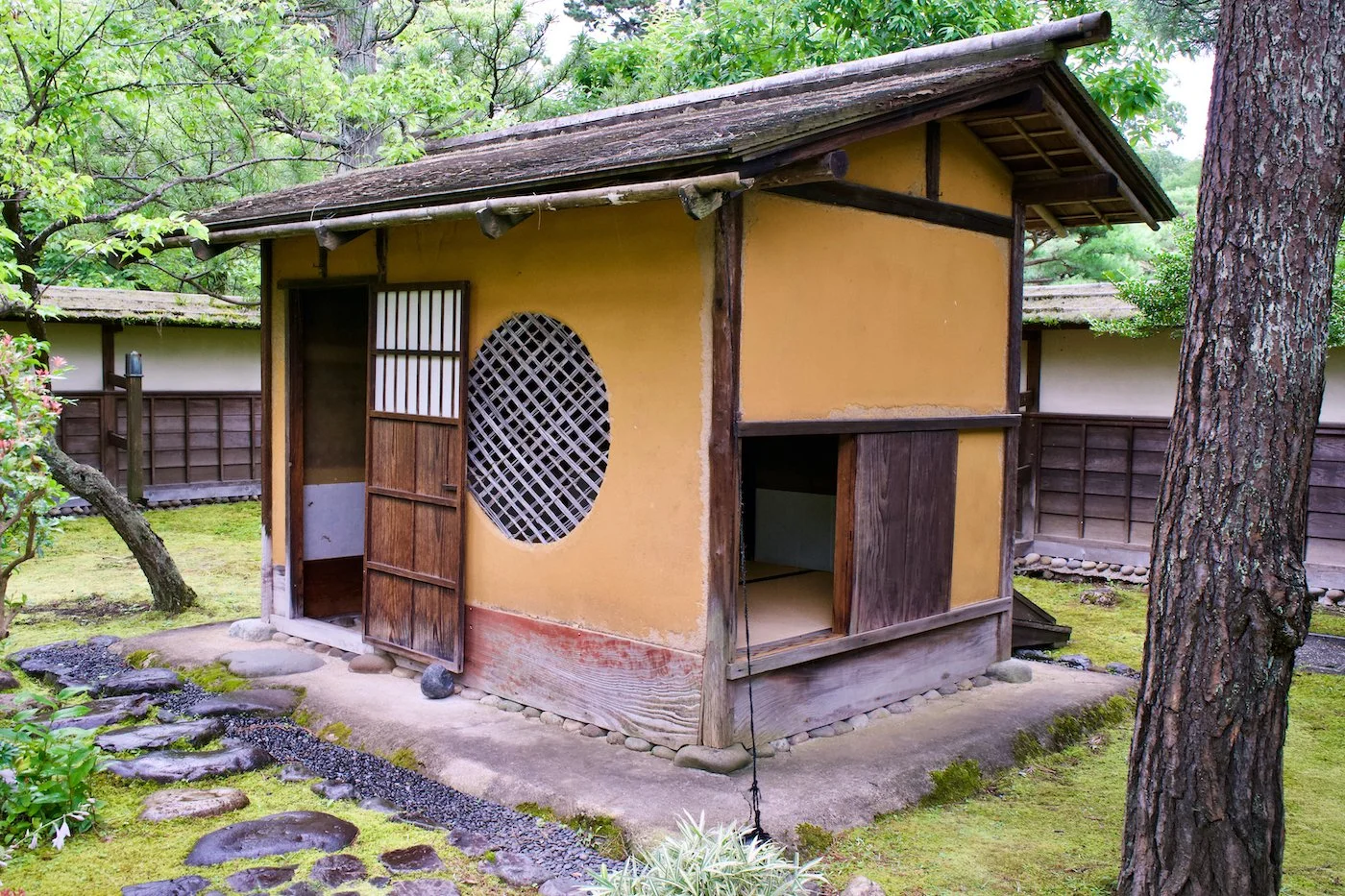
The tea room, or chashitsu, is a sacred space designed for the tea ceremony. Its simplicity and minimalism reflect the Zen aesthetic. The entrance is often small, requiring guests to bow as they enter, symbolising humility. The alcove (tokonoma) displays a hanging scroll or flower arrangement that sets the tone for the ceremony.
Utensils used in the Ceremony

Source: Japan Objects
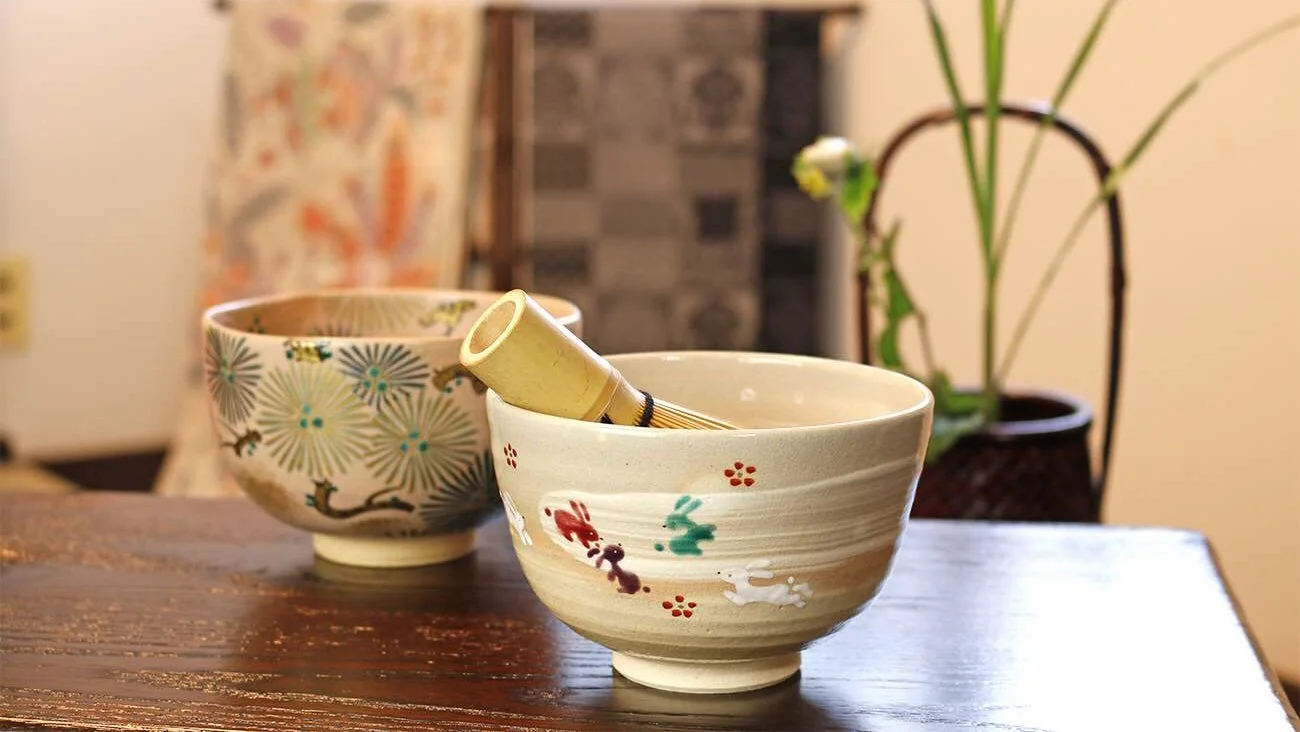
Every utensil used in the Japanese tea ceremony, known collectively as chadōgu, is thoughtfully selected for both its beauty and purpose. Each item plays a vital role in the ritual, contributing to the overall harmony and flow of the experience. The chawan (茶碗) is the tea bowl used for whisking and serving matcha; the chasen (茶筅) is a bamboo whisk that blends the matcha into a smooth, frothy consistency; and the chashaku (茶杓) is a slender bamboo scoop used to measure the right amount of matcha powder. Together, these utensils embody the spirit of precision and mindfulness central to the tea ceremony.
The Ritual Process
Source: The Invisible Tourist
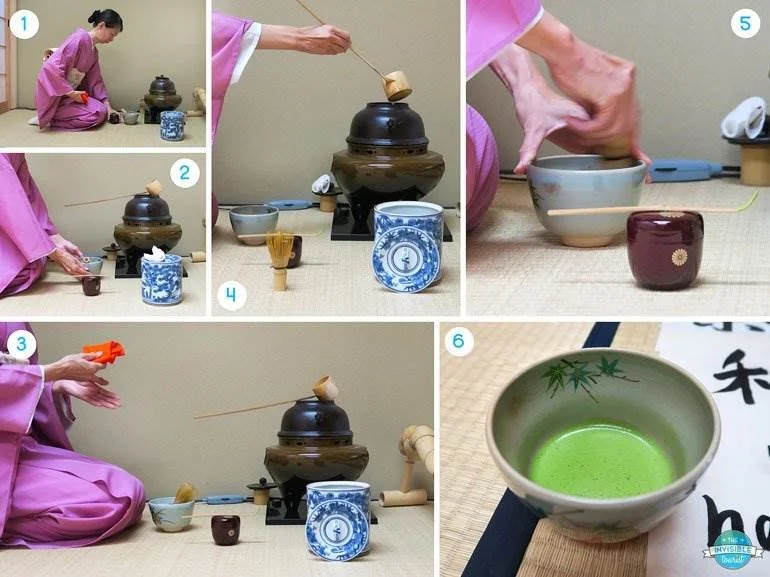
The Japanese tea ceremony follows a carefully choreographed process that highlights mindfulness, respect, and grace. While the details may vary depending on the type of tea, koicha (rich matcha tea) or usucha (weak matcha tea), and the occasion, the core elements remain rooted in ritual. Guests begin by purifying themselves at a stone basin before entering the tea room, symbolising a physical and spiritual cleansing. Inside, the host cleans each tea utensil with deliberate, graceful movements, setting the tone for the ceremony. The matcha is then prepared with precision and served to each guest with quiet attentiveness, reflecting the deep sense of hospitality and intention that defines the tradition.
Seasonal Variations in the Ceremony
Source: Bentoya Cooking
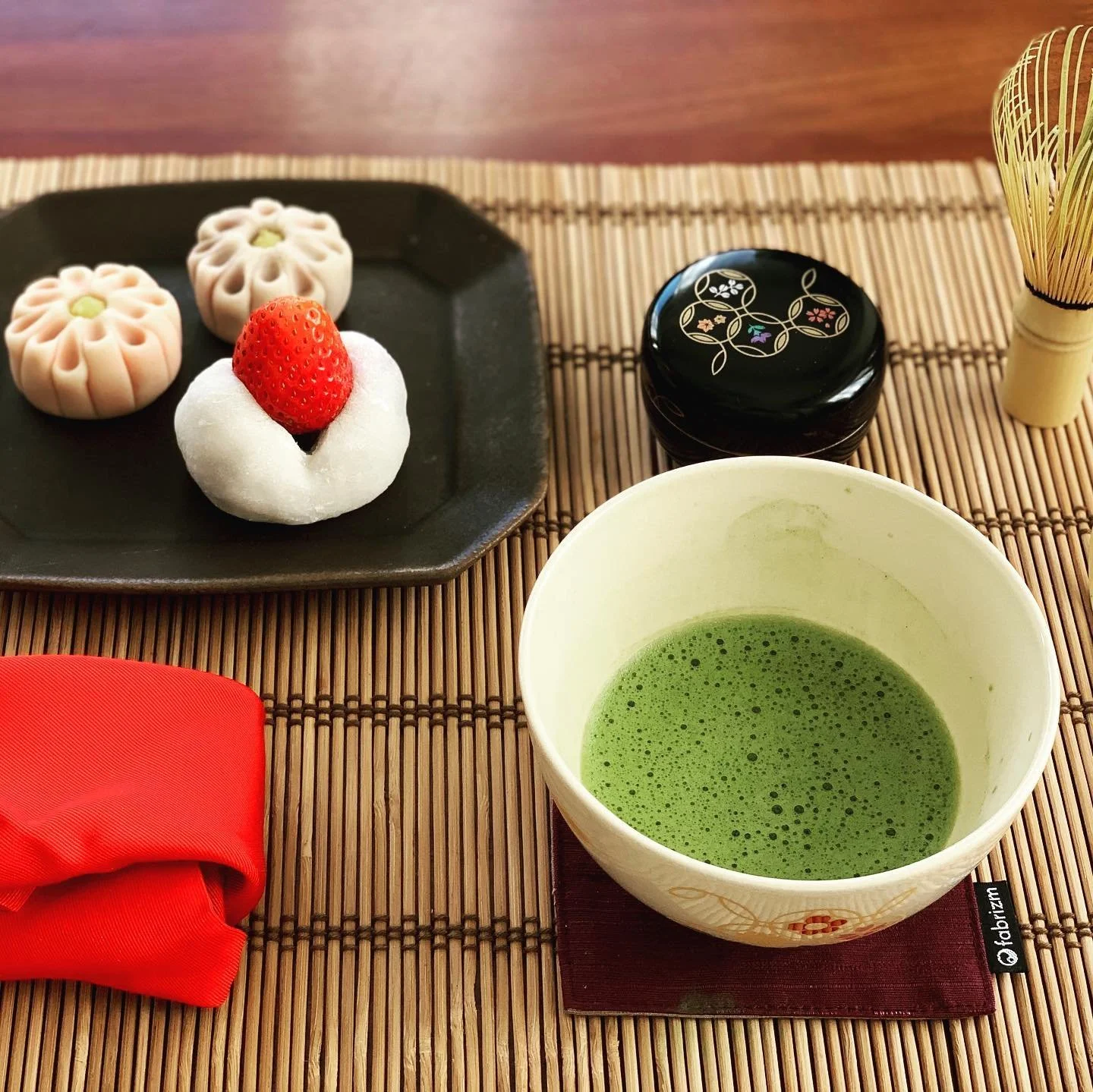
The Japanese tea ceremony shifts with the seasons, thoughtfully incorporating seasonal elements into every detail, from the utensils and decorations to the choice of tea and sweets. In spring, cherry blossom motifs often appear on hanging scrolls and tea bowls, reflecting the transient beauty of the season. During winter, a sunken hearth (ro) is used to heat the water, adding both warmth and atmosphere to the tea room. Even the wagashi (traditional sweets) change, with different shapes, colors, and ingredients chosen to complement the time of year. For instance, during spring, you could expect ichigo daifukus (as pictured above).
Learning and Experiencing the Tea Ceremony
Across Japan, there are many places where visitors can experience the art of the tea ceremony, each offering a unique setting and approach.
Kyoto
Source: Google Reviews
In Kyoto, located on Sannenzaka and a 4-minute minute walk from Kiyomizu Temple, Sakaguchi-an is known for hosting authentic tea ceremonies in beautifully preserved historical spaces, offering a deeply immersive experience. Just a minute's walk from the iconic Golden Pavilion (Kinkaku-ji), Tea Ceremony Koto also offers sessions led by instructors fluent in both English and Japanese, making it accessible for international visitors.
Happo-en
Location: 3 Chome-334 Kiyomizu, Higashiyama Ward, Kyoto, 605-0043, Japan
Opening hours: 10am-5pm daily
Instagram | Website
Tokyo
Source: LuxEat
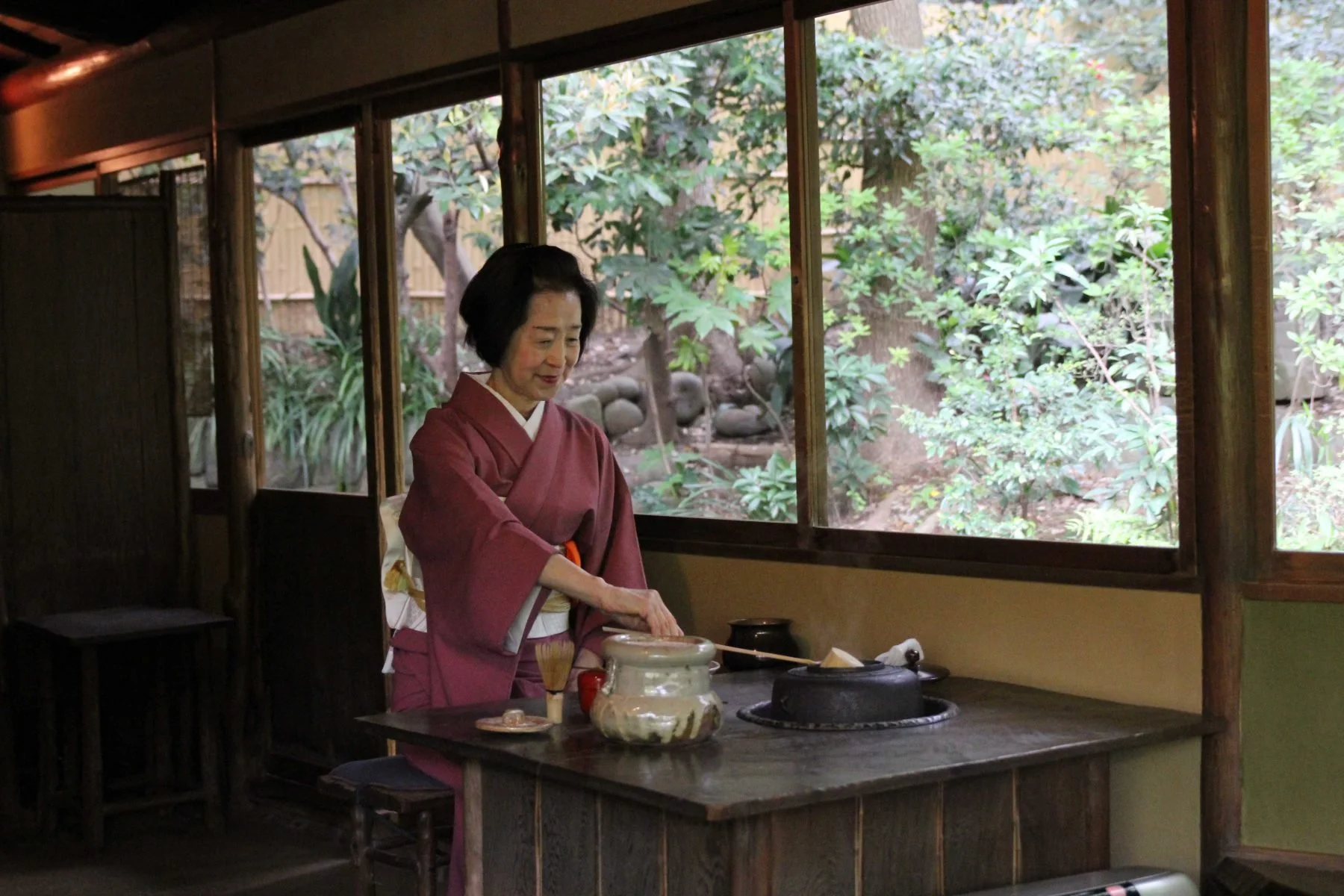
In Tokyo, Happo-en provides a tranquil escape with its lush garden setting, ideal for a serene and traditional tea ceremony experience. Jidai-ya also caters to tourists, offering tea ceremonies conducted by English-speaking instructors for a more guided and informative session. The staff will explain the history and principles of Japanese tea ceremony, how to use tea utensils, and how the traditional tea ceremony goes. After which, you experience the actual process of making tea.
Happo-en
Location: 1 Chome-1-1 Shirokanedai, Minato City, Tokyo 108-8631, Japan
Opening hours: 10am-7pm on weekdays, 9:30am-7:30pm on weekends
Instagram | Website
Nara
Source: Instagram
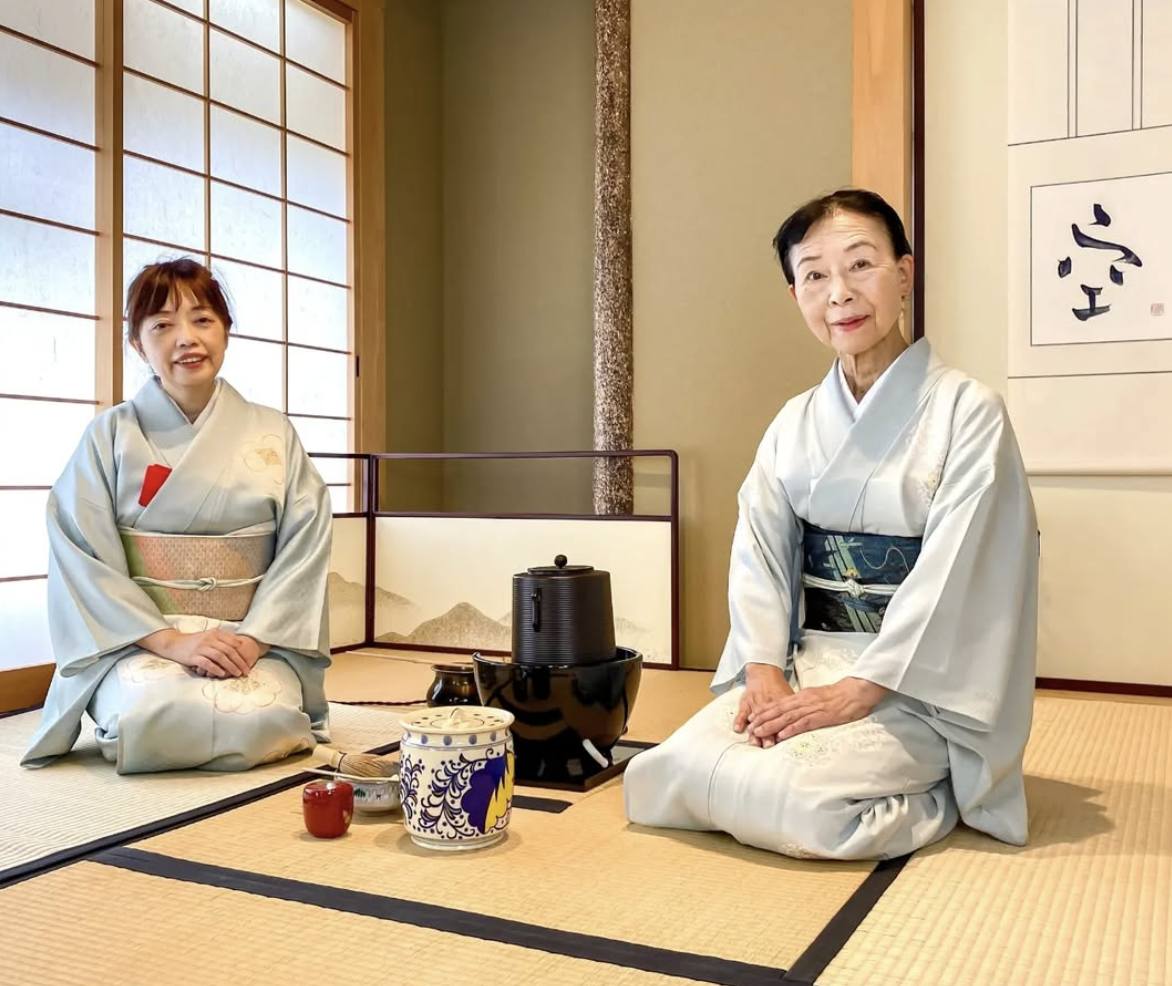
Over in Nara, the Nara Visitor Center & Inn hosts weekly tea ceremonies every Wednesday from 3:00 pm and 4:15 pm (private sessions are also available upon request). Located conveniently near Nara Park and other key attractions, it’s an ideal stop for tourists spending the day exploring the area’s historic temples and meeting the friendly deer.
Nara Visitor Center & Inn
Location: 3 Ikenocho, Nara, 630-8361, Japan
Opening hours: 8am-9pm daily
Instagram | Website
Osaka
In Osaka, Tea Ceremony Osaka The Osaka is conveniently located near major stations like Shinsaibashi, Namba, and Nihonbashi, making it an easy stop for tourists looking to experience this cultural tradition in the heart of the city. The tea ceremony experience involves not only learning the way of tea ceremony from an English-speaking instructor, but also immersing in the experience of making and drinking the matcha yourselves
Tea Ceremony Osaka The Osaka
Location: 1choume東-5-26 2F Doutonbori Chuou-ku Osaka-shi Osaka
Opening hours: 9am - 7pm daily
Instagram | Website
Enjoy reading our articles? Check out others below!


From February to April 2026, Esplanade hosts a standout lineup of Japanese music and performing arts, featuring Ichiko Aoba, Hiromi’s Sonicwonder, the NHK Symphony Orchestra, and a stage adaptation of Haruki Murakami’s Hard-Boiled Wonderland and the End of the World. Discover must-see performances spanning theatre, jazz, and orchestral music in Singapore.